As part of our mission to stay 100% up-to-date as we head into the new year, we couldn’t overlook one of the most important topics in design: logo design trends for 2020.
[superfeatured]7076[/superfeatured]
It’s relatively easy to define trends in broader fields like graphic or web design. But when we focus on more specialized areas—like logo design—it gets a bit more complex.
There’s no need to stress the importance of a strong logo for any business that wants to stand out. The logo is the first thing people see, so it deserves your full attention.
In this article, I’ll break down the key logo design trends for 2020. We’ll dive into each trend, analyze them in depth, and showcase three logo examples for each, so you can see how they’re applied in real projects.
Have you checked out our post on logo design trends for 2021?
Previous years’ posts you might find interesting: Logo Design Trends 2019
Other posts worth reading: How much does a logo cost? – How to create a killer logo – Most creative logos
Now that the introductions are done and everyone’s got a drink, let’s get down to business.
Logo Design Trends for 2020
Minimalism and Single Color
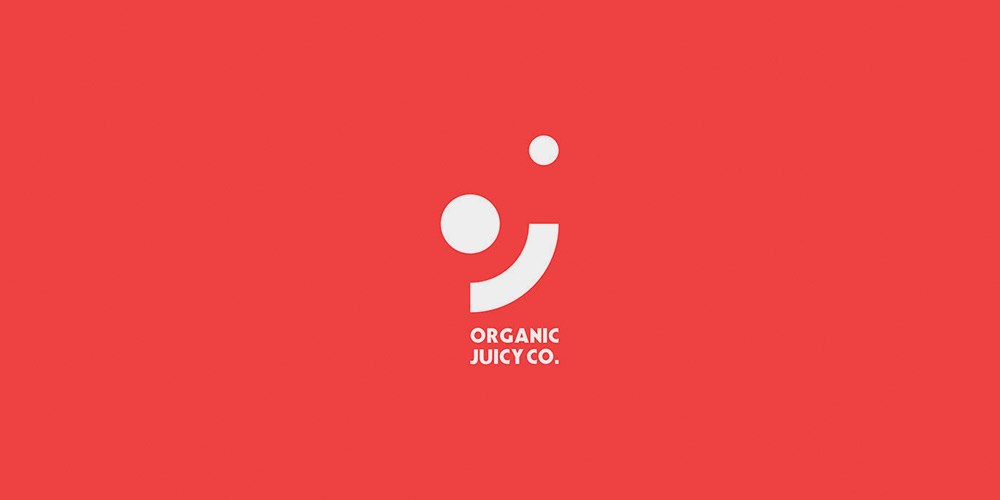
Minimalism is a well-established approach in the world of graphic design.
It’s all about using as few elements as possible to create an attractive, often “cool” and understated design.
Minimalist logos have been around for years, but you can count on this style being a safe, winning bet for 2020.
And if you combine minimalism with a single color, you get a logo that’s completely cohesive and uniform.
Logos embracing this trend
Stellary
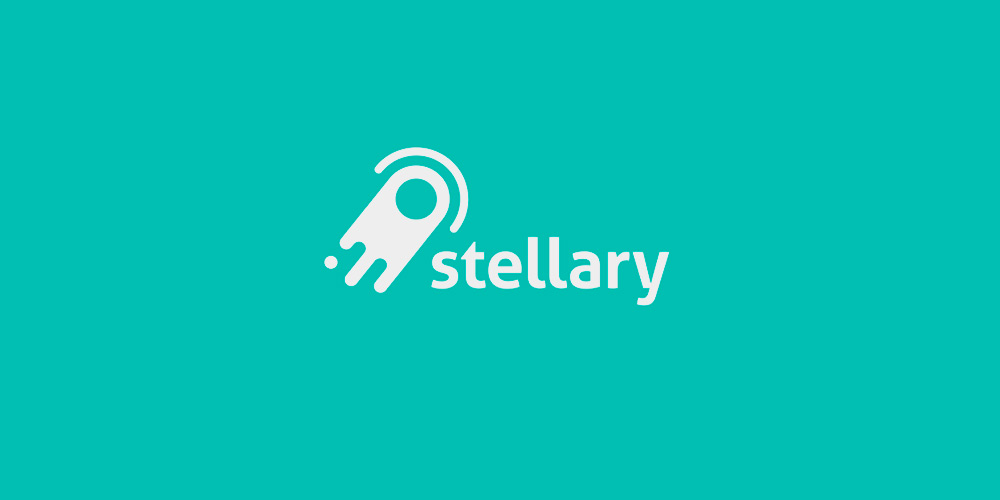
Here, a simple shape and a single color form the foundation of the logo’s design.
Richards
Like the previous example, this logo uses a simple shape for its icon and a single typeface. The color palette is also limited to one, making it another perfect example of this trend in action.
Antonym
This fully typographic logo also follows the minimalist, monochrome trend, resulting in a truly pared-down design.
Where to use this logo trend
This trend is extremely versatile and works for all kinds of projects—from corporate logos to more artistic branding.
Tips & Tricks
- Don’t confuse minimalism with “not putting in the work.”
- Pay close attention to kerning (letter spacing).
- Sometimes, a well-chosen and well-applied typeface is all you need for an attractive logo.
- Remember: in minimalism, less is more.
Animated Logos for Digital Formats

A well-designed logo can be impressive—but imagine taking it a step further and bringing it to life with animation.
Animated logos are set to make a big impact in 2020.
Of course, this is a trend that’s limited to digital formats—websites, videos, and multimedia content—but the results can be spectacular.
It’s also a great resource when presenting a logo to a “premium client,” helping you make a bigger impact and increasing the chances of instant approval.
Logos embracing this trend
Nubamie

This calligraphic logo animates as if it’s being written, creating a chic, elegant look—perfect for showcasing the animated logo trend.
Blinkbox

An impressive animation for this logo. The bounce effect is totally on point, giving the logo a super fresh vibe.
Logo1

This logo animation is almost hypnotic—probably thanks to its shapes. I love it, and I’m sure you will too. Imagine this logo animating while a website loads.
Where to use this logo trend
This trend is strictly for digital media, such as:
- Websites
- Landing pages
- Promotional videos
- Banners or ads
- Social media
- Email campaigns
- Digital company presentations
- Online catalogs
Tips & Tricks
- Use the logo’s own shapes to create an animation that fits the brand.
- If you’re new to animation, look for After Effects tutorials.
- Less is often more. Animating just the typography with a bit of style can deliver a very polished, elegant result.
- If you’re creating a GIF for web use, be careful not to make the file too heavy, as it could slow down your entire site for the sake of a small decorative element.
Handmade and Vector Illustration
Hand-drawn and vector illustrations are another big trend in logo design for 2020.
When executed skillfully, this approach gives your logo real personality and charisma. Of course, it requires strong illustration skills—or at least a good eye and the ability to infuse your illustrations with character.
This isn’t exactly a new trend, but it’s one that’s here to stay. Expect to see it featured in many of the best logos created in 2020.
Logos embracing this trend
Blossom
Here, a hand-drawn icon has been vectorized for digital use, paired with a well-chosen typeface for an elegant, stylish result.
A perfect example of this trend in action—especially fitting for a spa logo.
Patronum
A true masterpiece of logo design. With its round, balanced form, this logo works beautifully in both digital and print formats.
The illustration is meticulously crafted and harmonizes perfectly with the overall design, offering a high level of detail and personality.
Reference 3
I’ve labeled this logo “reference 3” because, honestly, I don’t know what it says—it’s in another language I can’t identify (feel free to give me a medal).
Regardless, I thought it was worth including as inspiration for this trend, since it has a lot of visual richness—even if that’s a personal take.
To me, it feels raw and real. It conveys “something,” and that’s what makes it great.
Where to use this logo trend
This trend works best for less formal projects, but if you’re skilled at choosing the right illustration and pairing it with a fitting typeface, you can definitely achieve a classy result.
Tips & Tricks
- Make sure your logo scales well—avoid tiny details that could get lost or muddy the design at small sizes.
- Even if your logo is an illustration, it should be vectorized.
- If you’re a designer without strong illustration skills, consider collaborating with an illustrator for the icon.
Negative Space
Negative space is a visual resource that opens up a world of creative possibilities.
By playing with negative space, you can create logos with double meanings and 3D effects that make your brand truly memorable.
Logos embracing this trend
Play That
Here, negative space is used to draw a musical note. The logo also features a hand making the classic gesture of tapping a touchscreen—suggesting it could be for an app or similar product.
D
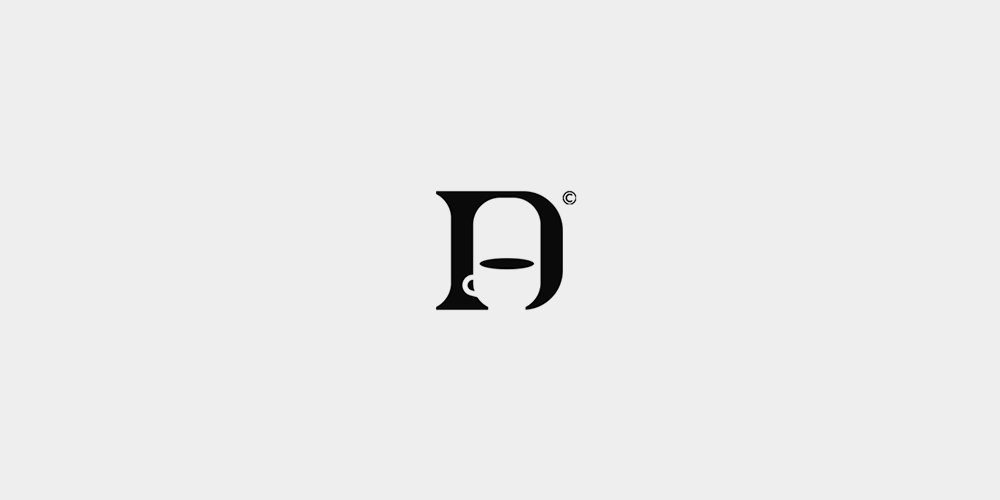
This icon uses the negative space inside the letter D to form a coffee cup.
It’s a spot-on example of this trend—perfect for a café whose name starts with D.
Natur
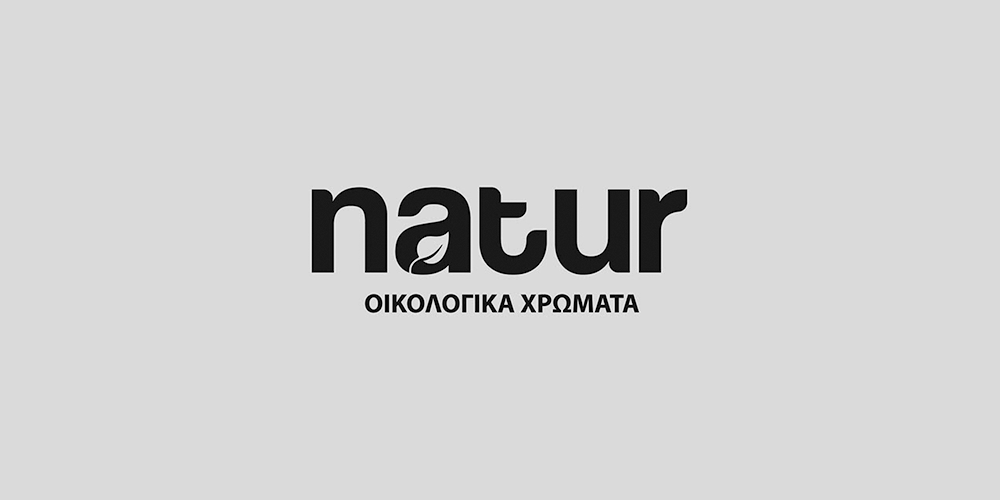
This typographic logo uses the lowercase “a” to create a leaf inside the letter, visually reinforcing the word “nature.”
As you can see, negative space can be used to create highly creative logos. When done well, it guarantees a logo that stands out.
Where to use this logo trend
This style works for most logo projects—from formal corporate branding to more casual businesses, like a neighborhood café.
Tips & Tricks
- Be careful not to overload the design. Creating a logo with negative space requires skillful use of space and form.
- It’s usually best to use just one negative space element—avoid creating a “Frankenstein.”
- You can use typefaces to create negative spaces, either by leveraging the natural holes in the letters or by using the space between two letters to form the desired shape.
Handmade Lettering
If there’s one thing that brings authenticity and personality to a logo, it’s hand-drawn lettering.
Doing it well takes experience—only the best achieve flawless results. Mastery of calligraphy comes from years of practice.
Lettering as the main element of a logo will be at the very top of the trends for 2020.
If you’re skilled at lettering, you already know how satisfying and visually appealing it is to create this kind of logo.
Handmade lettering always brings a unique, authentic aesthetic to any design project.
Logos embracing this trend
Mascarada
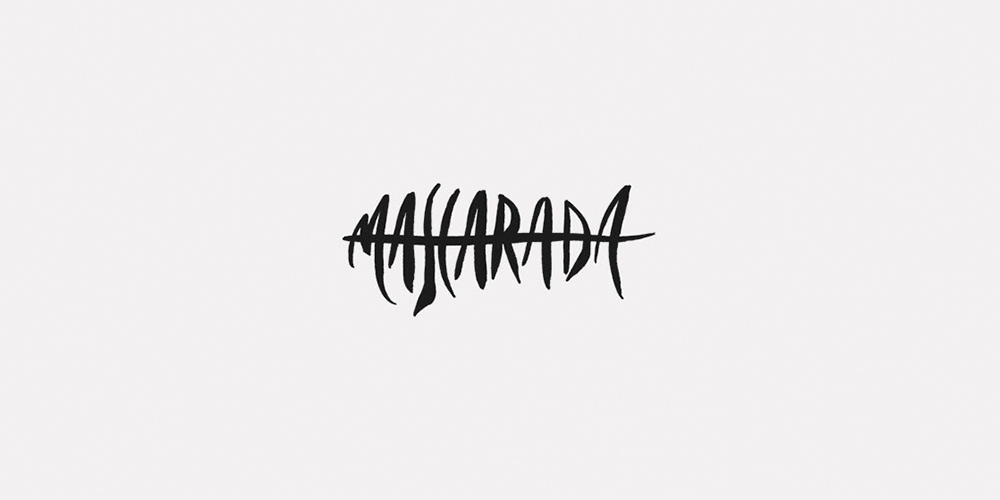
This might not be the typical lettering logo you were expecting, but to me, it has a raw, real look. Uniform shapes and freehand style make it a great, slightly unconventional example of lettering in logo design.
Garnacha Extrema
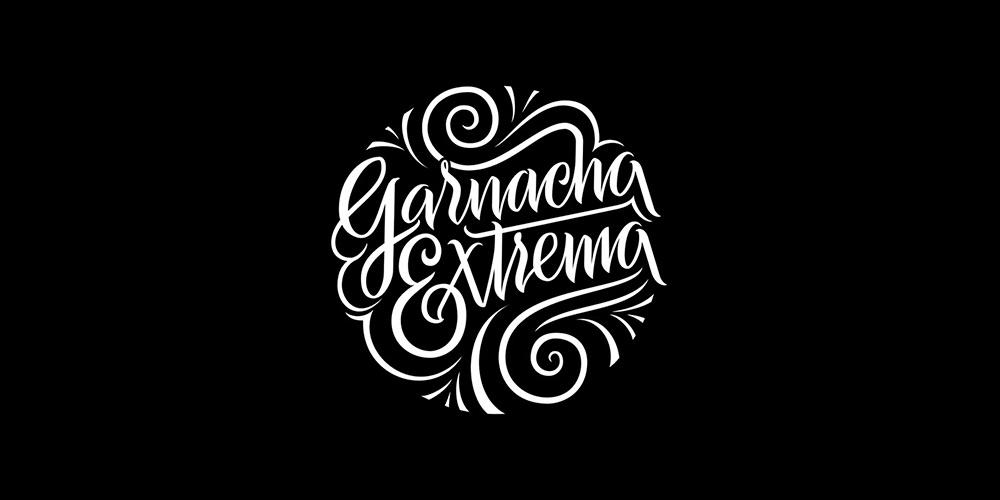
A brilliant, more traditional example of what we mean by lettering.
The typeface, the surrounding shapes, the overall look—it’s a stunning logo and the clearest example of how to use this trend in 2020.
Morka
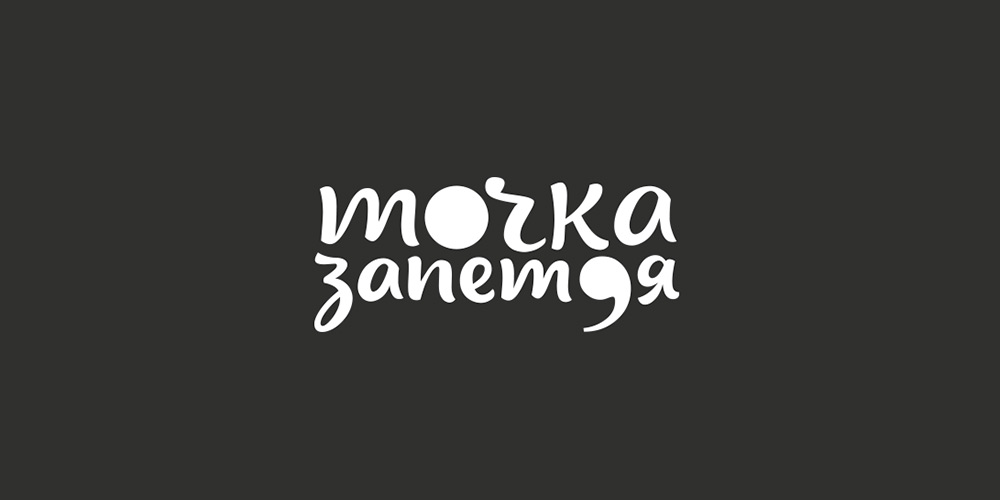
Another logo built on lettering—again, not a traditional example, but still very interesting.
Where to use this logo trend
Lettering-based logos are usually best for projects that call for a relaxed, authentic image. They’re perfect for handmade products, bakeries, pastry shops, cafés, and similar businesses.
Tips & Tricks
- Remember to vectorize your handmade lettering so it works perfectly in both digital and print formats.
- A lettering-based logo should be fully functional in its pen-and-ink version—and if done well, this version will be especially strong.
- Focus on creating harmonious lines and pay close attention to curves and stroke weights—these details make the difference between good and bad work.
Smart Logos
A smart logo makes a strong impression on anyone who sees it.
These logos often play with double meanings, use elements from the typeface itself, or combine multiple concepts into a single design.
To create a smart logo, you’ll also need a solid naming strategy behind it.
Smart logo design is a trend that never goes out of style. If you create a clever logo, you can be sure it will be cutting-edge all through 2020.
Logos embracing this trend
Tamashii
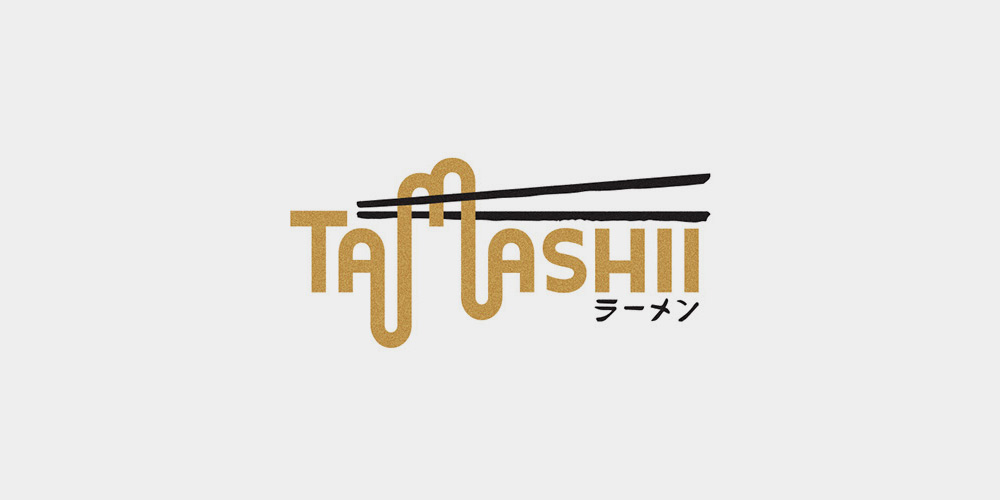
Here, the “M” in the name is used to represent noodles.
It’s an elegant, stylish logo that communicates a lot in a small space, without feeling cluttered.
Reference 2
Another perfect example of a smart logo—ideal for a restaurant, don’t you think?
The logo clearly depicts both a rooster and a fork.
Frego
Here, the icon cleverly combines a fork (like the previous example) and a coffee bean.
It all makes sense when you realize it’s for a steakhouse that also serves coffee.
An inspiring example of the 2020 trend: not only is the logo visually appealing, but it also uses smart design to create a versatile logo with multiple meanings.
Where to use this logo trend
You can use this trend for most projects, except those that require an extremely serious image. In those cases, if you do incorporate a “smart logo” element, keep it very subtle—almost invisible to the casual observer.
Tips & Tricks
- Be careful not to create a Frankenstein—don’t sacrifice aesthetics for double meanings (or vice versa). Balance is key.