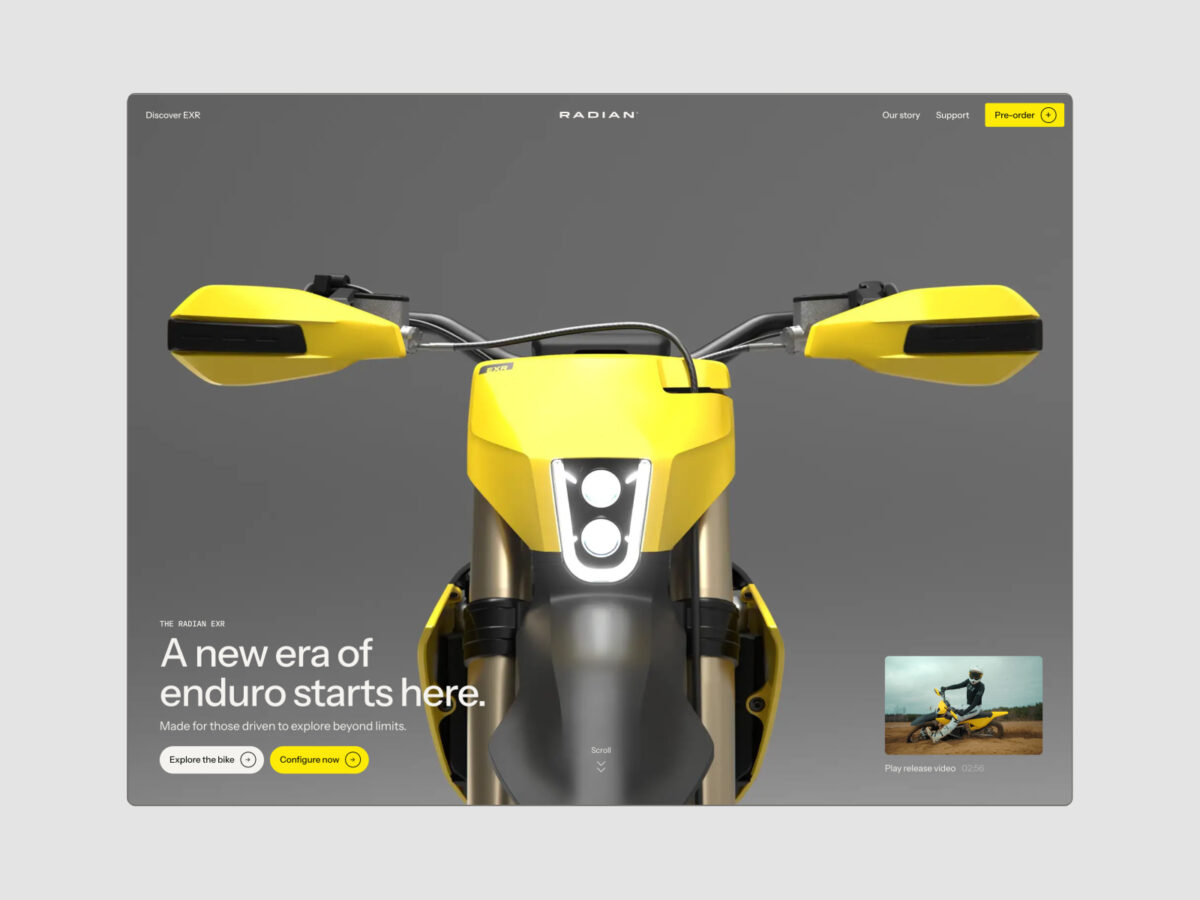
Would you like to know the key elements of designing a website for architects, and how it differs from other types of web design?
In this article, we’ll break down the essential pieces that, when put together, spell out one word: success.
Architecture is a constantly evolving field, facing new challenges every year as it embraces technical advances and engineering innovation.
That’s why it’s crucial for an architecture firm’s website to reflect a set of indispensable qualities that convey real value.
The fundamentals of designing a website for architects are timeless—year after year, these principles remain relevant and effective.
Key Elements in Designing a Website for Architects
Digital Identity
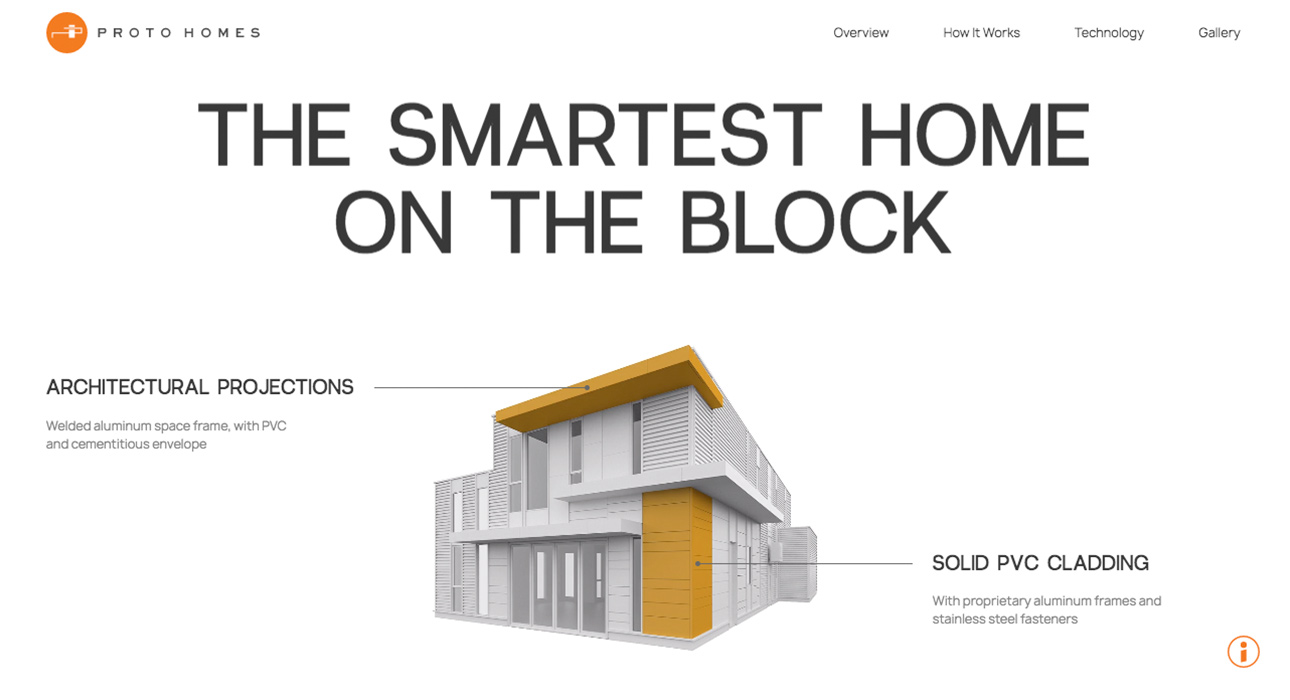
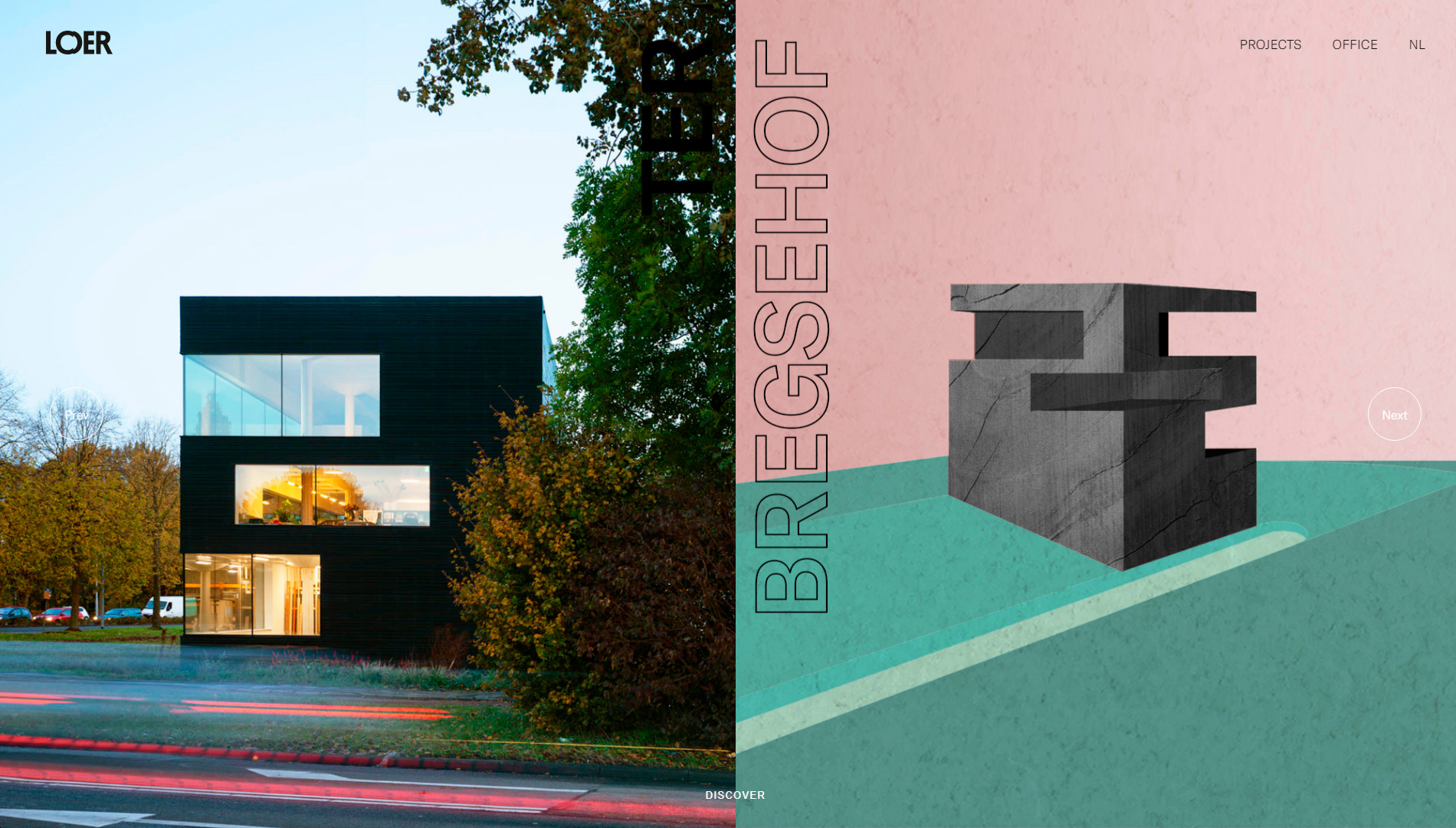
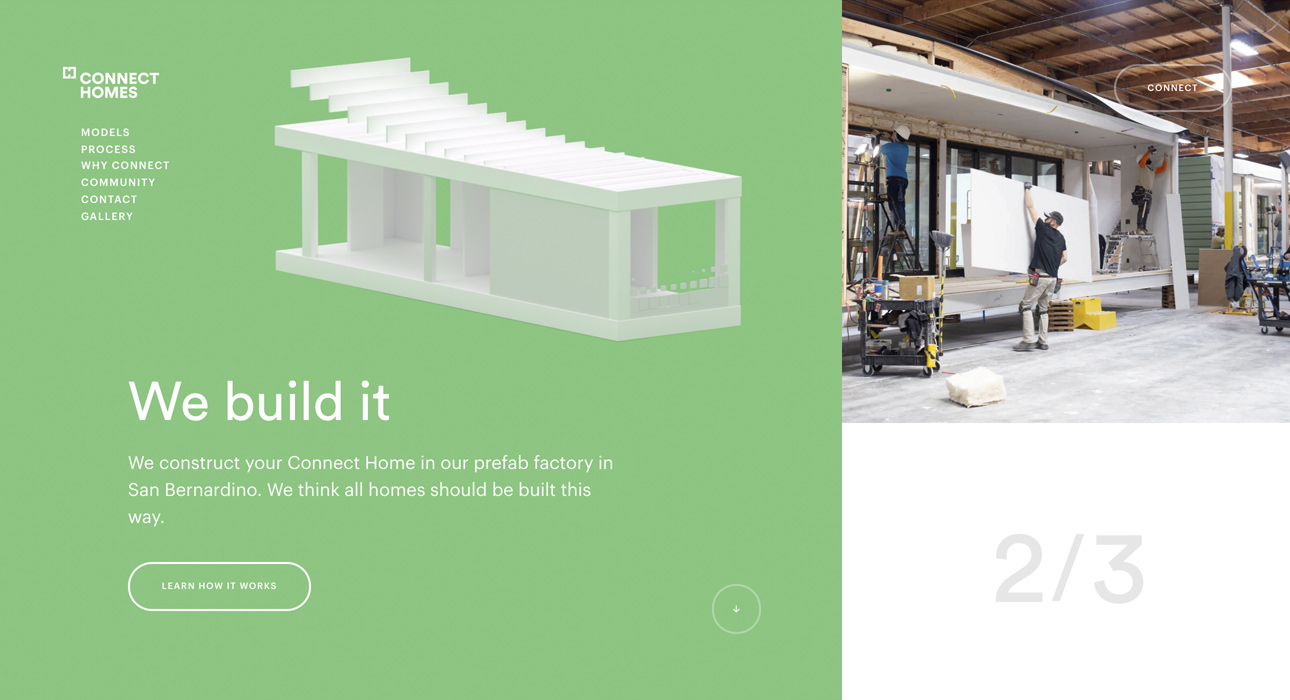
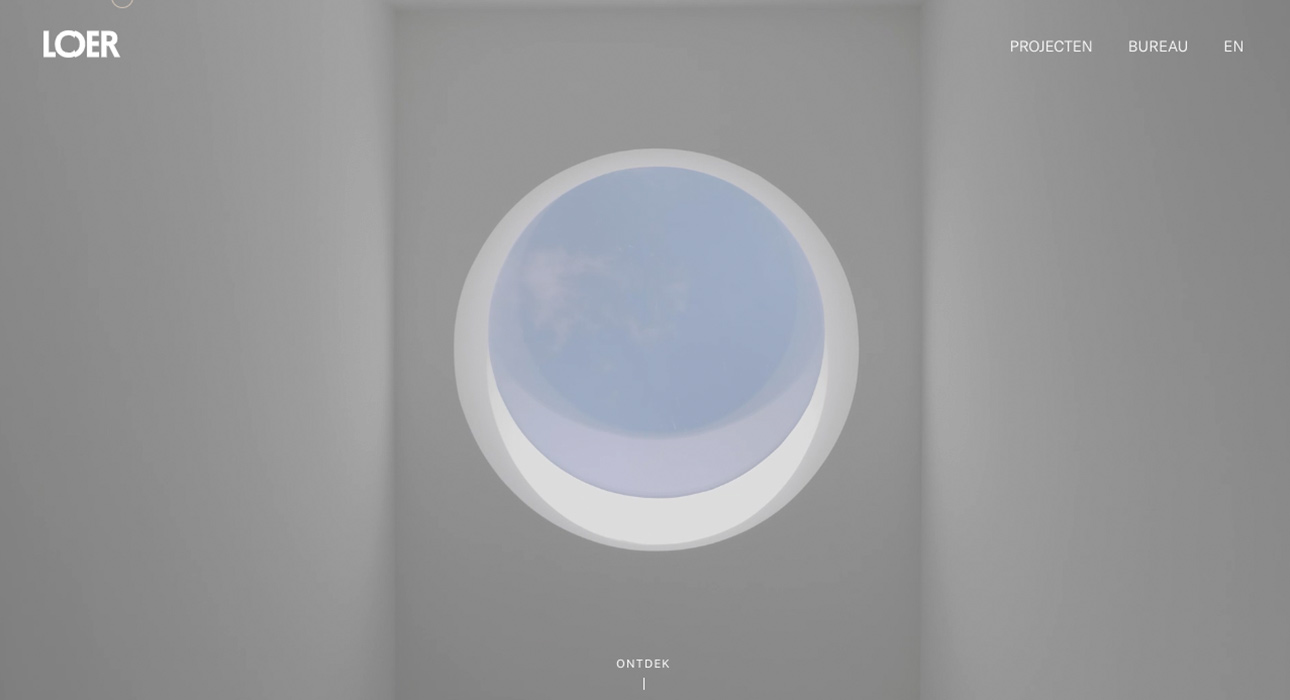
A company’s digital identity is a cornerstone of its corporate identity, and one of its most important expressions is the design and development of its website.
One of the keys to a successful architecture website is a strong, professional digital and corporate identity that communicates exactly what the firm wants to convey to potential clients.
So, the first step in creating an outstanding website for an architecture studio is to fully define its digital corporate identity, so it can be seamlessly integrated into the web design.
An architecture firm’s digital identity should be:
- Robust and consistent
- Aligned with market needs
- Focused on the target client
- Distinctive within the competitive landscape
- Showcasing the firm’s full potential and capabilities
A corporate identity must capture the very essence of your business—it can’t be an afterthought.
A company’s success is directly related to the seriousness and care with which it makes its decisions.
[superfeatured]7329[/superfeatured]
Contemporary Design
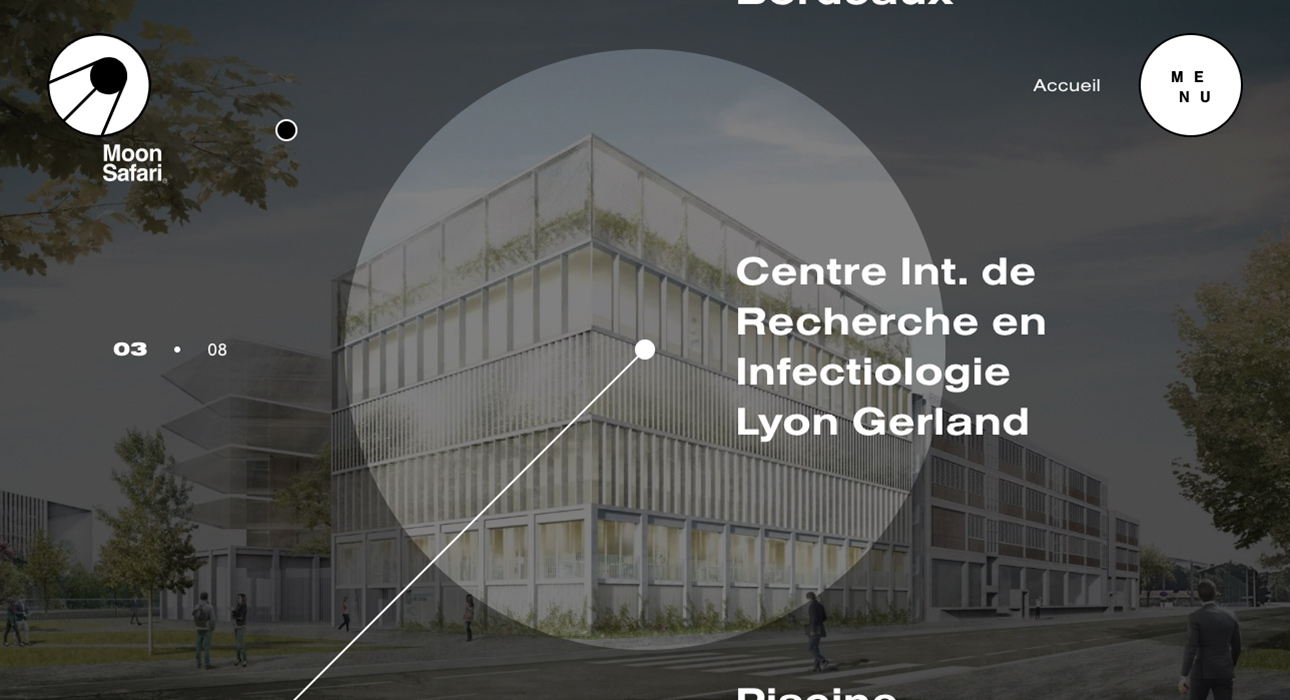
The second key to a successful architecture website is a contemporary design.
Once your corporate identity is defined and its digital applications are clear, it’s time to translate all that work into a definitive web design.
A modern design speaks volumes about your firm and your ability to adapt to the times. In architecture, this is essential from the outset.
Whether your studio’s work is classic or cutting-edge, one constant in this sector is the ongoing technological innovation year after year.
A website for an architecture studio should:
- Be personalized
- Reflect the company’s mission, vision, and values
- Be built on the firm’s corporate identity
The industry’s drive for innovation means your online presence must reflect this to be taken seriously.
A contemporary design is therefore another crucial factor in ensuring your architecture website stands out and is valued.
Bespoke, Personalized Design
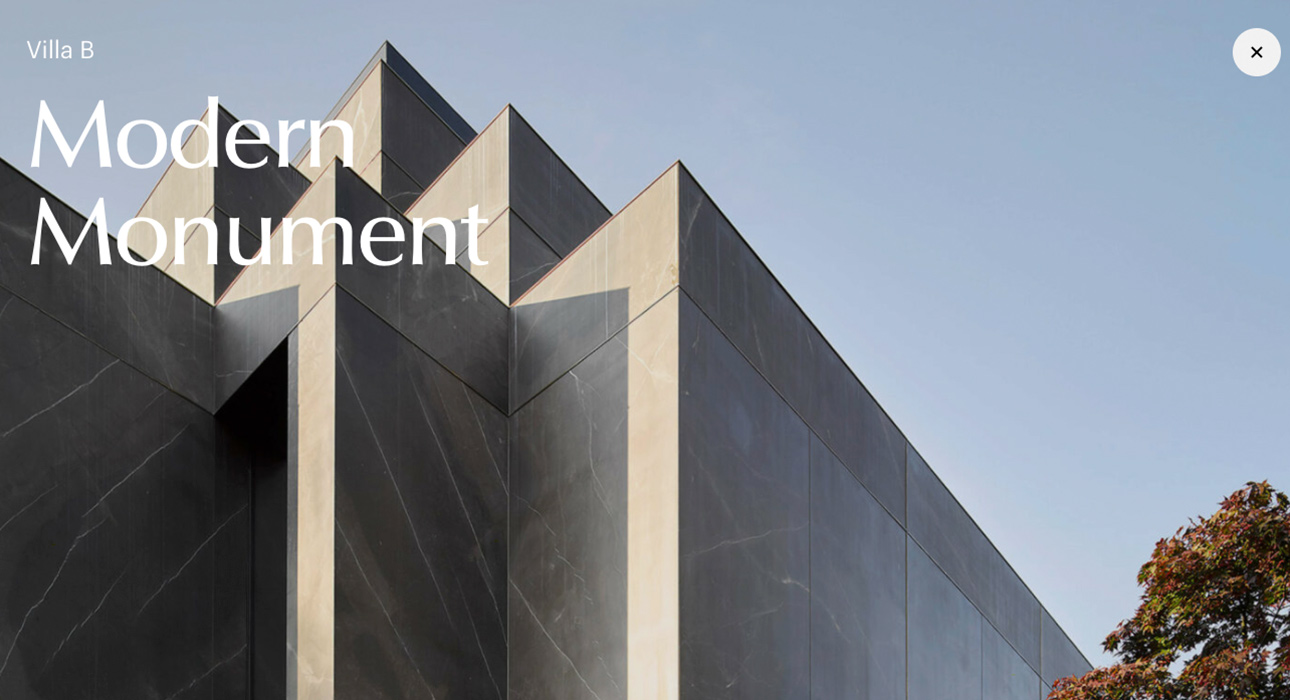
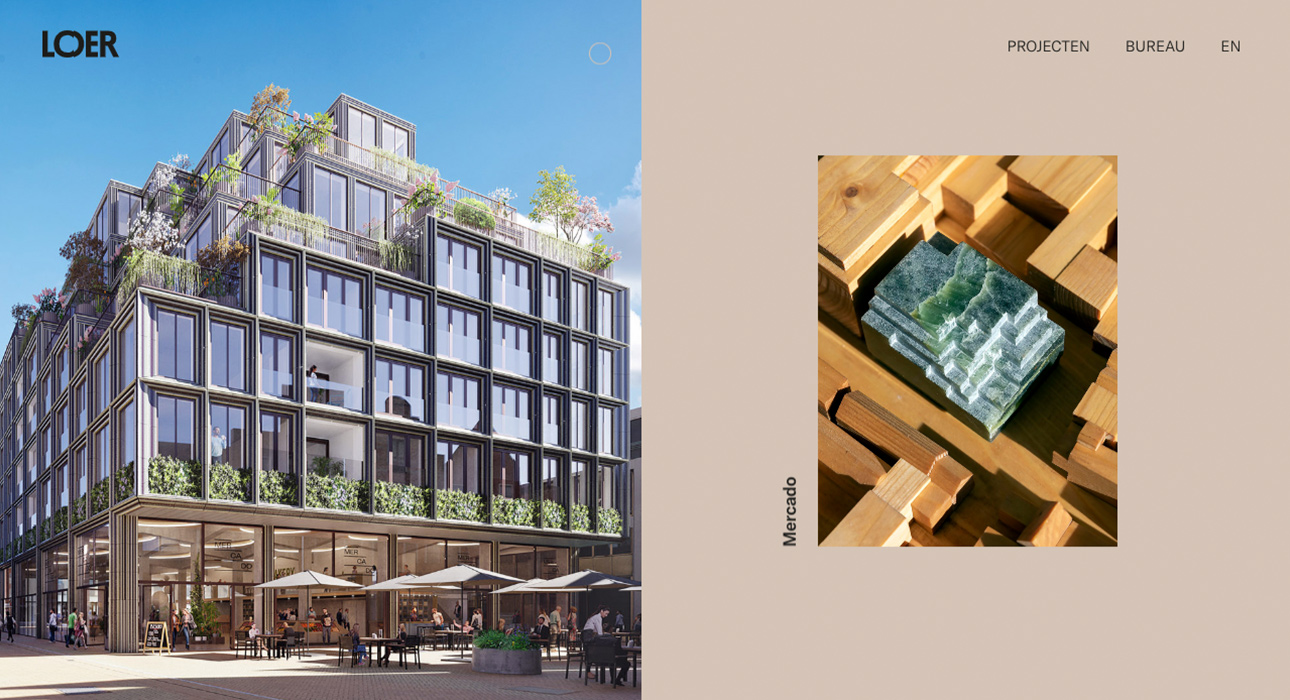
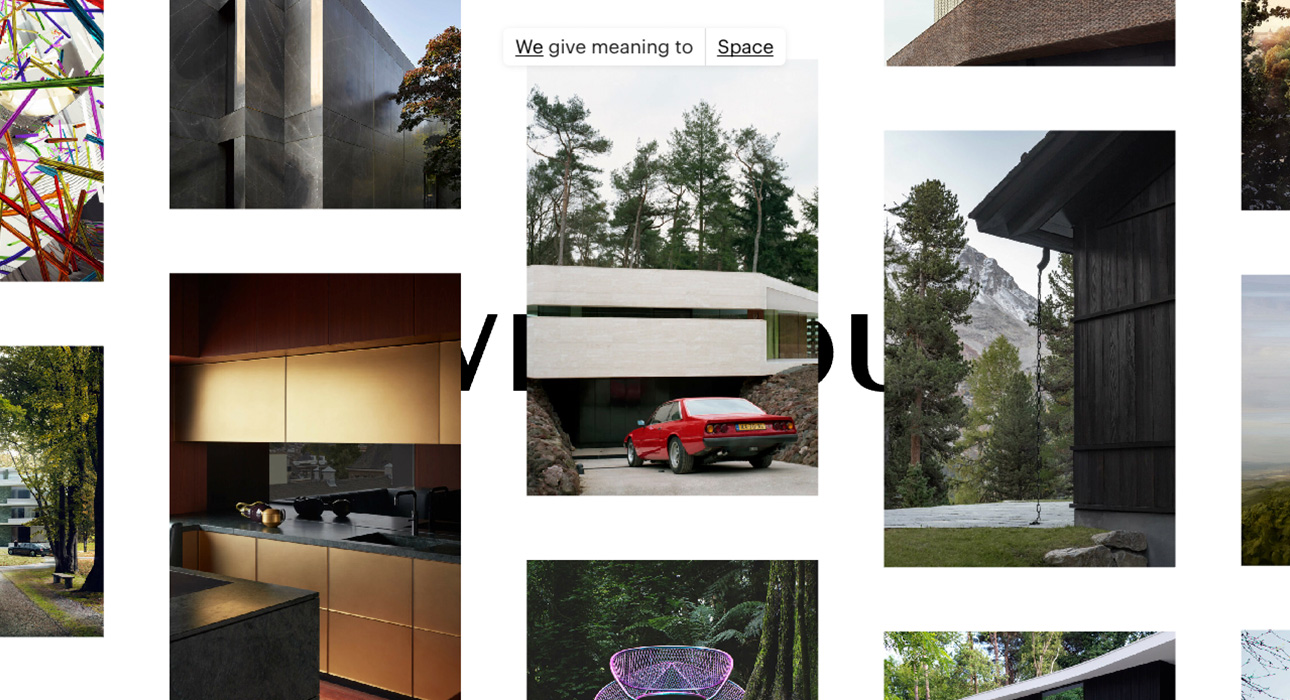
The third essential for an architecture studio’s website is a fully bespoke, personalized design.
If you’ve made it this far, you already know the importance of:
- Building a strong digital identity
- Creating a contemporary web design
So what’s indispensable?
That the design is custom-made and tailored to your firm.
It’s time to say goodbye to off-the-shelf WordPress templates and themes that promise the world.
Template and personal are opposites.
There’s nothing less personal than a WordPress template—changing colors and fonts isn’t personal design, it’s just customizing a copy of someone else’s template.
Templates are not created to meet your company’s specific needs, so you end up adapting your content to fit the template, not the other way around.
A bespoke, personalized design, on the other hand, offers countless advantages:
- Your design will be unique
- You can communicate exactly what you want
- The development will be clean and efficient
- You can fully optimize for SEO
- Responsive design across all devices will be excellent
- You can align your marketing strategy seamlessly
- ….
A custom website design is key for your project to succeed and stand out from the competition.
[superfeatured]7329[/superfeatured]
Usability
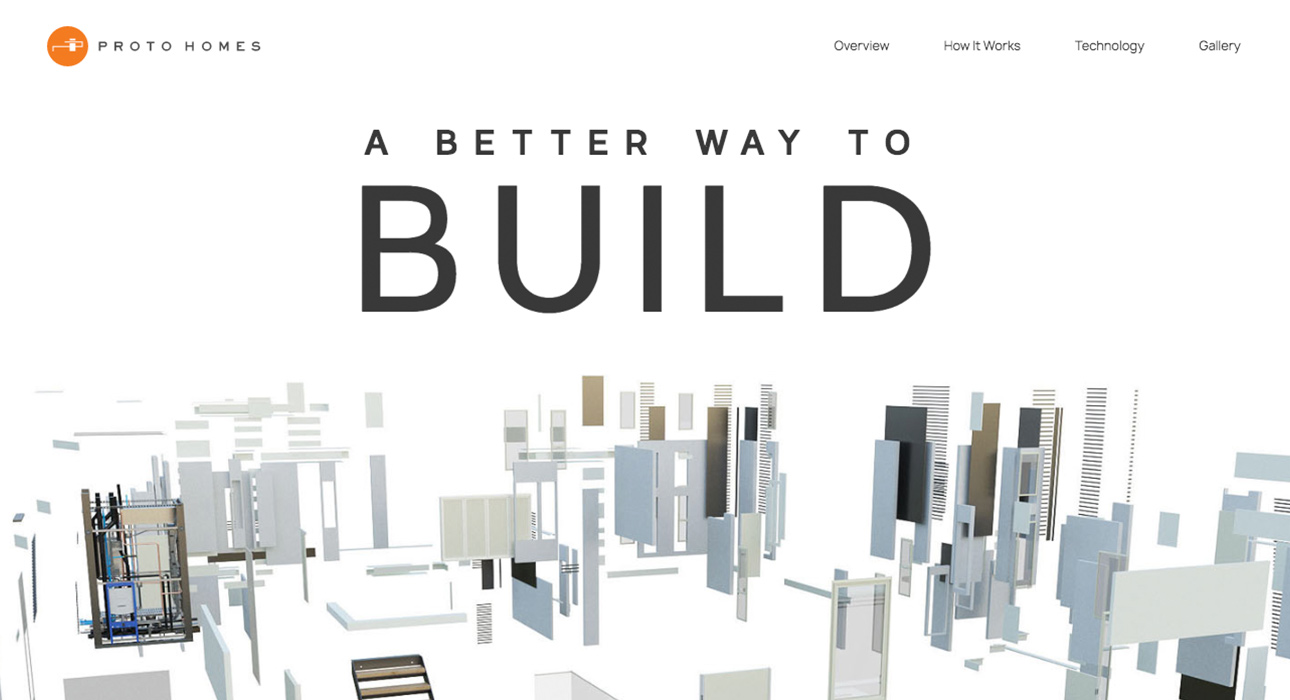
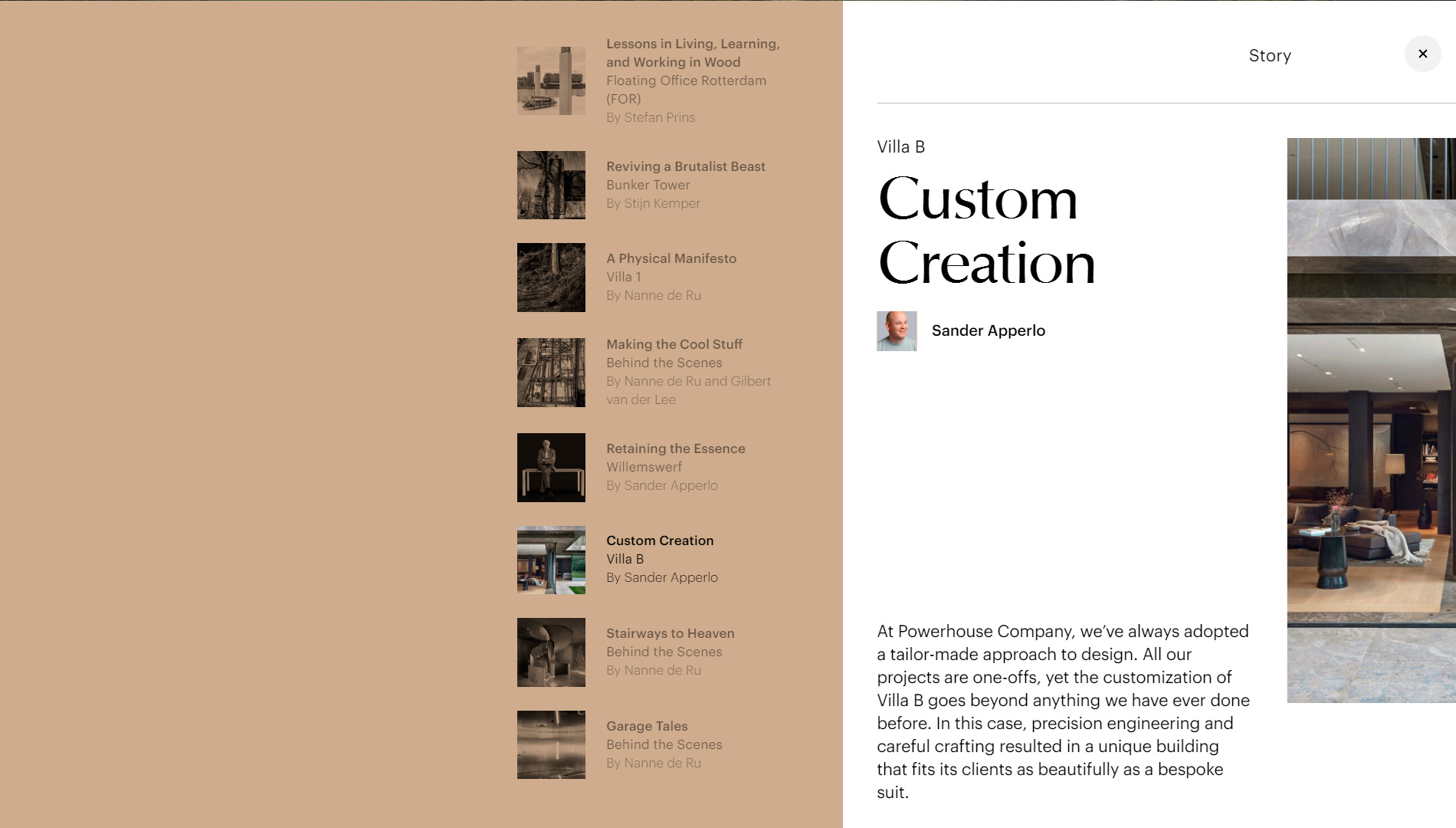
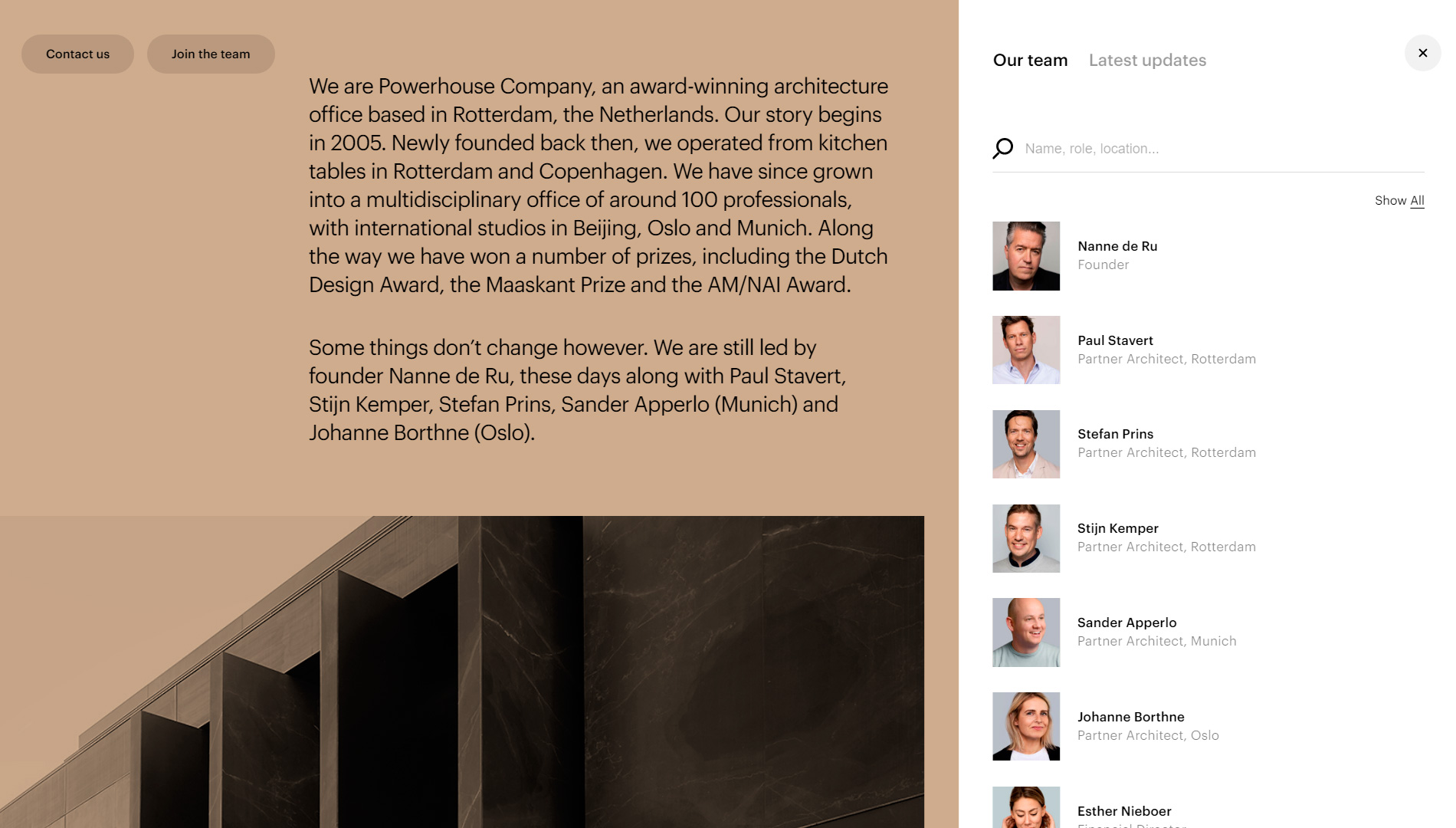
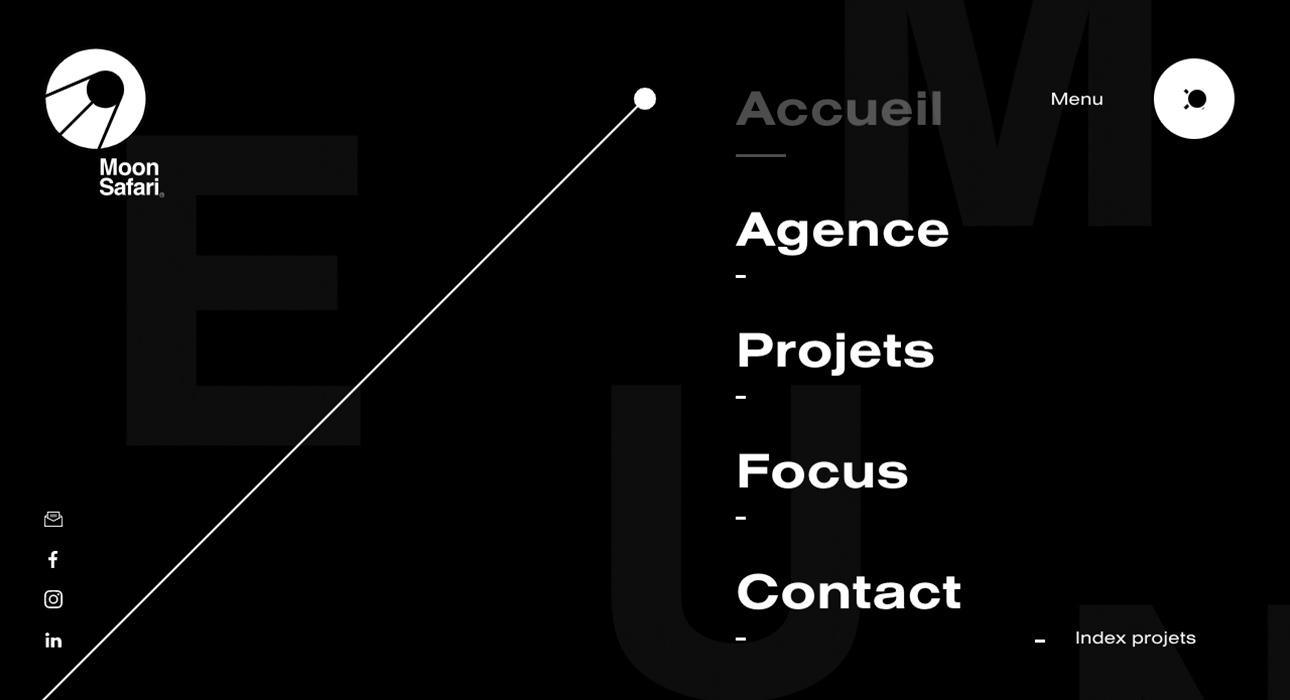
Another key to a successful architecture website is usability.
If you’re not familiar with the term, usability and user experience are absolutely critical in web design and development.
A website must balance creative flair with conversion goals—but above all, it must be user-friendly.
Visitors should be able to find what they’re looking for as quickly as possible. Every millisecond spent on your site is precious and could be the last, so don’t waste their time—meet their needs without compromising the previous points.
It’s a challenge, but not an impossible one.
The more complex the planning, structure, and focus of a project, the simpler the end result should feel.
When designing websites for architects, keep these basic questions in mind:
- What is our audience looking for?
- In what order of priority?
- What do they value most?
User behavior analytics tools are invaluable for determining how to implement and combine design with usability.
If the website is brand new, conduct a preliminary behavior study based on competitors and your own professional insights.
Client-Focused Approach
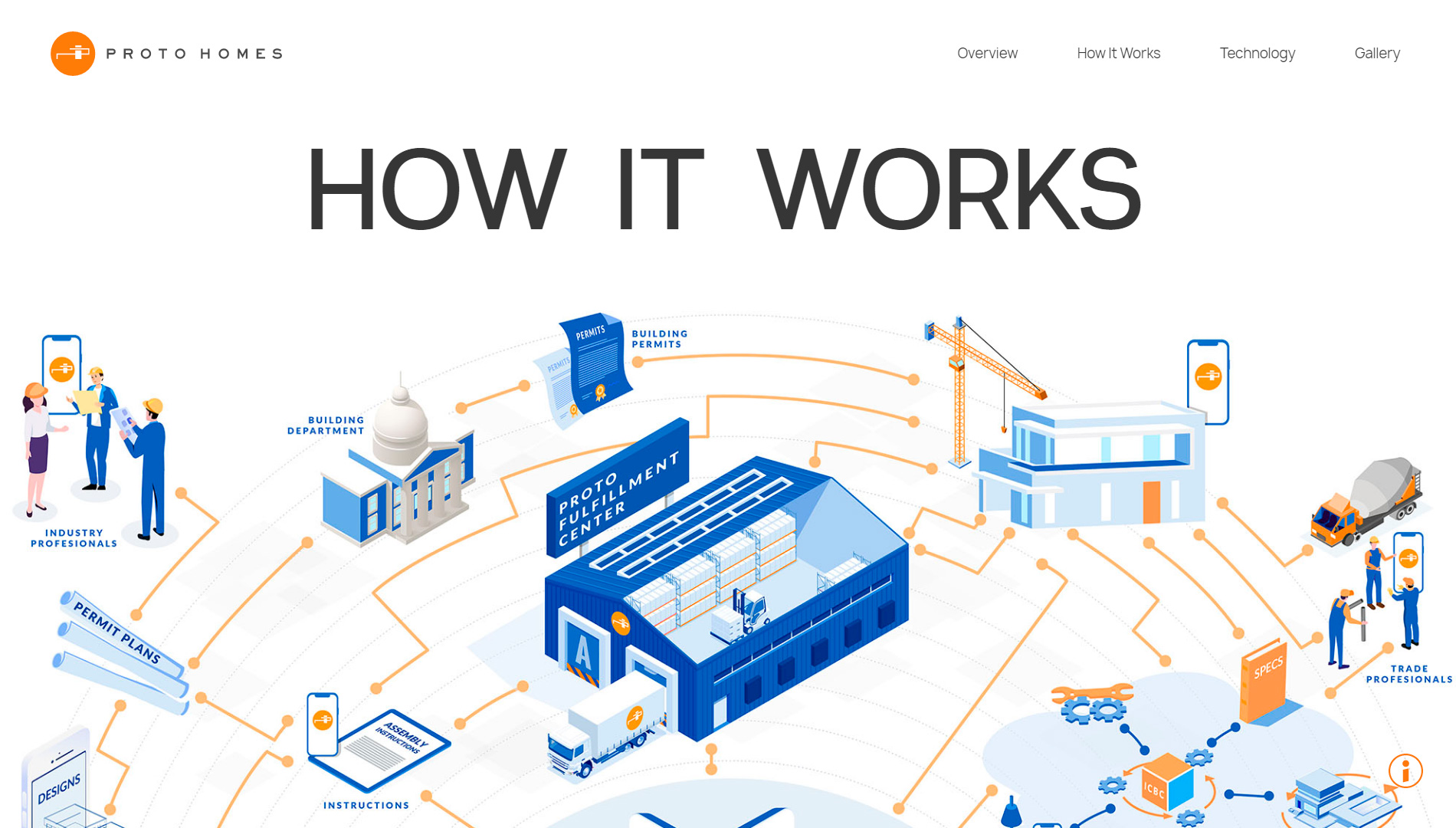
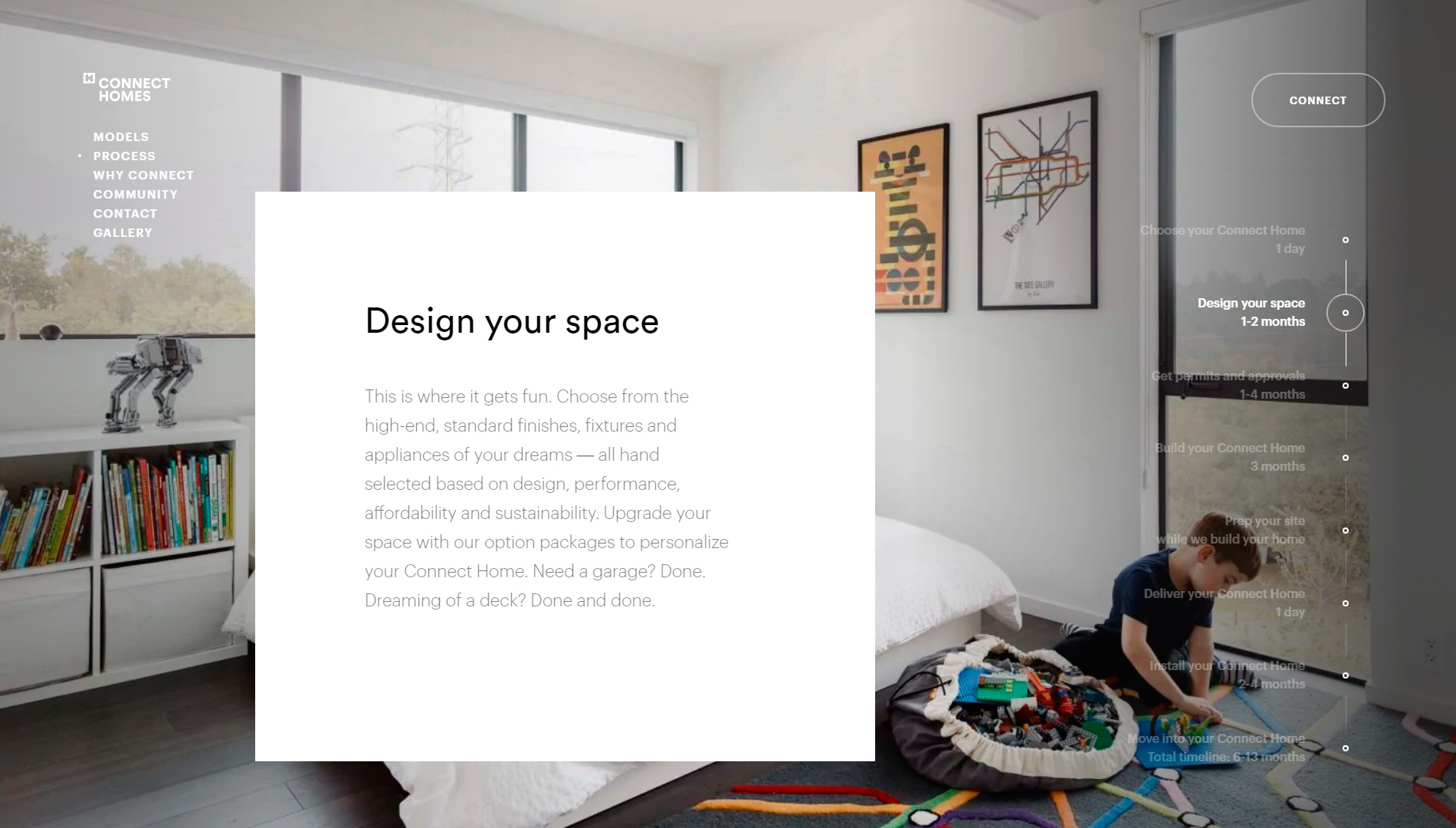
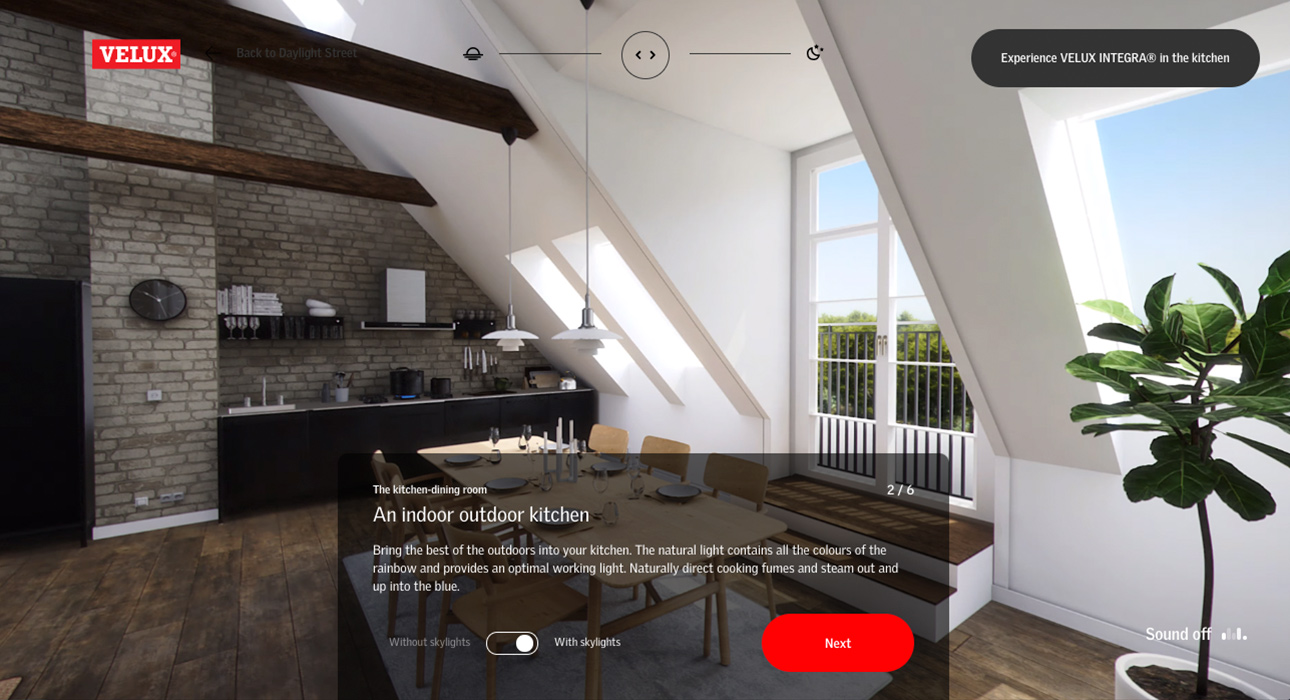
It’s common to see architect websites with a coherent digital identity, modern, bespoke design, and excellent usability—but that miss the mark by targeting the wrong audience.
Many architecture websites seem designed to impress other architects. In our experience, this often happens when the project hasn’t been fully outsourced and is approached solely from an insider’s perspective.
That’s why it’s so important, when designing and developing a website for architects (or any professional), to clearly define the target audience from the outset.
This allows you to tailor the website’s tone, set user expectations, and address the needs of your primary audience.
Architecture websites typically serve several types of visitors:
- End users
- Builders
- Developers
- Other architects
Your website should communicate effectively with each of these groups, provide relevant information, and connect with their needs and level of understanding.
[superfeatured]7329[/superfeatured]
Quality Content
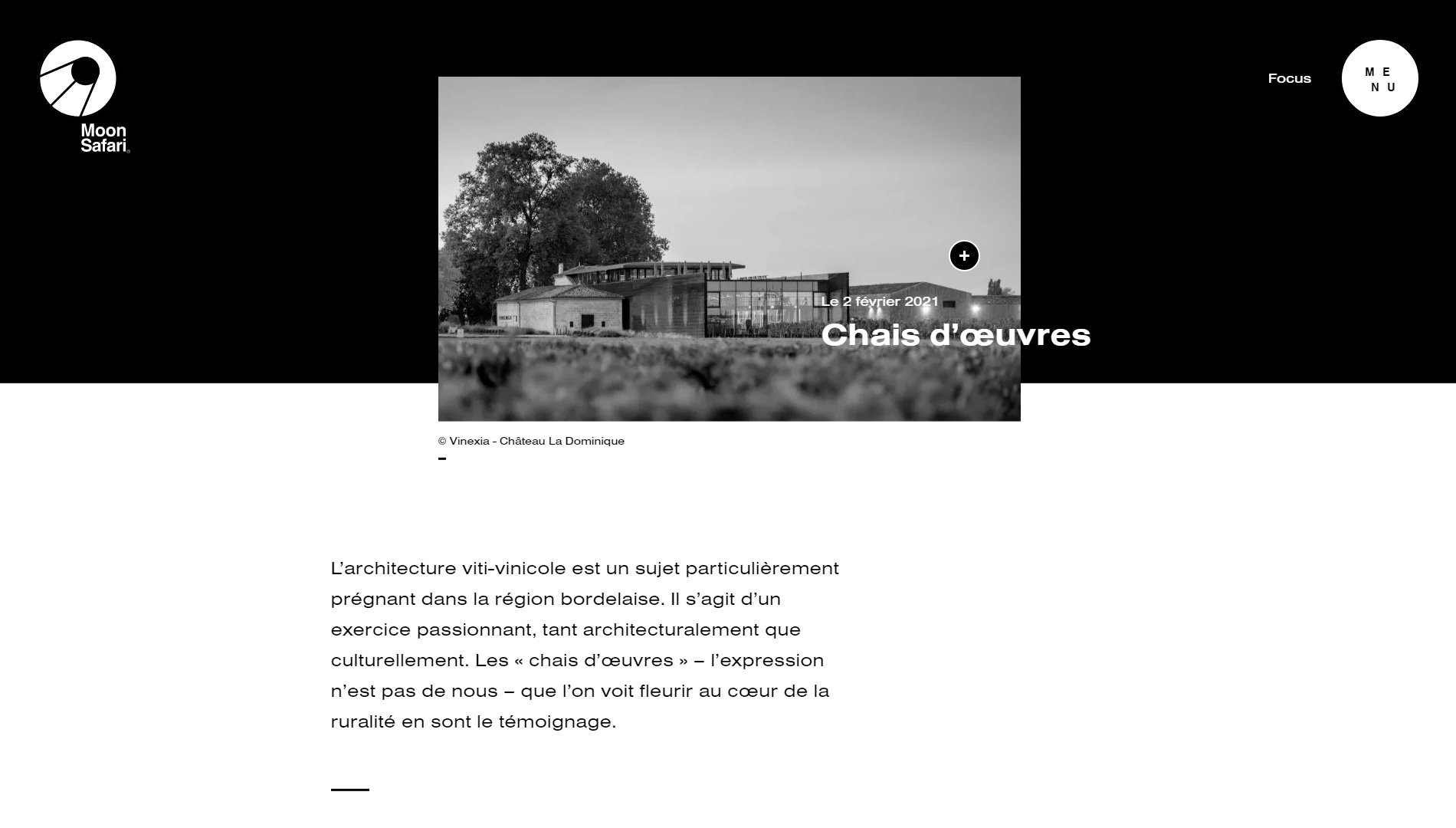
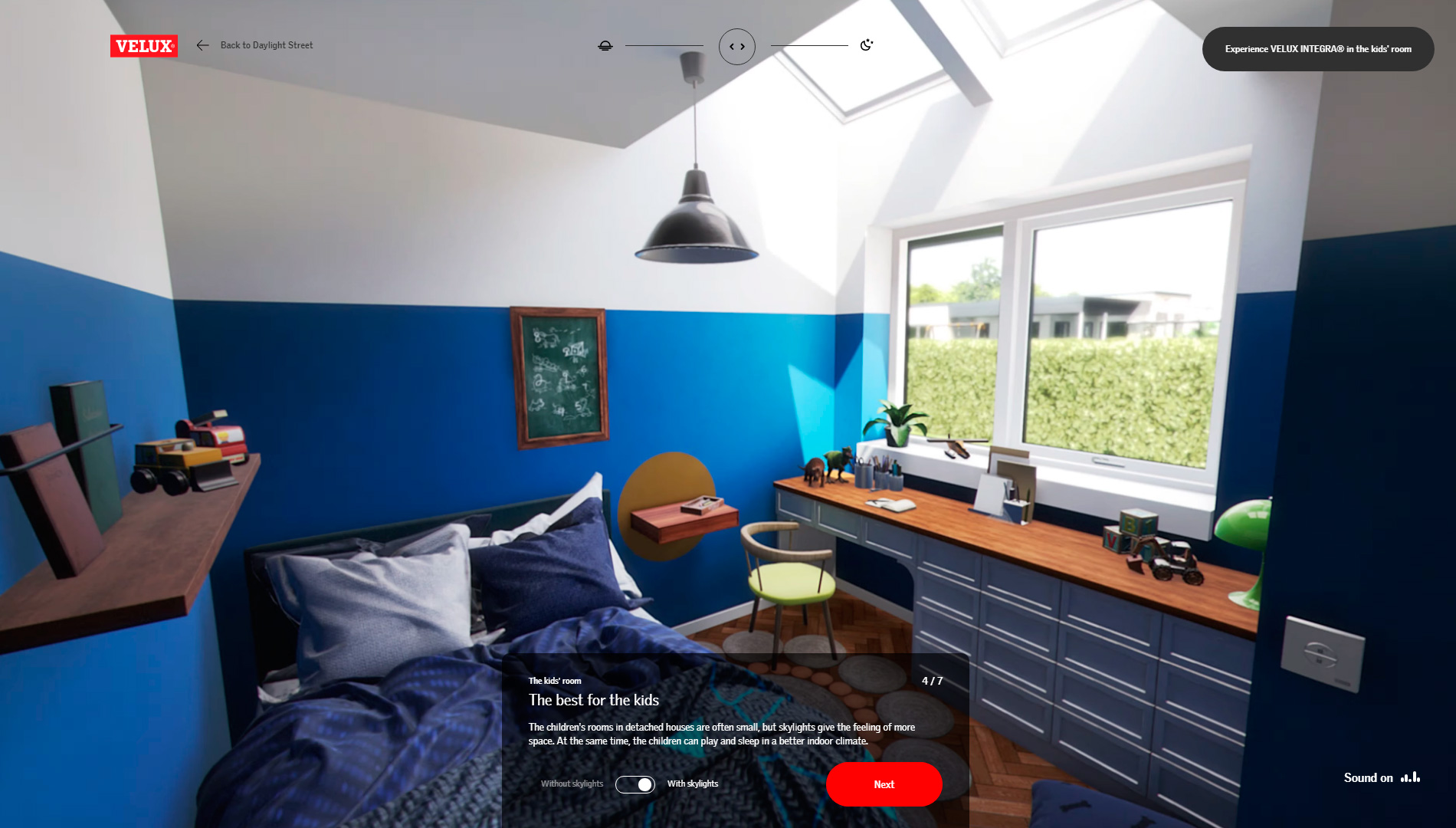
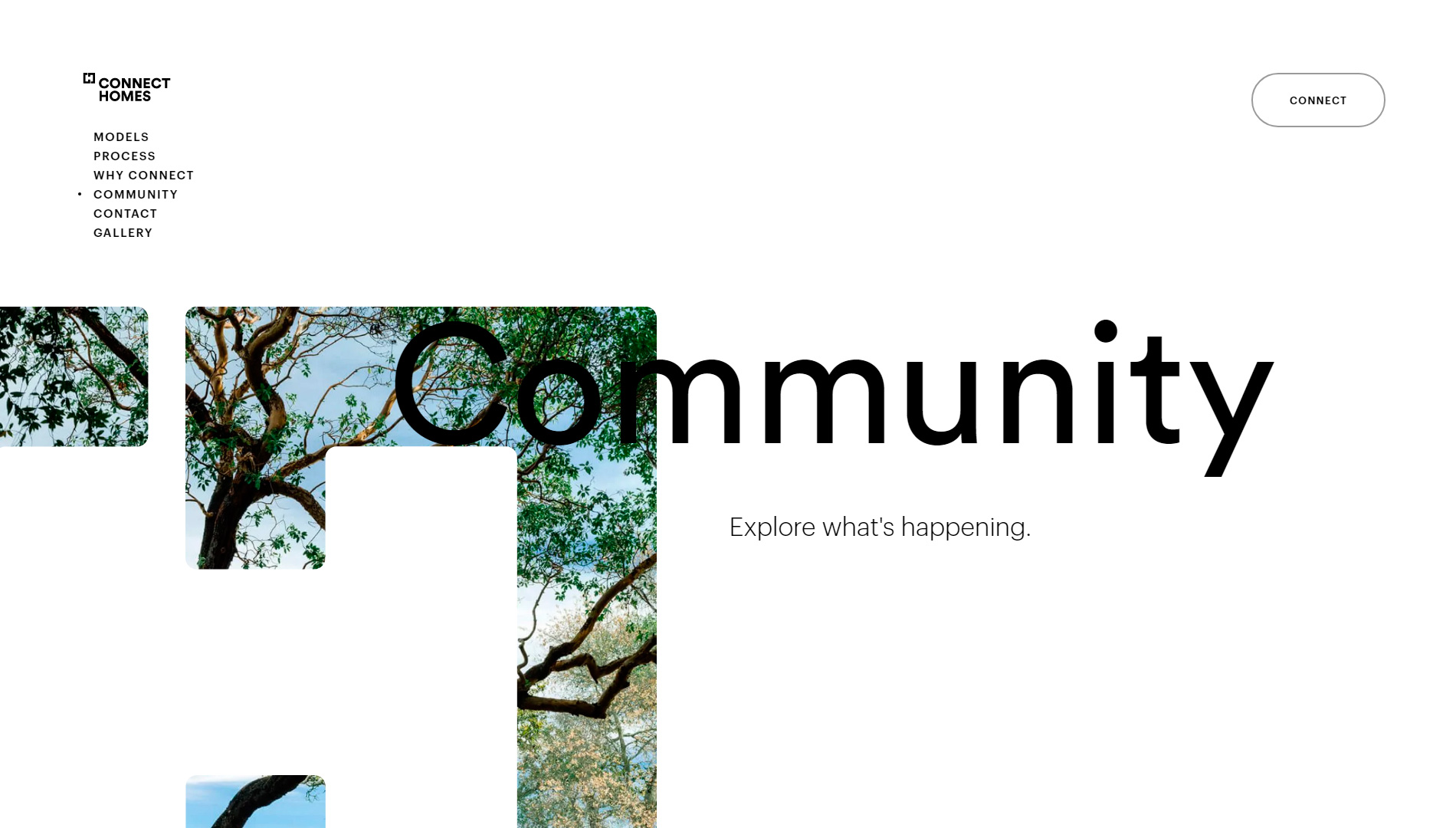
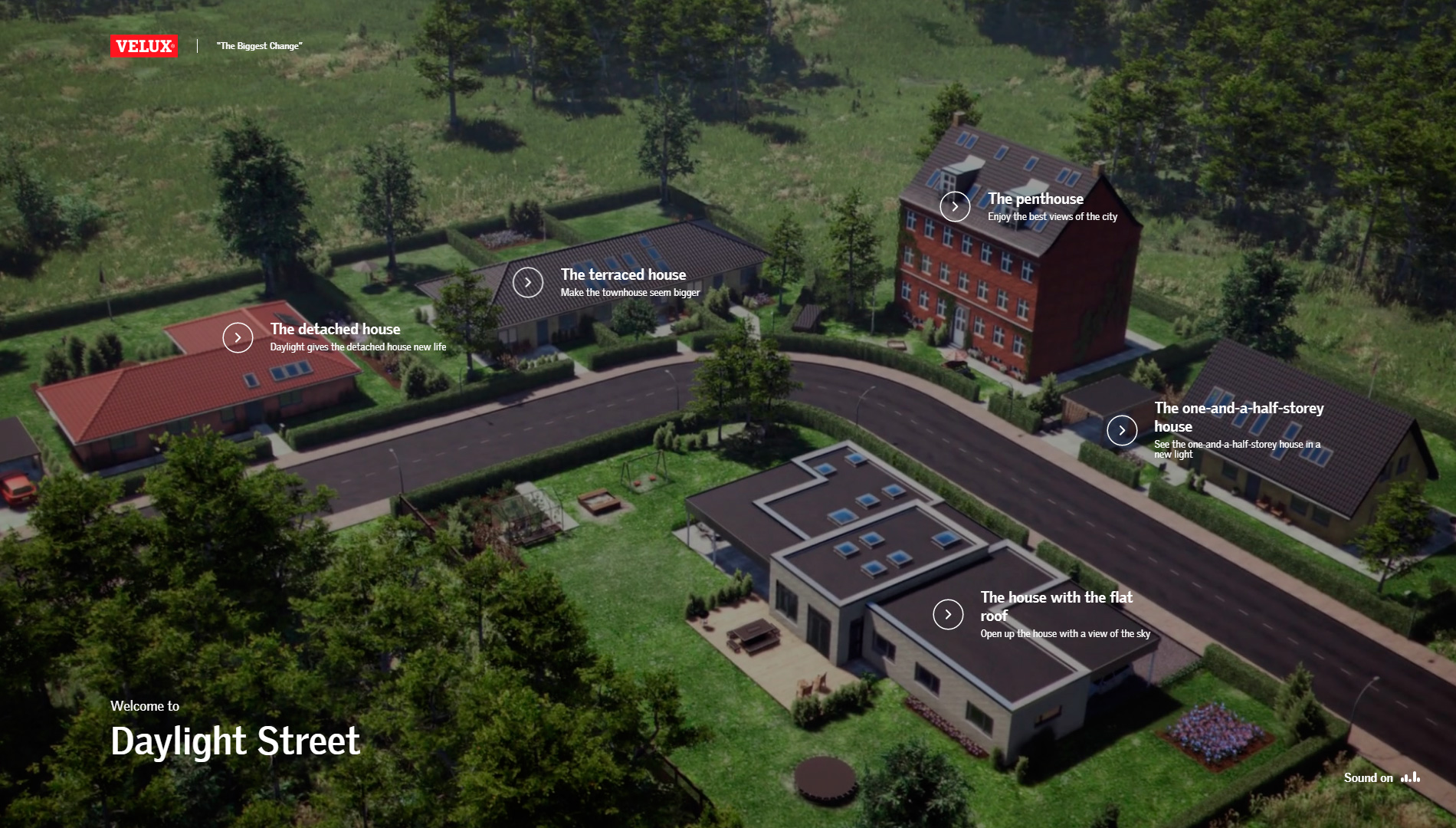
The final key ingredient in designing a website for architects is quality content.
Quality content means:
Text: Written with the right tone, informative, persuasive, and optimized for search engines.
Images: High-quality, relevant, informative, and SEO-optimized.
Videos: Short videos are almost a must for architecture websites—nothing conveys emotion and atmosphere like moving images.
3D Elements: Renderings and digital recreations of projects help visualize concepts that haven’t yet become reality.
Virtual Tours: As shown in some of our examples, virtual project tours are highly engaging. While not always budget-friendly, they can significantly enhance the perceived quality for future clients.
Conclusions:
We’ve outlined the key steps to designing a website for architects. If you follow these guidelines and work with skilled professionals for each aspect, your firm’s success will depend solely on the quality of your work.
This ensures that the clients who come to you will be as high-caliber as the work and dedication you put into your craft.
References:
To illustrate this article with real-world examples of architect website design, we’ve selected a series of sites you can visit at the following links:
[superfeatured]7329[/superfeatured]
More resources for architecture brands
Compare more references in our selection of the best architecture websites, our guide to websites for architects, and our review of architecture logo design. You can also explore the web design trends shaping 2026. From our web design agency in Barcelona, we create digital systems for architecture and design-led companies.