We continue our series, “8 Things You Should Know Before Designing a Website.” In this third installment, we’ll discuss whether you should implement a content management system (CMS) for your website or opt for a static website design and development.
We’ll give an overview of different content management systems and how they can streamline the process of developing a website.
- Should I do it myself, or hire a professional?
- Is what you want really what you need?
- Should your website be self-manageable, or static?
- Will the design and development be custom, or will you use a template?
- Have they completed similar projects to what you’re looking for?
- Do you love their portfolio and are you open to their guidance?
- Are you realistic about pricing and development timelines?
- Final thoughts
Should your website be self-manageable, or static?
Let’s start by briefly explaining what a content management system is, touch on the most popular options, and finally weigh the pros and cons of having a customizable website versus a static website.
Content Management Systems
Before diving in, here’s a quick summary of what a content management system (CMS) is.
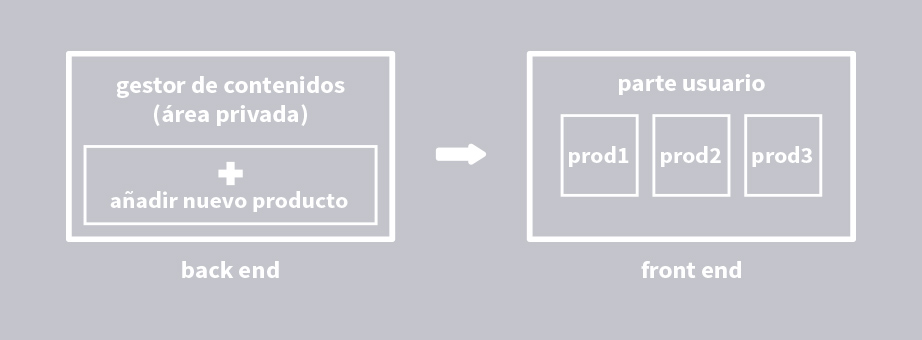
A CMS is essentially a private dashboard, hidden from the public side of your website. Only the site owner can access it. For example, you can update your blog, add products, projects, and more—all of which will be displayed on the public site with the web design you’ve created. The structure of your web design always remains intact.
When choosing a CMS, you have several options: you can use a custom-built system tailored to your website, or you can use an existing platform.
Using an existing CMS doesn’t mean your website has to be built with a template. Unfortunately, many people—including some “professionals”—assume that using a CMS means you have to use a template instead of creating a custom front-end design (the part users actually see).
A custom CMS can be just as good an option as an existing one, depending on your project’s needs. The main advantage of a custom CMS is that, if well developed, it can deliver better performance because it’s fully optimized for your specific requirements. The downside is that every feature must be developed from scratch, so the cost will be significantly higher.
Using an existing CMS helps reduce costs because the backend (the private management area) is already developed and can be easily extended with extra features. Plus, you’re not tied to the original developer or agency. For example, if your website is built on WordPress, and you later part ways with your developer, you can easily find another WordPress expert to provide ongoing support.
Leading Content Management Systems
The main CMS platforms are:
- WordPress—originally a blogging platform, now the leading CMS worldwide.
- Drupal—widely used and popular, though more complex and less user-friendly than WordPress.
- Joomla—also popular and widely used, but again, more complex and less user-friendly than WordPress.
When is a self-manageable website the right choice?
Having a CMS that lets you easily add products, services, or update your project portfolio means you can keep your website up to date without touching any code.
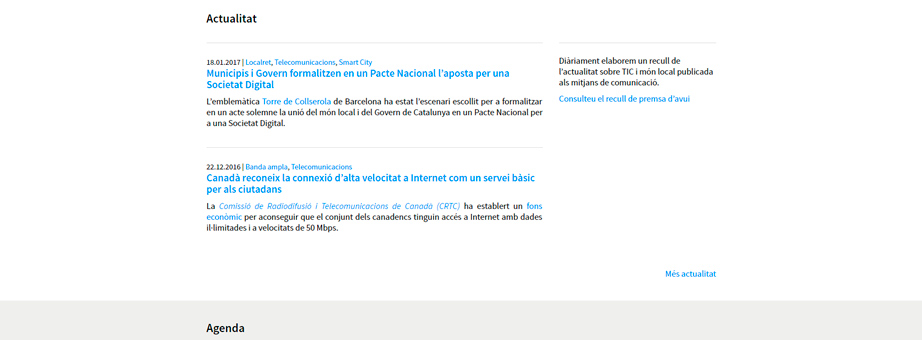
A web design that allows you to update content benefits both your clients—who can check out your latest news, updates, or blog posts—and your SEO. Regularly updated content is crucial for good search engine rankings. Publishing fresh content once or several times a week will help you climb the rankings, provided you have a solid content and keyword strategy.
Finally, you can choose to make all sections of your website self-manageable, or just select areas—helping you optimize development costs.
When is a static website the right choice?
The main reason to go for a static website is usually the need to establish an online presence with a moderate investment, the lack of need for frequent updates, or simply not wanting to commit to ongoing maintenance.
A static site is a great way to showcase your business and services to current clients. You can also include a map, contact details, and business hours.
You’ll present a much more professional image just by being online—as long as you have a well-designed website.
Summary
If you’re just starting out, want to keep your investment low, and your project allows for it, a static website is a good option—you can always add a CMS later. Simply having an attractive online presence is a great way to build your brand image.
If you want or need sections that will be updated regularly—like a blog, products, projects, or services—you should choose a self-manageable website. And if you want to compete in search engine rankings, in most cases, having a regularly updated website is essential.