Want to know how to take your company’s digital marketing strategy to the next level? Don’t miss this post dedicated to the top digital marketing trends for 2020.
We’ll walk you through the most relevant trends you should consider for your business, with real-world examples of companies already leveraging these digital marketing strategies.
Read on for our roundup of the must-know digital marketing trends for 2020.
Digital Marketing Trends 2020
1. Omnichannel Marketing
This term comes up a lot, but not everyone is clear on what it really means.
To explain it properly, it helps to compare it to Multichannel Marketing.
With a multichannel marketing strategy, you select several touchpoints—previously identified as key channels where your potential customers are active.
A simple example: your company uses Instagram to drive visitors to your website and an email marketing channel to send out promotions.
Omnichannel marketing, on the other hand, means being present on every possible channel available to you, and tailoring your content to each platform.
This approach lets you reach any user online, since data shows that buyers aren’t just on Facebook, Instagram, or reading promotional emails—they’re everywhere. Expanding your presence broadens your reach.
Here are some channels you should consider if you’re not already using them:
- Ephemeral video (like Facebook and Instagram Stories)
- Podcasts
- Mobile apps
- Live streaming
- Live chat
- SMS
- PR and press releases
- Offline advertising
- Direct mail
- Offline events
- Chatbots and virtual assistants
Companies embracing these digital marketing trends
Virgin Atlantic
Robert Fransgaard shared his remarkable experience with Virgin Atlantic’s omnichannel customer service.
He recounted a personalized interaction with a representative named Dan, who, after fielding Robert’s frustration over a missed engineer appointment, encouraged him to reach out directly for any future issues.
Instead of directing Robert to customer service or suggesting another tweet, Dan navigated the company’s various channels to deliver a personalized solution.
A personal touch like this can make all the difference, especially when it comes to turning around a negative customer experience.
Virgin is a leader in omnichannel marketing, and this story is a great example of what’s possible when all channels and employees work seamlessly together.
Oasis
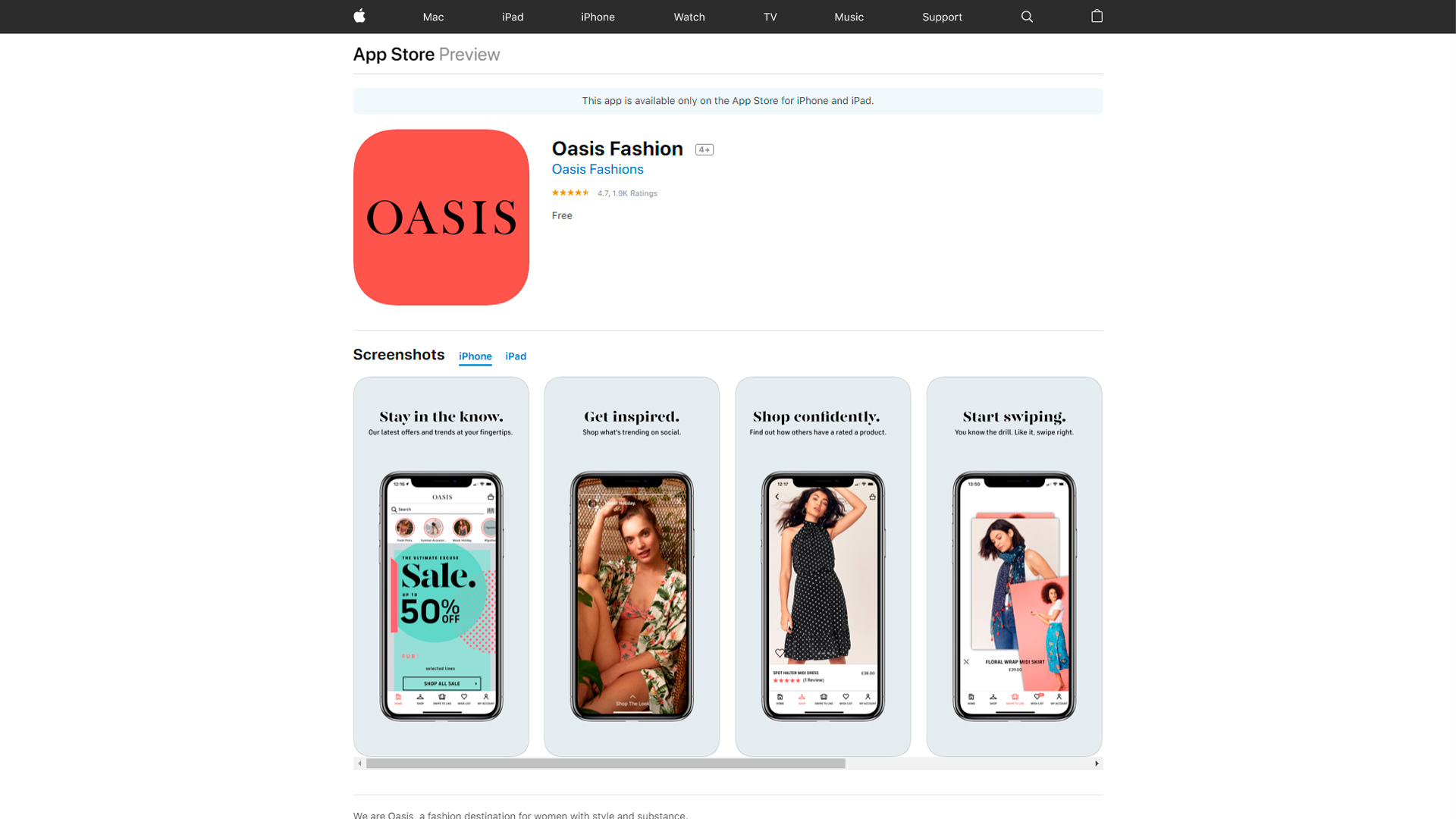
UK fashion retailer Oasis blends its e-commerce site, mobile app, and physical stores into one streamlined shopping experience.
In-store, sales associates are equipped with iPads to provide real-time, accurate product information. The iPad also doubles as a checkout, so associates can assist customers from anywhere in the store.
If an item is out of stock, staff can place an online order to have it shipped directly to the customer’s home.
Shoppers can also download the Oasis app to enhance their in-store or online shopping experience.
Starbucks
A quick look at the Starbucks Rewards app shows why it’s considered one of the best omnichannel experiences out there.
You get a free rewards card to use with every purchase. Unlike traditional loyalty programs, Starbucks lets you check and reload your card by phone, website, in-store, or via the app. Any changes to your card or profile are updated across all channels in real time.
Waiting in line and realize your balance is low? Reload instantly and the cashier will see the updated balance when you swipe your card.
Where you’ll see it
This digital marketing trend is most common among companies with deep market insight and significant operational capacity—being everywhere isn’t for everyone.
- Digital marketing trendsetters
- Companies with strong execution capabilities
- High-potential startups committed to their goals
2. Voice Search & Smart Speakers
The standout trend for 2020 is undoubtedly voice search. Every major company with an unstoppable marketing strategy is considering it.
It’s estimated that 50% of searches in 2020 will be voice-based. Thanks to new technology, users can now search for products or services just by speaking—no typing required.
This leads to a fascinating (and slightly daunting) reality: voice search typically returns a single result. If you tell your phone, “Order me a pizza,” it won’t give you the top five options—it’ll pick the best-ranked one.
The most popular voice assistants—Alexa, Siri, and Google—are getting more accurate every year, and the trend is for error rates to drop even further in the coming years.
Companies embracing these digital marketing trends
Patrón tequila
Helps consumers access personalized cocktail recipes.
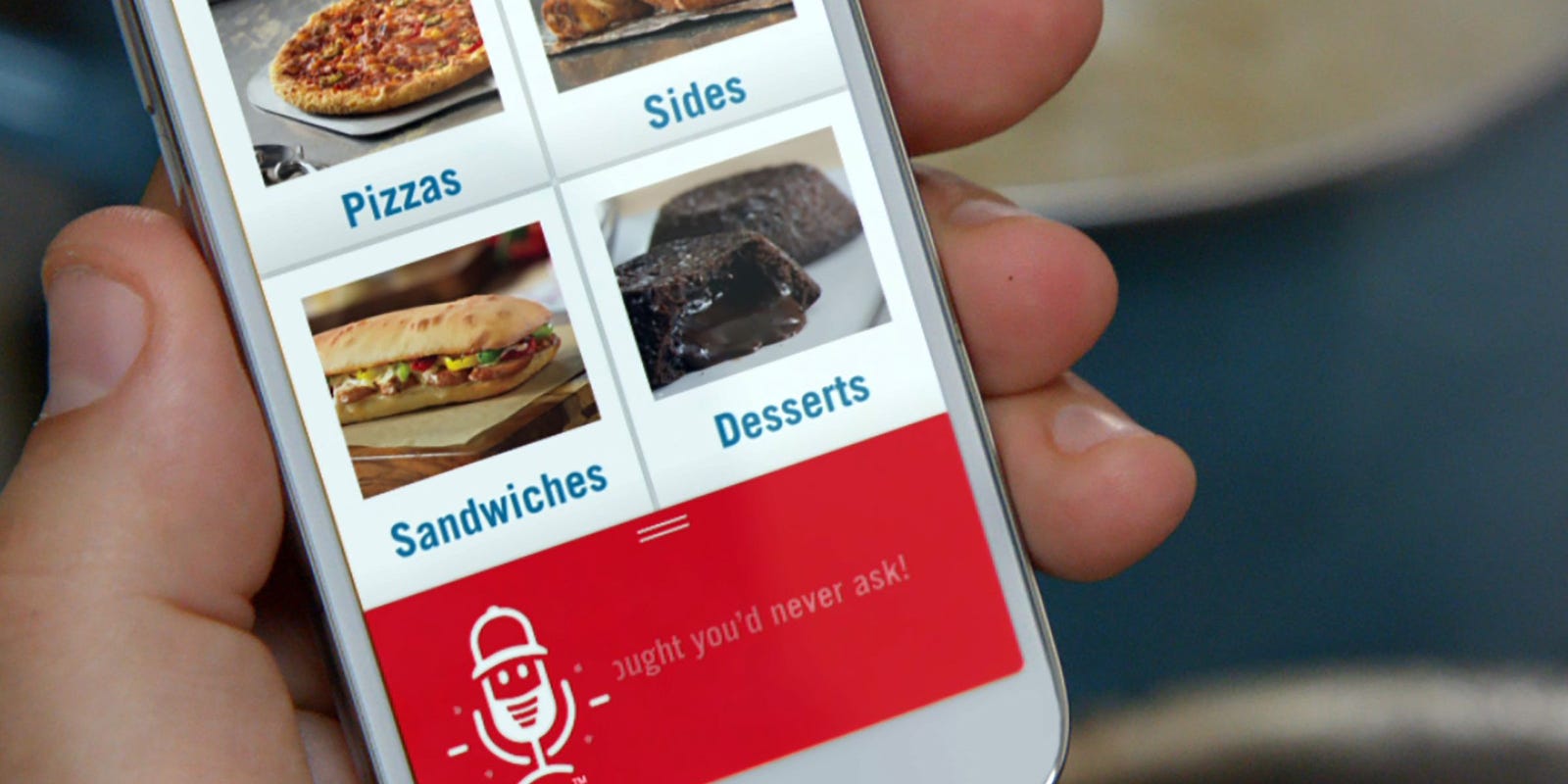
Domino’s
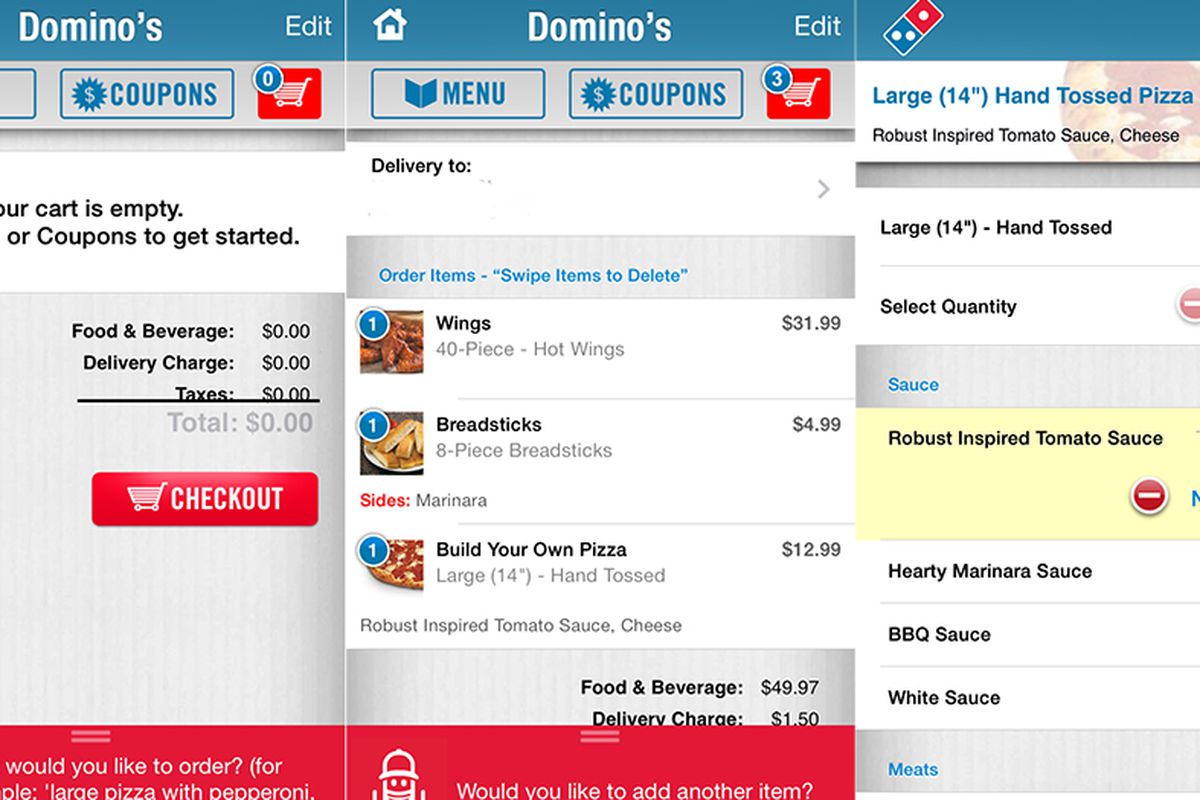
Lets pizza lovers order from the comfort of their couch—no need to pick up the phone or even go online.
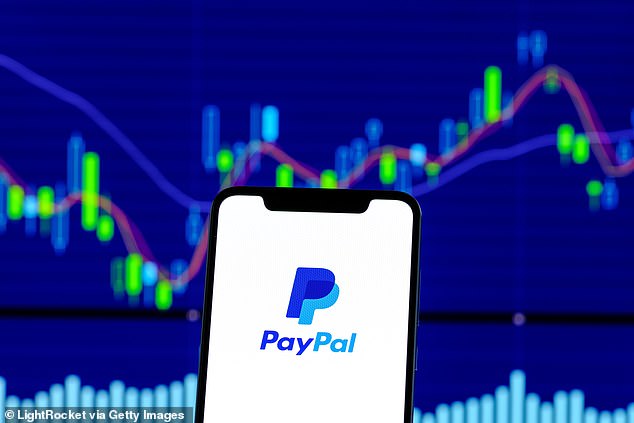
PayPal
PayPal now supports Siri, allowing users to send and request money using voice commands on iOS. The feature is available in 30 countries and works seamlessly.
Where you’ll see it
This digital marketing trend is currently most common in the services sector.
However, it’s expected to expand into other industries as the technology matures.
- Food delivery
- Service searches
- Basic financial transactions
- Recommendations
3. Visual Search
Another trend set to make waves in 2020 is visual search in digital marketing.
Visual search takes user experience to the next level, letting people upload an image to a search engine and find specific results related to that image.
Pinterest was a pioneer here and leads the way among companies using this digital marketing strategy.
They’ve introduced a tool that lets users snap a photo of an object and instantly see where they can buy it online.
Companies embracing these digital marketing trends
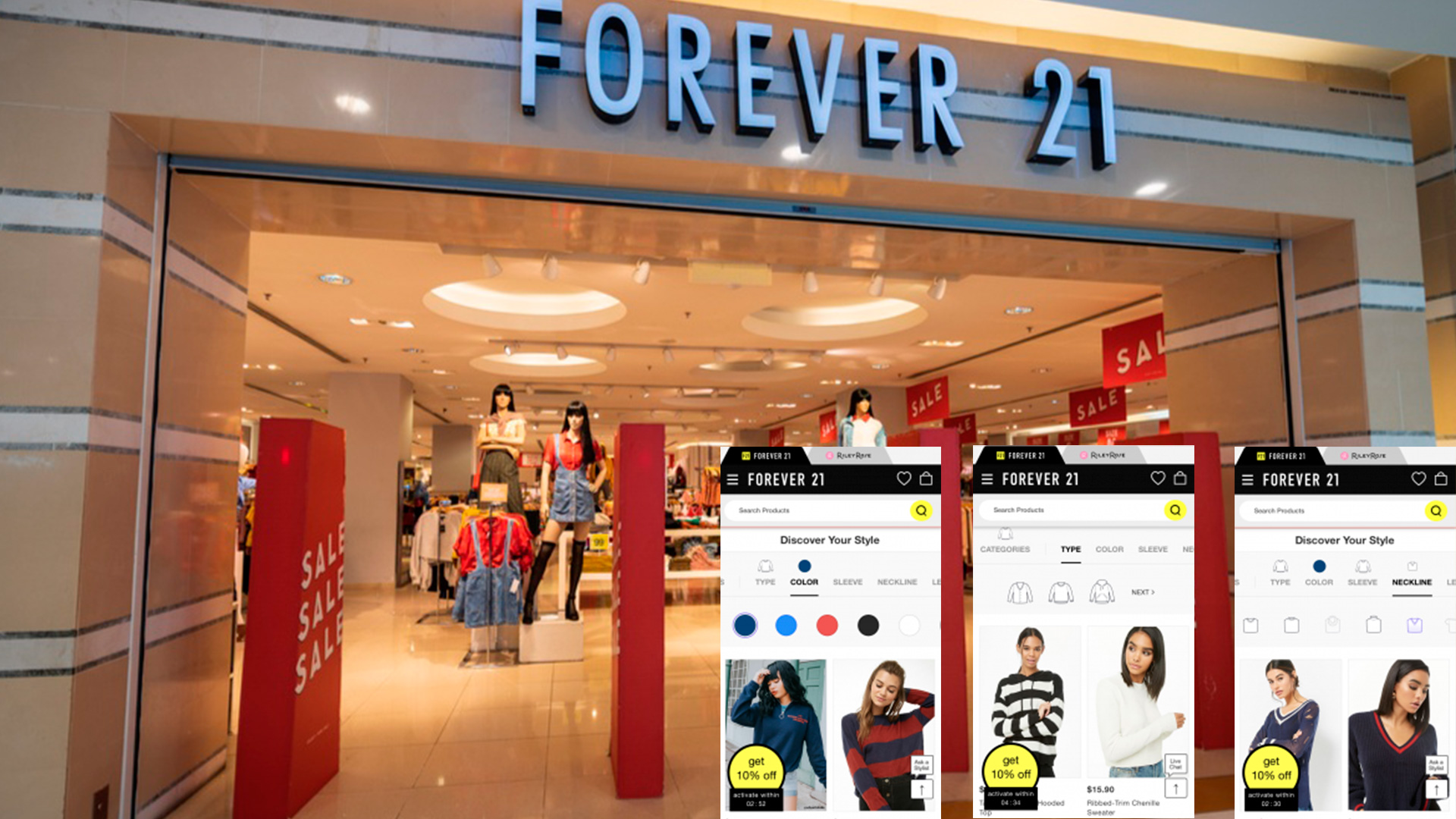
Forever 21
Launched this feature in its app for dresses and tops in May. The following month, they saw a 20% increase in average order value for those categories, plus a boost in sales conversions. The company then accelerated efforts to integrate Visual Search into its website. By late August, the “Discover Your Style” visual search was available for all women’s apparel.
To build this Visual Search, Forever 21 partnered with WhereSearch, whose B2B platform algorithm mimics how shoppers think about products to improve recommendations. The platform uses artificial intelligence, computer vision, and natural language processing.
Google is an obvious example when it comes to Visual Search. Google Images offers a “search by image” feature, and the Google Lens mobile app lets Android users search visually by simply pointing their camera at an object.
Google first launched a Visual Search app in 2009 called Google Goggles, which was discontinued earlier this year. The current AI-powered Google Lens combines computer vision and natural language processing with search engine capabilities.
When users point the app at objects, colored dots appear to show what Google has detected. Tapping a dot brings up a window with more information about the object—brand, creator, author, price, and so on.
Google says Lens can identify clothing and home goods, barcodes, business cards, books, event flyers, landmarks/buildings, museum paintings, plants, and animals. When users scan clothing, Lens finds online listings for the same or similar products. For business cards, Lens saves the info as a new contact. For event flyers, it adds the event to the user’s calendar. Scanning a plant or animal brings up details about the species or breed.
Google Lens is now built into 10 Android phones via a camera app button. Other Android users can access it through Google Assistant. Apple users can use Google Lens visual search on existing photos via Google Photos.
Snapchat
Snapchat lets users search Amazon in real time by pointing their camera at a product.
When users press on an object in Snapchat’s camera, it generates a thumbnail of that product’s Amazon page. Users can tap the thumbnail to open the Amazon page in the app or mobile site.
Snapchat identifies the object, and Amazon finds its unique identifiers to search product listings.
In this example video by Josh Constine of TechCrunch, a Snapchat user scans a sneaker and a product page for shoes appears. Another user scans a foundation bottle’s barcode and sees multiple Amazon listings within Snapchat.
Forbes reported that Snapchat’s tool could help make visual search mainstream by making it more intuitive—and could further normalize social commerce.
Where you’ll see it
This marketing strategy is especially recommended for businesses in:
- Fashion
- Home decor
- Art
- Food
- Consumer products
- Pets
- Apparel
- Beauty
- Vehicles
- Travel
4. Augmented Reality (AR) & Immersive Technologies
Augmented reality and immersive tech have been buzzwords for a while now.
Year after year, these technologies are growing exponentially in potential and capability, making it possible to incorporate AR and immersive experiences into your digital marketing strategy.
Some studies predict that by 2020, 70% of companies will use immersive experiences to showcase and sell products.
While virtual reality is making headlines, experts say augmented reality will continue to outpace it in market adoption for the next few years.
Companies embracing these digital marketing trends
Sephora
Offers digital makeovers so you can try the latest styles and looks. Virtual makeup lets you find the perfect foundation, palettes, lipstick, and more for your personal style.
Virtual Makeover: Try a new look with just a few taps.
Sephora Virtual Artist provides pro tips and fresh makeup advice tailored to your style.
Ikea
Available on the App Store*, IKEA Place lets you virtually ‘place’ furnishings in your space. From sofas and lamps to rugs and tables, all IKEA Place products are 3D and true to scale, so you can be sure they’re the right fit, style, and function for your room.
U.S Army
WASHINGTON (Army News Service) – A new technology called “Tactical Augmented Reality,” or TAR, is now helping soldiers pinpoint their own locations, as well as those of allies and enemies, according to Richard Nabors.
It even enables night vision—all through a head-mounted display that looks like night-vision goggles (NVG). In essence, TAR replaces NVG and GPS, and does much more.
Currently, most soldiers use a portable GPS system that approximates their position, but only if the device is geo-registered to their location.
Geo-registration is the alignment of an observed image with a geodetically calibrated reference image.
Where you’ll see it
This digital marketing trend is especially prevalent among companies focused on new technologies for young, dynamic audiences or with specific technical needs.
- Fashion
- Home decor
- Art
- Food
- Consumer products
- Pets
- Apparel
- Beauty
- Vehicles
- Travel
5. Content Marketing Continues to Dominate SEO
This isn’t just a trend—it’s a marathon. Content creation has been a digital marketing strategy ever since SEO began.
Year after year, it tops the list of digital marketing trends because it never goes away—in fact, it only gets stronger.
Content creation continues to drive SEO. While the latest Google algorithm updates are still being analyzed, investing in content remains one of the best ways to get results.
It also builds trust with potential buyers. The key trend: content must be increasingly personalized for your audience.
Companies embracing these digital marketing trends
Make-A-Wish
It’s not just major consumer brands that inspire with great content marketing examples. The Make-A-Wish Foundation is a nonprofit that creates unique, memorable experiences for children facing life-threatening illnesses like cancer. Even nonprofits need to promote their work in compelling ways to attract donors, volunteers, and supporters.
Make-A-Wish Greater Bay Area partnered with the city of San Francisco to grant a child’s wish. Young Miles, battling leukemia, wanted to be Batman. The foundation made his dream come true in spectacular fashion, captured in a short documentary film. Get your tissues ready!
Coca-Cola’s “Share a Coke”
Coca-Cola has launched marketing campaigns that forge emotional connections with its massive audience.
The “Share a Coke” campaign lets every Coke fan personalize their drink. People can customize bottles with their name on Coca-Cola’s website or hunt for their name (or a friend’s) on a bottle at the gas station or supermarket. The campaign quickly went viral as consumers posted photos of their personalized drinks online.
Burberry’s Kisses Campaign
With the app, you can choose your kiss color and even redo it if you don’t like the look.
The Burberry Kisses campaign was