We visit countless websites every day, yet many still lack an effective call to action strategy in their web design and web development. In this article, I’ll try to shed some light on this essential tool.
An effective call to action strategy
The interaction between users and machines is becoming increasingly seamless—and this trend is only going to continue.
Staying up to date on this topic is crucial. It can mean the difference between your company’s success or failure.

The early days of websites
A lot has changed since the first websites—they were pioneering, but not very interactive.
Back then, we were happy with anything. But just as language has evolved over millennia, so has digital language.
Today
Now, our web designs need to include elements that encourage users to take actions that benefit both them and us.
Of course, we’re the ones most interested in getting that user click.
But ultimately, our goal is to make the journey through our website as easy as possible.
Types of call to action
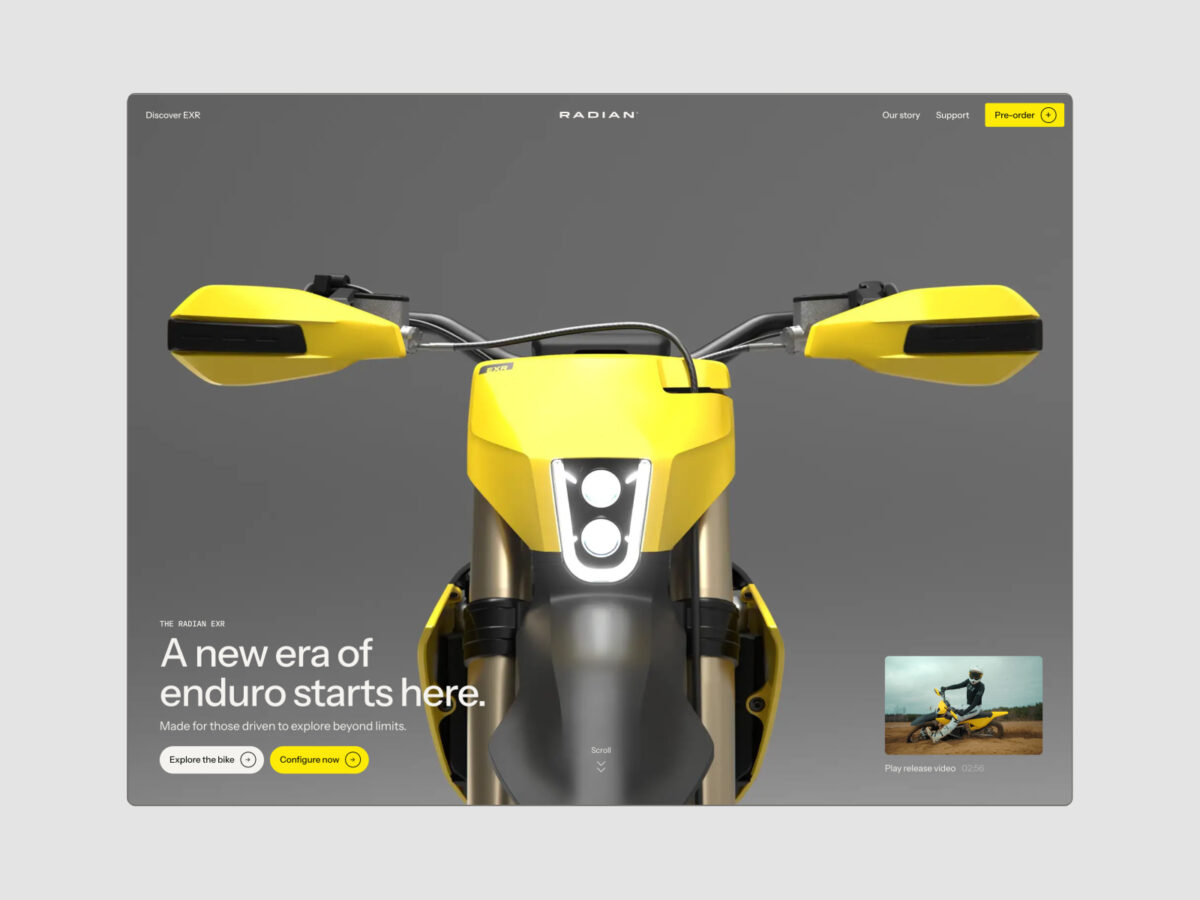
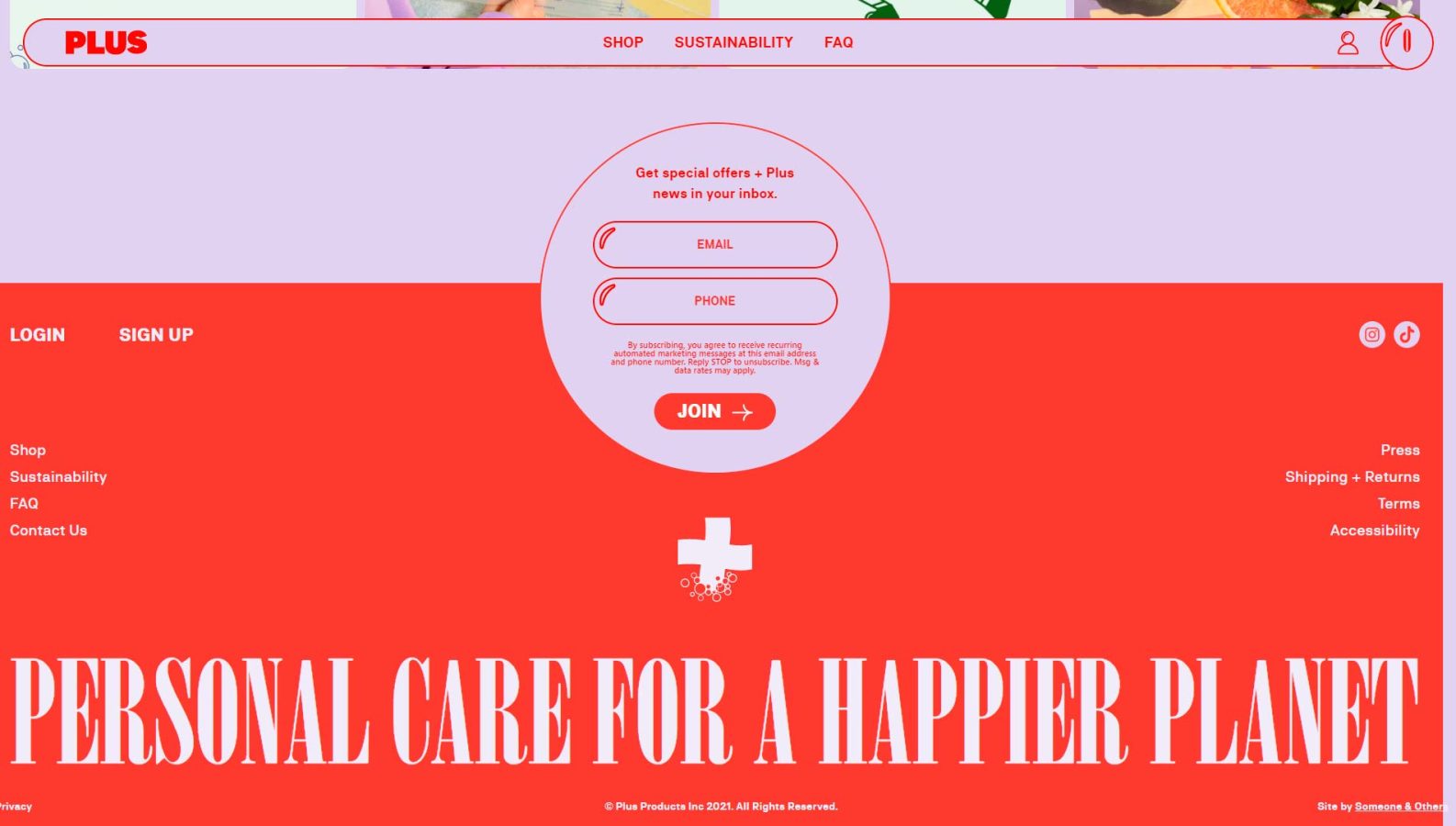
There are many types of call to action on modern websites. A contact form is the most obvious example, but it’s neither the best nor the most current.
After all, submitting a contact form requires effort—and we have to assume the user isn’t always eager to do so.
Calls to action have evolved so that with a single click, users can do a wide range of things.
When crafting the text for a call to action, keep a few key principles in mind.
First, make sure your message is active—aim for assertive, clear communication.
If you get it right, users will actually respond to your prompts.
There’s a big difference between a call to action that says:
“If you liked this, give it a click” and “Click to discover more great articles.”

As you can see, both phrases are similar, but one is much more positive and direct.
Your website design should include elements that encourage the user to explore and navigate your site.
With effective calls to action, you’ll keep communication flowing between you and your users, and you’ll increase clicks that lead them to the information they need.
Attractive
Designing your website to be visually appealing is a must—and the same goes for your call to action buttons.
You need to grab the user’s attention.
Useful
Content matters too. It’s not just about the packaging—the information must be valuable. The destination of your call to action should be interesting for both you and your users—a true win-win.
Copy
As mentioned, your copy should be positive and assertive—nothing more, nothing less.
With these principles in mind, you’re ready to start building your marketing strategy with the call to action as a key factor.