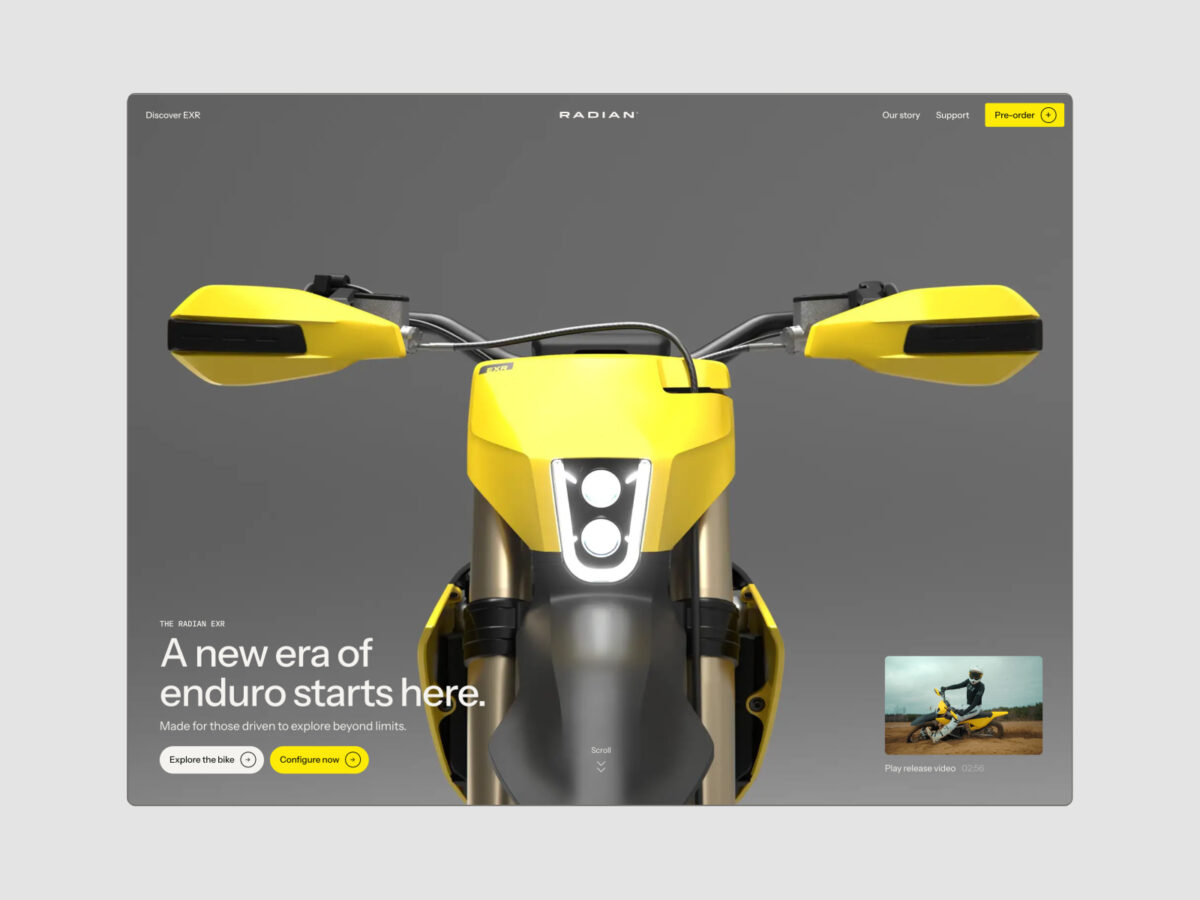
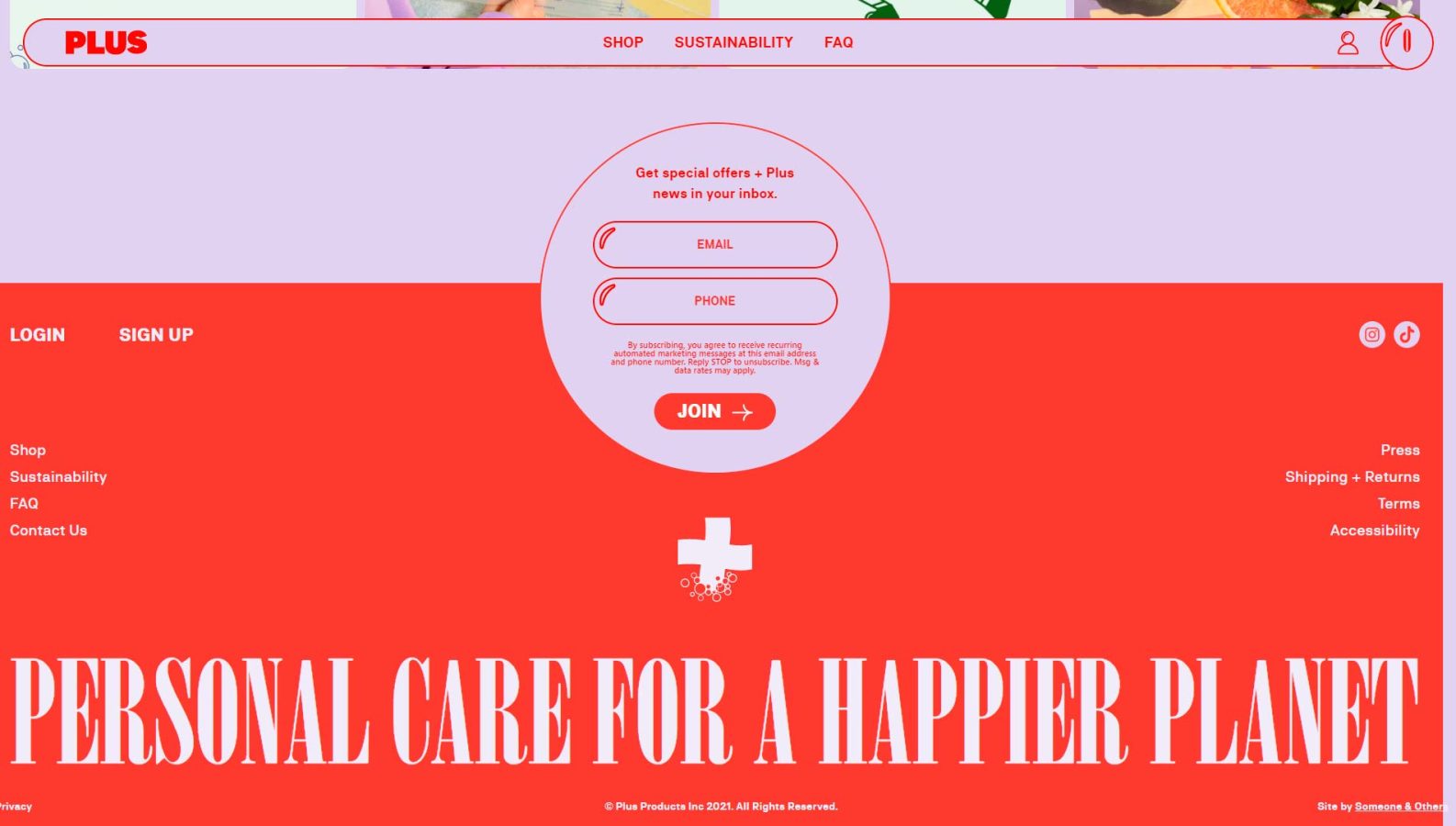
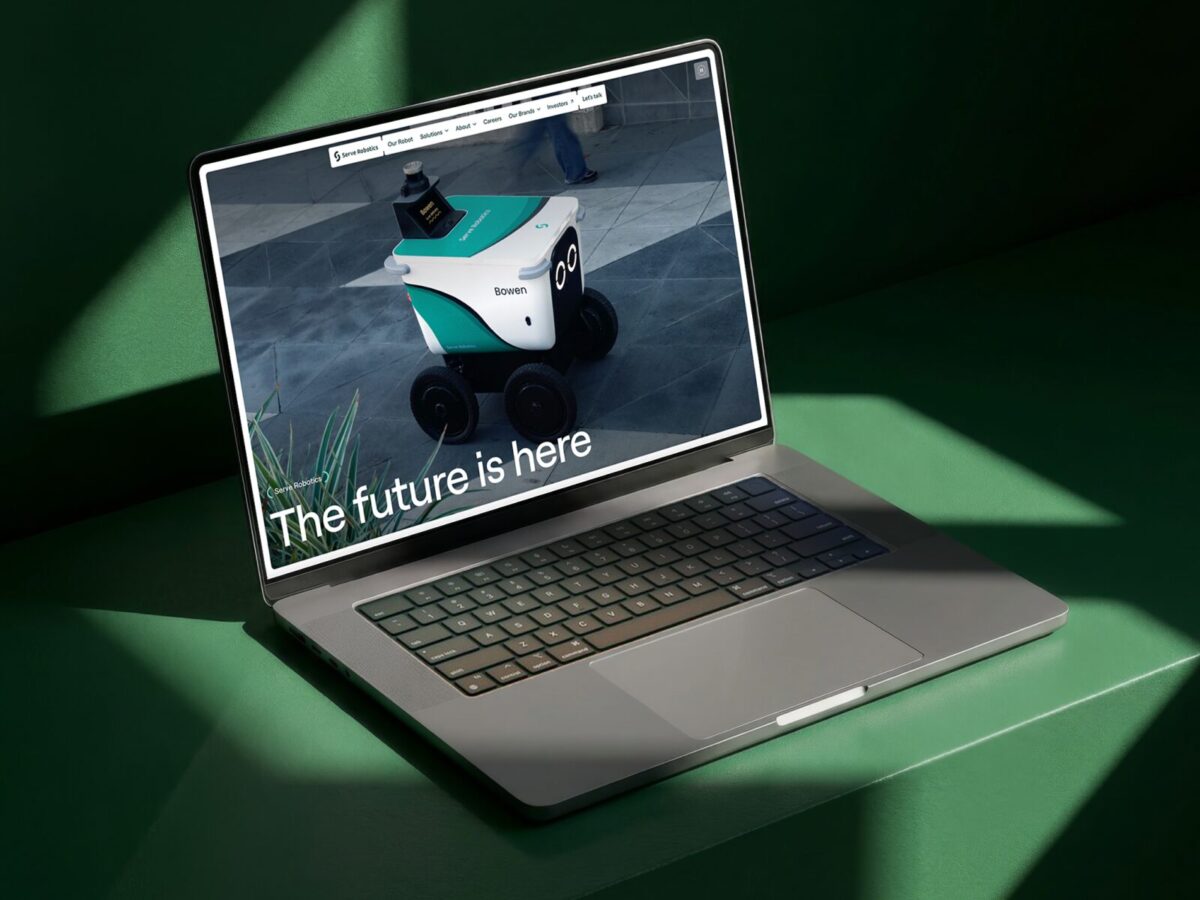
Why we say NO to templates
It’s not common for a potential client to ask what, for some graphic design and communication studios, is “the dreaded question.”
In the world of web design, while there’s no shortage of information about how a project can be developed, it’s often the case that the task of finding the right studio to design their new website falls to someone without a background in web design. Naturally, they’re looking for a studio that not only designs and builds the website, but also provides honest, transparent guidance throughout the process—a point that, unfortunately, is sometimes overlooked.
We’ve heard more than a few stories from clients disappointed by the lack of transparency from some graphic and web design studios who “designed” their new website using a template—without ever making it clear that this was how the project would be handled. In the worst (and not uncommon) cases, the price quoted is the same as, or even higher than, a truly custom design and development!
But first, let’s clarify what we mean by designing a website using a template or theme.
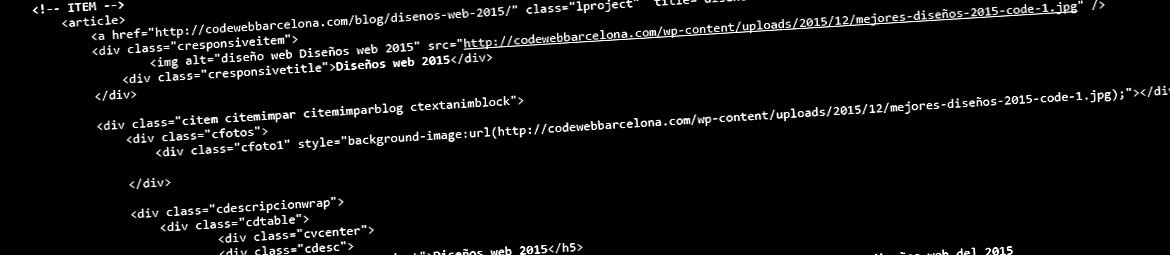
When developing a website, there are several approaches:
- Design and build the site from scratch. This could mean using an existing content management system like WordPress, Drupal, Joomla, etc., or creating a custom solution. The design is unique, tailored specifically for the company.
- Purchase a pre-made template, copy and paste the client’s content, and deliver the site. Sometimes, studios might tweak a few things—change some colors, adjust the layout a bit—but in many cases, clients aren’t told that their new website is being built this way.
As surprising as it may seem, unfortunately, this last approach is all too common in the web design industry.
Even more surprising: it’s not unusual to see this happen with globally recognized companies looking for a new website.
A few questions you might have:
Where do these templates come from?
There are thousands available here: http://themeforest.net/
But aren’t they free, or at least expensive? I mean, if the template creators have already done most of the work…
They typically start at around €65.
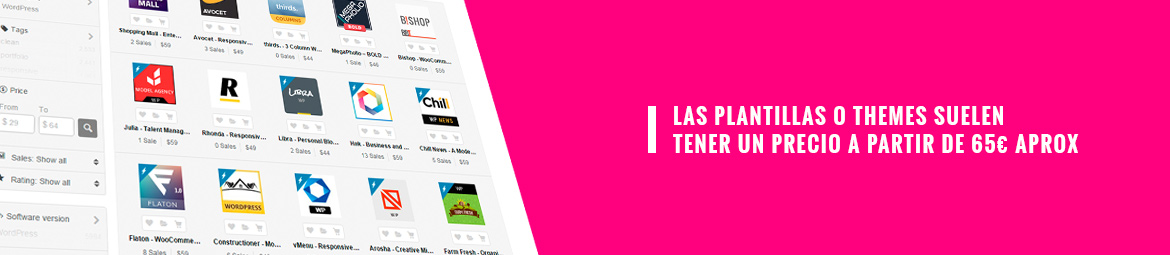
If you do the math, it’s clear that, financially, this is a profitable model: the studio pays €65 for a nearly finished website, maybe changes the text, font colors, rearranges a few elements… and then charges the client whatever was agreed.
Why do we refuse to work with templates?
- Ethics: As a graphic or web design studio, clients expect a custom design, created specifically for their business. Where’s the professional integrity in delivering a template? It’s like hiring a tailor for a bespoke suit, only to have them buy one off the rack, make a couple of minor adjustments, and then sell it to you at twenty times the price.
- Creativity: Designing with a template is creatively limiting. We’re a graphic design studio—creativity is our job. Let’s act like it.
- Personality: A template-based design can never compare to a truly custom solution. With a bespoke design, you can play with elements and truly capture the brand’s essence in the website itself.
- Control: Building from scratch gives you complete freedom to create, undo, or modify anything, without limitations.
- Personal satisfaction: Last but not least, we believe great design comes from the heart. You have to see your next project as your next masterpiece. Otherwise, it’s like Picasso coloring in someone else’s sketches.

When is it acceptable to use templates?
While this isn’t our preferred approach, we’re not here to demonize anyone who uses templates. There are situations where, in our opinion, using a template can be somewhat justified:
- The client is informed: The client knows from the outset that their site will be built using a template and agrees to it.
- Limited budget: The client needs a website at a lower price point. This is often the case for small businesses that can’t afford a custom design and build. Still, it’s essential to be upfront about the use of a template.
- Some customization is included: The design isn’t left as-is with just a copy/paste of content. Colors, layouts, and other elements are adjusted to better fit the client’s needs.
- It’s not for a major brand: Simply put, if you’re working for a major brand, don’t use a template—no further explanation needed.
- It’s not the studio’s own website: It may sound unbelievable, but MANY graphic and web design studios have their OWN website built on a template. In our view, this should be unacceptable for any professional team.