When web design shines a light on the hidden stories of the justice system
In our featured web design of the week section, we spotlight digital projects that are not only visually striking but also show how great user experience can transform our understanding of the world. Today, our focus is on Flashlights, a project by Tubik Studio in collaboration with the Jailhouse Lawyers Initiative at NYU School of Law.
Flashlights is an interactive section within an existing website that tells the story and impact of jailhouse lawyers: incarcerated individuals who, without formal legal training, taught themselves the law and became legal advocates within the prison system. The challenge was immense: to transform dense, historical, and legal content into an experience that was clear, accessible, and emotionally compelling.
The result is a standout example of what a web design agency can achieve when UI/UX, motion design, graphic design, and development come together under a unified narrative vision. For studios like ours in Barcelona, specializing in web design, digital branding, and interactive storytelling, Flashlights is a benchmark project.
Who’s behind it: Tubik Studio and a team of digital experience specialists
Flashlights is the work of Tubik Studio, an international studio renowned for its concept-driven digital products. The project brings together a multidisciplinary team, demonstrating that high-level web design is always a collective effort.
- Direction and overall concept: Vladyslav Taran.
- UI/UX design: Daria Tsehelna and Artem Meshkov.
- Development & Webflow: Oleksii Dubrov.
- Graphic design: Maryna Solomennykova.
- Motion design: Ladamyra Kuntysia.
- Project management: Anastasiia Ostapenko.
The fact that the studio openly credits its team speaks volumes about its culture: this isn’t just a “pretty website,” but the result of coordinated collaboration across design, content, technology, and management—a must for any complex web project for institutions, NGOs, or cultural initiatives.
The challenge: distilling a complex historical narrative into a navigable experience
The Jailhouse Lawyers Initiative had a vast trove of information: dates, cases, legal milestones, biographies, quotes, academic resources—a rich narrative, but overwhelming for the general public. Tubik’s brief was clear: create a section within the existing site that would serve as an interactive historical journey, without overwhelming users or disrupting the site’s overall design.
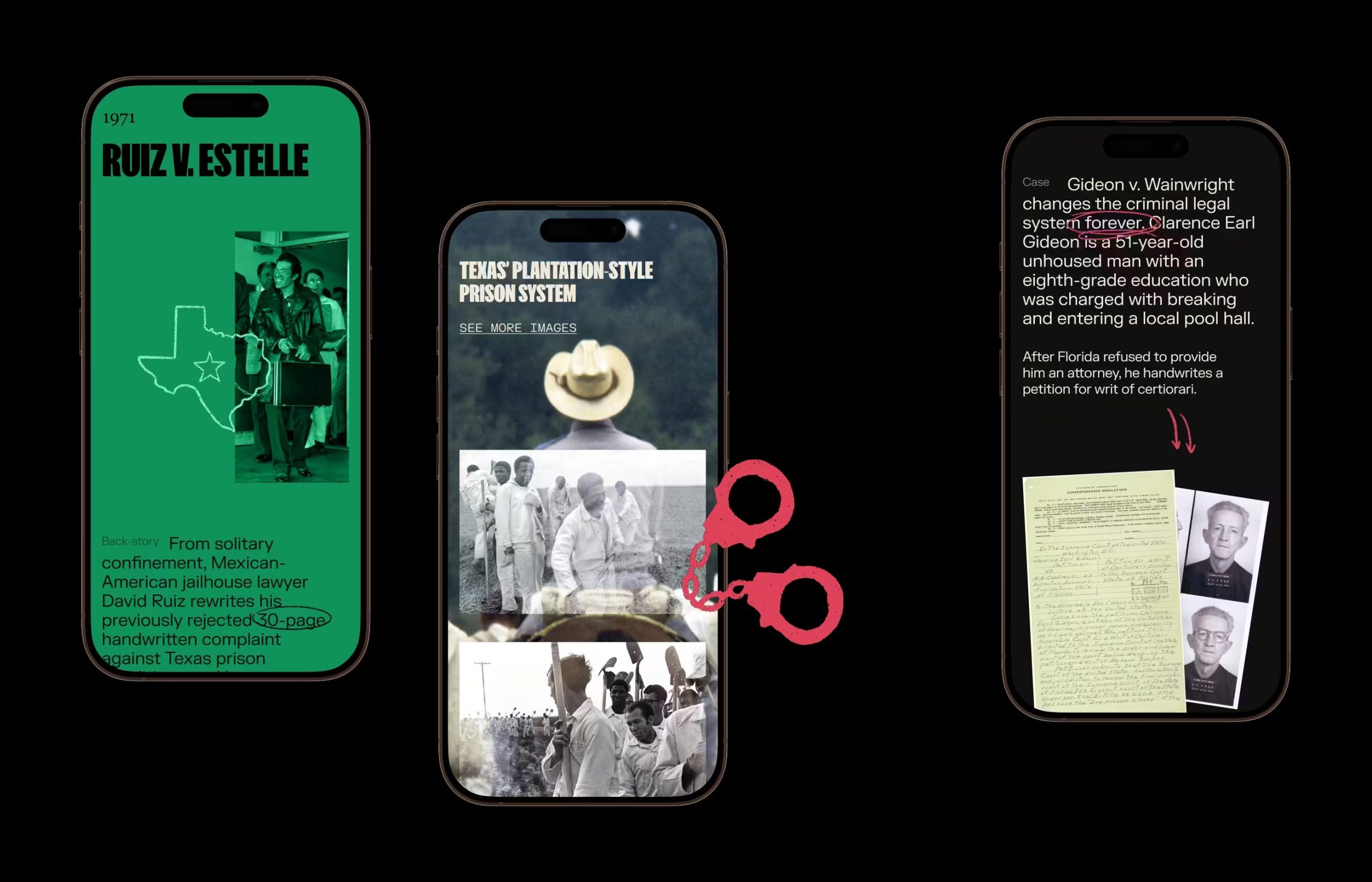
There were also technical constraints: the section needed to fit seamlessly into a pre-existing Webflow structure, respecting the core identity while introducing its own visual personality. The team also had to manage a large volume of images and resources, ensuring fast load times and compatibility with modern browsers.
From a digital strategy perspective, the challenge can be summed up in one phrase: turning information into experience. And that’s exactly where Flashlights excels.
Visual design: a living archive meets activist poster art
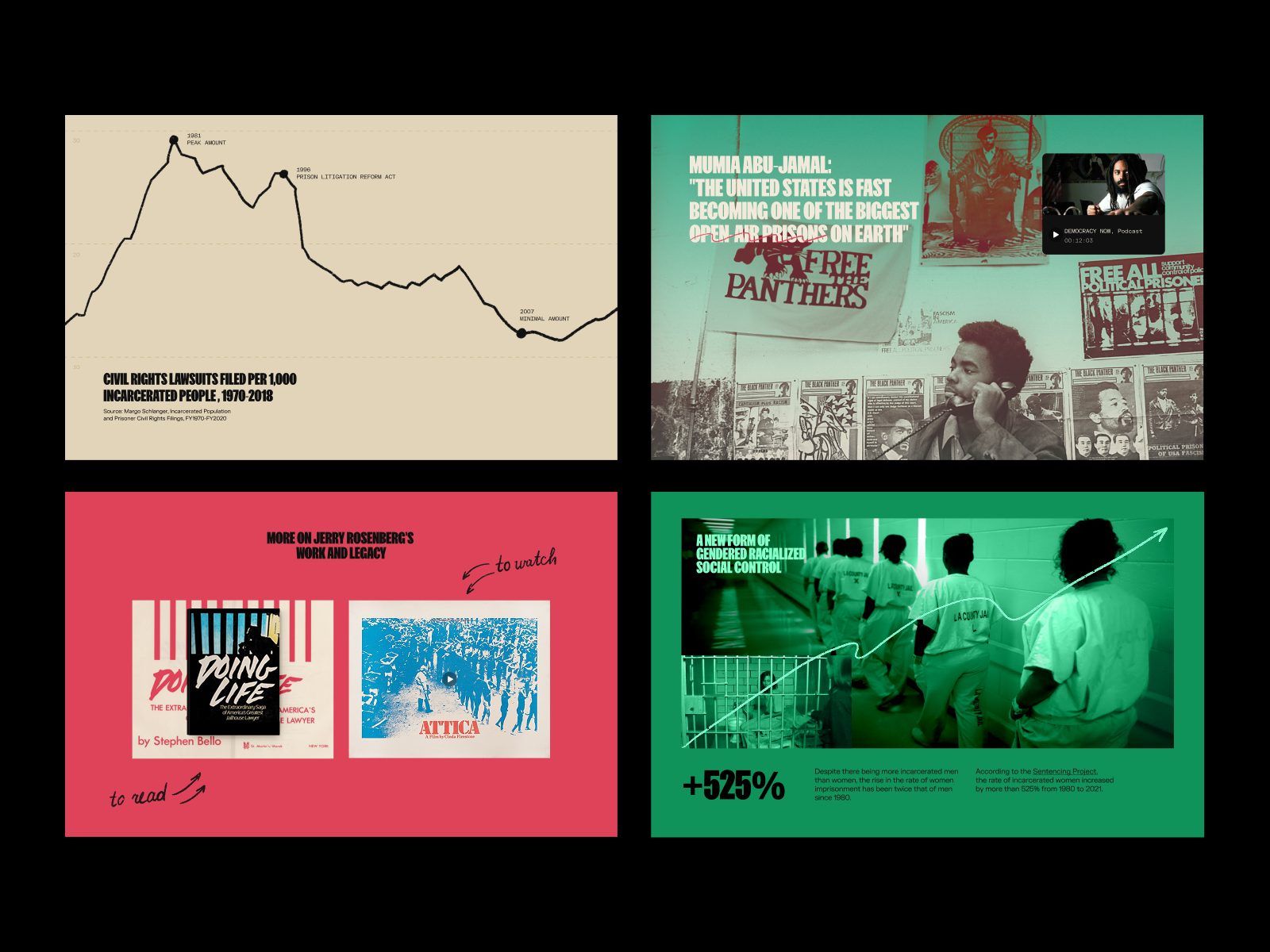
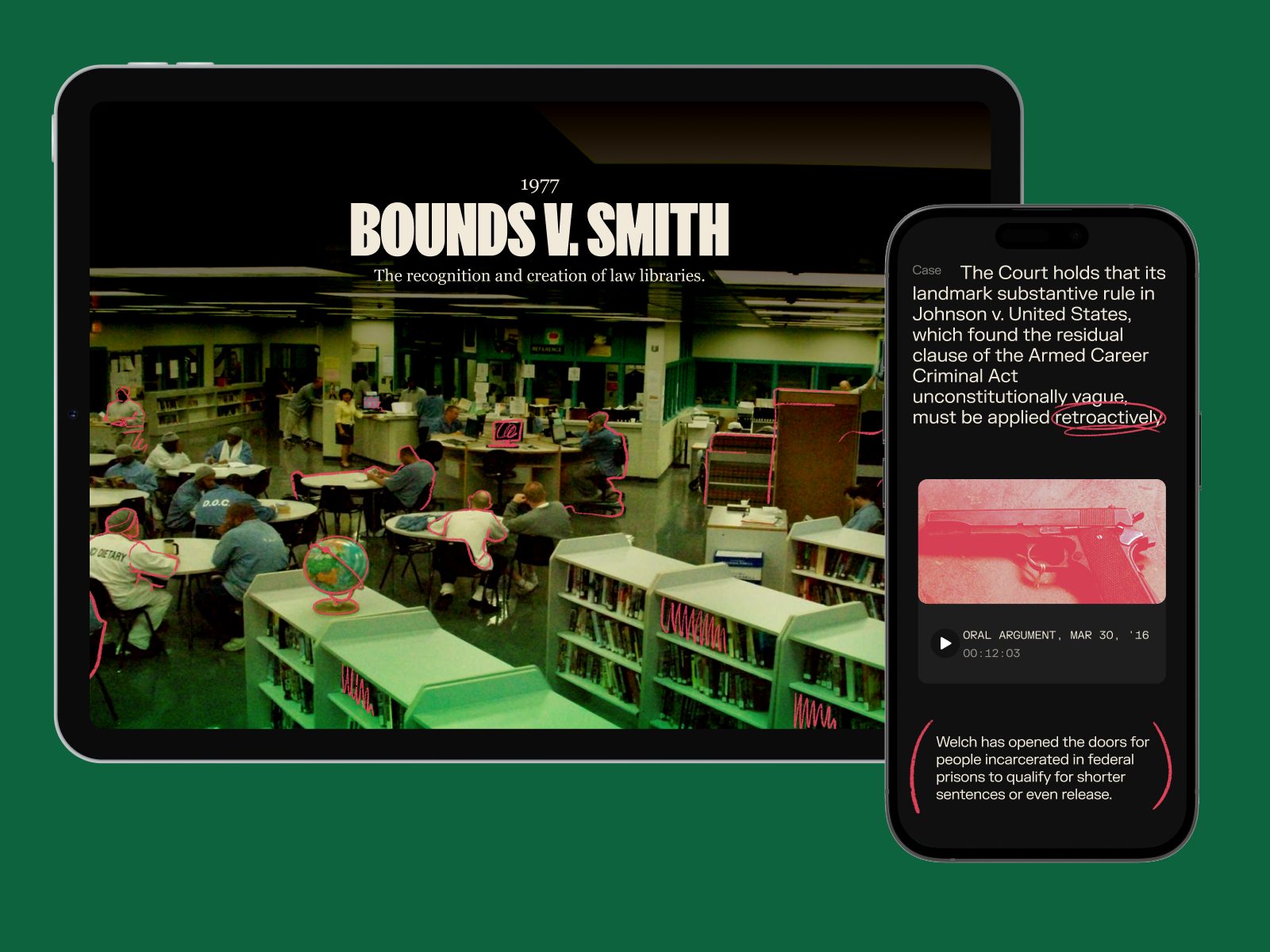
Flashlights’ visual language draws inspiration from vintage posters, collages, newspaper clippings, archival photos, and handwritten notes. The result is a look that feels both documentary and emotional: this isn’t your typical corporate website, but a kind of digital mural in motion.
The color palette is built around two main shades highlighted by Awwwards: #F1EADA, a warm ivory reminiscent of aged paper, and #DF4359, a bold red used for headlines, details, and emphasis. Together, they evoke both historical memory and activist energy.
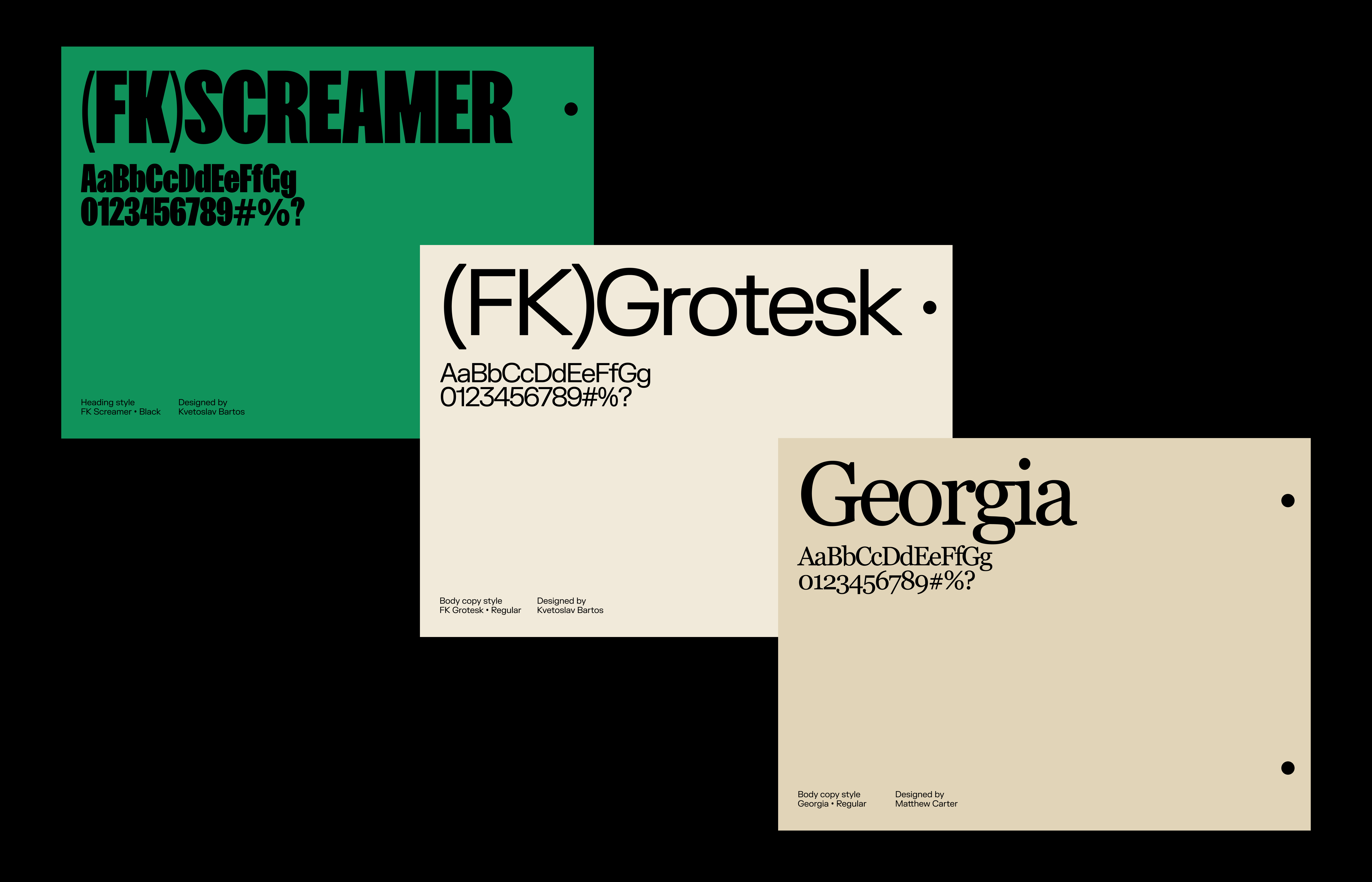
Typography reinforces this concept: editorial-style fonts are paired with bold headlines reminiscent of print newspapers and protest posters. The result is a cohesive graphic system that avoids sterility and aligns with the social cause it represents.
UX and information architecture: the timeline as backbone
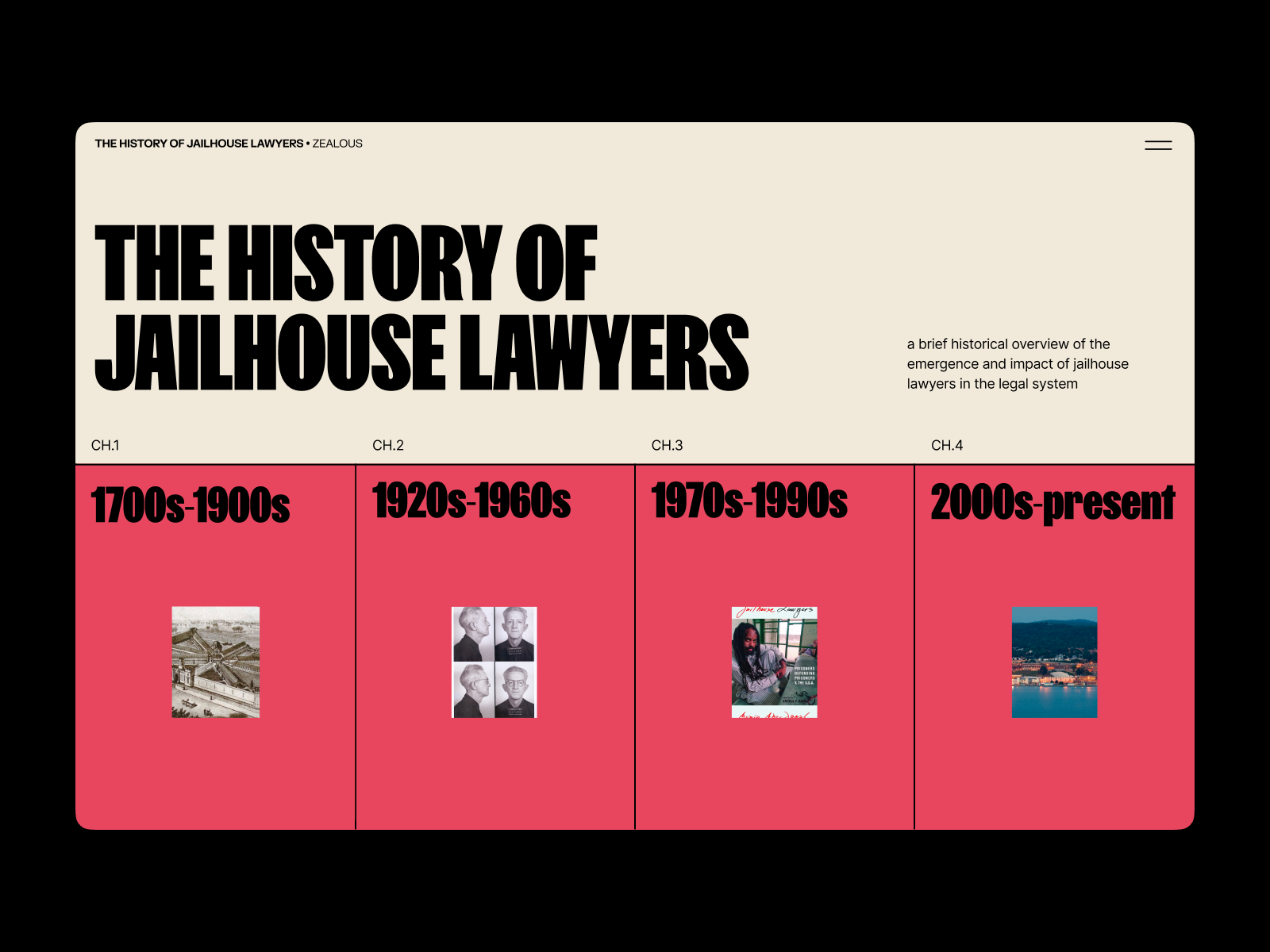
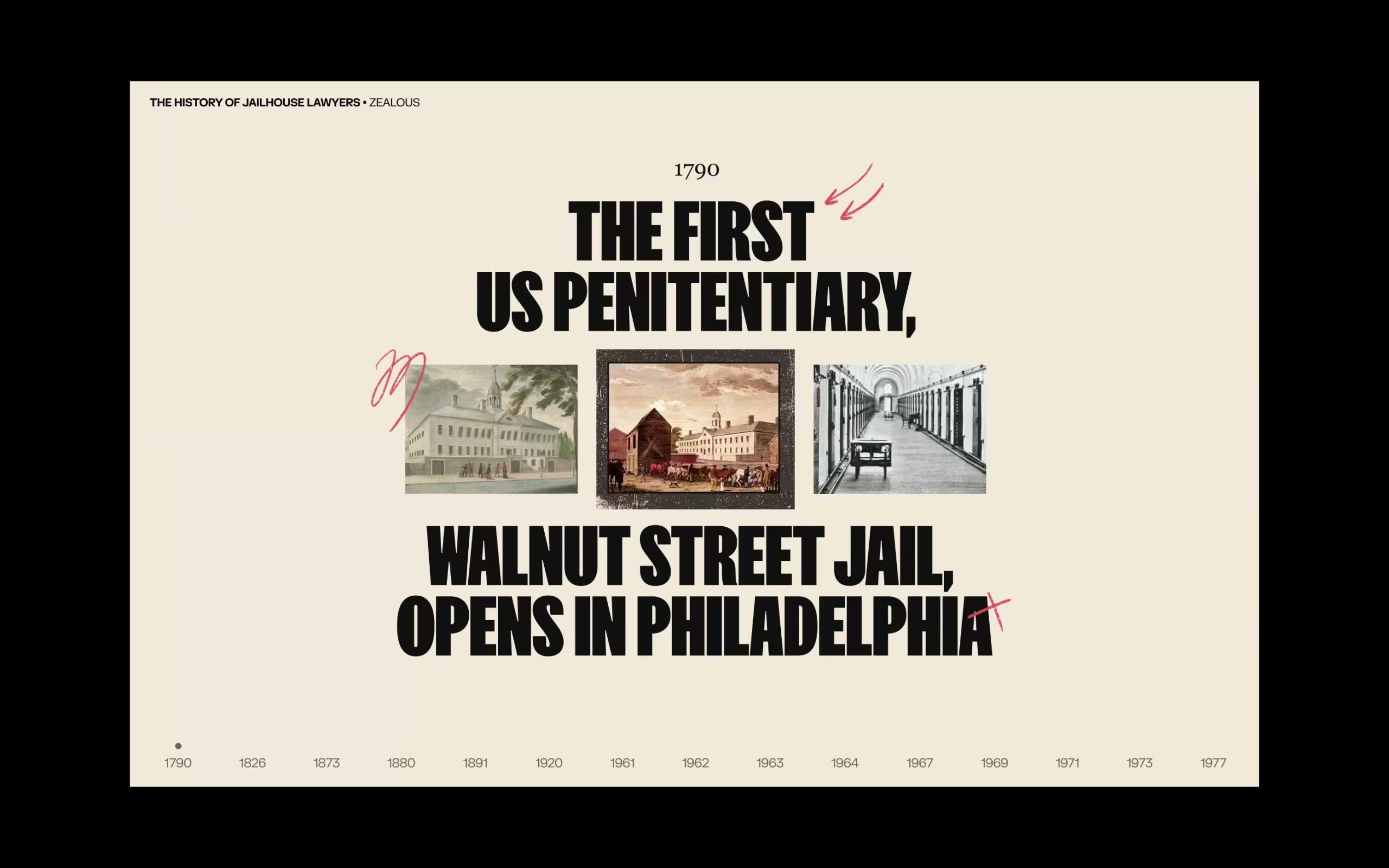
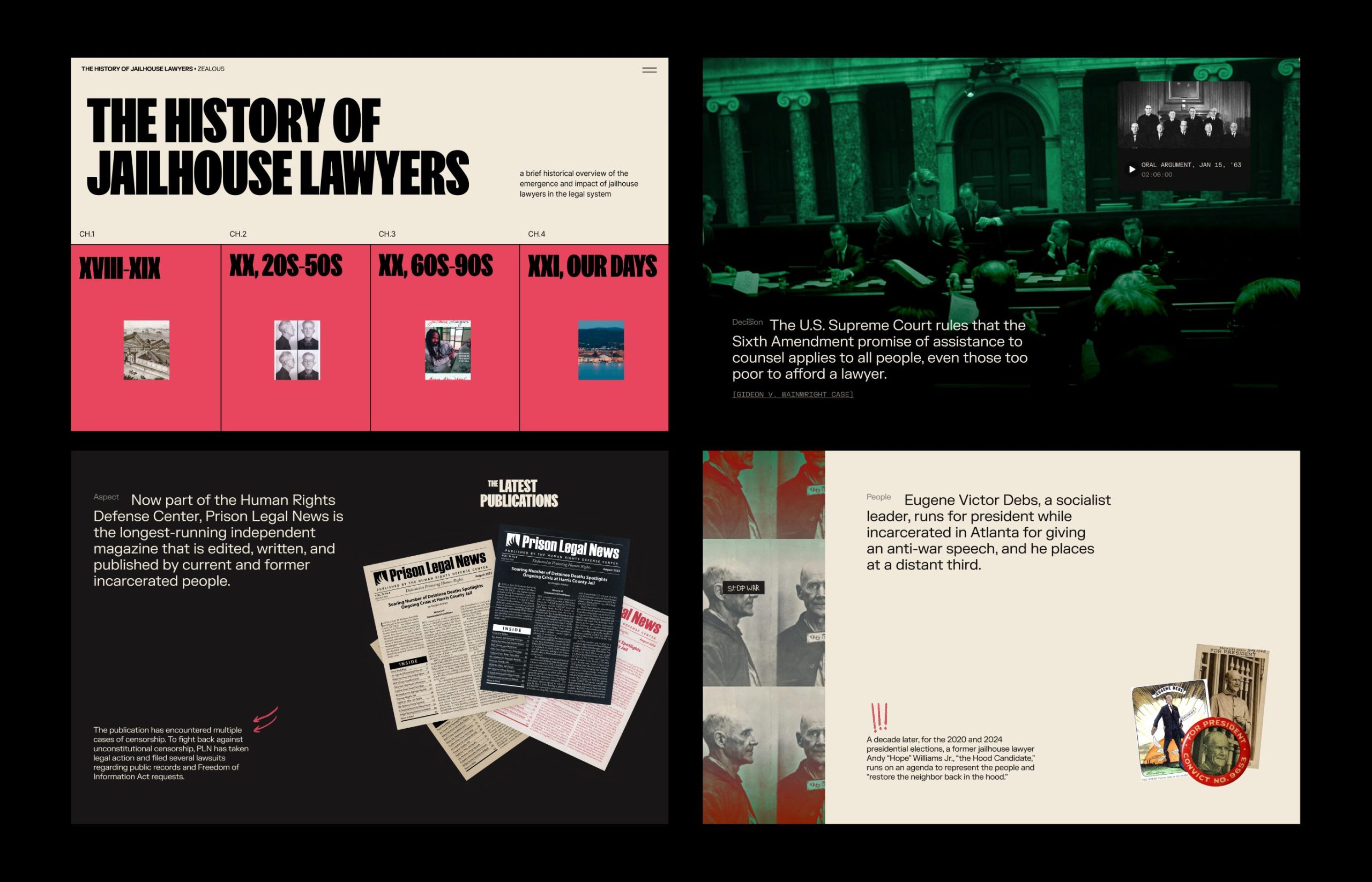
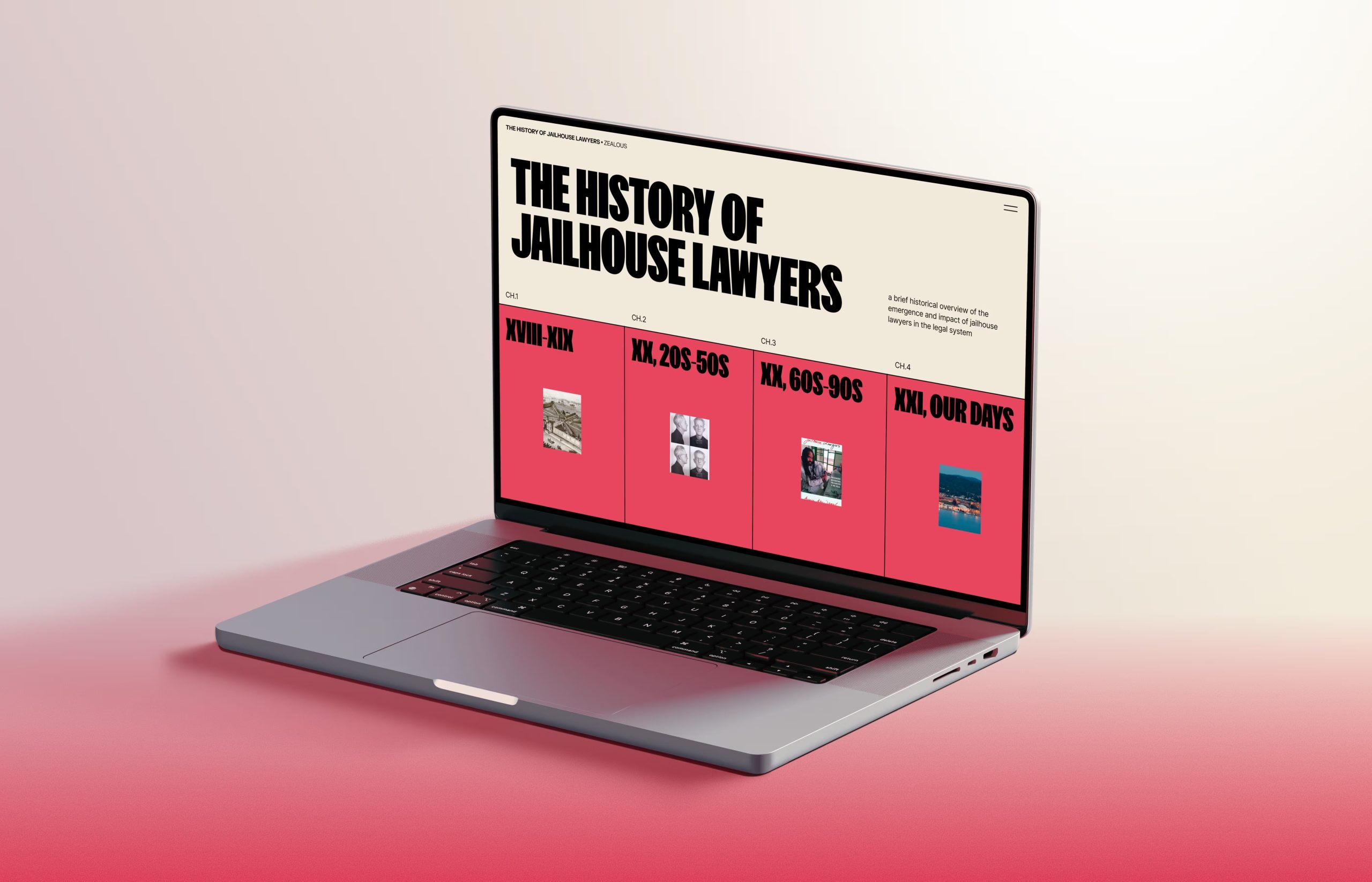
To tackle the density of the content, Tubik chose a classic but powerful tool when done right: an interactive timeline. Instead of overwhelming users with endless text, the story of the jailhouse lawyers is broken down into key stages and moments that users can explore sequentially or jump between as they wish.
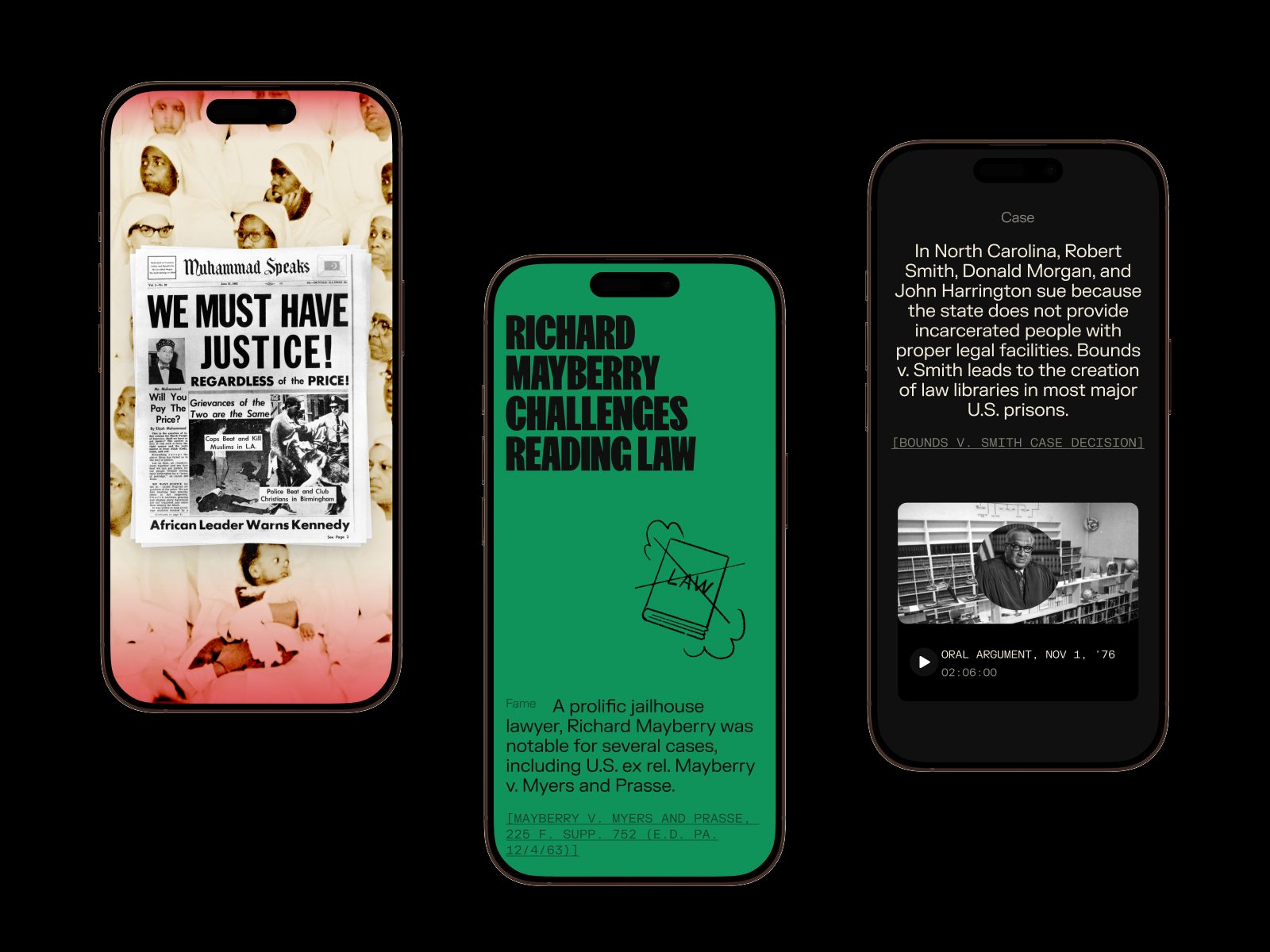
Each timeline block combines concise text, imagery, collage, and typographic composition. This creates bite-sized narrative “capsules” that are easy to read, scan, and visually distinct. The overall feeling is one of progression: users move forward, page by page, chapter by chapter, never losing the thread.
From a UX design perspective, this approach reduces cognitive load on a complex topic, accommodates different levels of engagement—quick reads or deep dives—and avoids the endless, unstructured scrolling so common in content-heavy projects.
Motion design and scroll: rhythm, tension, and emotion
Flashlights wouldn’t be the same without the motion design led by Ladamyra Kuntysia. Every transition, reveal, and micro-animation serves a narrative purpose. There’s no gratuitous movement—everything is in service of the reading flow.
As you move through the timeline, elements appear with smooth animations reminiscent of physical collages: sliding pieces, layered frames, overlapping photos. This enhances the feeling of leafing through a living archive.
Scrolling is used as a storytelling tool. It’s not just about moving down the page: it triggers layout changes, highlights figures, repositions maps, and reveals quotes. This technique is increasingly common in Awwwards-winning projects and fits perfectly with the trend of narrative scrolling.
Technical integration in Webflow and performance
Despite its light feel, the project is technically complex. Developer Oleksii Dubrov had to integrate this section into an existing Webflow site, working with a large number of optimized WebP images, layers, and blend modes to simulate textures, custom animations, and cross-browser compatibility—all without sacrificing visual richness.
The balance between visual impact and performance is another reason Flashlights earned the Awwwards Developer Award. It’s a reminder that contemporary web design demands close collaboration between designers and developers, especially for content-rich experiences.
Content and tone: education, respect, and commitment
Beyond the visuals, the project’s success rests on a carefully crafted editorial tone. The content is rigorous, with well-documented facts, dates, and historical context; accessible, avoiding unnecessary legal jargon; respectful of the people and stories portrayed; and clearly committed, inviting reflection and engagement.
Maryna Solomennykova’s graphic design bridges the content and the user: every visual element amplifies the text’s voice and prevents the project from feeling cold or academic. It’s a delicate balance, but one that’s been masterfully achieved.
Recognition: small in size, huge in impact
Flashlights has received multiple international accolades validating its excellence: Awwwards Site of the Day, Awwwards Honorable Mention, Awwwards Developer Award, a nomination for Site of the Month at Awwwards, and a Webby Awards nomination. This is no coincidence: it brings together everything valued in top-tier web design today—solid concept, social responsibility, flawless visual execution, thoughtful user experience, and outstanding technical performance.
Lessons for brands, institutions, and design studios
Flashlights offers several takeaways for any web design studio or institution: complex content can be made digestible with the right structure and a cohesive visual system; design shouldn’t gloss over difficult issues, but help us confront them with more context and empathy; interactive storytelling is especially powerful for educational, historical memory, or social justice projects; and technical integration is just as important as aesthetics.
Conclusion: Flashlights as a model for purposeful web design
Flashlights proves that purpose-driven web design can be beautiful, moving, and technically sophisticated all at once. It’s not just a section within an institutional website: it’s a piece of digital memory, an educational resource, and a tool for activism.
For those of us working in web design, branding, and digital experience, this project confirms that the best interfaces aren’t the loudest—they’re the ones that illuminate stories rarely told. In that sense, Tubik Studio’s work with the Jailhouse Lawyers Initiative truly lives up to its name: these are real flashlights shining in a system that prefers to keep many things in the dark.