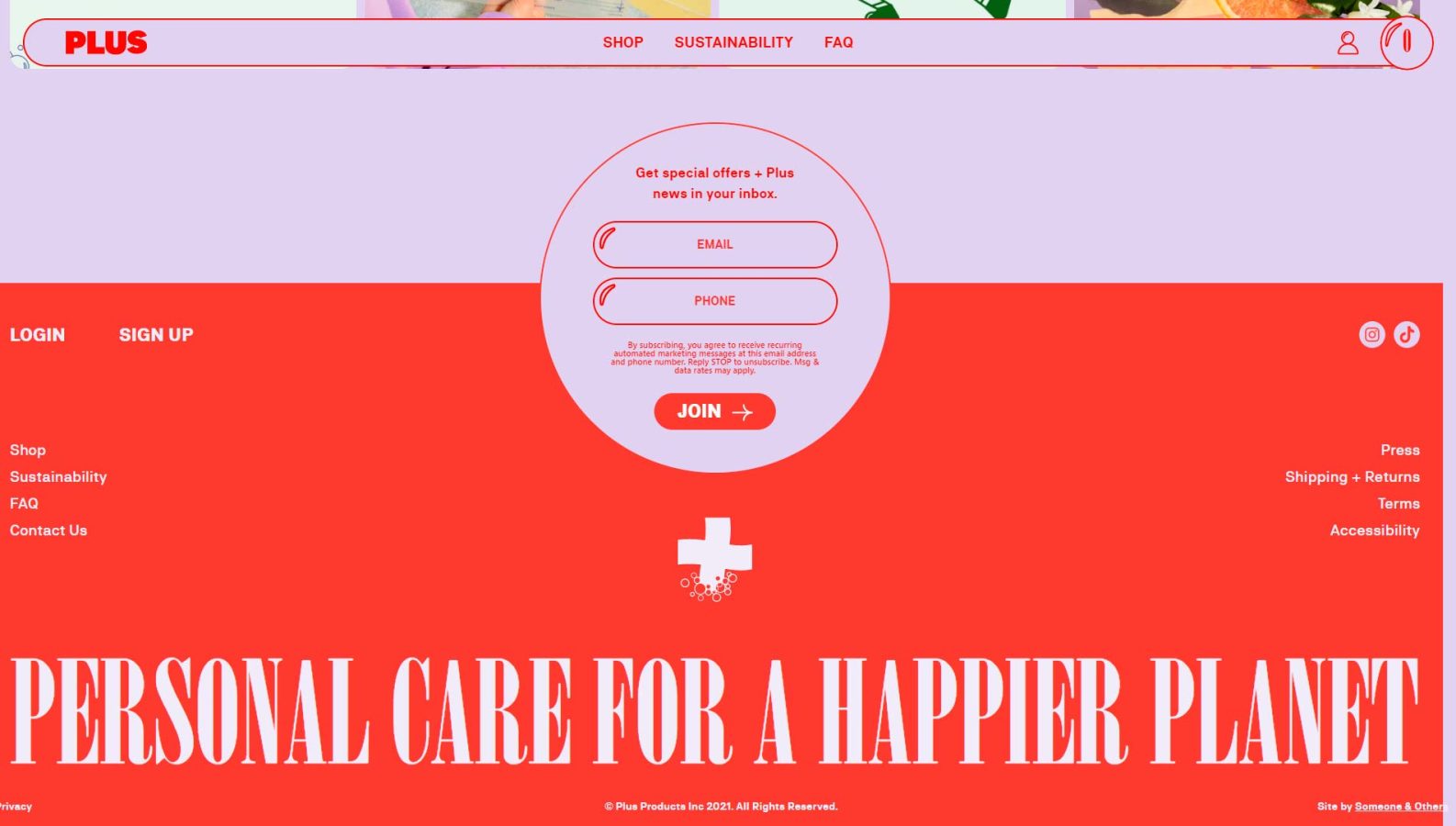
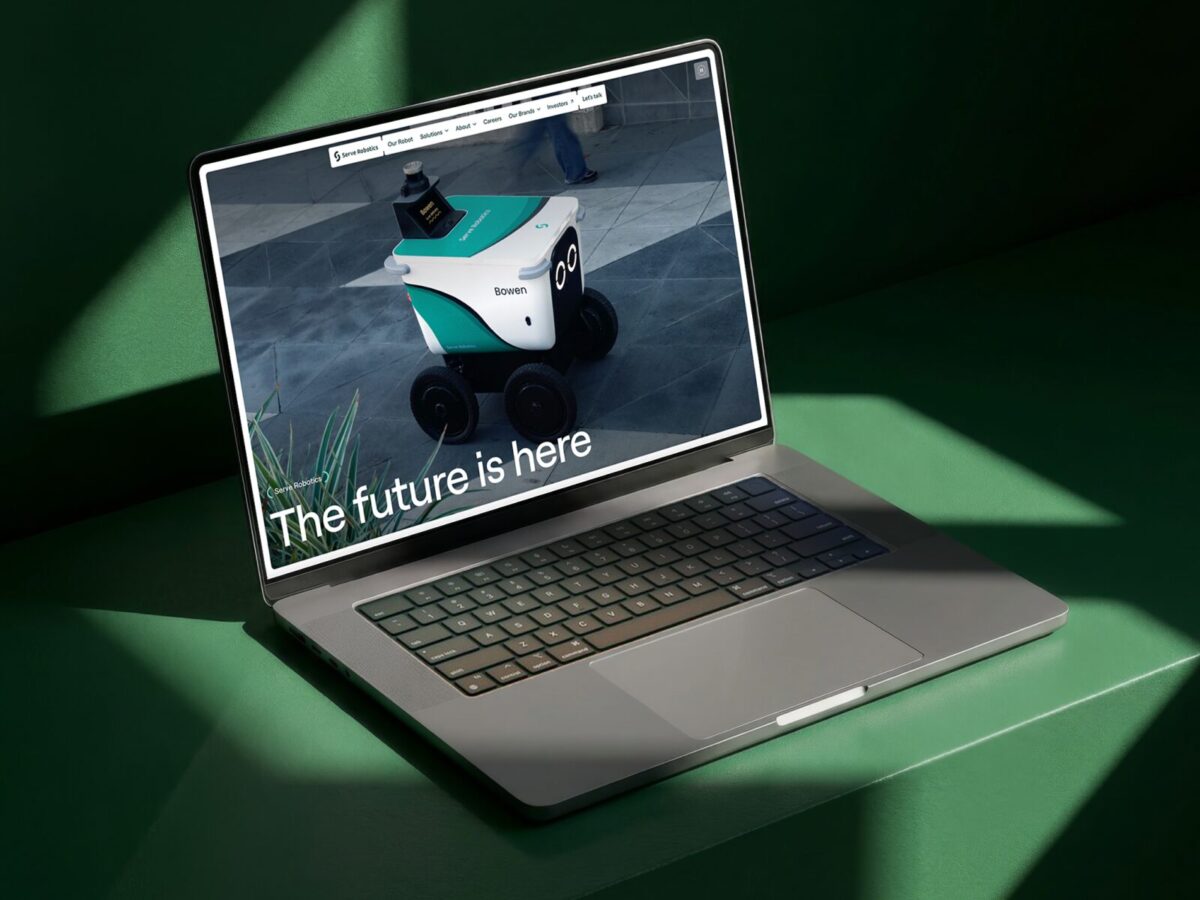
When it comes time to create a website, there are several options to choose from. One of them is to build your site using one of the many website templates available on the market.
At Code Web Barcelona, we want to make it clear that as professionals in web design and web development, we do not use templates. In fact, we are firmly against any web design and development studio working this way—especially without informing their clients. That said, everyone is responsible for their own choices.
However, if you’re just starting a business and want to create your own website without any coding knowledge, you’re probably looking for the most affordable solution. One option you might consider is to build your business website yourself.
If that’s the case, here are some tips to help you choose the right template from the countless website templates you’ll find out there on the internet.
How to choose the right website template
Which platform will you use?
First, decide which platform you’ll use to build your website. We recommend WordPress. It’s the most intuitive and user-friendly option. The key will be which template you choose.
Looks matter
If you’re picking from a range of templates, it goes without saying that it should look good. Make sure the template follows a modern, up-to-date web design style. If you’re not an expert, we suggest looking for web design inspiration. Of course, don’t expect the same spectacular results as a custom-designed site, but a template can still serve as a useful guide.
Does the design fit your business?
Don’t sacrifice relevance for aesthetics. If you find an amazing template, make sure it matches your brand image. For example, if you run a pest control company, a photography portfolio template—which likely relies on large, high-impact images—probably isn’t the best fit. No one wants to see insects or rodents in full-screen 4K.

Okay, this image is really cool. By missborderlike. Still, it’s not a good idea for your website to swing from one extreme to another. The image above is super cute, but the text doesn’t really match the style. You get the idea, right?
Is the color palette easy to customize?
Check if the template shows images or videos of the customization options and features it offers. It’s a big plus if the template includes an easily customizable color palette, so you can switch to your company’s brand colors.
Can you upload your logo from the admin panel?
Similar to the previous point, it’s important that you can easily upload your company logo directly from the template’s control panel. Otherwise, you’ll have to dive into the code and upload files via FTP—which, if you’ve never done it before, is not fun.
Beware: images can be deceiving!
Most website templates showcase stunning images. This can be misleading, because if the images you use to replace the demo ones aren’t up to par, your site will lose a lot of its appeal. This is often overlooked, and that’s when the end result can look, well, pretty rough.
Make sure the template is responsive
If you’re buying a template, make sure it’s fully responsive and adapts to all devices and screen sizes. These days, more users browse on mobile devices than on desktop. So pay special attention to this. Also, don’t just check if the layout adjusts—test the usability. Is it easy to navigate your site on a smartphone using this template?
If you want to learn more about good responsive web design, check out this article.
Check if the template developers offer support
Sometimes things don’t work as expected. You might update the template or its plugins and suddenly something breaks—or the whole layout falls apart. See if there’s a dedicated development team behind the template. Many template marketplaces have a comments section where users report bugs or issues. The best template developers offer support and are active in these forums. Sometimes they’ll even ask for access to your site to fix issues directly. There are companies that focus solely on selling templates and are invested in keeping their customers happy. It’s worth working with these kinds of templates.
Typical price range
WordPress templates typically cost between €30 and €100. There are also free templates available, but whatever you choose, make sure it meets the criteria above.
Be patient
It’s not as easy as it looks, even though much of the process is automated. Issues will likely come up and you’ll need to solve them. We’ve received plenty of calls to fix problems with sites built using website templates.
Recommendations
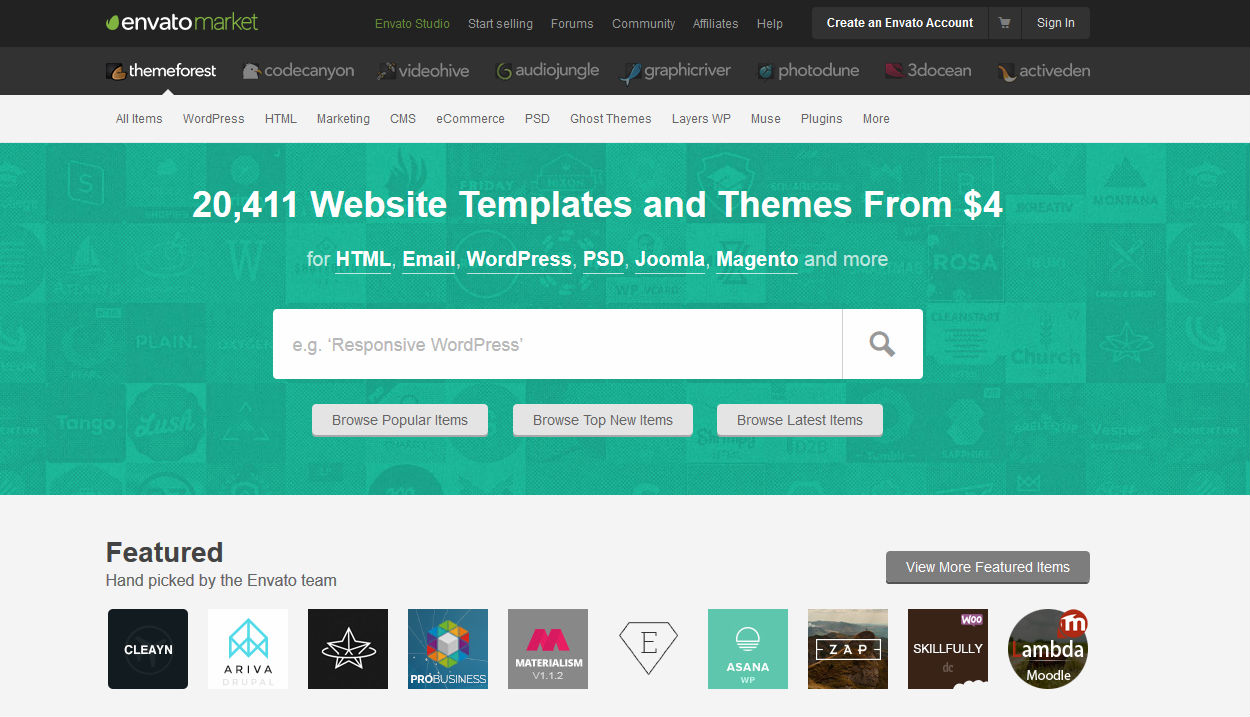
One of the largest marketplaces for website templates is Envato/ThemeForest. Here’s the link in case you find it useful: