Integrated to Win: IKEA China’s Omnichannel Campaign on Tmall Sets a New Global Benchmark for Digital Transformation
In a market as fast-paced as China, where digital consumption outpaces any other region in the world, global brands face a major challenge: adapting without losing their identity. IKEA, a giant in traditional retail, made history by launching its first-ever official store on an external platform: Tmall, part of the Alibaba ecosystem. Led by Tiantian Shao, this project not only redefined IKEA’s digital presence in China but also became a global case study.
Internationally recognized and awarded Platinum Winner 2025 at the Vega Digital Awards, this campaign proves how a classic retailer can transform itself to compete—and win—in a hyper-competitive digital environment. Drawing on our expertise in branding, web design, graphic design, and digital campaigns in Barcelona, we analyze this campaign as a benchmark in strategic excellence and holistic execution.
Context: A Market Demanding Speed, Integration, and Experience
For years, China has been the global epicenter of e-commerce. Tmall, owned by Alibaba, is more than just a platform: it’s a complete ecosystem where local and international brands interact with billions of daily engagements. Entering Tmall isn’t just about opening a store—it means integrating into a digital infrastructure that blends big data, automation, social media, influencers, mobile payments, livestream shopping, and hyperactive communities.

Until this project, IKEA’s global model was built primarily around physical stores, its own e-commerce, and in-person experiences. The core had always been the same: total control over the customer experience. That’s why the decision to join Tmall marked a radical shift in its retail strategy.
On top of the complexities of the Chinese market, there was an internal challenge: integrating logistics, technology, membership, inventory, and customer service systems across two very different worlds. In this context, the campaign’s goal was not just to communicate—it needed to transform IKEA’s entire approach to digital commerce.
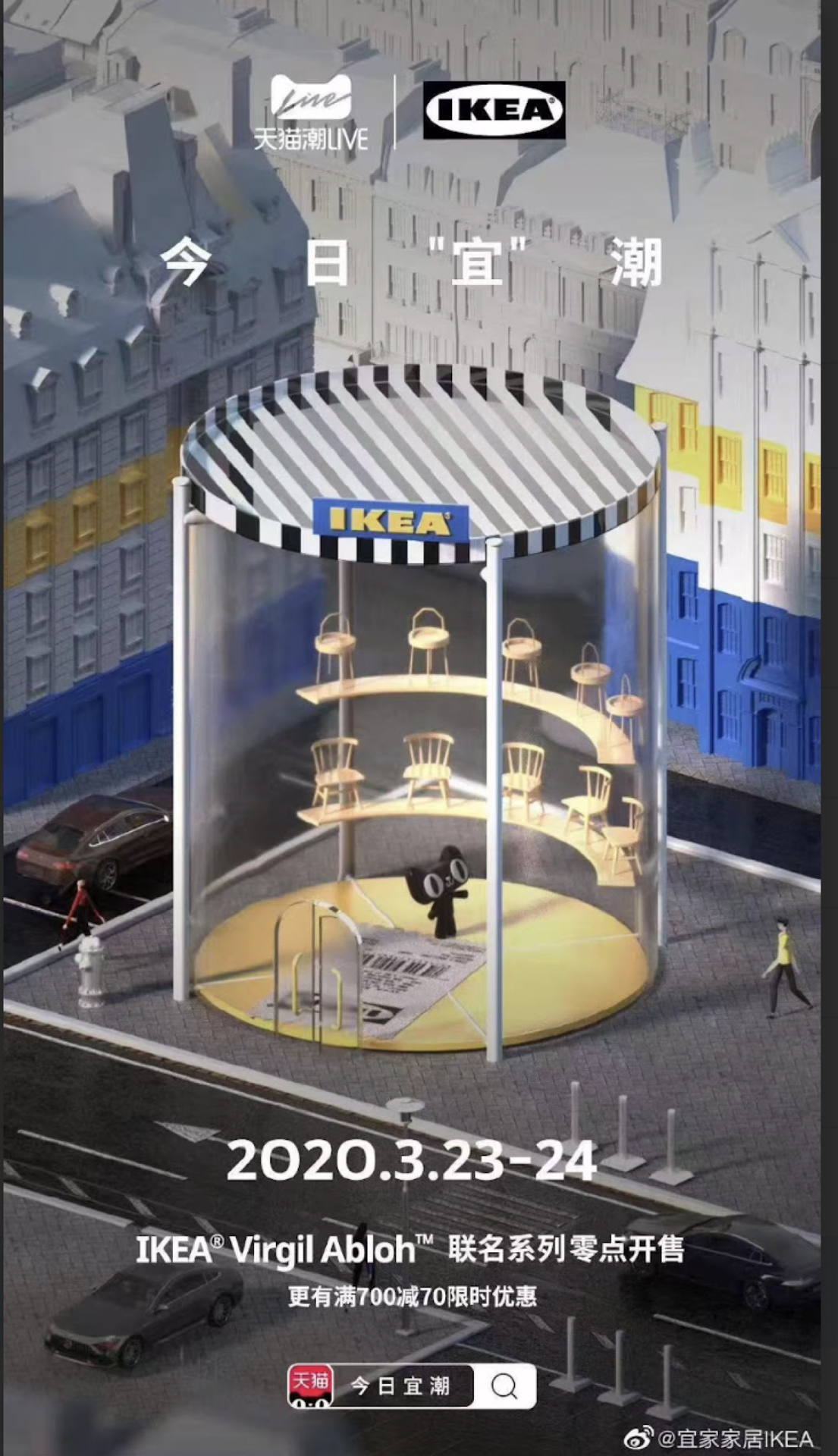
The Strategic Idea: A Single Gateway to an Omnichannel Ecosystem
The goal wasn’t simply to open another store. The project was conceived as an omnichannel bridge between Tmall and IKEA’s own ecosystem: its app, website, loyalty program, and network of physical stores. This vision turned the launch into an opportunity to unify audiences and create a seamless experience.
Under Tiantian Shao’s leadership, the campaign was built on a key premise: if Chinese consumers move fluidly between platforms, content, and digital experiences, IKEA needed to become a natural part of that journey—instead of waiting for users to migrate to its traditional channels.
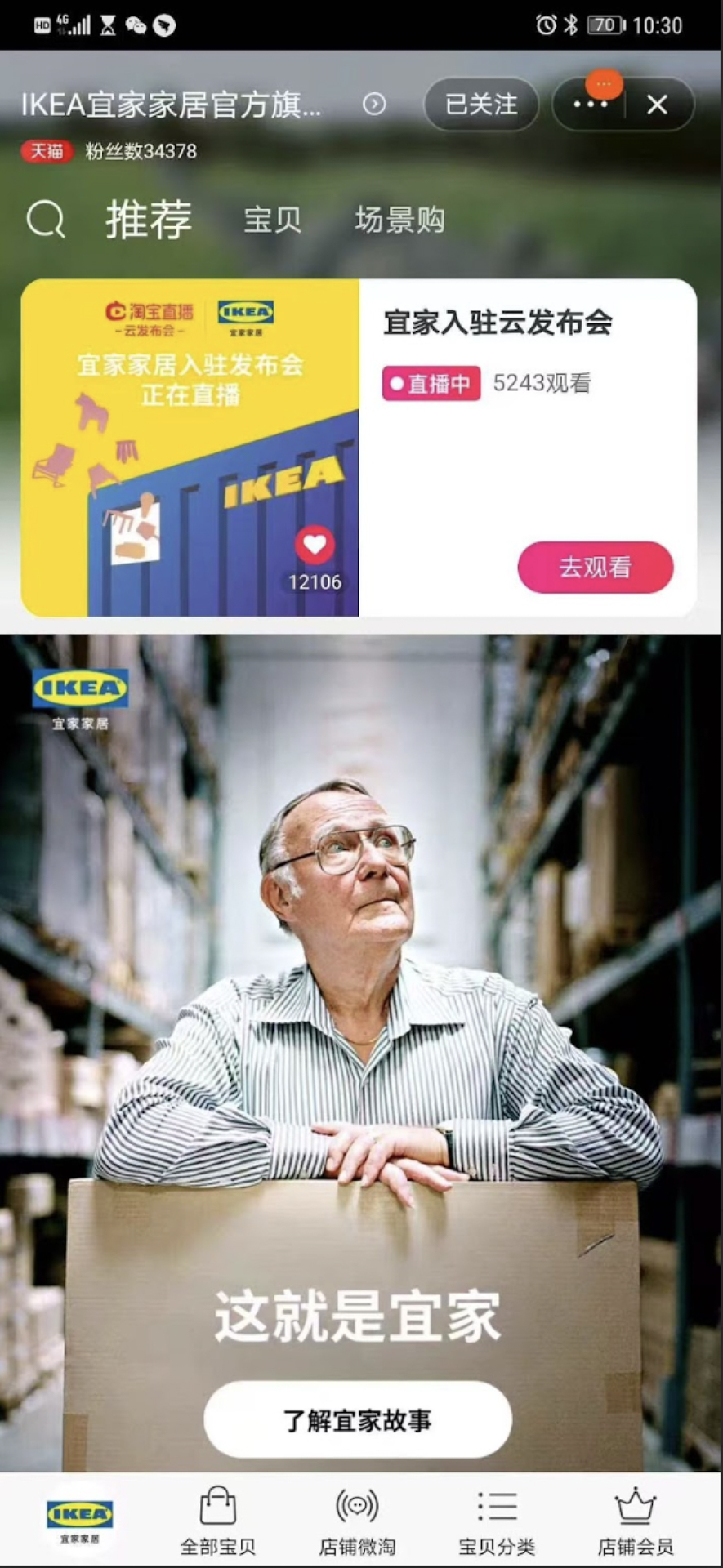
For the first time in IKEA’s history, a strategy was designed to:
- combine public traffic (Tmall) with private traffic (IKEA app)
- unify memberships and benefits across platforms
- integrate logistics, inventory, and after-sales experience
- adapt content and products to China’s digital culture
- offer social experiences like livestream shopping
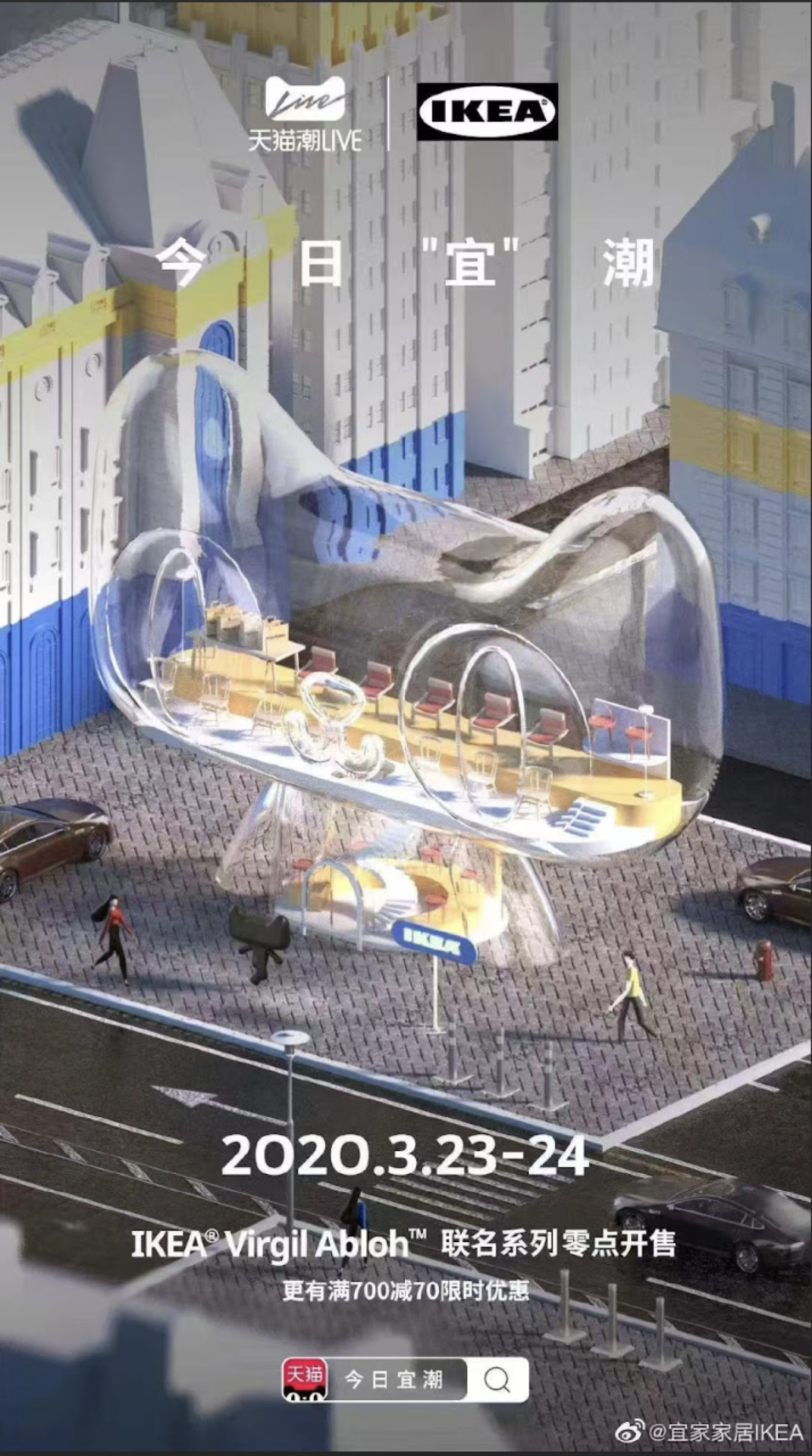
This approach made the campaign a true case of digital transformation—not just a launch.
Leadership and Coordination: The Key to Success
The project stands out for its exceptional coordination, led by Tiantian Shao. Integrating Tmall into IKEA’s model required complex synchronization across teams in:
- IT and technology development
- logistics and supply chain
- digital marketing
- creative and content production
- data management and CRM
- commercial operations
According to project leaders, this was the first time global, regional, and local departments worked together under a single digital roadmap. This leadership proved decisive in achieving the campaign’s results.
Experience Design: Beyond a Commercial Launch
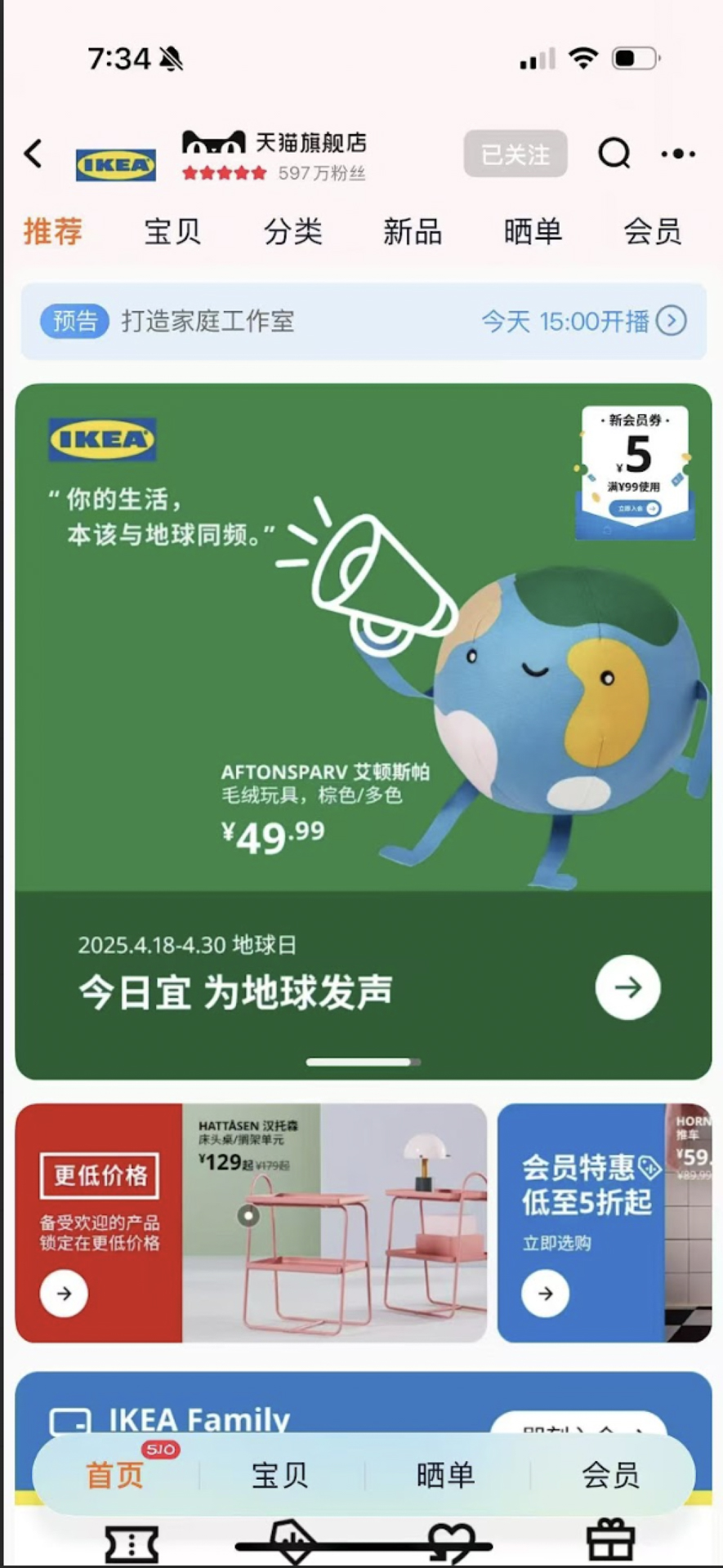
One of the campaign’s greatest strengths was its focus on user experience. IKEA adapted its visual identity and product architecture to the Tmall format without sacrificing its brand values: clarity, accessibility, and functionality.
The design was built around three pillars:
- Optimized navigation experience: clear categories, streamlined journeys, and localized product pages.
- Content tailored to Chinese culture: visual storytelling, recommendations for smaller homes, and a greater focus on functional products.
- Creatives designed for traffic and conversion: visual modules, dynamic graphics, and assets tailored for the Alibaba ecosystem.
The graphic design and brand identity struck a balance between IKEA’s global DNA and the flexibility required for the Chinese market. For those of us working on digital campaigns from Barcelona, this is an outstanding example of cultural adaptation without compromising brand consistency.
Digital Strategy: Where E-commerce Meets Content
The campaign blended Tmall-native tactics with broader brand initiatives. Everything was integrated into a single omnichannel funnel designed to drive visibility, engagement, and conversion.
Key actions included:
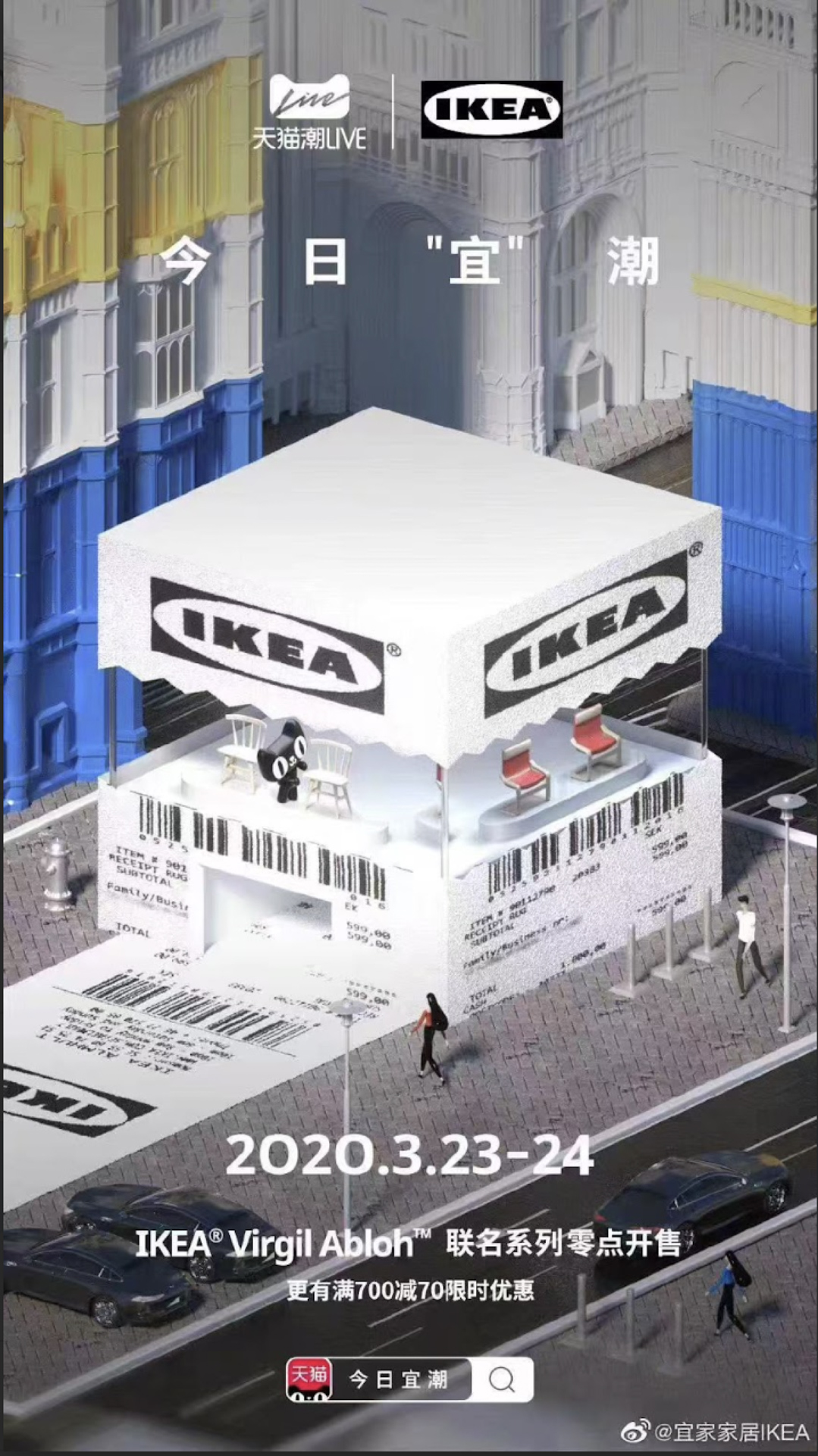
- Livestream shopping with influential hosts on Tmall Live
- Promotions driven by KOLs (Key Opinion Leaders)
- “Cloud signing” events, where users joined digital meetups
- Synchronized traffic campaigns between Tmall and the IKEA App
- Interactive content on home organization, urban lifestyles, and smart solutions
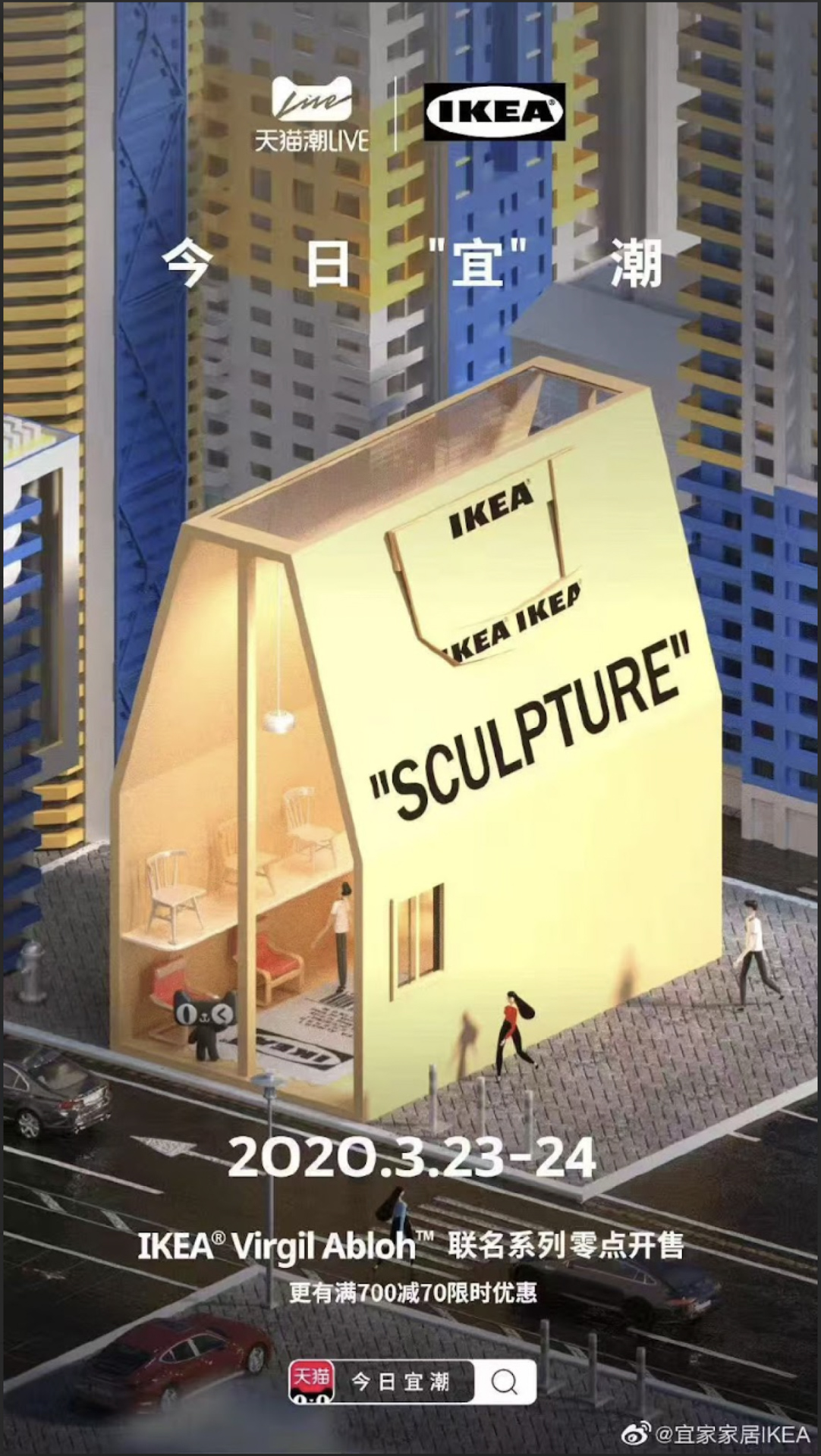
This integration enabled IKEA to achieve what few brands can: turning Tmall’s massive traffic into its own community. This was made possible by unifying memberships, allowing any Tmall user to enjoy IKEA Family benefits.
Results: A Historic Entry into the Alibaba Ecosystem
The launch results exceeded all expectations and set a new record for the category.
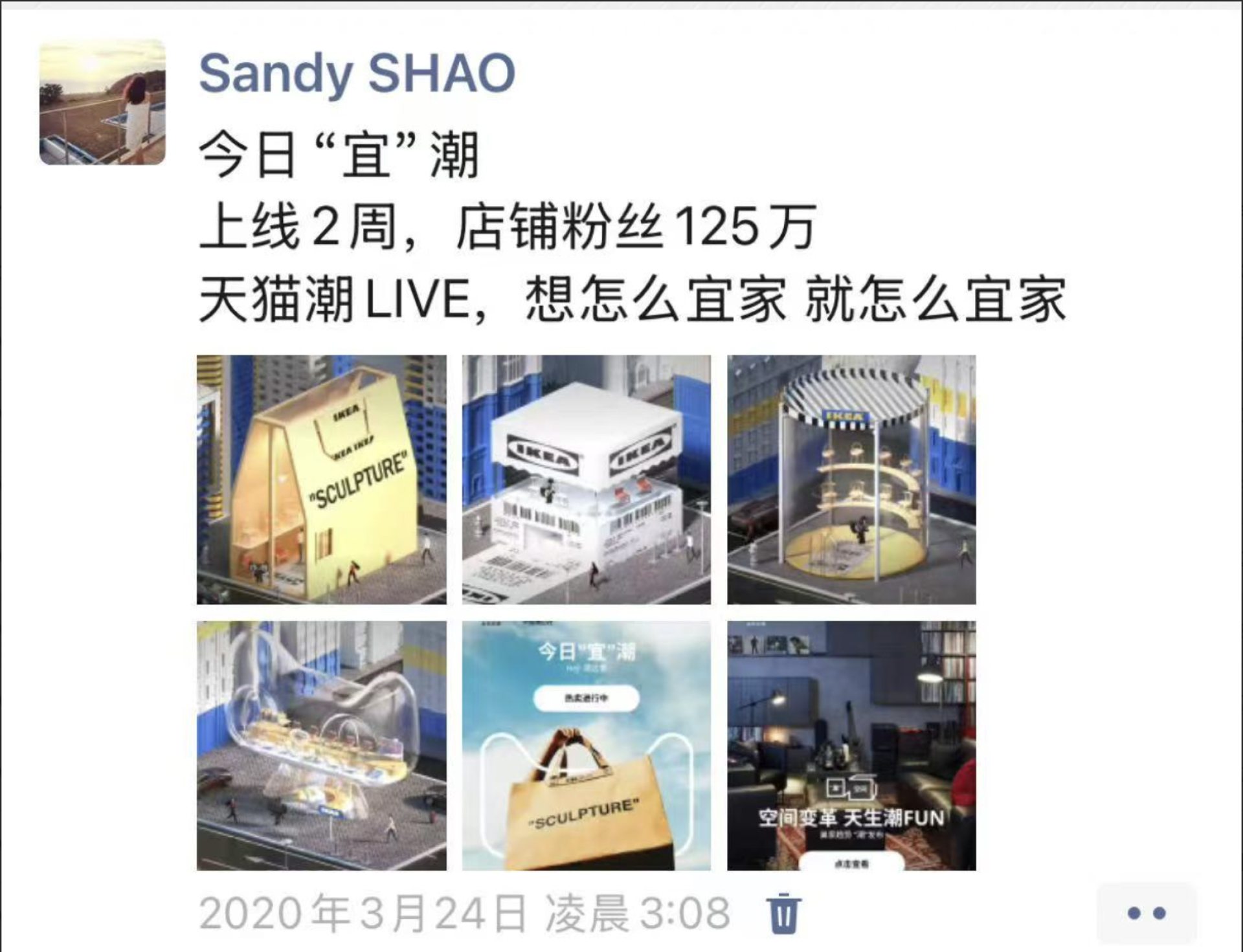
- Over 2 million followers on Tmall in just two weeks
- Historic record in the home furnishing category
- DAU, GMV, and conversion rates exceeding benchmarks by more than 30%
- Results on par with—or even surpassing—brands with years of presence on Tmall
Beyond the numbers, the project achieved a structural milestone: the full integration of membership between Tmall and IKEA, something never before accomplished in any market worldwide. This innovation was officially recognized by IKEA’s global leadership, who named the campaign a global best practice and made it a model for future digital expansions.
Global Impact: A New Playbook for Traditional Retailers
What sets this project apart is not just its commercial reach, but its ability to set a new standard for the retail sector. IKEA proved that a traditional model can evolve and compete in a landscape defined by immediacy, data, and hyperconnectivity.
The campaign is now studied in business schools, innovation forums, and global teams looking to replicate its model. Its success confirms that the combination of user experience, omnichannel strategy, relevant content, and multidisciplinary leadership is the key to thriving in complex markets.
As an agency specializing in digital communication, web design, branding, and strategy in Barcelona, we see this project as an inspiring example of how brands should approach digital transformation without losing their essence.
Conclusion: A Campaign That Redefines IKEA’s Future
Integrated to Win is more than a successful launch—it’s a turning point for IKEA globally. A campaign that blends strategic vision, operational excellence, and cultural adaptation. Its recognition as Platinum Winner 2025 not only validates its creativity but also its power to transform how a legacy brand connects with tomorrow’s digital consumer.
In a world where omnichannel is no longer optional, this project proves that true innovation happens when brands dare to reinvent themselves while staying true to who they are.
Credits
Project: Integrated to Win – IKEA China x Tmall
Award: Platinum Winner 2025 – Vega Digital Awards
Project Lead: Tiantian Shao
Client: IKEA China
Platform: Alibaba Tmall
Region: China