How Motion Sickness turned voter registration in New Zealand into an experience of design, identity, and collective power
When design connects culture, purpose, and emotion, it becomes a political force. The Māori Roll Call, created by the studio Motion Sickness for Whānau Ora, is a remarkable example of how digital design and communication can transcend marketing and become an act of collective representation. Winner of the Best Design Awards 2025 in the Digital Campaigns category, this project redefined what it means to create a civic campaign in the digital age: more than just inviting participation, it made every name, every person, and every voice feel seen and heard.
A purposeful act of design
In the lead-up to New Zealand’s 2025 elections, the country faced a sobering reality: over 120,000 eligible Māori were not registered to vote. Confronting a longstanding issue of political representation, the campaign set out to break through apathy and transform a bureaucratic process—voter registration—into an act of cultural identity and collective empowerment.
Motion Sickness, known for its human-centered, narrative approach, avoided political rhetoric and conventional advertising design. Instead, they proposed a visual and symbolic intervention rooted in a simple, profound question: Will you answer the call? This question became the heart of a campaign that blended art, activism, and digital design.
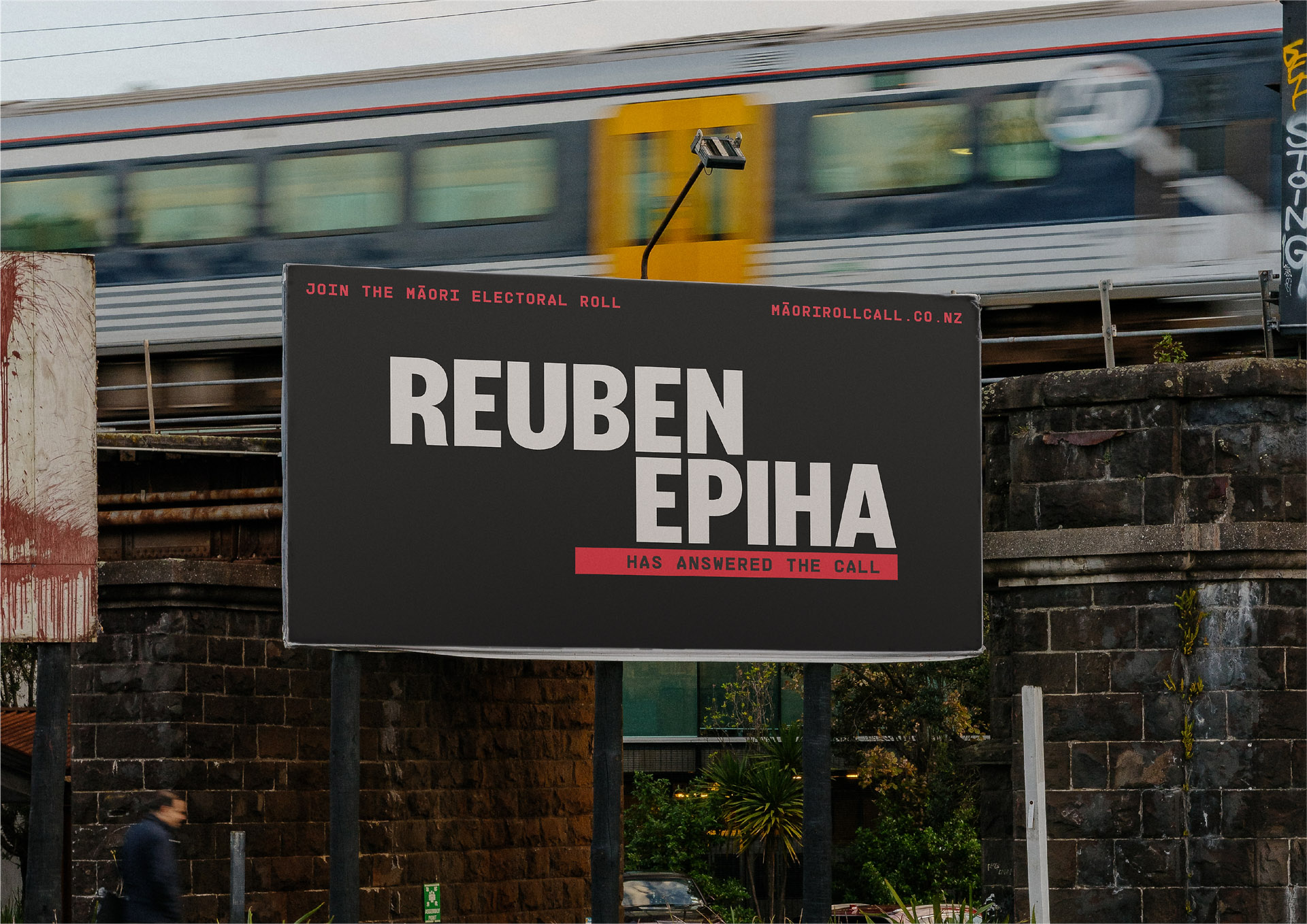
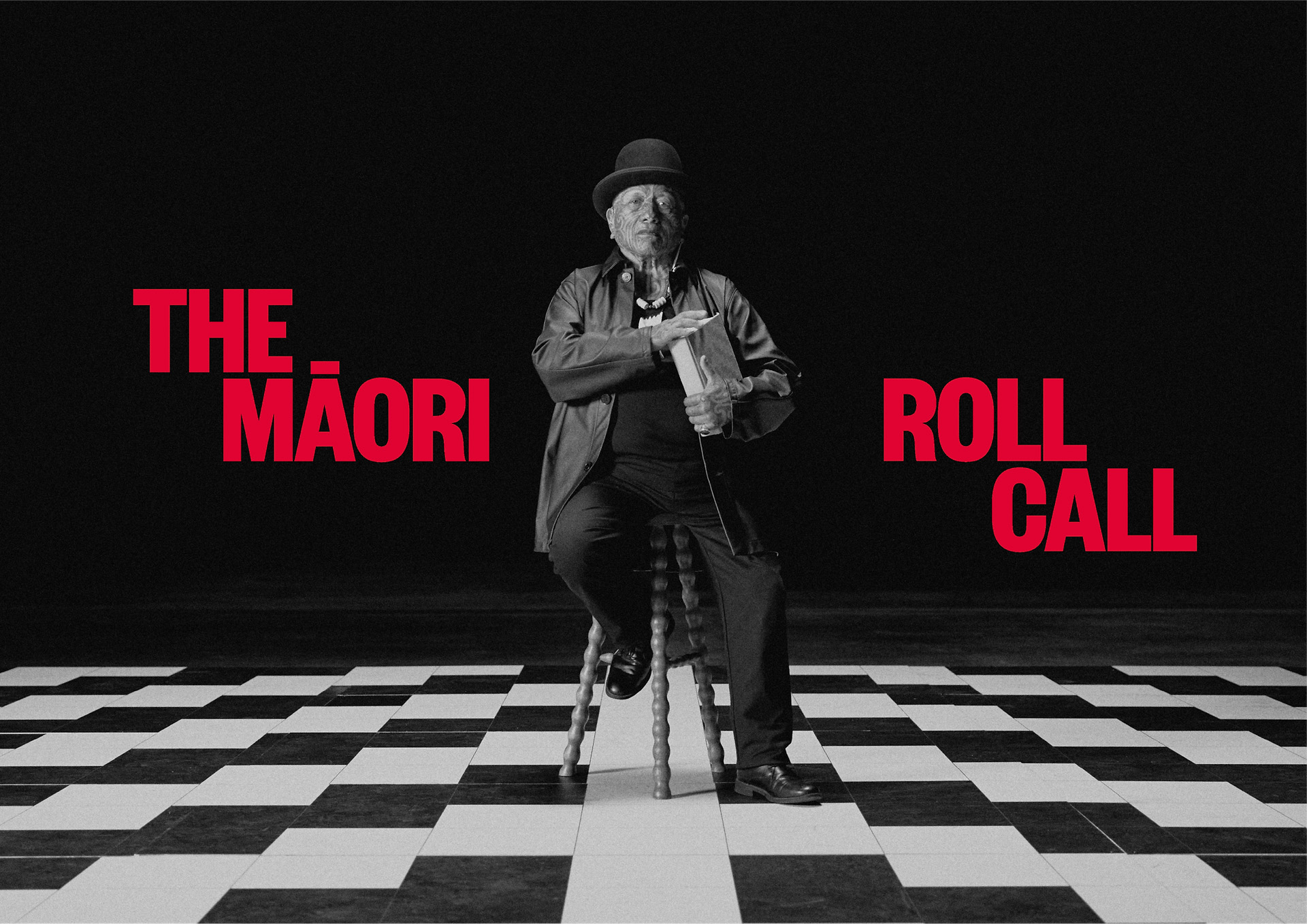
The result was The Māori Roll Call: a 30-minute film featuring Tāme Iti—one of the most respected Māori artists and activists—reading out more than five hundred real names of those registered on the Māori electoral roll. No embellishments, no cuts, no artifice: just voice, names, and silence. What could have been a standard institutional announcement became a ritual, emotionally charged experience.
Creative concept: a call to the name
In Māori communities, a name is more than a word: it is genealogy, a link to the past and to the land. To name is to recognize, to give existence, to affirm belonging. The campaign understood this cultural dimension and translated it into audiovisual language. The “roll call”—the list of names spoken aloud—became a ceremony of visibility. Each name spoken was a story reclaimed, a life re-entering the political conversation.
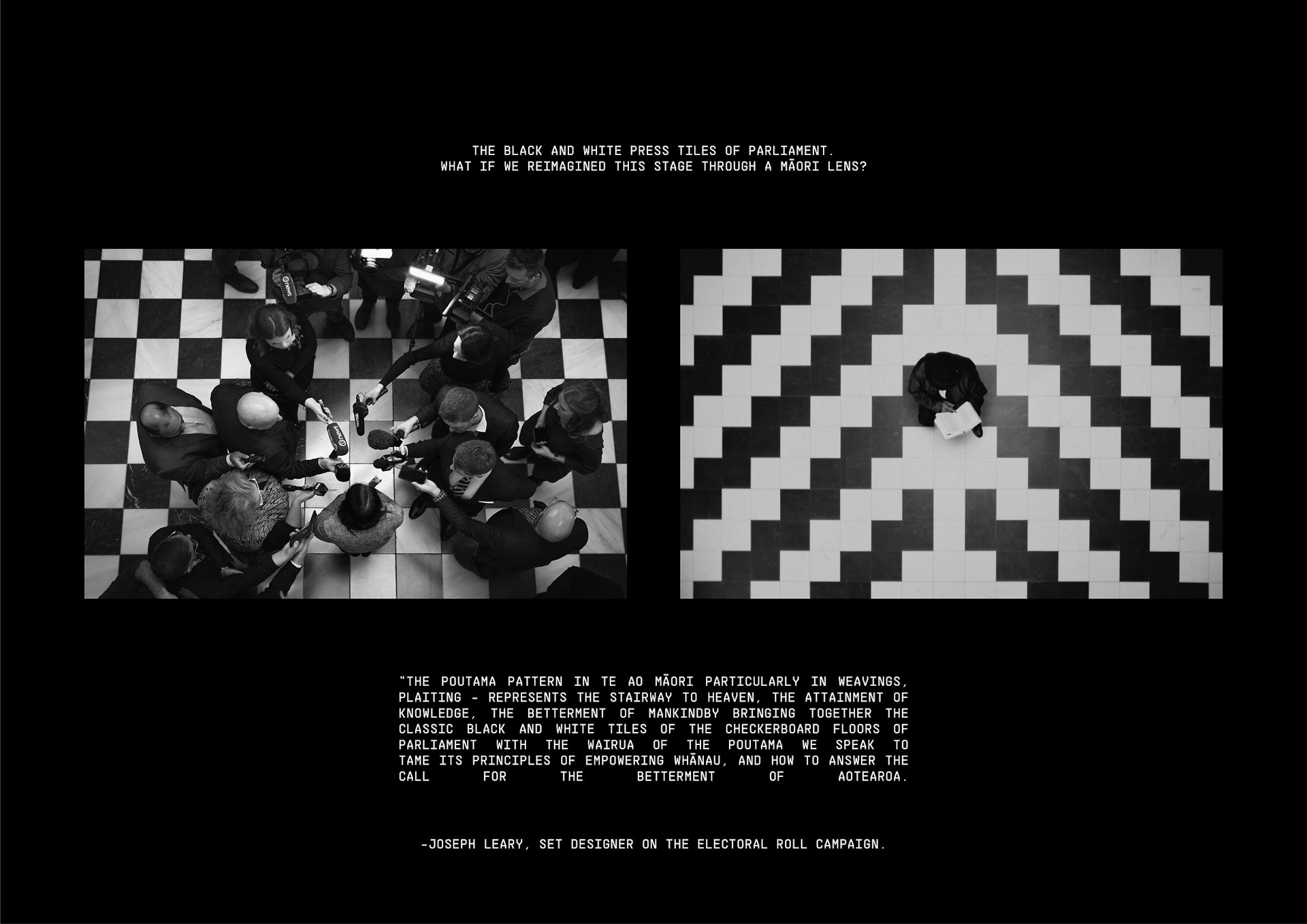
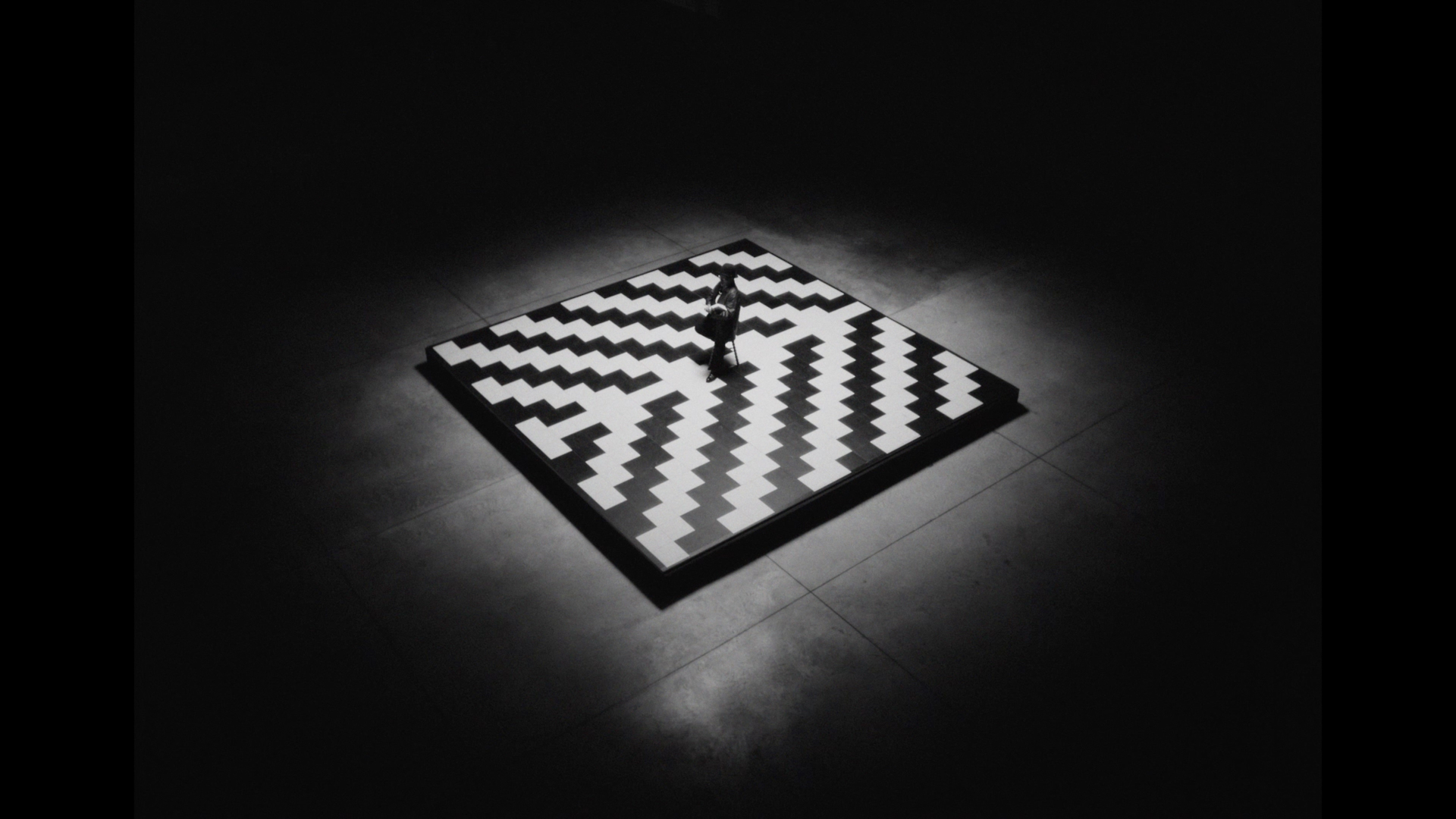
The set, designed as a reinterpretation of the Beehive Press Gallery (the New Zealand Parliament’s press gallery), incorporates the poutama pattern, a traditional symbol representing ascension, learning, and spiritual elevation. In this setting, Tāme Iti doesn’t perform: he embodies history, guiding viewers through an act of collective memory. The decision to film in a single continuous shot reinforces authenticity and solemnity. There are no cuts or visual tricks; everything rests on the power of the spoken word and the light.
Visual design, narrative, and art direction
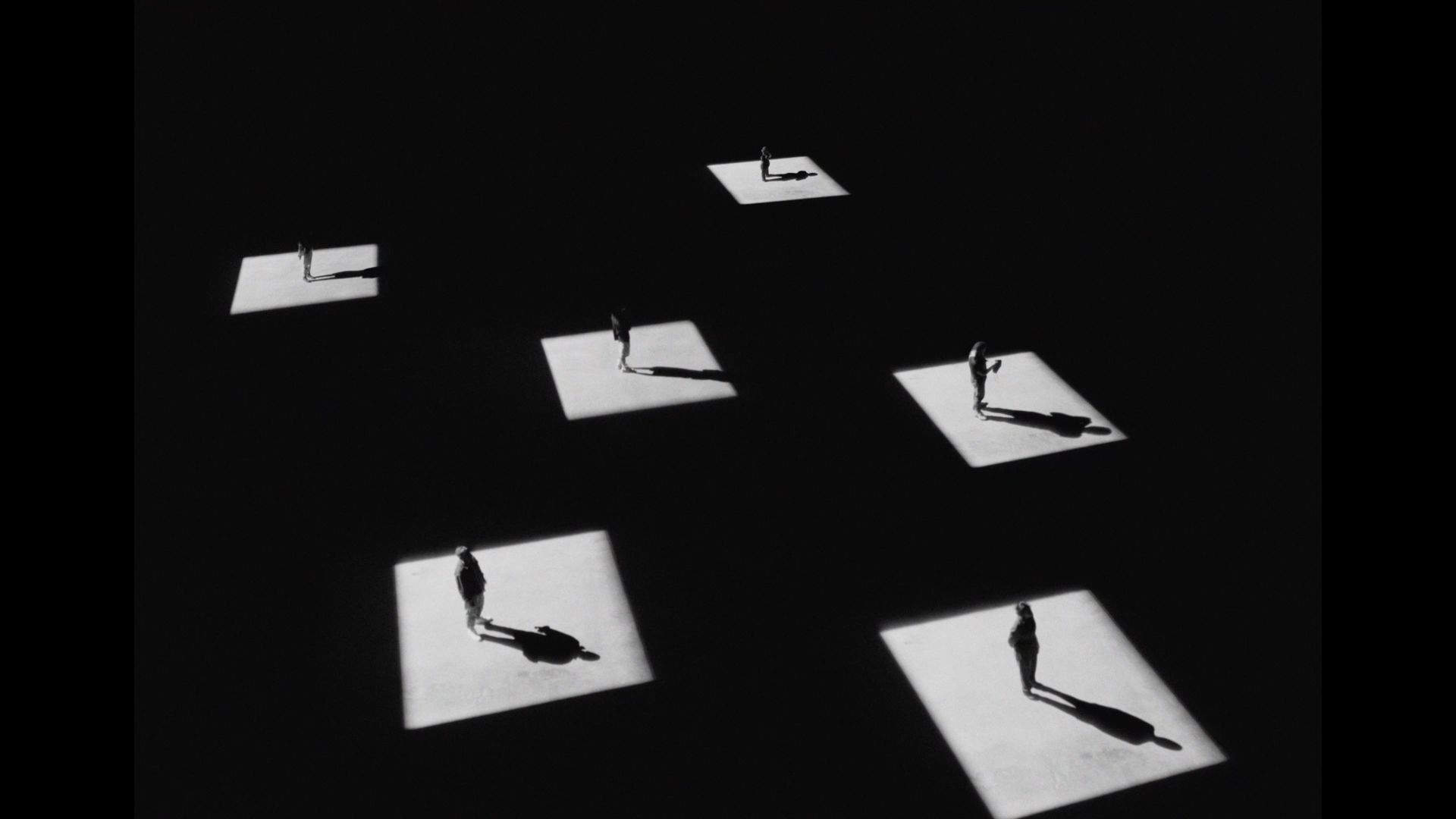
Visually, The Māori Roll Call is defined by an aesthetic of restraint and respect. Lighting becomes a language: a warm dusk envelops the speaker, while subtle beams of light cut through the space, as if symbolizing voices being heard again. The art direction is austere, almost liturgical, reinforcing the sense of ceremony. Every element of the set design—from the arrangement of the furniture to the materials used—was conceived to focus attention on the voice and the name.
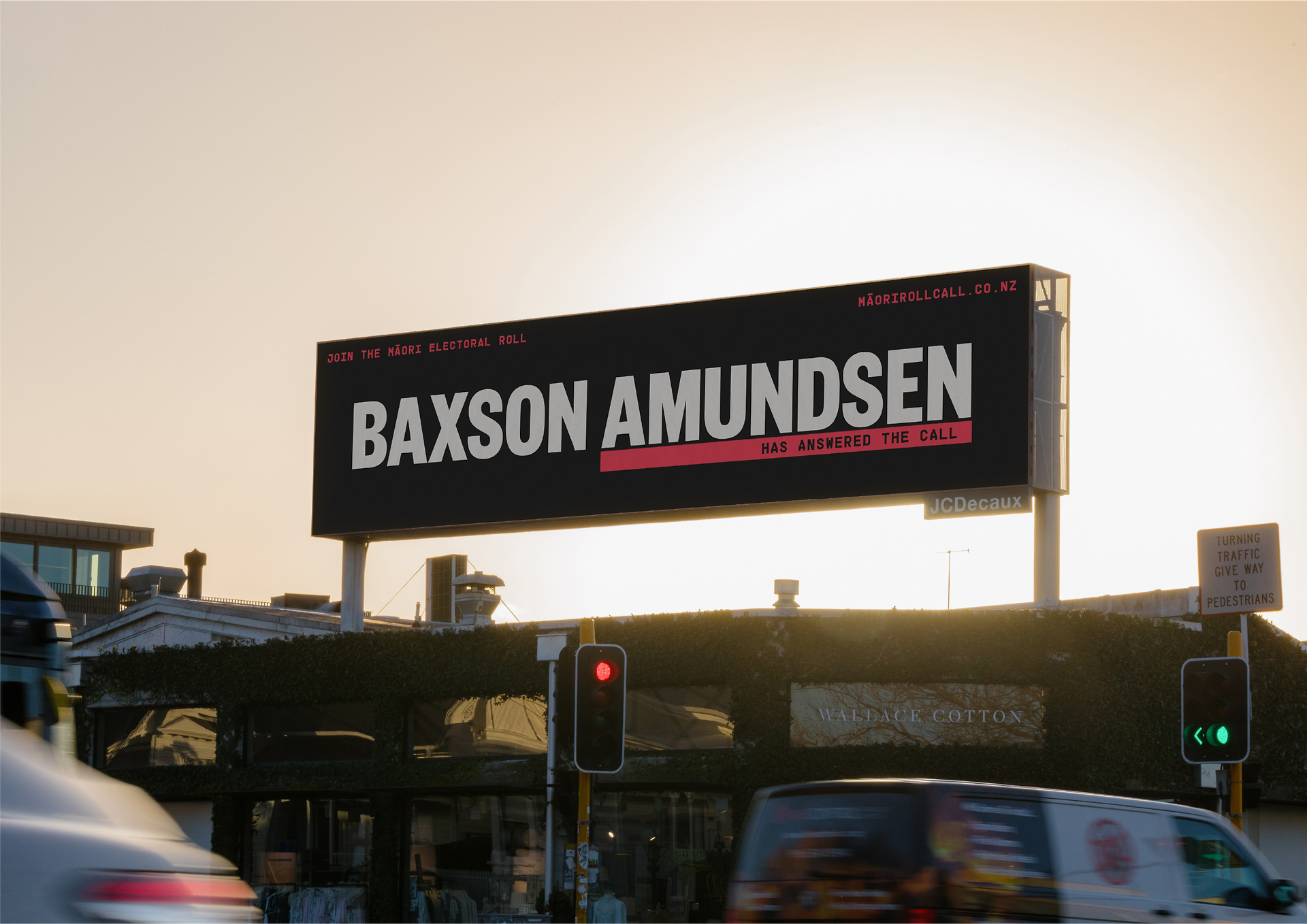
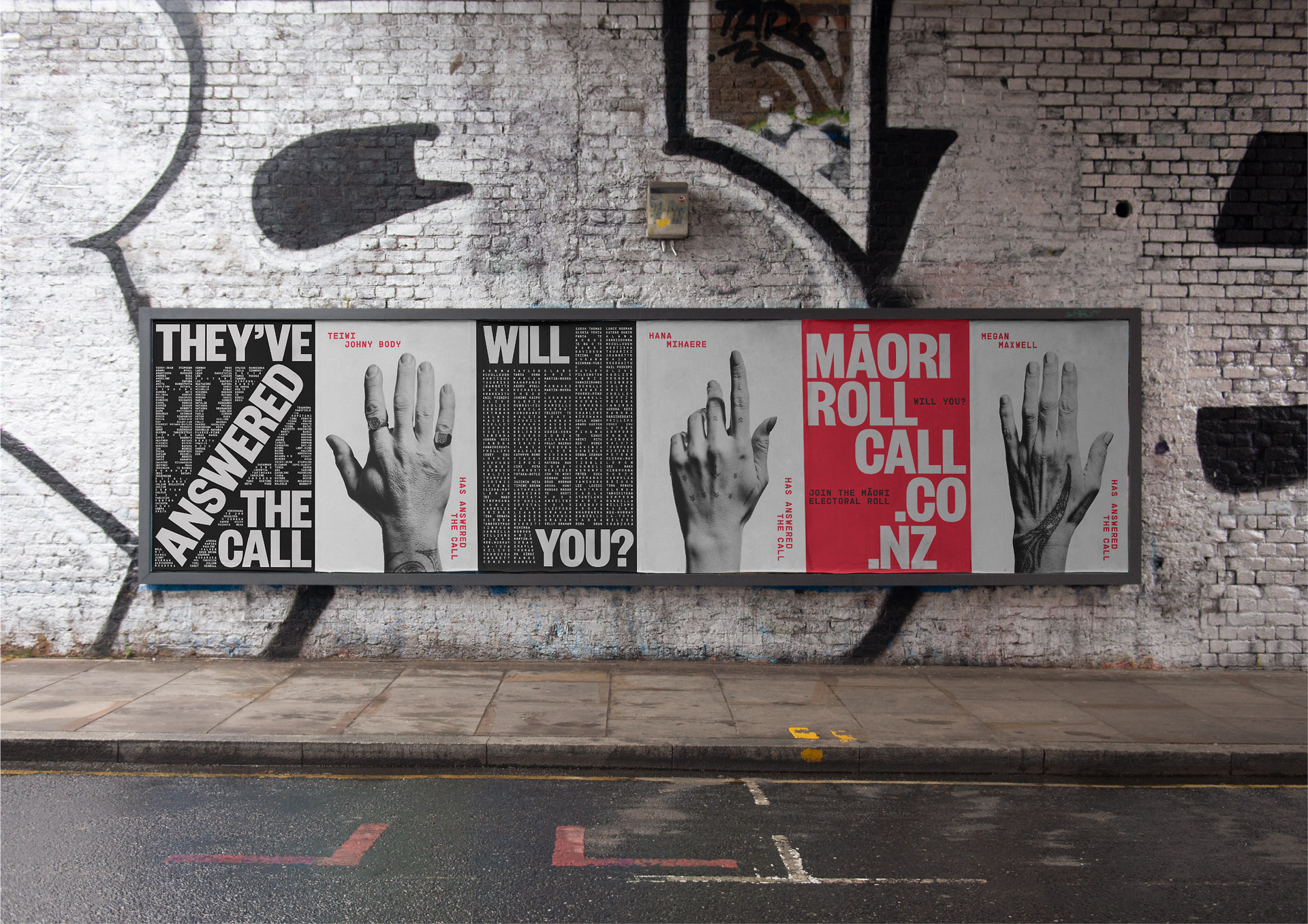
The campaign’s visual identity, used across its digital extensions (microsite, videos, posters, and social media), features a robust typeface with clean lines and balanced proportions, evoking an institutional tone without losing its humanity. The dominant color is a deep red, associated with both Māori land and mana—spiritual energy—contrasted with dark and neutral tones for gravitas.
The result is a cohesive graphic and audiovisual design, where every aesthetic choice serves the narrative. Nothing is superfluous. Everything contributes to a sense of symbolic weight and emotional truth.
The digital and social experience
The campaign went beyond audiovisual storytelling to become a participatory digital experience. On the microsite maorirollcall.co.nz, users could switch their registration to the Māori roll or add their name to the next call. The site mirrored the film’s visual style: deep tones, clear typography, and simple navigation that emphasized the main action—“add your name”—as both a symbolic and political gesture.
The UX design focused on emotion and accessibility. This wasn’t an informational platform; it was an emotional extension of the message. Animations were subtle, micro-sounds reinforced the sense of ritual, and the interaction flow was designed to feel less like a digital process and more like taking part in a ceremony. This approach made the site a performative experience: users didn’t just watch the campaign—they completed it.
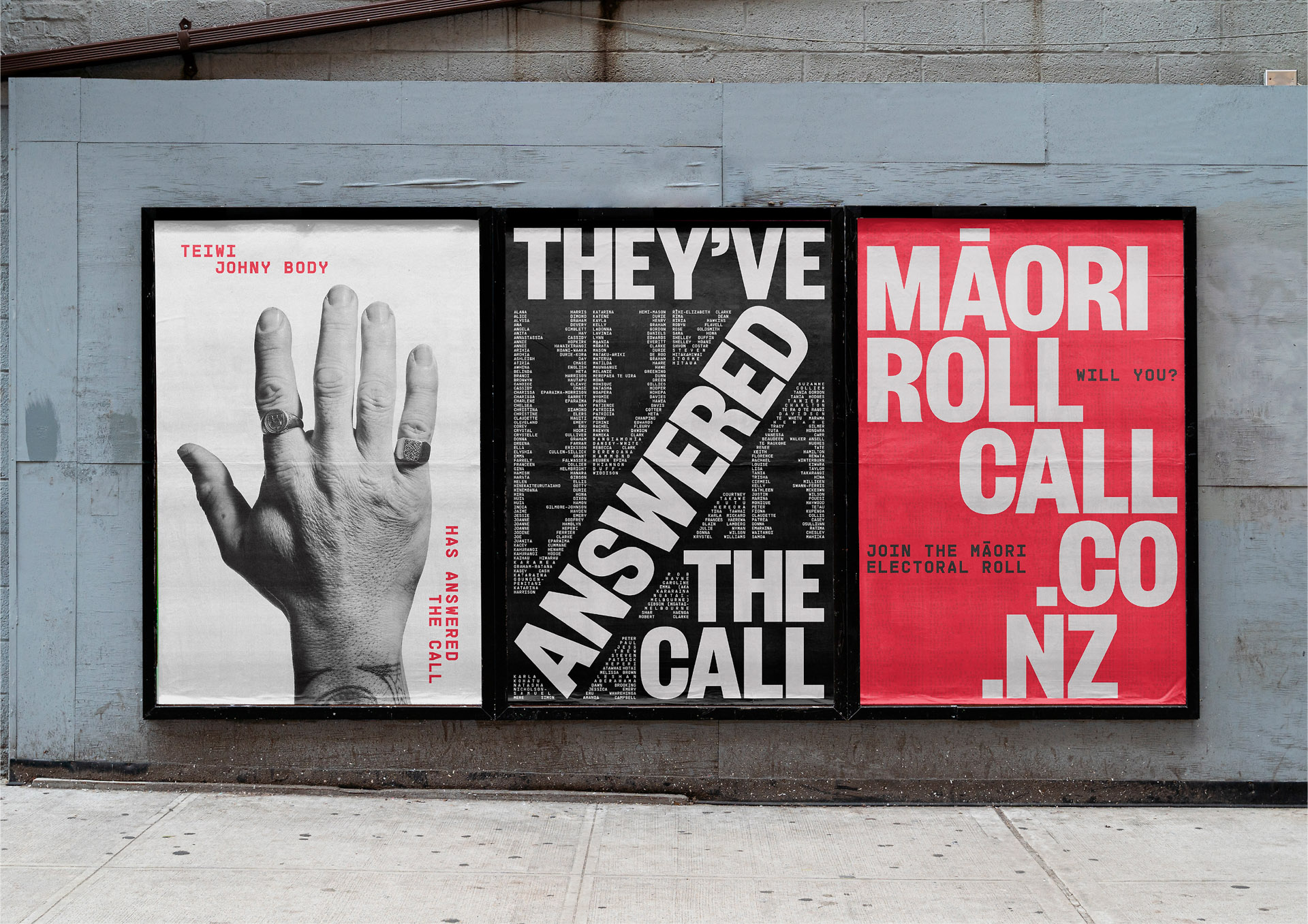
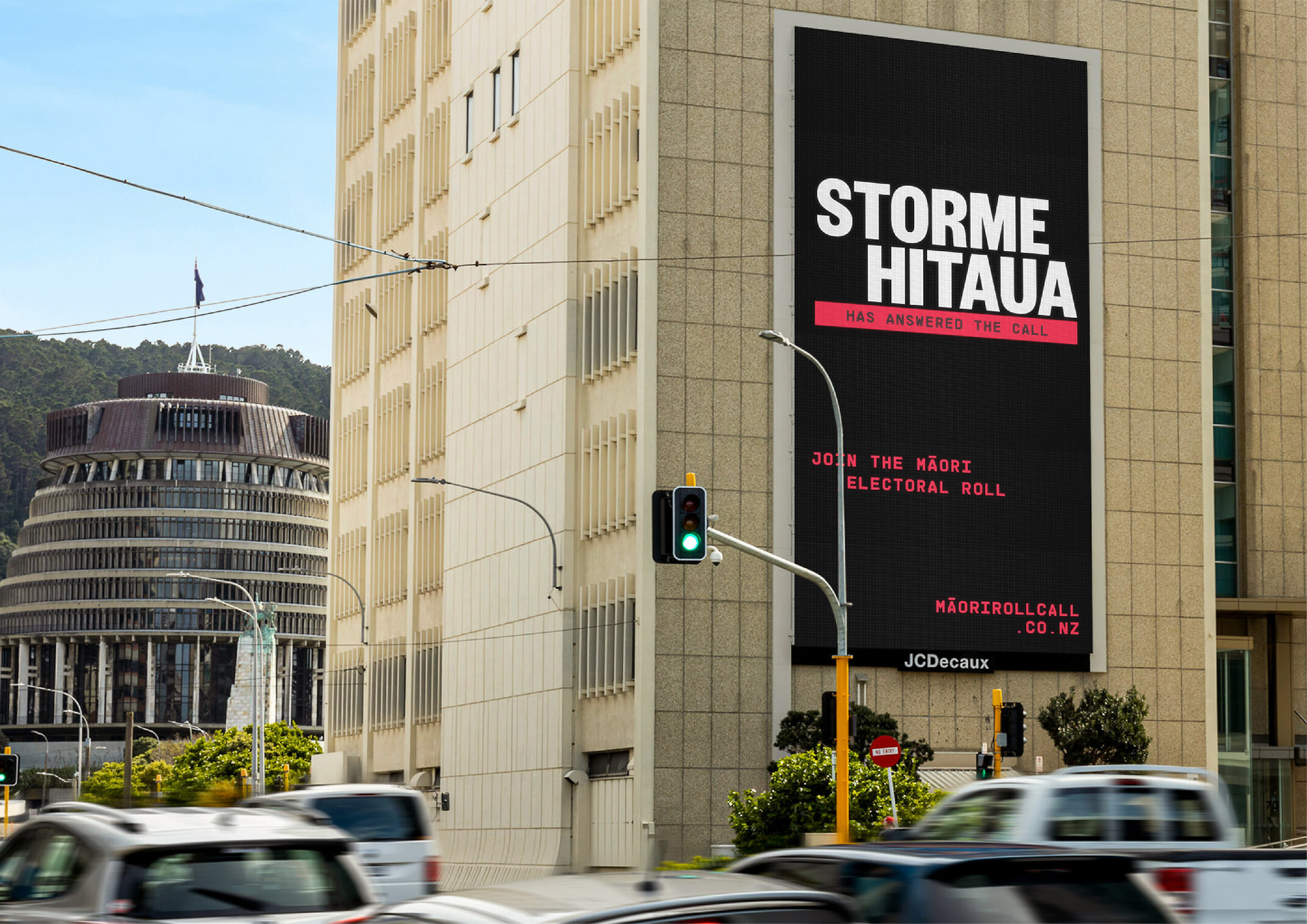
The initiative also expanded to social media and public spaces with custom posters featuring real names, strengthening the link between individual identity and collective action. Each name was a call, each poster a declaration of belonging. The digital and physical strategies worked in tandem, amplifying the message and reinforcing the visual narrative.
Cultural impact and results
The impact of The Māori Roll Call was immediate and profound. It not only received coverage from major national outlets—1News, RNZ, TVNZ—but also sparked parliamentary debate about the campaign’s political and cultural power. Within weeks, thousands visited the microsite and shared the film, turning what began as a communications initiative into a social movement.
What stands out most is not the numbers, but the symbolic shift: registration was no longer seen as a chore, but as an act of cultural affirmation. As the Best Design Awards judges put it, the campaign was “emotionally resonant, visually powerful, and conceptually clear,” highlighting its ability to turn the abstract—political representation—into something tangible and human.
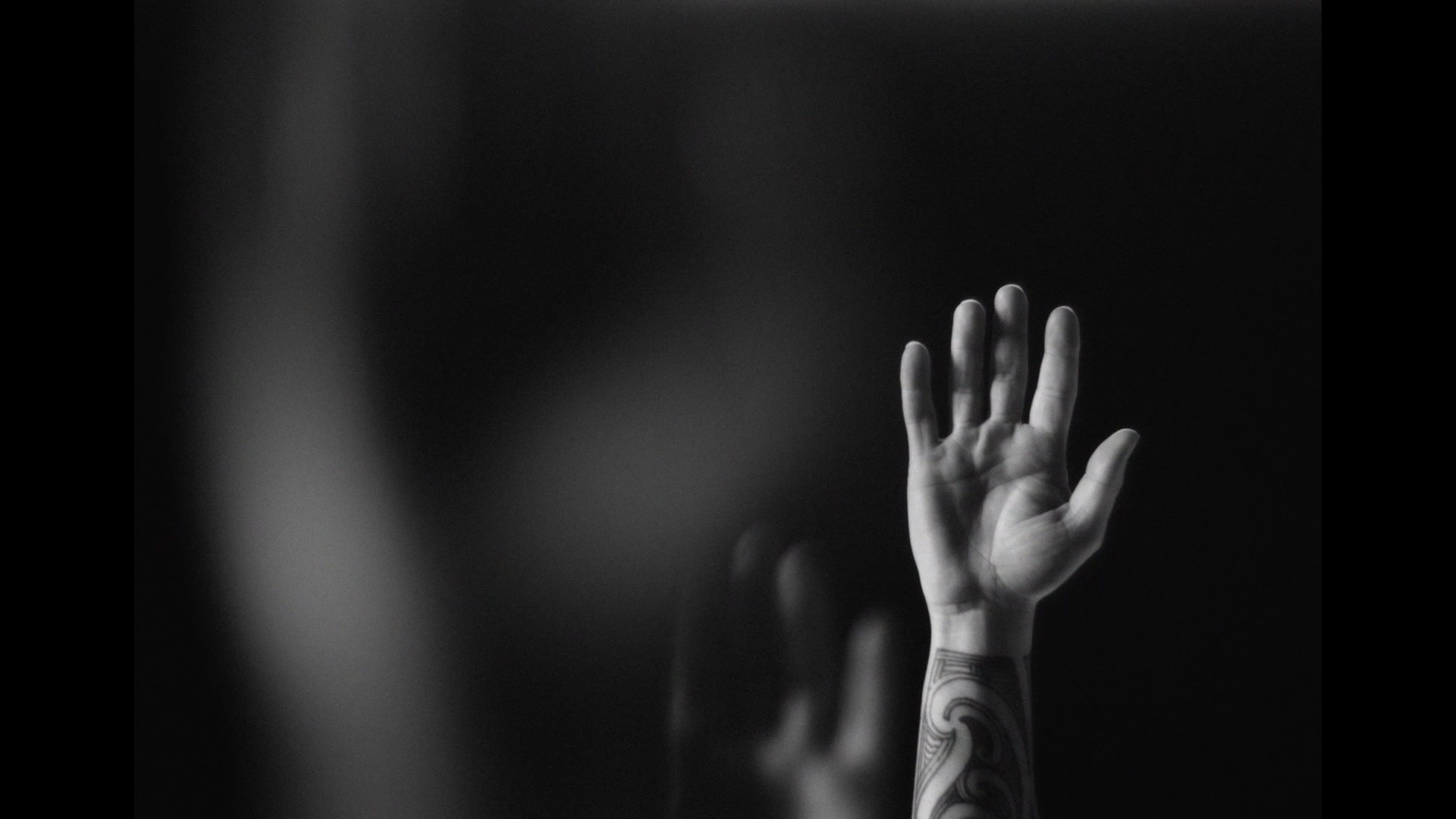
The recurring symbol of the raised hand encapsulates the campaign’s message: answering the call is not about obedience, but about claiming the right to be heard. That hand stands for identity, protest, and pride. At the intersection of graphic design, art direction, and social strategy, Motion Sickness created a work that doesn’t just communicate—it moves, invites, and transforms.
Design with soul: the role of Motion Sickness
The success of this campaign can’t be understood without recognizing Motion Sickness’s philosophy. Based in Auckland, the team is known for tackling social and cultural issues through contemporary design. In The Māori Roll Call, their role was closer to that of an artistic collective than a traditional agency. The balance between cultural authenticity and visual excellence was key to the outcome.
The creative direction, led by Sam Stuchbury and Melina Fiolitakis, with cultural collaboration from Kātene Durie-Doherty and the participation of Tāme Iti, built a bridge between contemporary art, activism, and mass communication. The campaign proves that purpose-driven design can be beautiful, strategic, and deeply human all at once.
A new paradigm for digital design
The Māori Roll Call sets a new standard for social digital design. It’s not just about delivering a message, but about creating an emotional and cultural experience that inspires action. The blend of visual minimalism, cultural symbolism, and digital participation makes this project a powerful example of how design can be a language, a bridge, and a vehicle for change.
In a global context where misinformation and political apathy threaten civic engagement, this project offers a clear lesson: design shouldn’t just inform—it should inspire. And when it does so with empathy and authenticity, its impact can cross borders.
Conclusion
The Māori Roll Call is far more than a digital campaign: it’s a visual manifesto about belonging and voice. In a world where design is often linked to commerce, this project reminds us of its potential for the common good. Motion Sickness achieves what few studios do: using design not to sell, but to shape a social conversation.
Winner of the Best Design Award 2025 in the Digital Campaigns category, this work redefines the boundaries between art, politics, and digital design. It doesn’t seek likes or metrics; it seeks resonance. And it achieves this by placing soul at the heart of design.
At Code Barcelona, we celebrate The Māori Roll Call as an example of purposeful design—a reminder that true innovation happens when design stops speaking about itself and starts speaking for all of us.