One of the key strategies often used in digital marketing to drive results is leveraging a psychological concept known as FOMO (Fear of Missing Out). Let’s look at a few examples of how this psychological trigger can be integrated into your digital marketing campaigns.
In recent years, FOMO has skyrocketed among users of various social networks like Snapchat, Instagram, Facebook, and others. Whether through ads or influencers, it’s one of the most effective techniques for boosting sales, increasing engagement, and driving successful brand or product promotion.
Digital Marketing and Psychology: FOMO, the Fear of Missing Out
The psychological factor of FOMO is especially powerful among Millennial social media users, who collectively have significant purchasing power and represent a major consumer segment.
Users susceptible to FOMO are much more likely to follow you on social media and can be easily motivated to make impulsive purchases, driven by the fear of missing out.
Below, we’ll explore some simple techniques you can use to harness this powerful factor in your digital marketing strategy.
Leveraging Exclusivity
The need to belong is one of the strongest social drivers in human behavior. Being part of a select or exclusive group gives people a sense of satisfaction and identity.
Combining scarcity with exclusivity is also a highly effective way to make users want to join a select, limited group.
One of the most common methods is the loyalty card, which offers rewards for points, discounts after a certain spending threshold, or special promotions as customers continue to shop. This approach translates well to online marketing via social media, where FOMO plays a crucial role. You can create promotions accessible only to certain members, who then receive exclusive discounts or gifts.
Pre-orders and Advance Purchases
Another powerful hook for attracting customers is offering special perks to those who buy before a product’s official launch. This tactic is widely used in the gaming industry, where pre-ordering a game often comes with exclusive characters, in-game advantages, visual upgrades, and more.
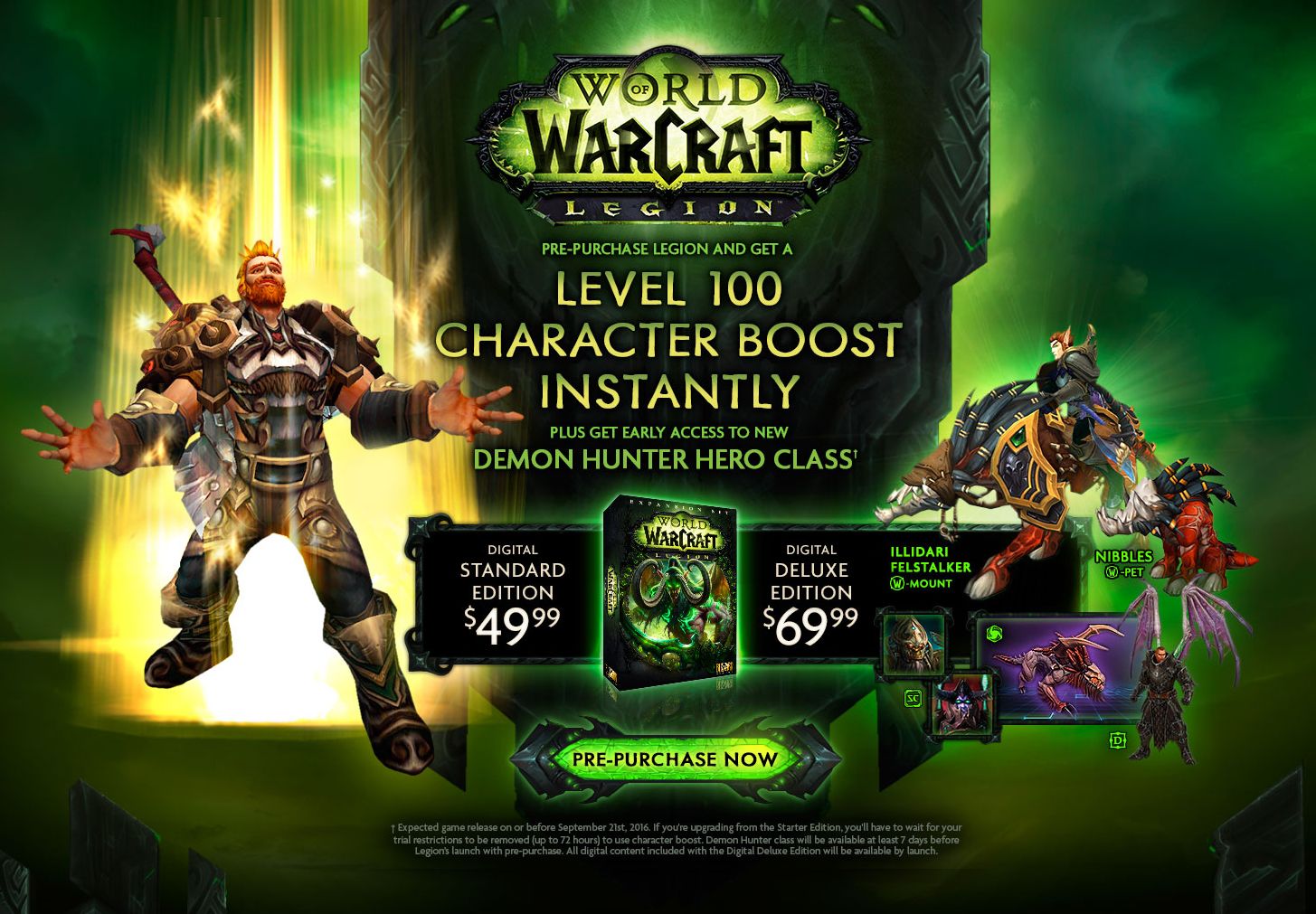
In multiplayer games, where competition is fierce, you can imagine just how effective this technique can be. This strategy also offers several benefits to companies:
- They can generate revenue even before the game is released
- Early profits can be reinvested in final development stages or marketing
- The game hasn’t yet been reviewed by other users, so if it turns out to be a flop, negative reviews can’t deter early purchases
- With revenue already secured, there’s less pressure to meet the originally announced release date
Creating Scarcity and Urgency
Creating a sense of scarcity and urgency has always been a proven sales technique, and when combined with FOMO, it becomes even more effective. As you probably know from experience, it’s common to make impulsive purchases of products we don’t really need when we see a limited-time discount. Flash sales, seasonal promotions, and similar tactics all play on the fear of missing out.
In digital marketing, especially on social media, features like Snapchat and Instagram Stories—content that disappears after a set time—fuel FOMO among users. We get to see our followers’ experiences for just 24 hours. It may seem trivial, but this keeps users hooked and constantly checking their feeds.

To make the most of FOMO on social media as part of your digital marketing strategy, using Instagram Stories not only gives your brand a more human and relatable image, but also creates a sense of urgency among your followers. Imagine using this tool strategically—for example, releasing limited-use promo codes or offering discounts via stories that last just 24 hours, with no prior notice. This will keep your followers glued to every story you post, where you can share content that matters to your brand and, occasionally, surprise them with a special offer.
Conclusions
As you can see, using FOMO—the fear of missing out—is a powerful way to attract potential customers, and if used correctly, it can deliver outstanding results. As with any tactic, moderation is key; the goal is to create a genuine sense of exclusivity among your audience. If you haven’t tried this technique yet, now’s the perfect time to add it to your digital marketing strategy!