This week, we’re showcasing three outstanding food packaging design projects that are truly remarkable.
Hopefully you’ve already eaten—otherwise, you might find yourself getting hungry! But fair warning: this week’s article is so innovative, it’s more likely to spark your creativity than your appetite.
Get ready for a burst of creativity and innovation that might just blow your mind.
As always, I’ll use these projects to discuss their unique approaches and share some practical tips for creating these gems of design and creativity.
Let’s dive into three inspiring examples that will amaze you with their food packaging design.
Interested in having us handle a similar project?
Food Packaging Design
UNICALORIE
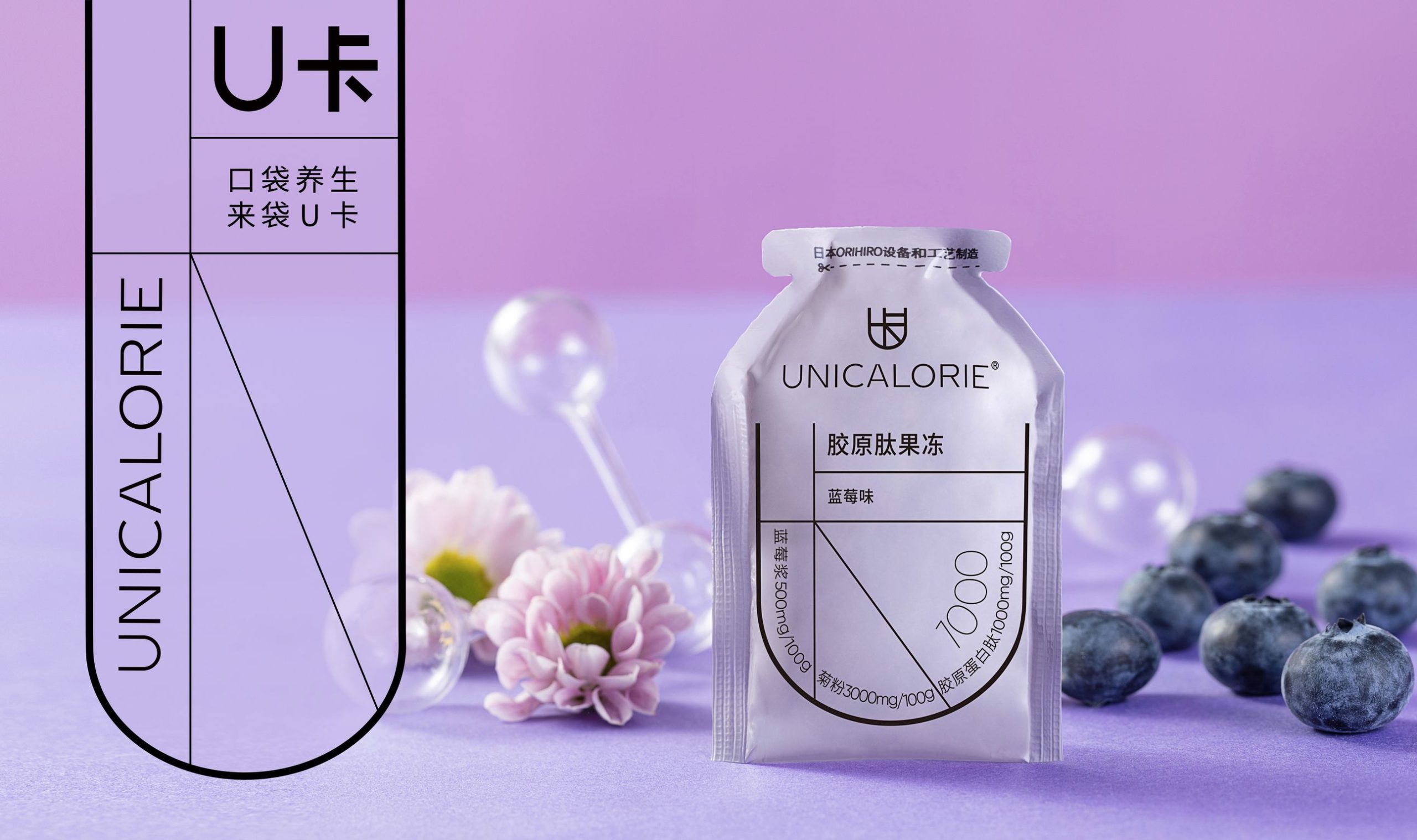
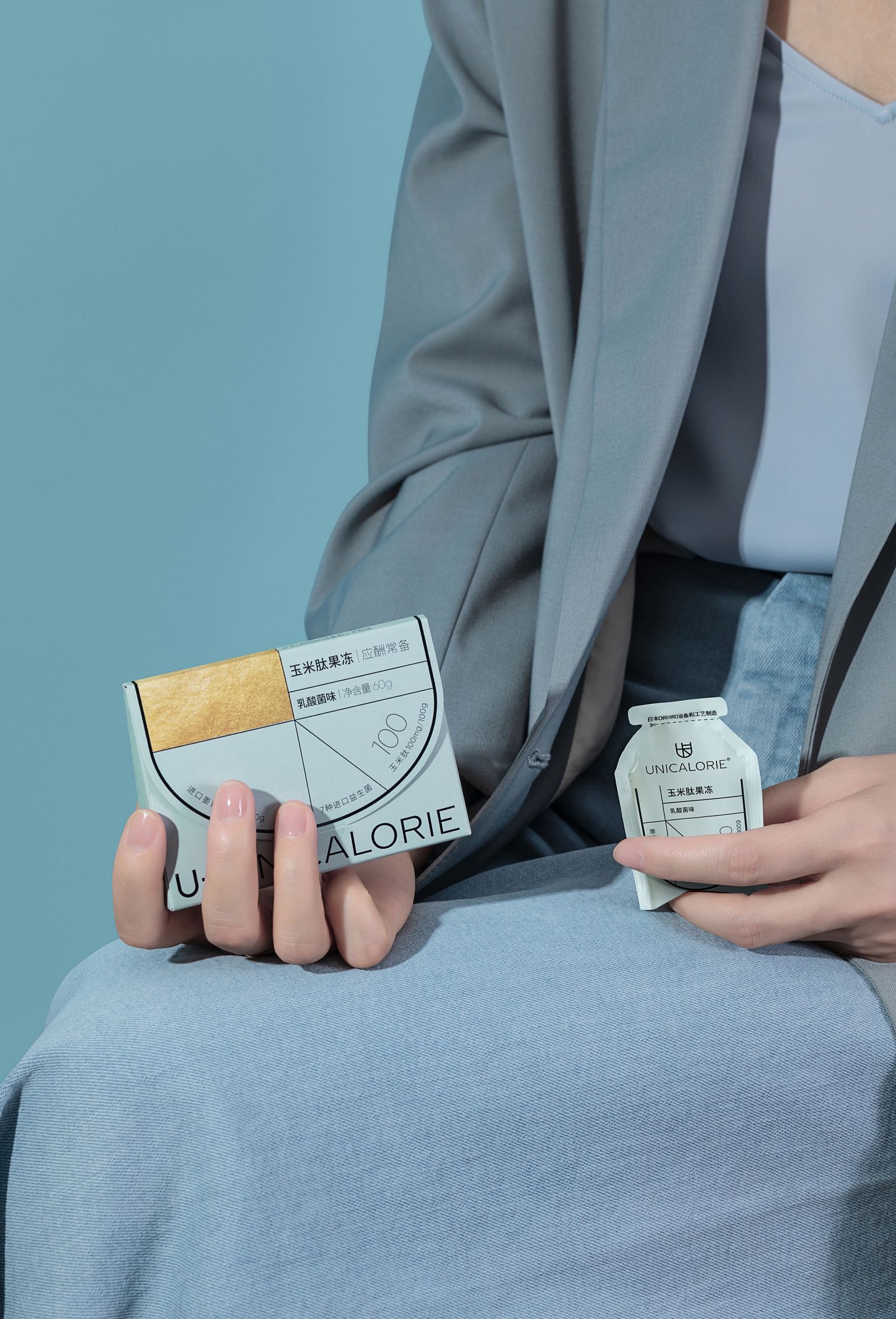
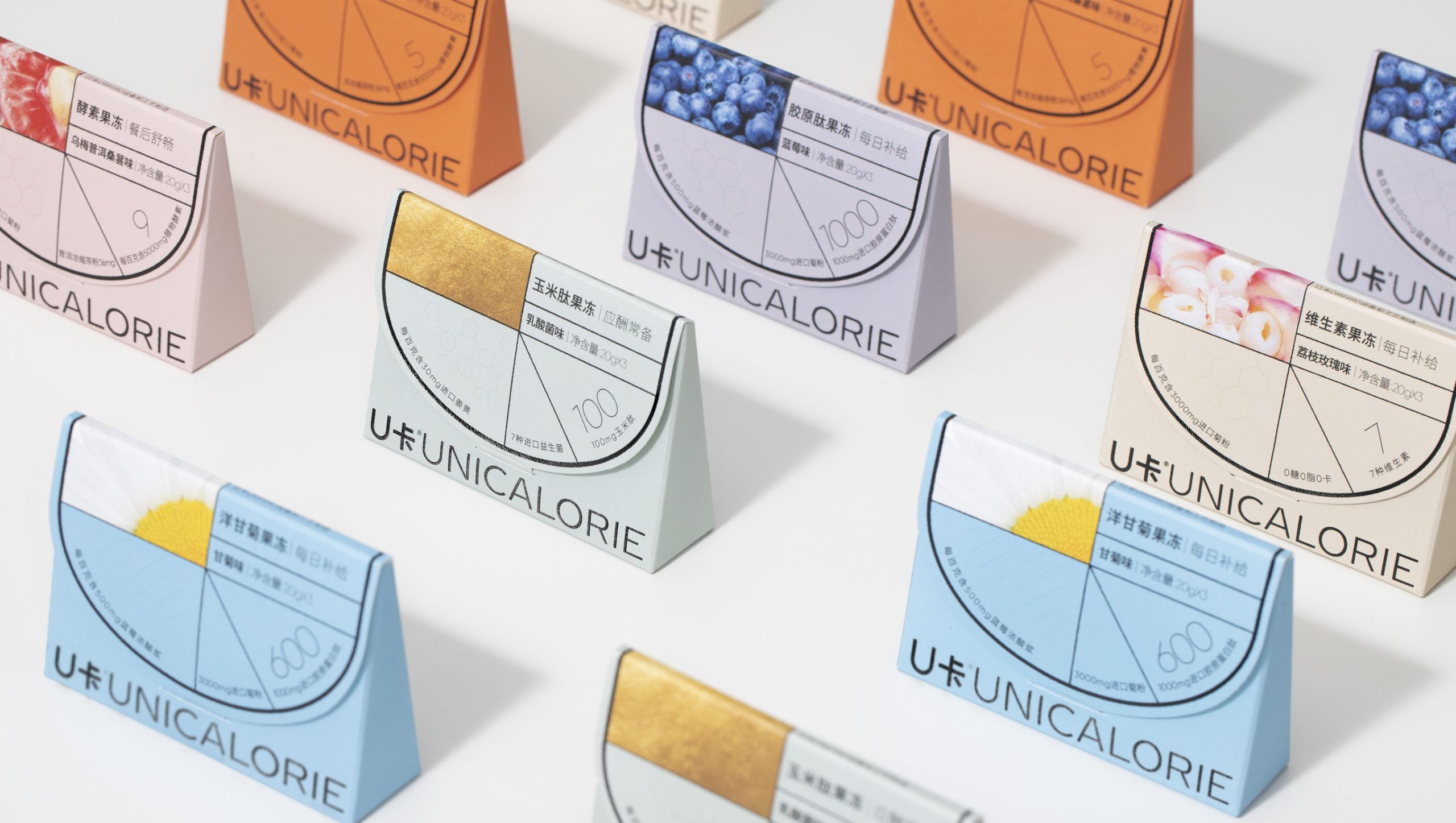
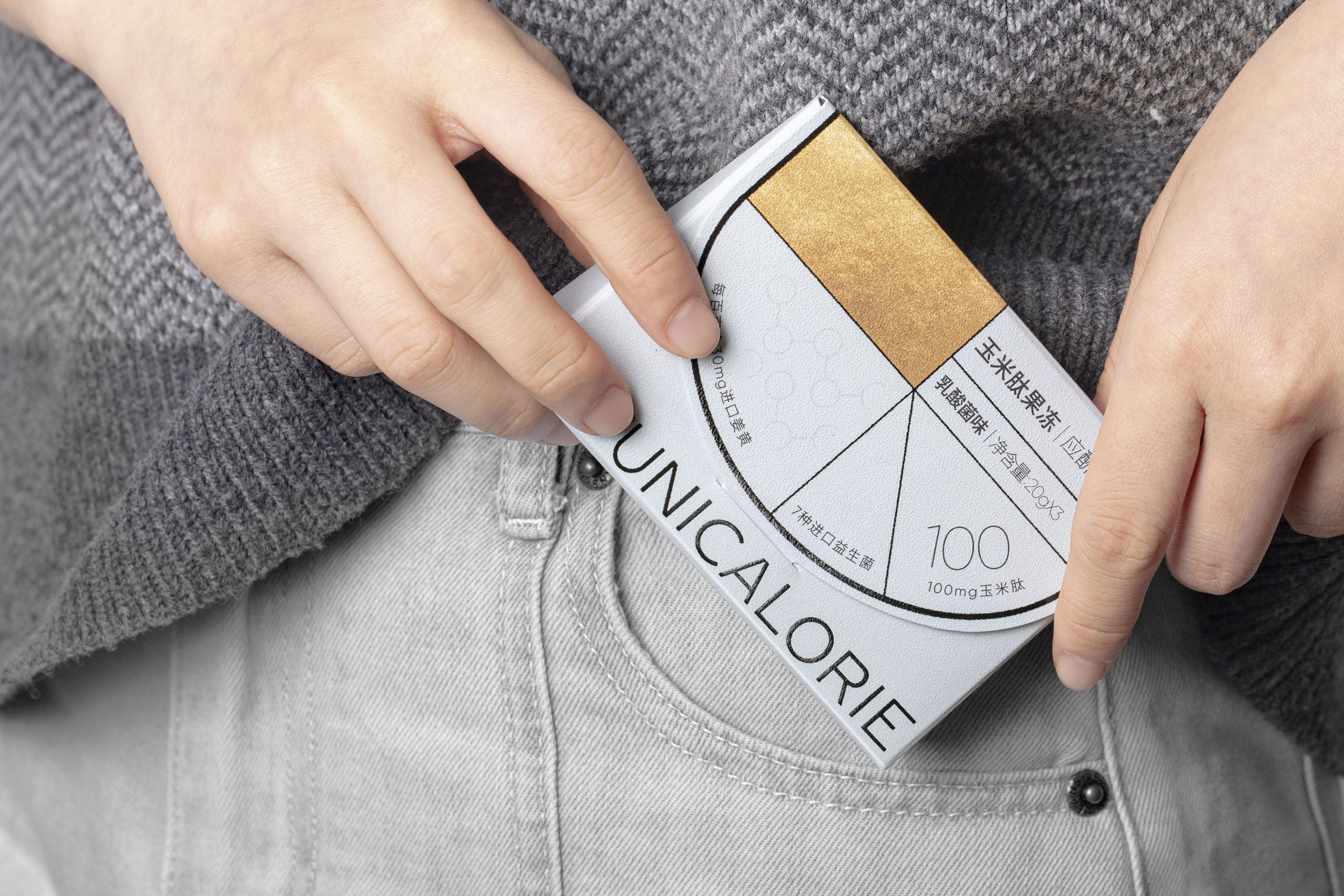
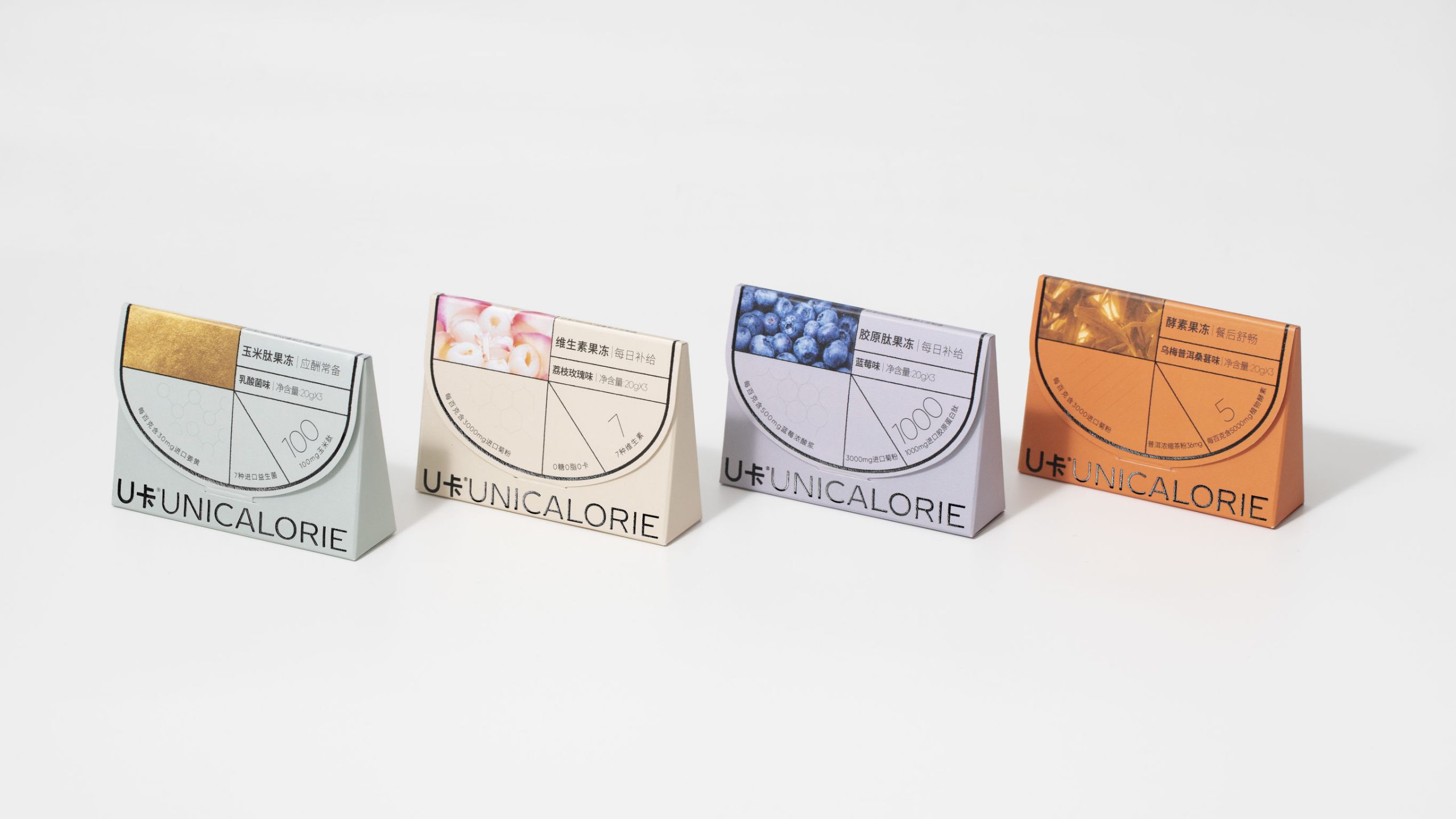
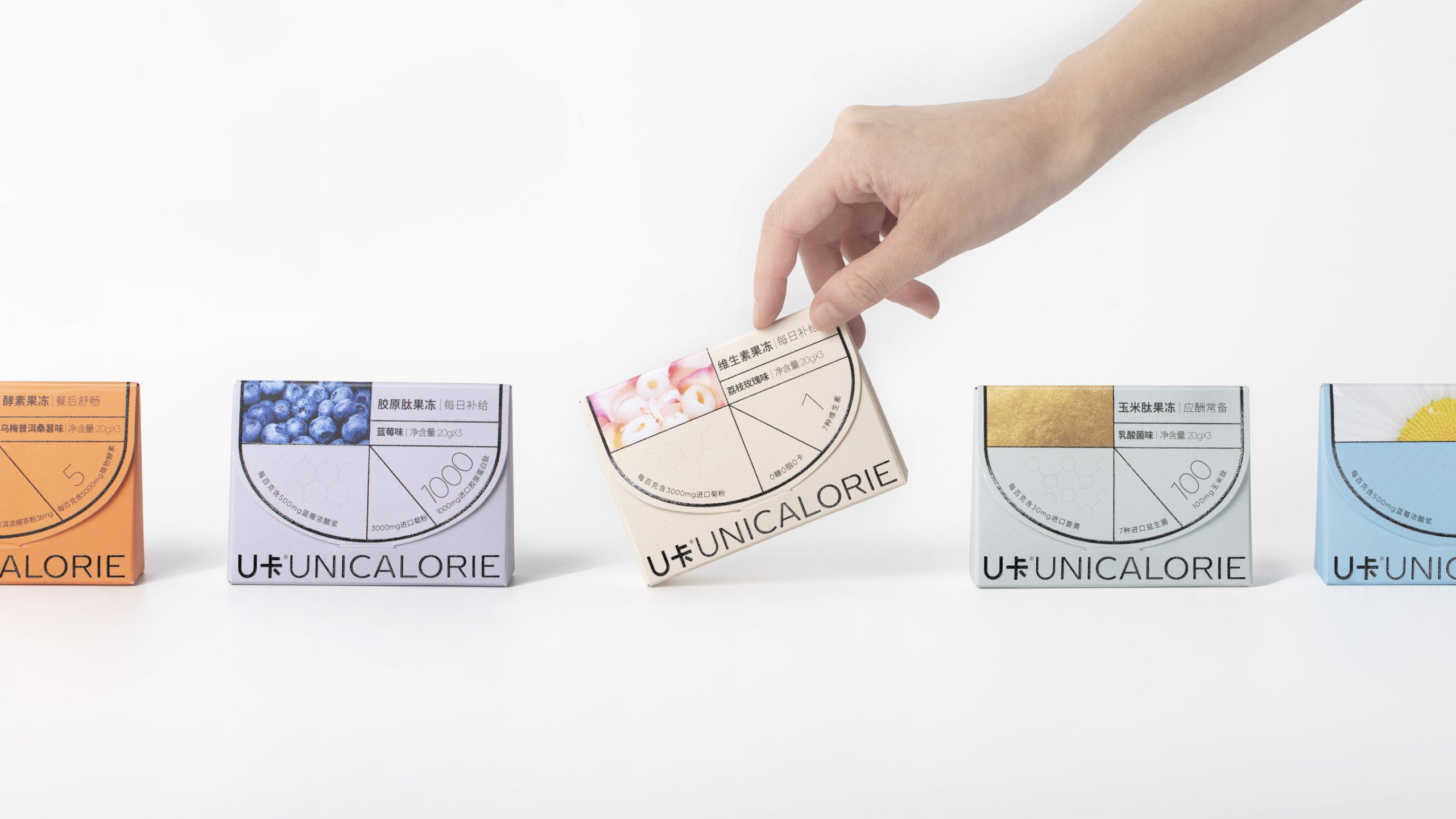
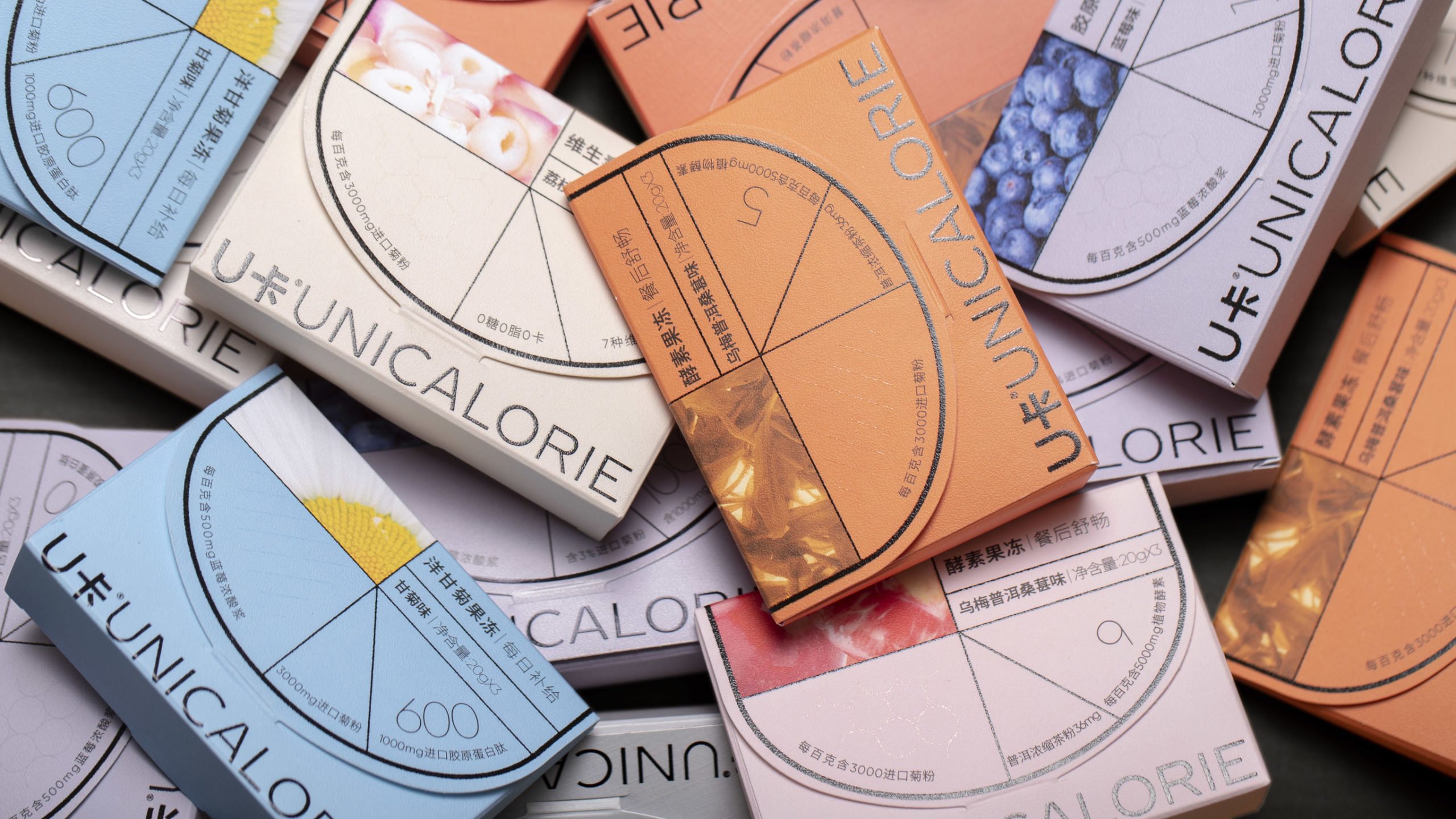
Food packaging design by the graphic design studio L3 Branding
UNICALORIE is a company that produces scientifically formulated gelatin snacks based on the concept of “pocket health”—in other words, health on the go. What sets them apart is the wide variety of nutrients packed into each flavor.
This innovative idea aims to solve a common problem for people who spend long hours away from home: 1) eating out frequently and losing control over what they consume, or 2) having to carry their own food from home. Neither option is ideal for many reasons, so UNICALORIE has cleverly identified the problem and offers a smart solution.
Their answer? Design, produce, and distribute convenient, on-the-go food.
Tips for Food Packaging Design
Food packaging is a vast field with fierce competition and overstimulated consumers. So, the first rule when creating food packaging: be innovative.
Innovation is key in the conceptualization and development of food packaging. But be careful—not to go overboard. If you do, you risk becoming too extravagant or impractical, and consumers may overlook your product.
It’s one thing to win a packaging design award; it’s another to have a product that actually sells.
So, the first tip is twofold: be innovative, but also stay true to the company’s vision and the product itself.
Project Highlights
The product’s flap is U-shaped at the top front, making it easy to access the contents without fussing with the box. The flap itself echoes the company and product logo.
Inside the box, the sachets are ready to consume directly from the inner packaging, reminiscent of how some medications are presented—or even scenes from astronaut movies.
This project has received:
Our sincere congratulations to the L3 Branding studio for this outstanding food packaging design.
If you’d like, you can view the full project here
Interested in having us handle a similar project?
[superfeatured]7076[/superfeatured]
XIAO QI CHU FANG
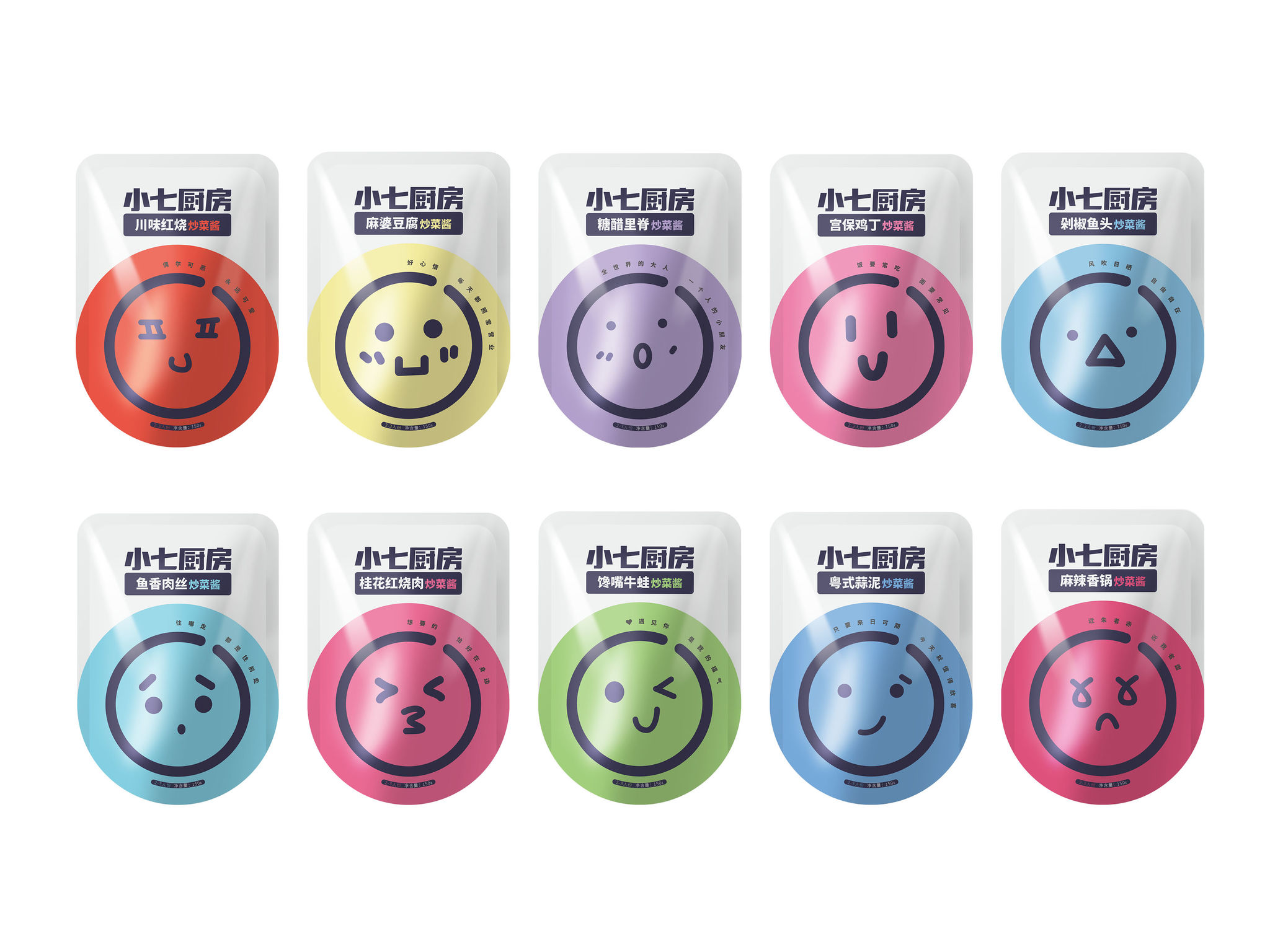
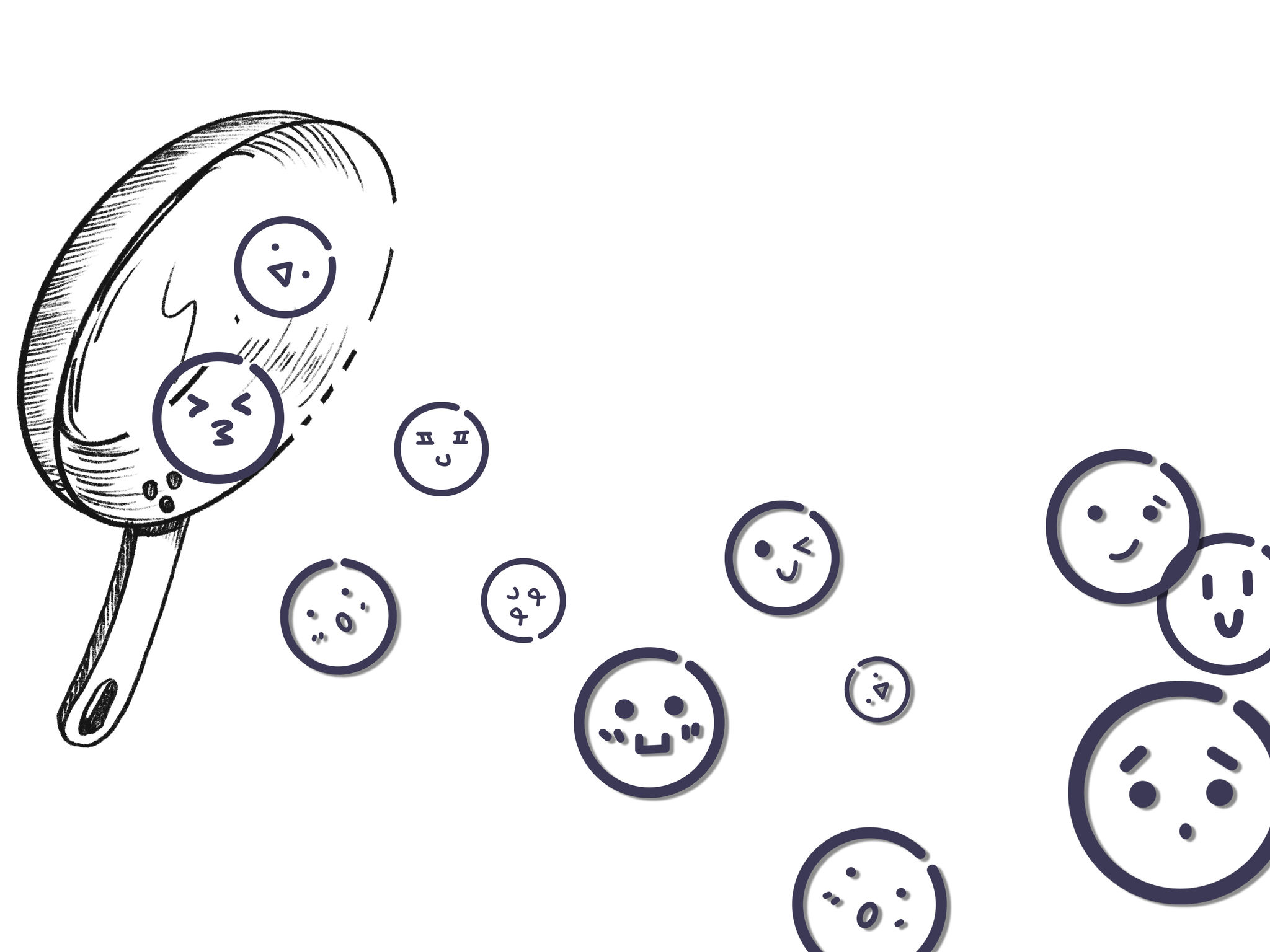
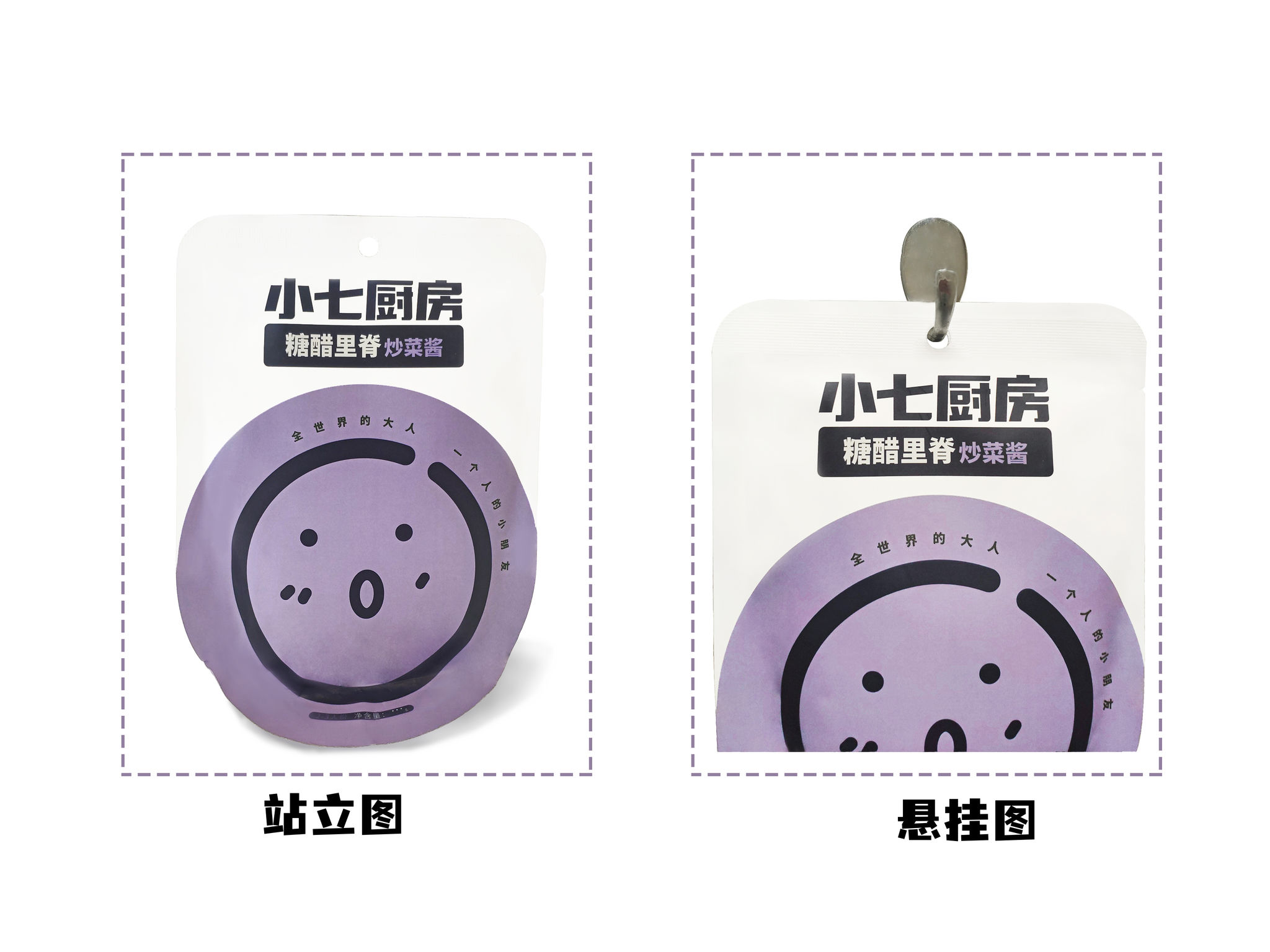
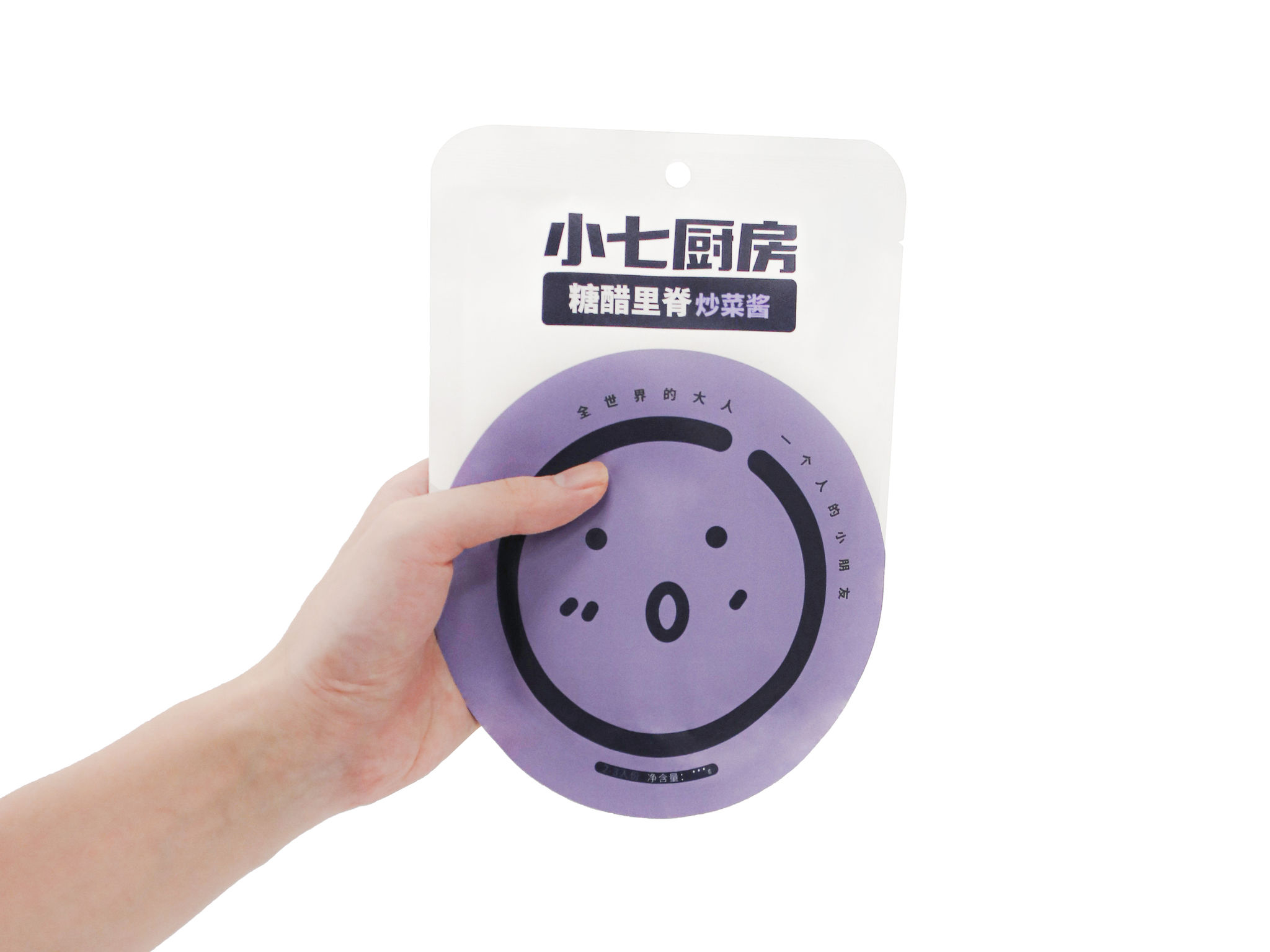
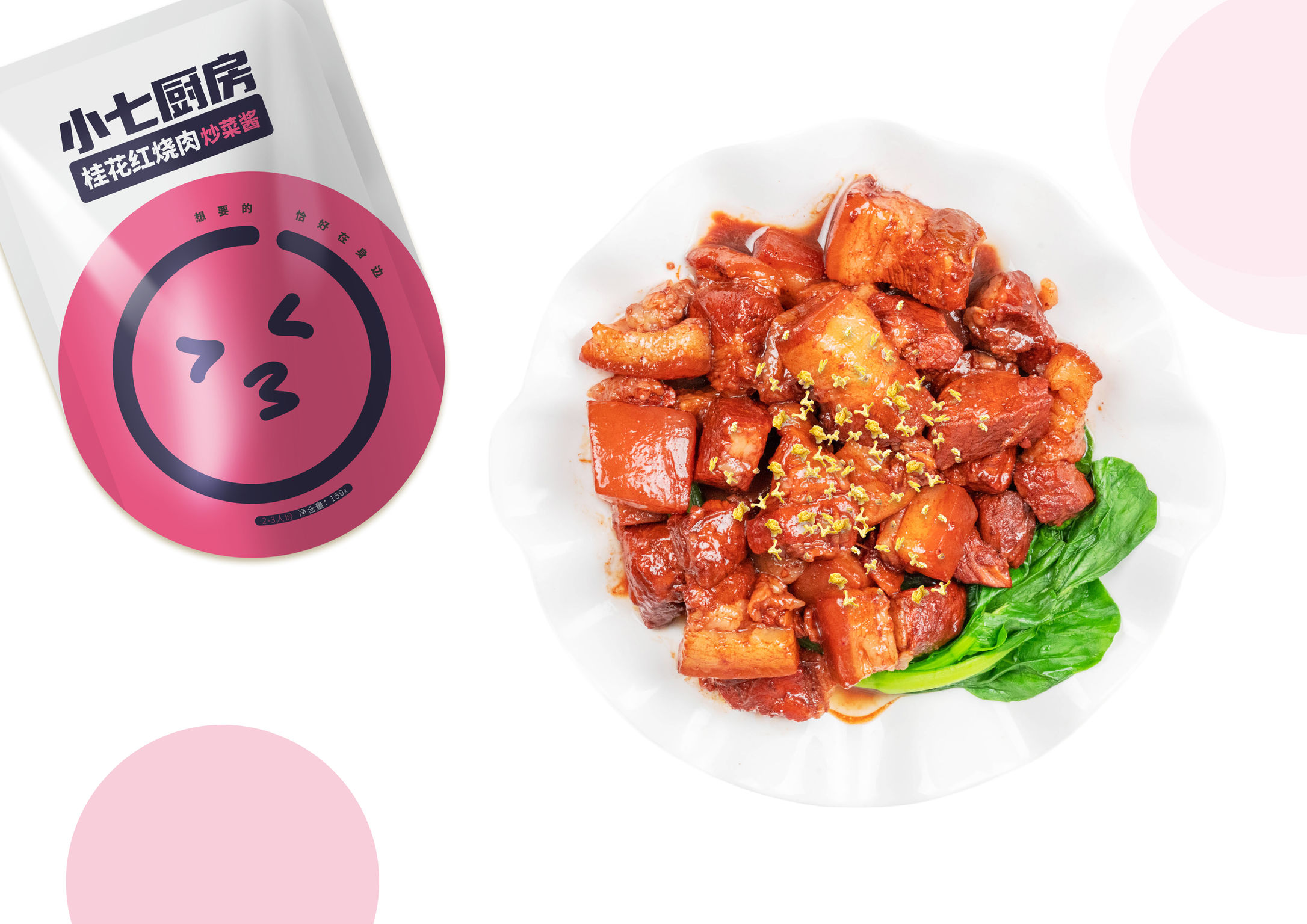
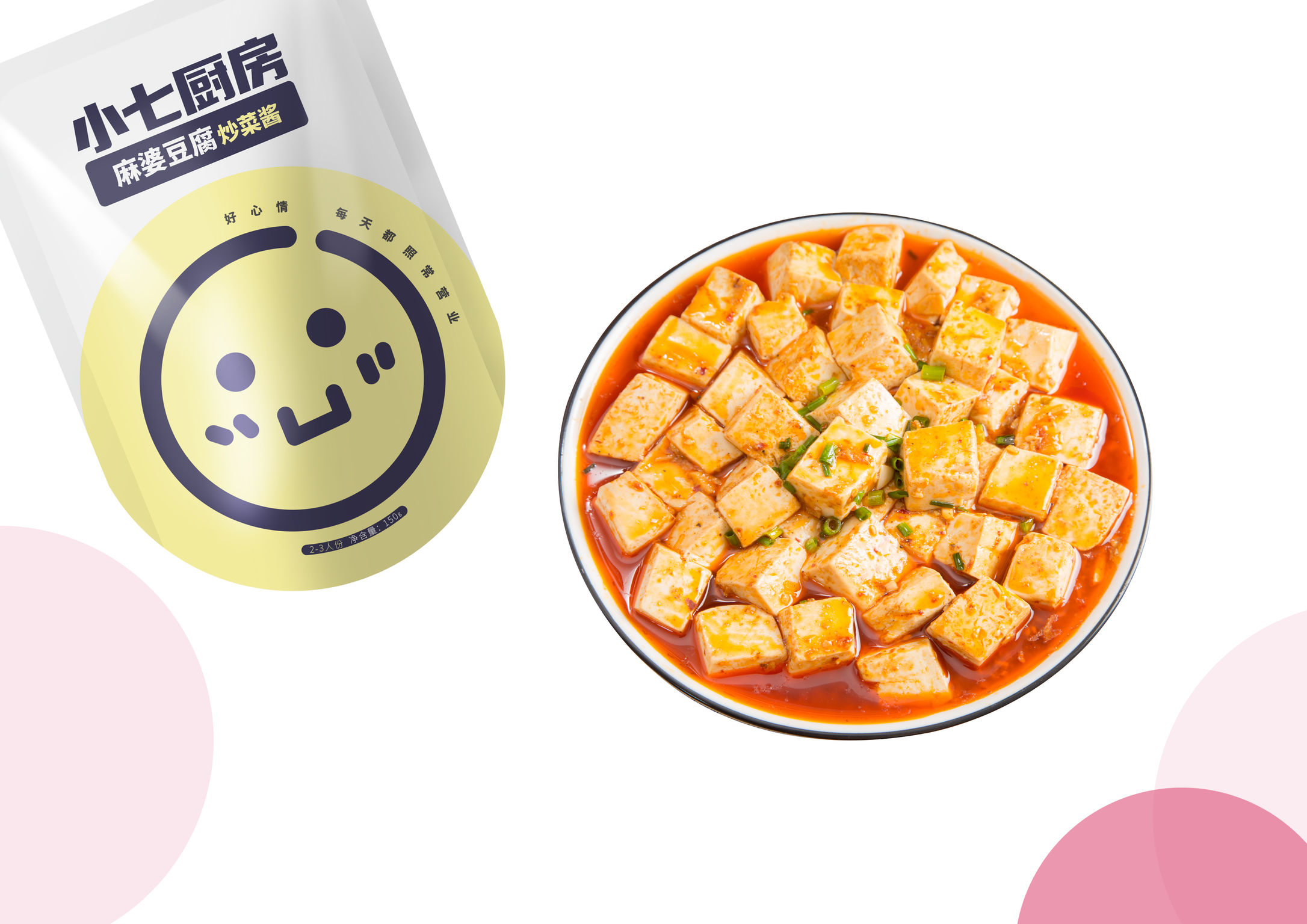
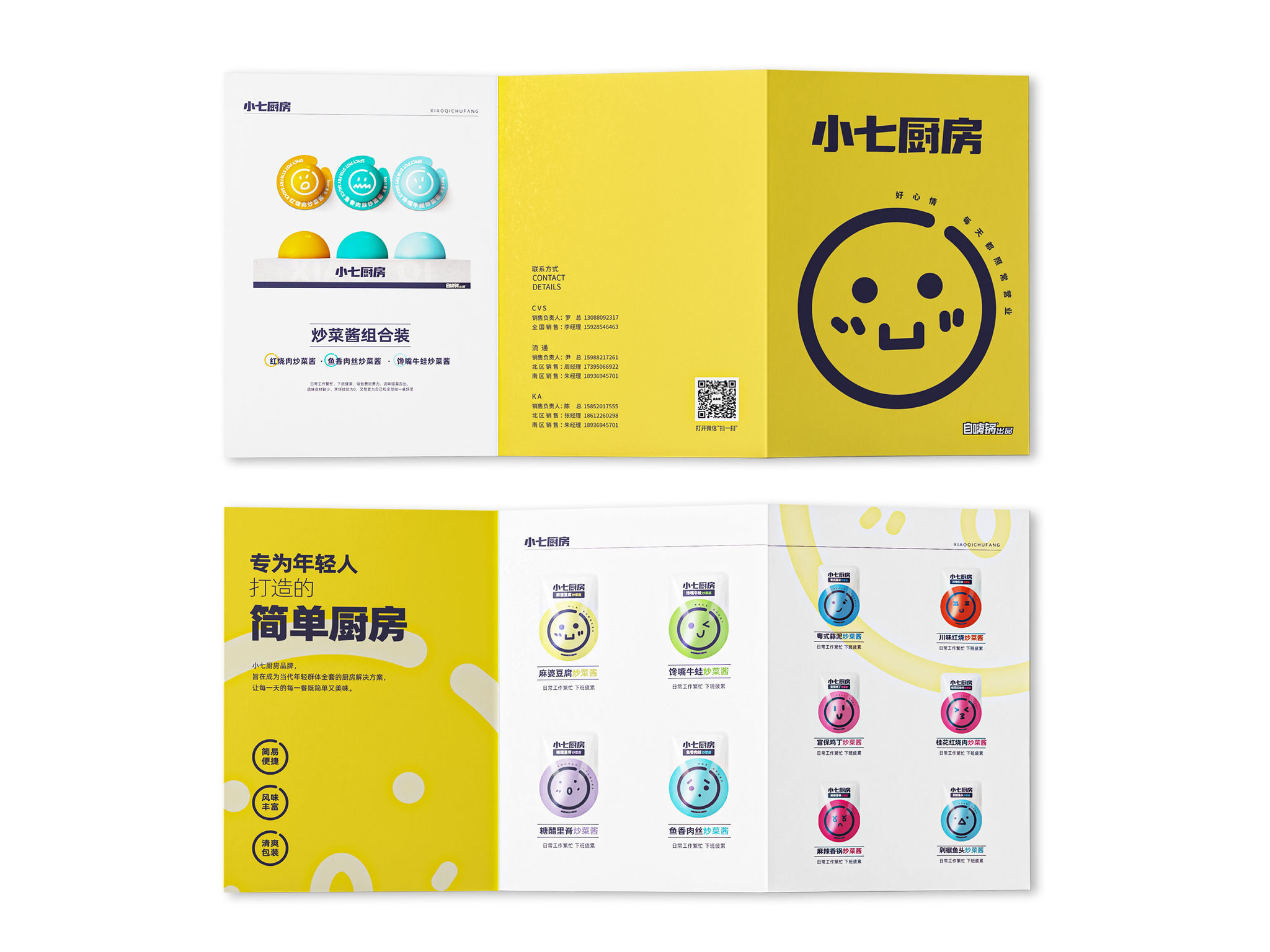
Food packaging design by Hangzhou Jinlingyang Enterprise Management Consulting Co.
Our second example is another showcase of innovation and creativity. This project is designed specifically for a young audience.
The packaging features a youthful Chinese aesthetic and incorporates MBE-style cartoon emojis throughout the series.
With playful dots and lines, it visually expresses the joy of living and cooking, offering a warm greeting to its users.
Tips for Food Packaging Design
Building on the previous tip—innovation—here’s the next: know your target audience.
Market segmentation is essential when launching a new product. If the company has done its homework, it’s much easier to define the direction for your packaging design. Otherwise, you risk missing the mark.
(Here comes the obvious part)
A product for people aged 10–20 is not the same as one for those aged 50–60…
A product aimed at a high-income demographic is not the same as one for the mass market…
And so on…
Project Highlights
On the back of the packaging, you’ll find illustrated step-by-step cooking instructions.
The arched slogan around the emoji adds a unique touch, enhancing the packaging’s expressiveness and conveying a positive outlook on life.
This project has received:
- iF Design Award in the Packaging and Food Design category
- Red Dot Award in the Food Packaging Design category
Our sincere congratulations to Hangzhou Jinlingyang Enterprise Management Consulting Co. for this exceptional food packaging design.
We would have loved to link directly to the creator’s website, but unfortunately, we couldn’t find it.
Interested in having us handle a similar project?
[superfeatured]7076[/superfeatured]
Anti-theft Fishlike Wings Box
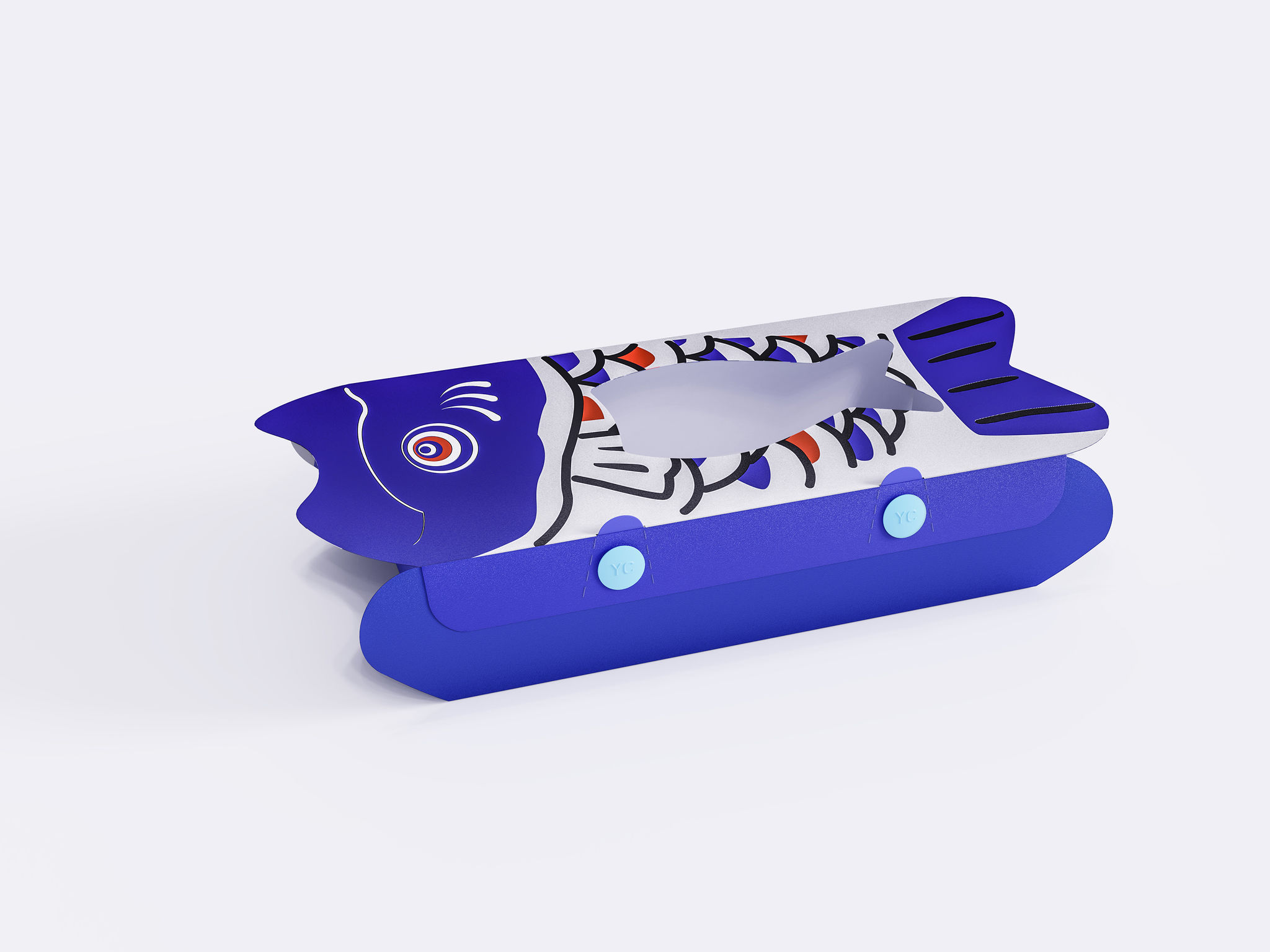
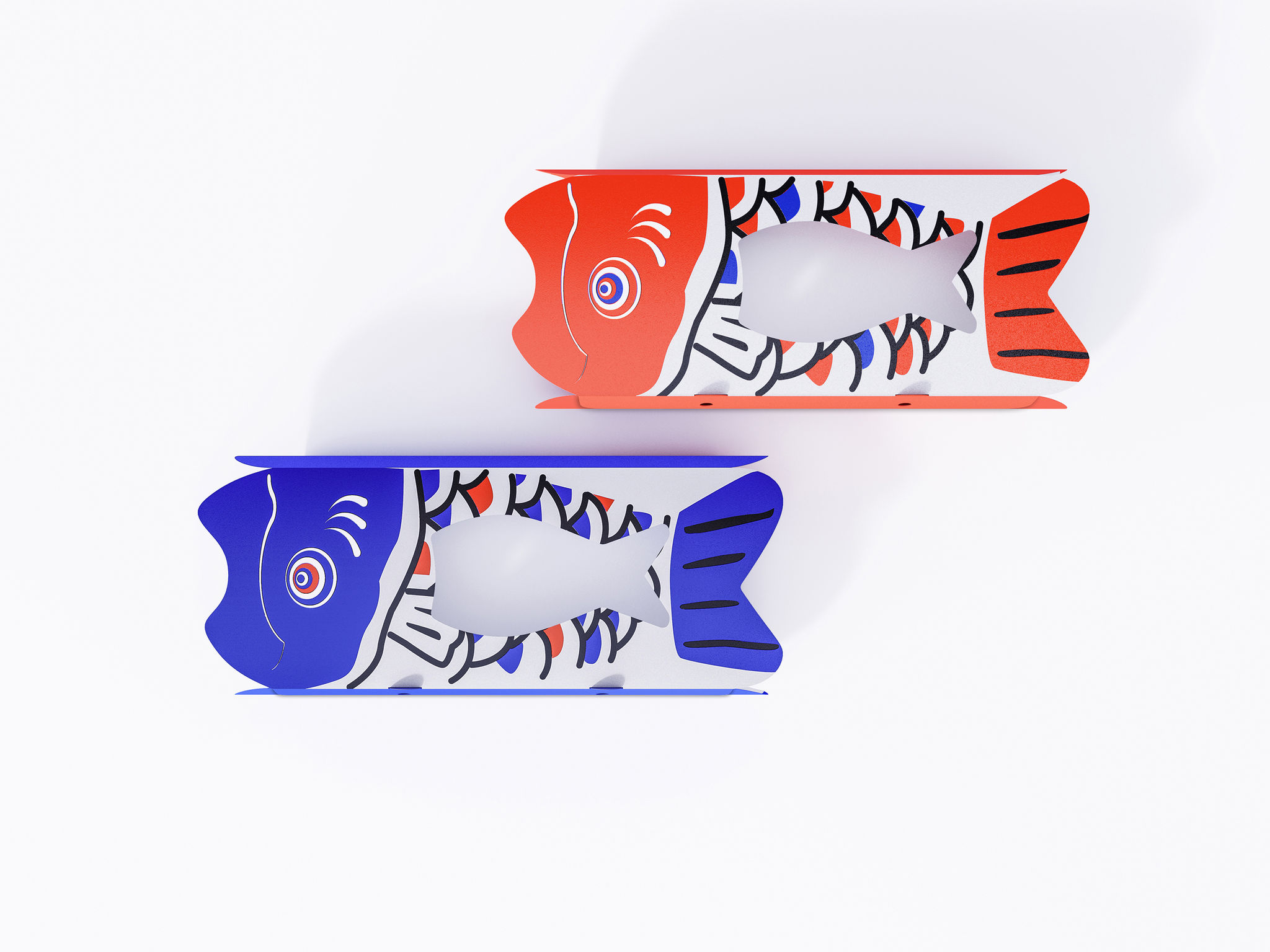
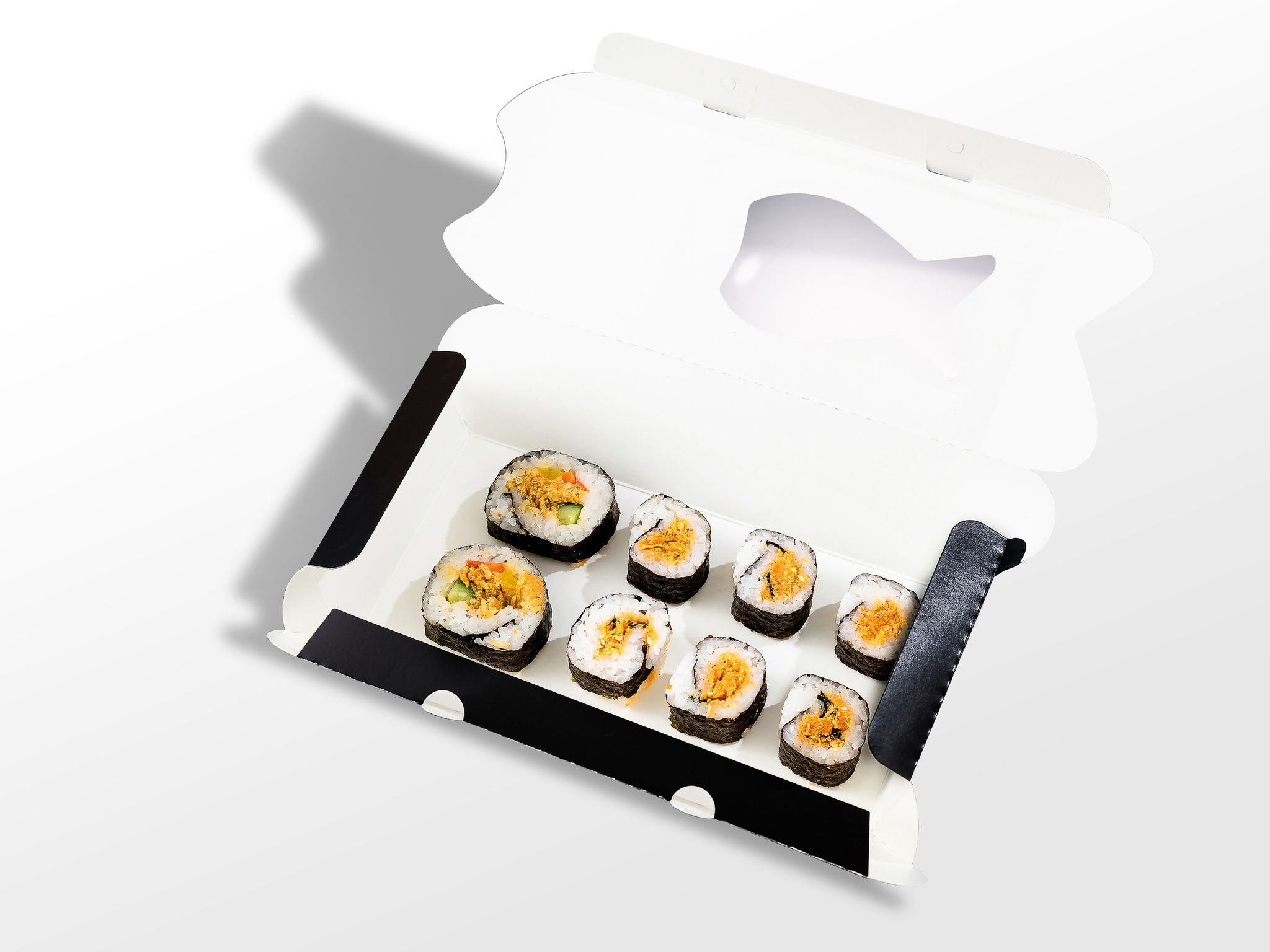
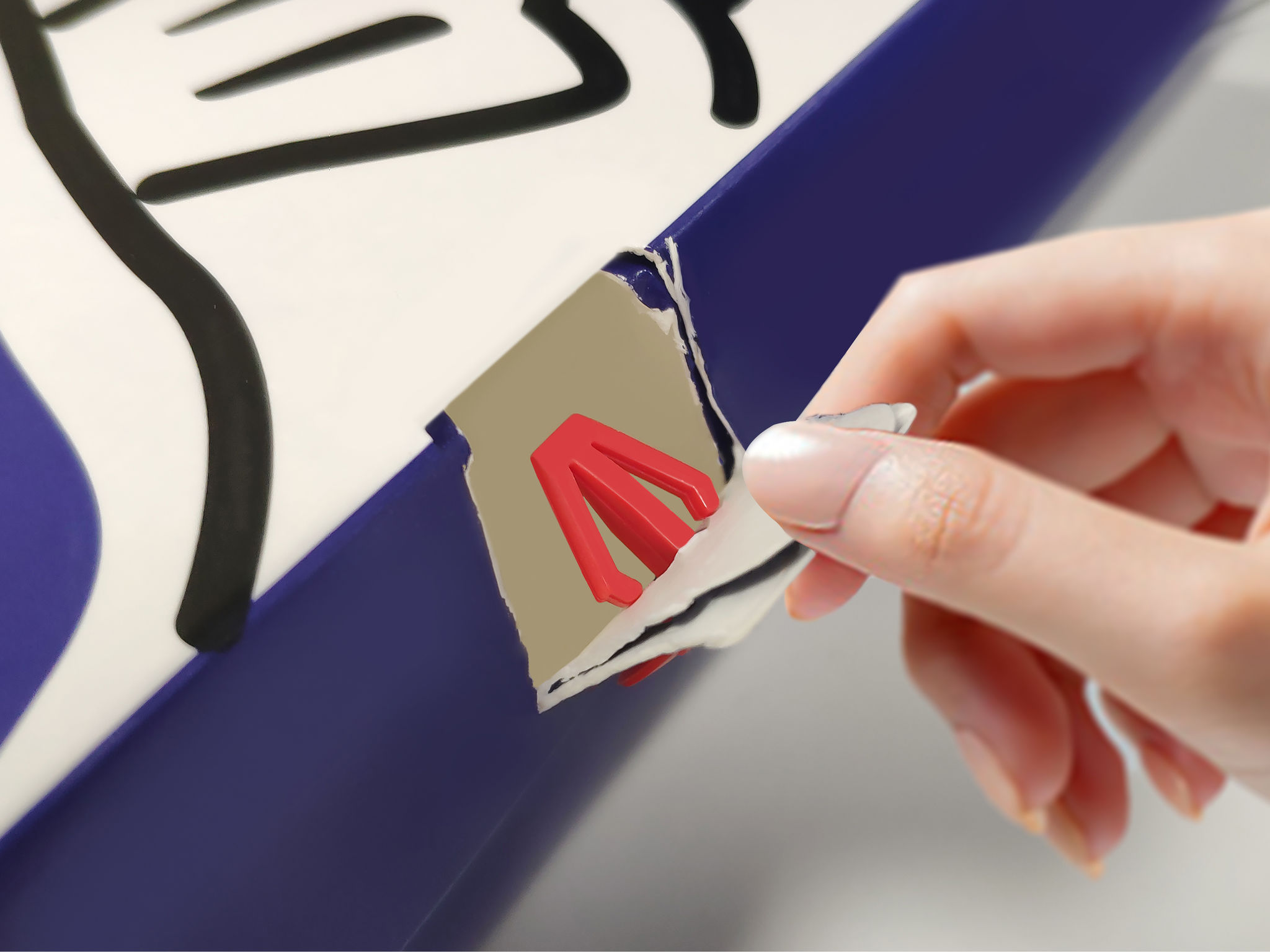
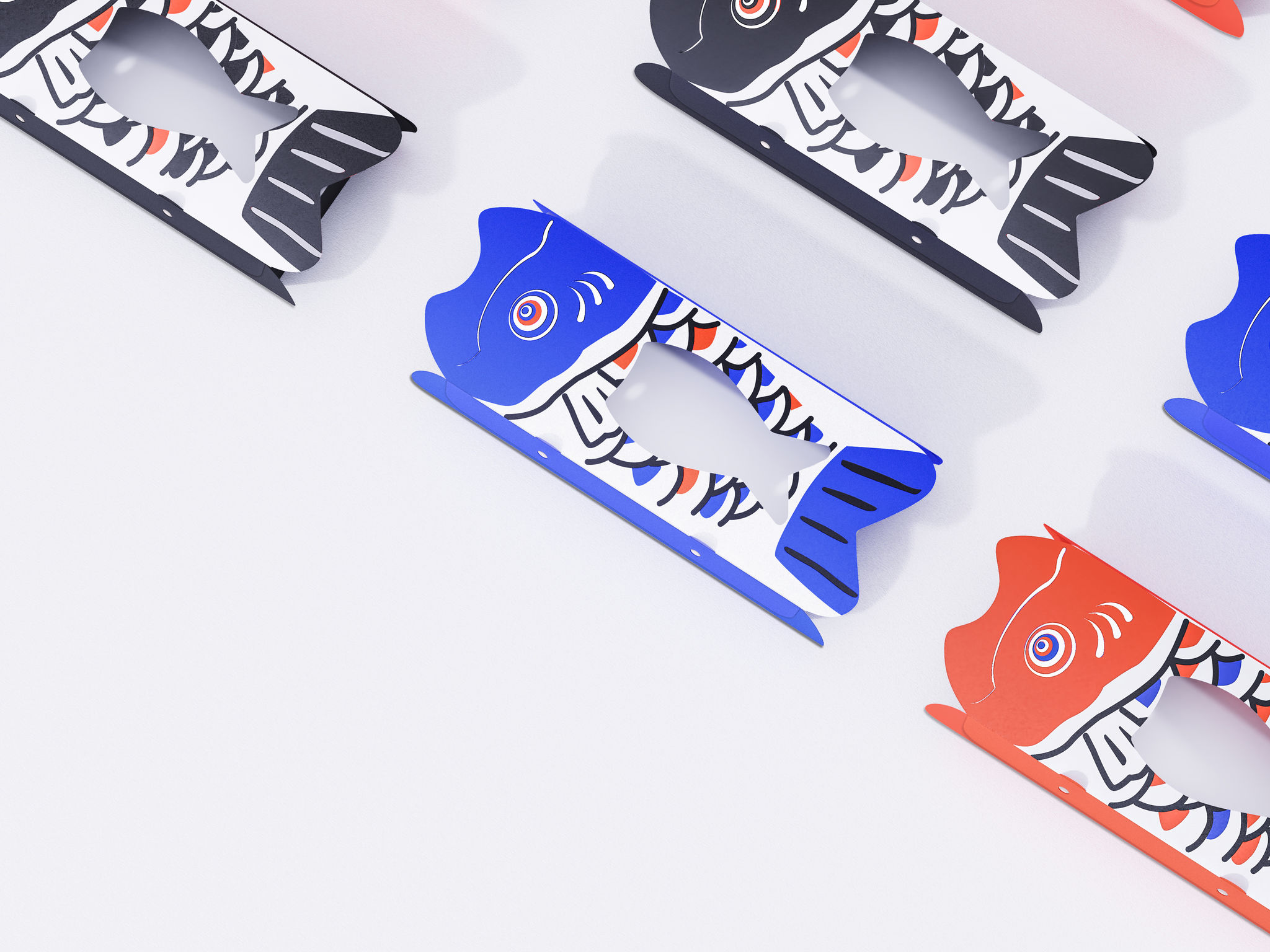
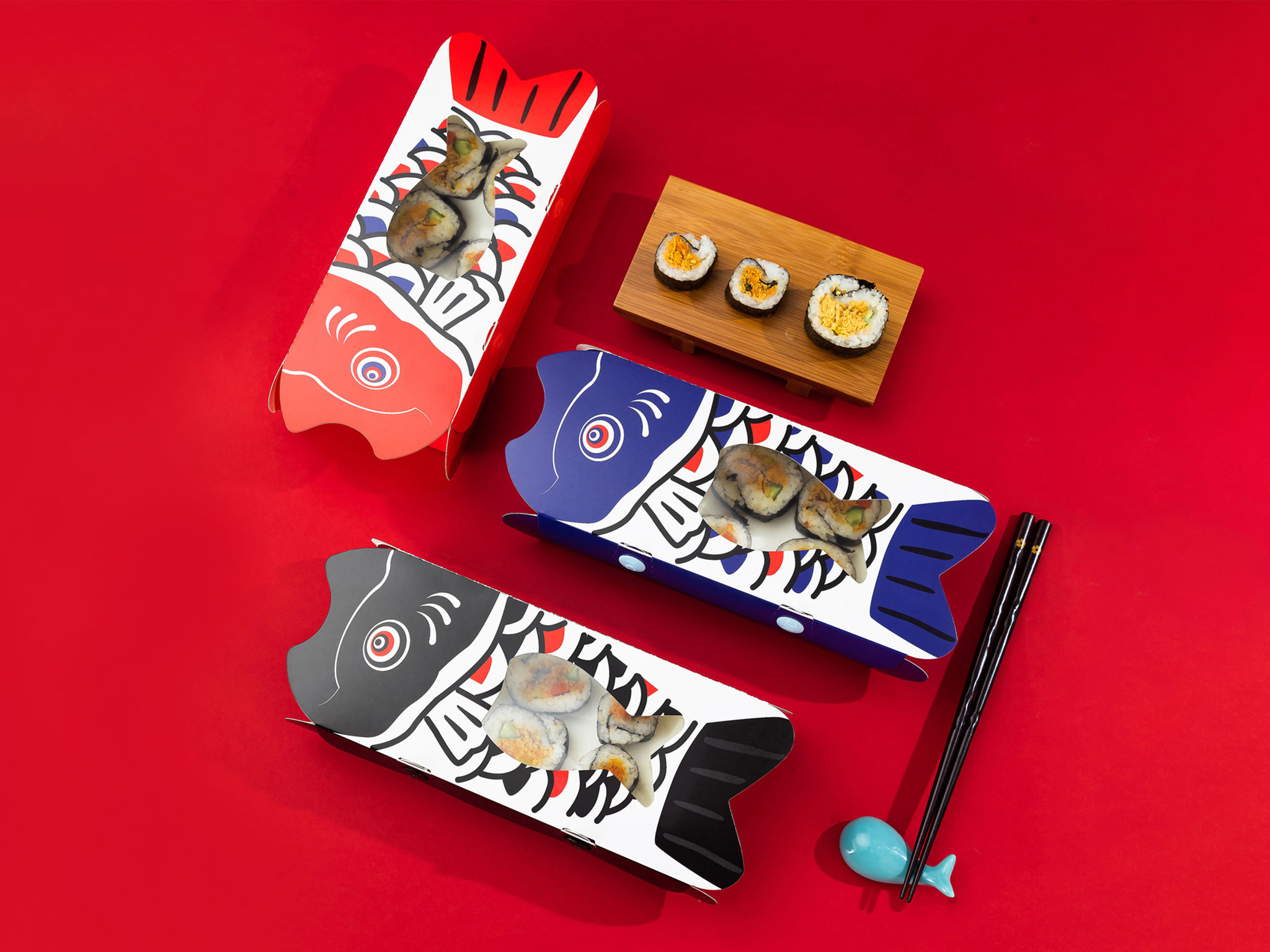
Food packaging design by Hefei Yuanchuan Packaging
Here’s another innovation: the creation of this anti-theft food packaging—yes, food theft happens everywhere, even in Japan.
Takeaway food packaging is among the most in-demand, widely used, and purchased—especially in Asia.
At the same time, and with alarming statistics, it’s also one of the most frequently stolen items from supermarket shelves.
This packaging is highly innovative, addressing a need that’s rarely, if ever, been tackled.
Tips for Food Packaging Design
The third tip for designing effective food packaging: use quality materials, experiment with new materials, and find creative solutions to old problems—like, in this case, preventing theft of the product inside.
Project Highlights
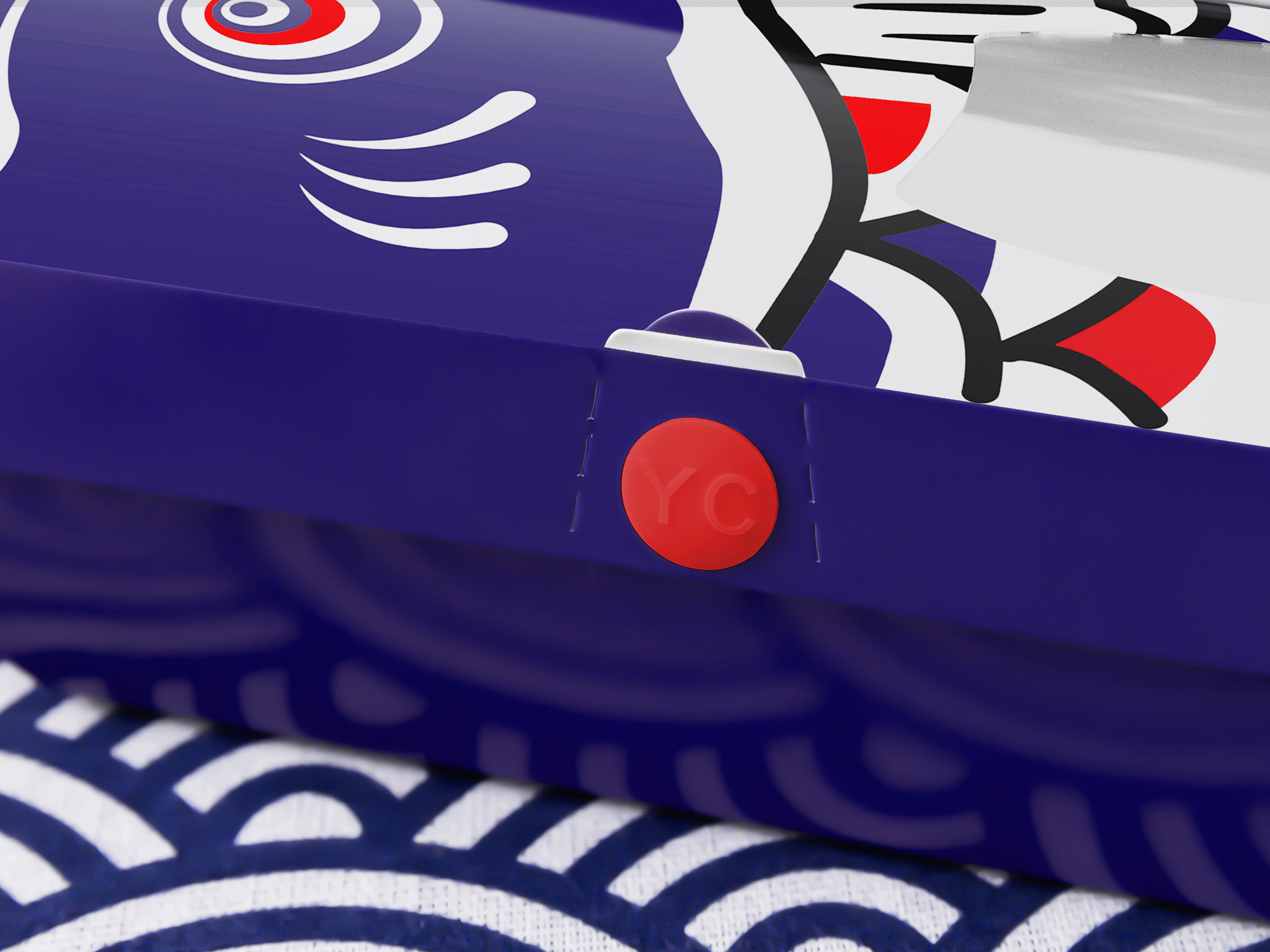
What’s great about this packaging is its improved structure, featuring two high-security double anti-theft locks.
This achieves two things:
1 – The customer cannot steal or remove the food inside
2 – The customer can tell if the packaging has been tampered with
3 – The safety and hygiene of the food are guaranteed during delivery
Yes, I said two and listed three—call the grammar police!
This project has received:
Our sincere congratulations to Hefei Yuanchuan Packaging for this outstanding food packaging design.
We would have loved to link directly to the creator’s website, but unfortunately, we couldn’t find it.
Interested in having us handle a similar project?
[superfeatured]7076[/superfeatured]
Our Conclusions
Graphic design applied to interior spaces is a field full of possibilities, as demonstrated by the many professionals creating unique pieces for visitors to enjoy.
All references are properly credited, and Code Barcelona is neither the owner nor creator of any of them.