Some campaigns are born from massive media investments. Others start with an observation so simple, it’s hard to believe no one had noticed it before.
The OREO Cows falls into the latter category.
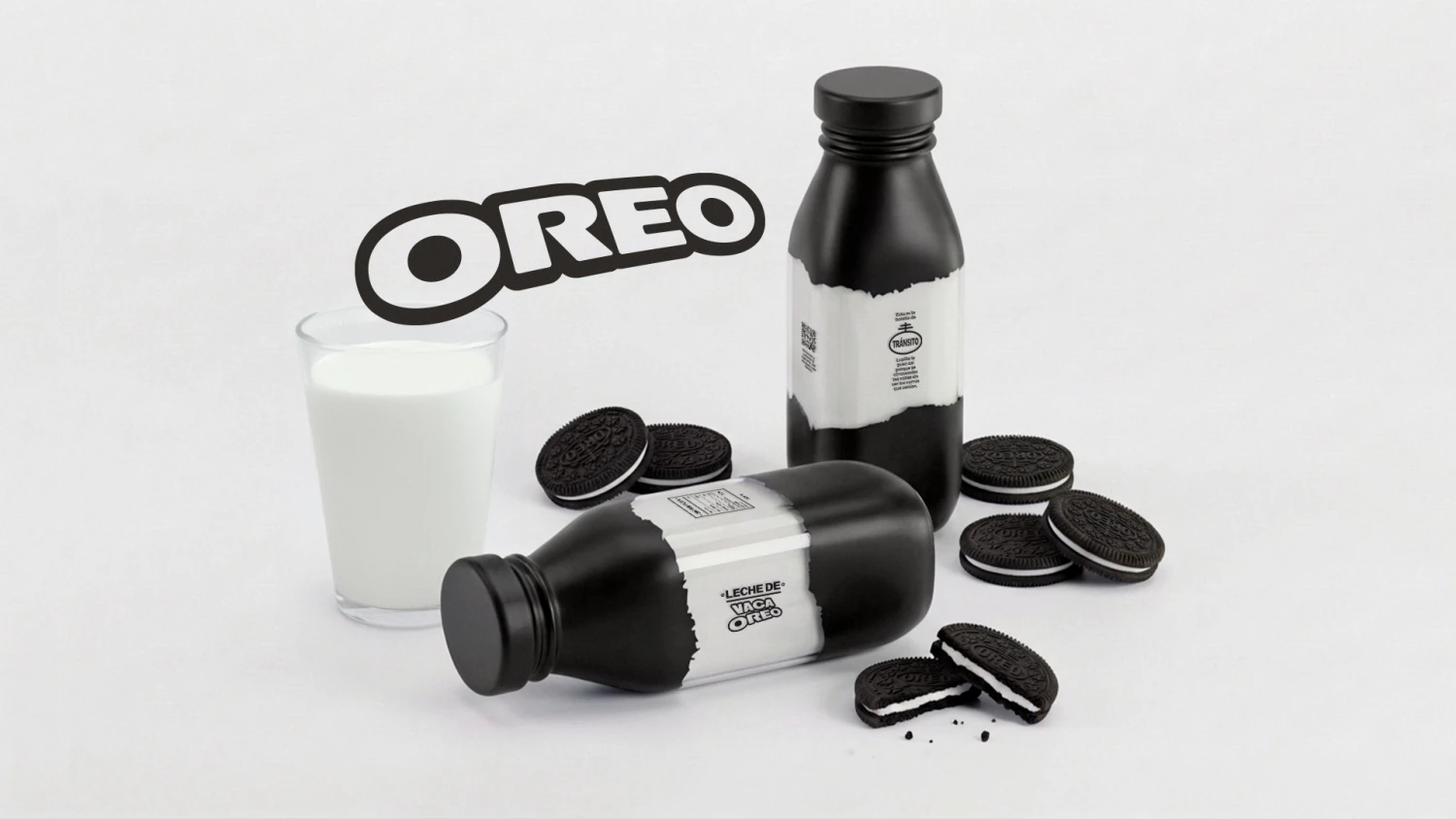
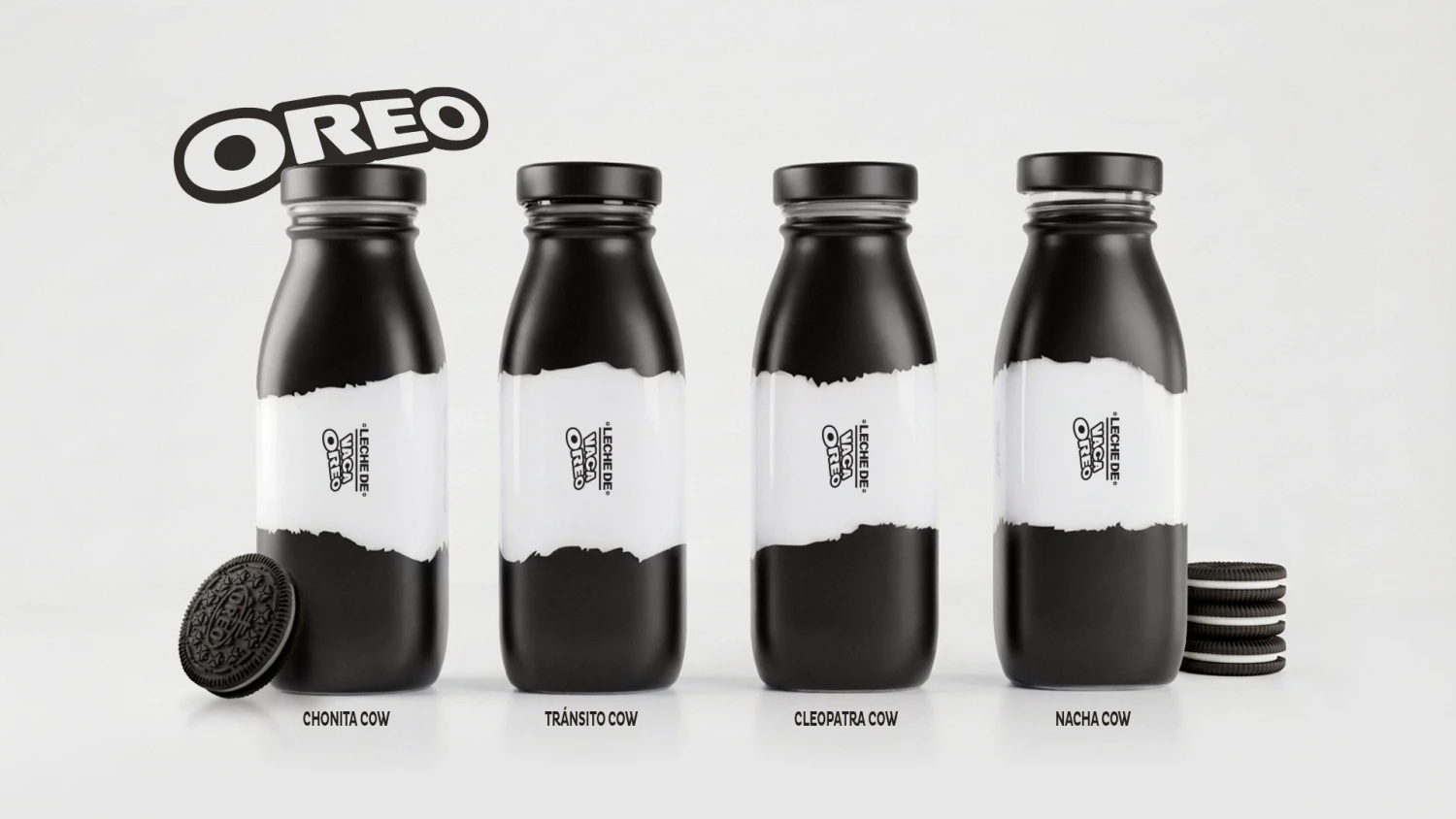
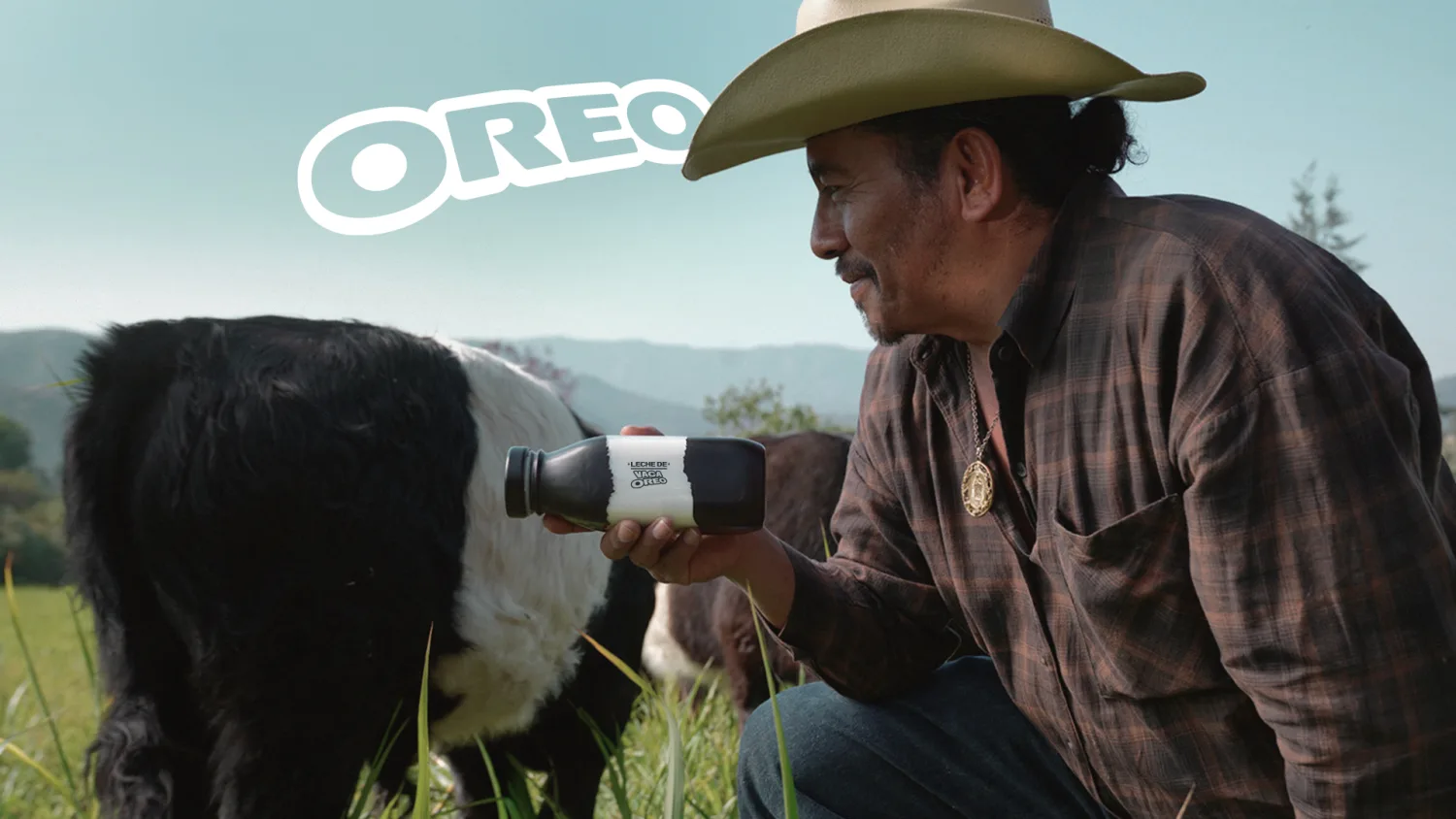
VML’s campaign for Oreo in Mexico is built around an idea that, at first glance, seems almost absurd: a breed of cows whose distinctive white stripe on a black body looks remarkably like an Oreo cookie. What could have been just a quirky visual ends up as a story that weaves together product, pop culture, consumption rituals, and brand building—all under a single narrative.
And that’s where the magic happens. The campaign doesn’t try to persuade with arguments. It doesn’t talk about ingredients, flavor, or promotions. It tells a story. One of those stories that feels like it’s always existed, and once you see it, you can’t unsee it.
When the best idea was hiding in plain sight
The most memorable campaigns often share one trait: they make something complex seem obvious.
That’s exactly what happens with The OREO Cows.
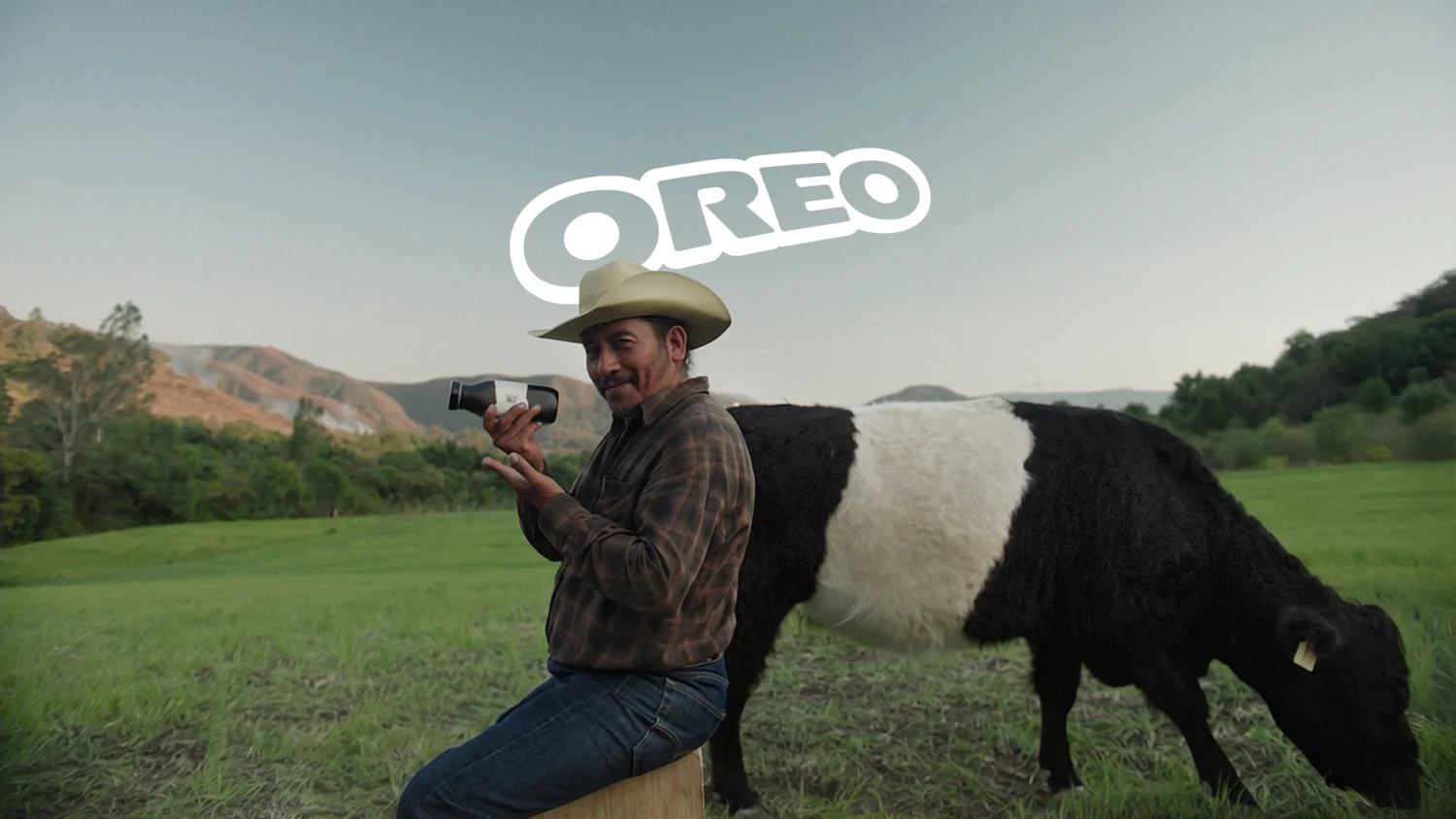
The Belted Galloway breed has been around for generations. Its signature white band has been known to farmers and specialists for decades. Yet, few had ever drawn such a direct line between this cow and the image of an Oreo.
The brilliance of the campaign isn’t in inventing something new—it’s in uncovering something that was already there.
This approach is especially interesting from a marketing perspective. Many brands try to stand out by piling on messages, benefits, and rational arguments. Oreo proves that a single, powerful insight can be more memorable than dozens of ad messages.
Creativity, in this case, is about finding meaning where others see only coincidence.
A campaign design built on storytelling
One of the project’s greatest strengths is that it doesn’t behave like a conventional ad.
The film doesn’t open with a product shot.
There’s no cookie in the foreground.
No list of benefits.
No product demo.
Instead, the campaign adopts a documentary-style structure.
The narrative introduces a small mystery. There’s something extraordinary hiding in plain sight, and the brand invites viewers to discover it.
This shift in approach completely changes the experience.
Instead of feeling like they’re watching an ad, viewers feel like they’re witnessing the discovery of a story.
It’s a subtle difference, but it has a huge impact on attention.
A visual direction with a documentary feel
Visually, The OREO Cows also breaks with the conventions of food advertising.
The photography steps away from the industry’s usual codes.
There are no flawless studios or artificial backdrops.
No overproduced scenes.
The campaign unfolds on real farms, in open fields, in authentic locations.
Natural light shapes much of the visual narrative.
Landscapes add authenticity.
Farmers appear as believable characters.
All of this makes the story more convincing.
The overall feel is closer to a modern documentary than a traditional ad campaign.
And that’s exactly why it works.
When production feels too artificial, viewers put up their guard. When the story feels real, attention increases.
Visual humor that strengthens the brand
One of the biggest risks with humor in advertising is that the joke overshadows the product.
Many campaigns get a laugh, but few make the brand stick.
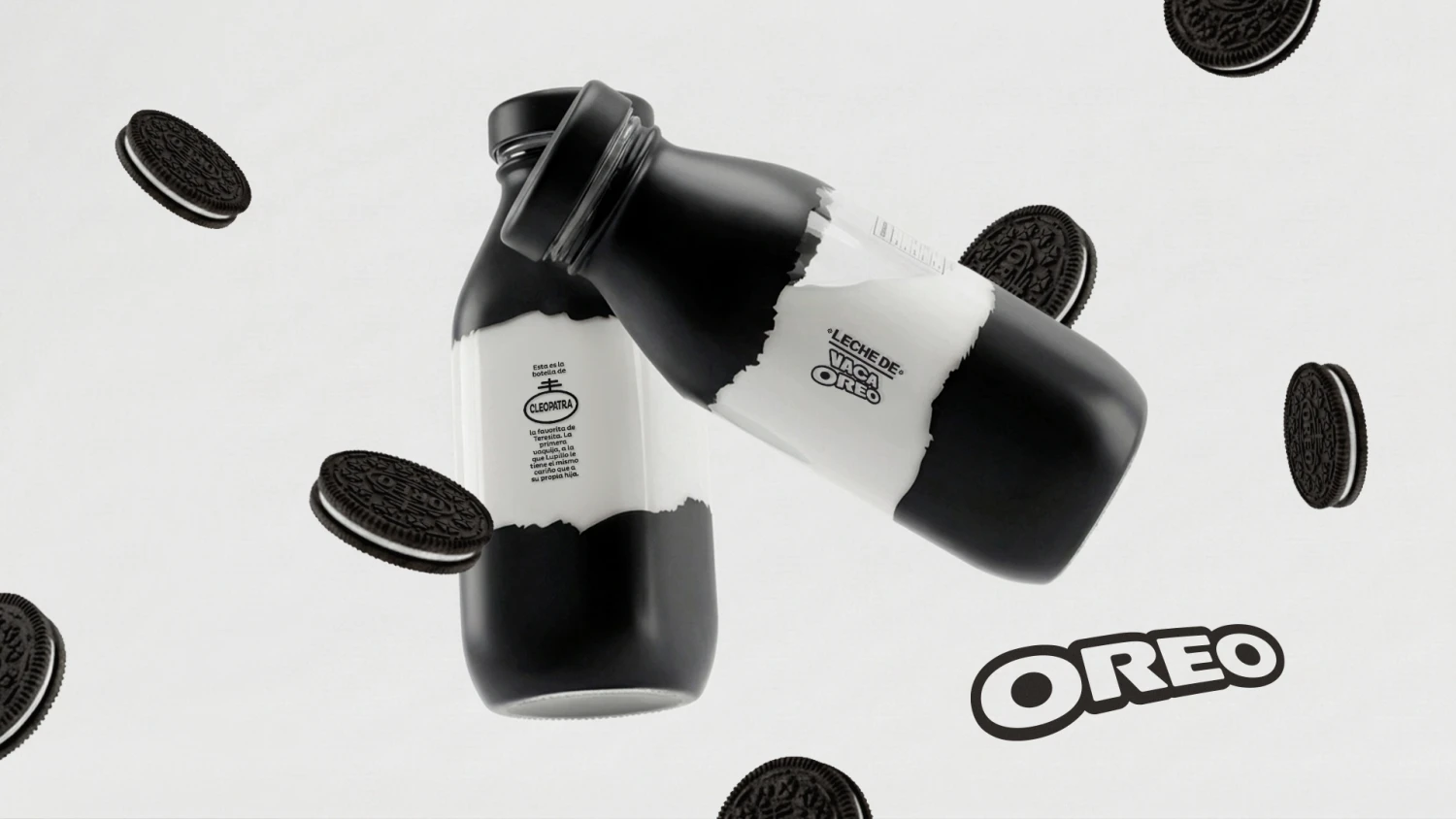
The OREO Cows sidesteps this because the humor comes directly from Oreo’s visual identity.
The cow isn’t a random element.
The visual connection is instant.
Black.
White.
Milk.
Oreo.
It all fits together.
The campaign doesn’t rely on wacky characters to grab attention. It uses a natural extension of the brand’s visual DNA.
That detail makes all the difference.
The humor doesn’t compete with Oreo.
The humor amplifies Oreo.
A campaign made to be shared
Another standout feature of the project is its ability to spark conversation.
We live in an age where many campaigns rely as much on earned media as on paid advertising.
That’s why it’s so important to create ideas that are easy to share.
The OREO Cows does this perfectly.
The story can be summed up in a single sentence:
“There’s a breed of cows that looks like a giant Oreo.”
Everyone gets it.
Everyone can tell it.
Everyone can share it.
That simplicity makes the campaign an ideal tool for PR, digital media, and social networks.
The best campaigns often have just that: minimal complexity in the explanation, and rich execution.
Cultural marketing for a global brand
The campaign also highlights something crucial about major international brands.
The best global platforms don’t work because they repeat the same message everywhere.
They work because they adapt to each cultural context.
In Mexico, dunking Oreos in milk is a ritual woven into the collective memory of millions.
VML tapped into that emotional connection to craft a local story without losing the brand’s global essence.
The result is a campaign that feels deeply Mexican, yet instantly recognizable to Oreo fans anywhere in the world.
That balance is hard to achieve.
But when it happens, cultural relevance skyrockets.
A lesson in brand building
Beyond the results, The OREO Cows offers a valuable lesson for any business.
A brand doesn’t need to be front and center every second to be remembered.
For much of the film, the spotlight is on the cows, the landscapes, and the people.
Oreo comes in later.
The story leads.
The brand follows.
This principle can make some organizations uneasy.
There’s a fear that if the product isn’t always visible, people will forget it.
But the reality is often the opposite.
When a story is interesting enough, attention goes up. And when attention goes up, brand recall improves too.
When an observation becomes a memorable campaign
The OREO Cows proves that creativity remains one of the most powerful tools in modern marketing.
Not because it’s louder.
Not because it’s flashier.
But because it transforms an everyday observation into a story worth telling.
The campaign takes a breed of cows, a consumption ritual, and one of the world’s most recognizable visual assets to build a simple, human, and extraordinarily effective narrative.
And maybe that’s the best lesson of all.
Great ideas don’t always come from inventing something new.
Sometimes, they come from seeing what everyone sees—and telling the story no one has told yet.