We’re on the cusp of 2025. Just as you would review your business growth and marketing effectiveness, now is the perfect time to make key strategic decisions that will help you navigate the digital landscape with confidence and clarity.
In web design, this means gathering insights on emerging trends and evolving consumer behaviors to ensure your online presence aligns with the demands, preferences, and expectations of a constantly shifting market.
Over the past year, we saw hyperreality captivate users with surreal experiences, creative brutalism push boundaries and leave clients in awe, whimsical and unexpected storytelling unfold for visitors, and maximalism take center stage with bold typography and oversized visuals that held even the shortest attention spans.
Web Design Trends for 2025
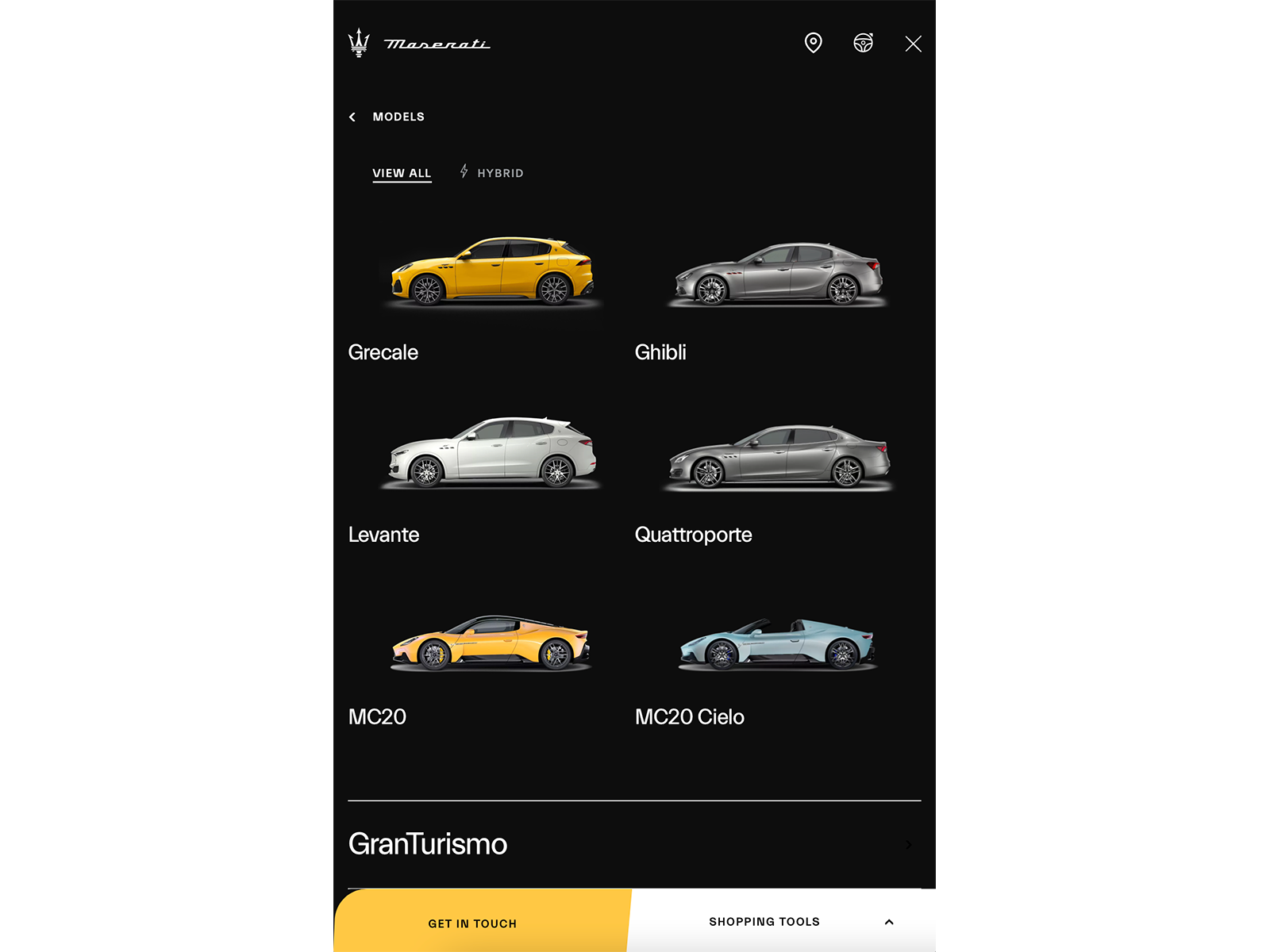
Mobile-First Design & Accelerated Mobile Pages (AMP)
We begin our 2025 web design trends with mobile-first design and Accelerated Mobile Pages (AMP). These aren’t just passing fads—they’re critical factors for any modern website. Overlooking them means falling behind the competition and missing out on key opportunities to boost traffic, increase brand visibility in search engines, and strengthen your digital presence.
Did you know that web design accounts for over 90% of your brand’s first impression? It directly impacts your market position, user engagement, and even your revenue.
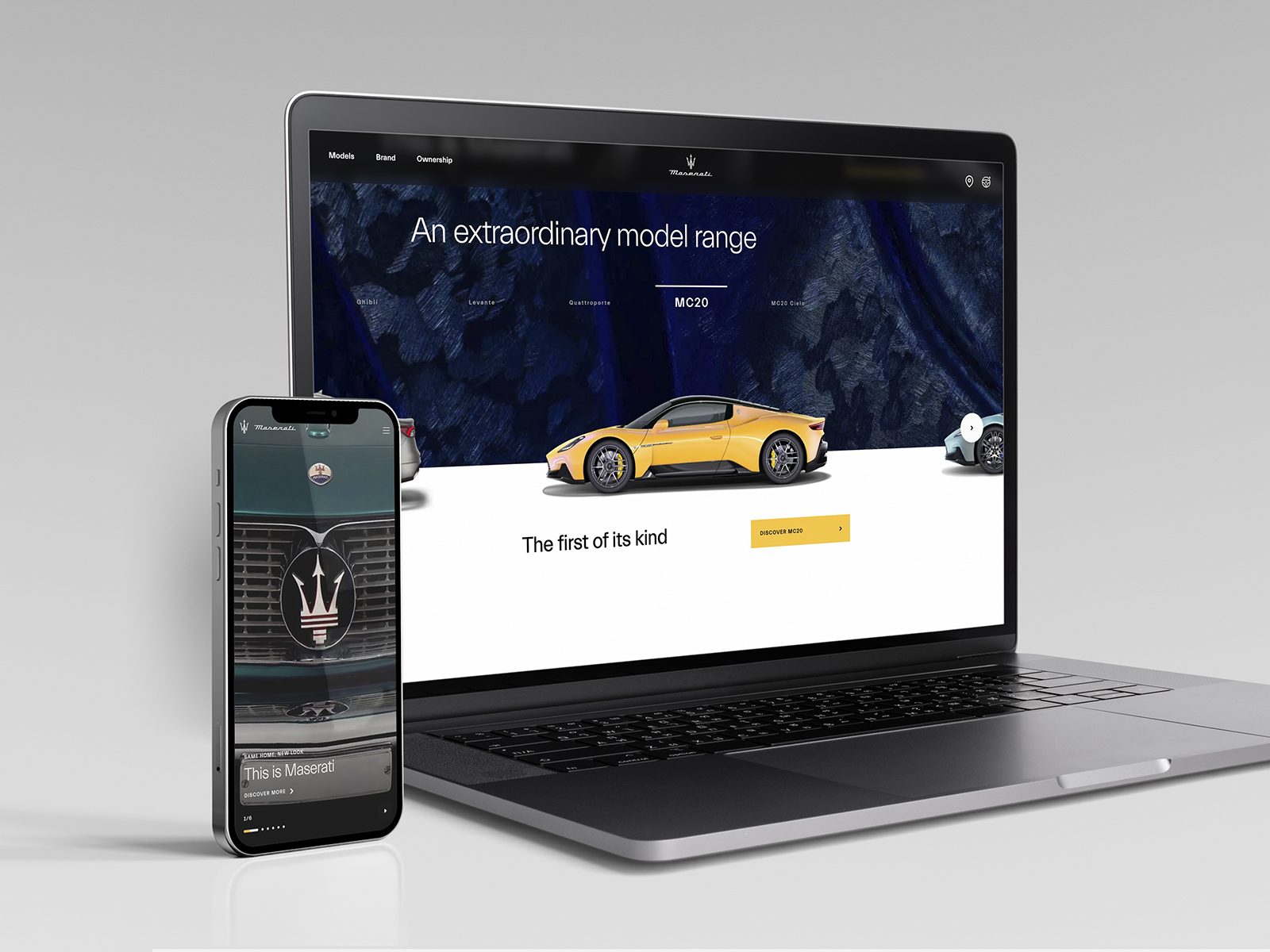
With 60% of web traffic now coming from mobile devices, adopting a mobile-first approach is essential for 2025.
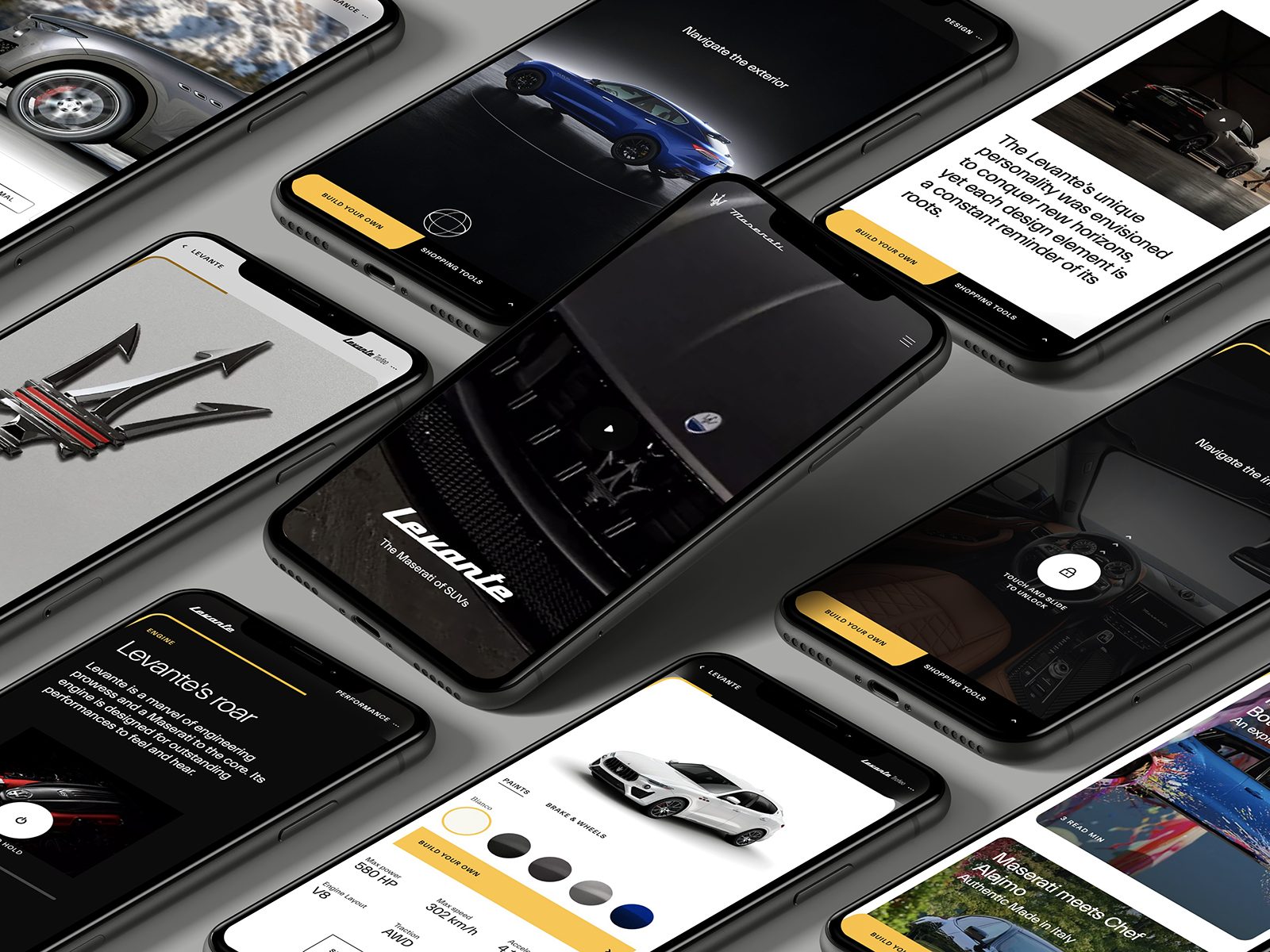
To achieve a successful web design, every element of your site must adapt seamlessly to both desktop and mobile, with mobile as the top priority. Consider these recent stats:
- Over 80% of US consumers shop from their mobile devices.
- More than 50% of page visits come from phones.
- 40% of users will leave a site and choose a competitor after a poor mobile experience.
On top of this, Google’s mobile-first indexing initiative—which prioritizes the mobile version of your site for search rankings—shows why this approach is a must for top web designs in 2025.
Embracing these practices not only meets market demands but also delivers substantial benefits. Companies that implement mobile-first design and AMP ensure a superior user experience, boost conversions, and achieve greater long-term revenue.
How to Embrace This Trend
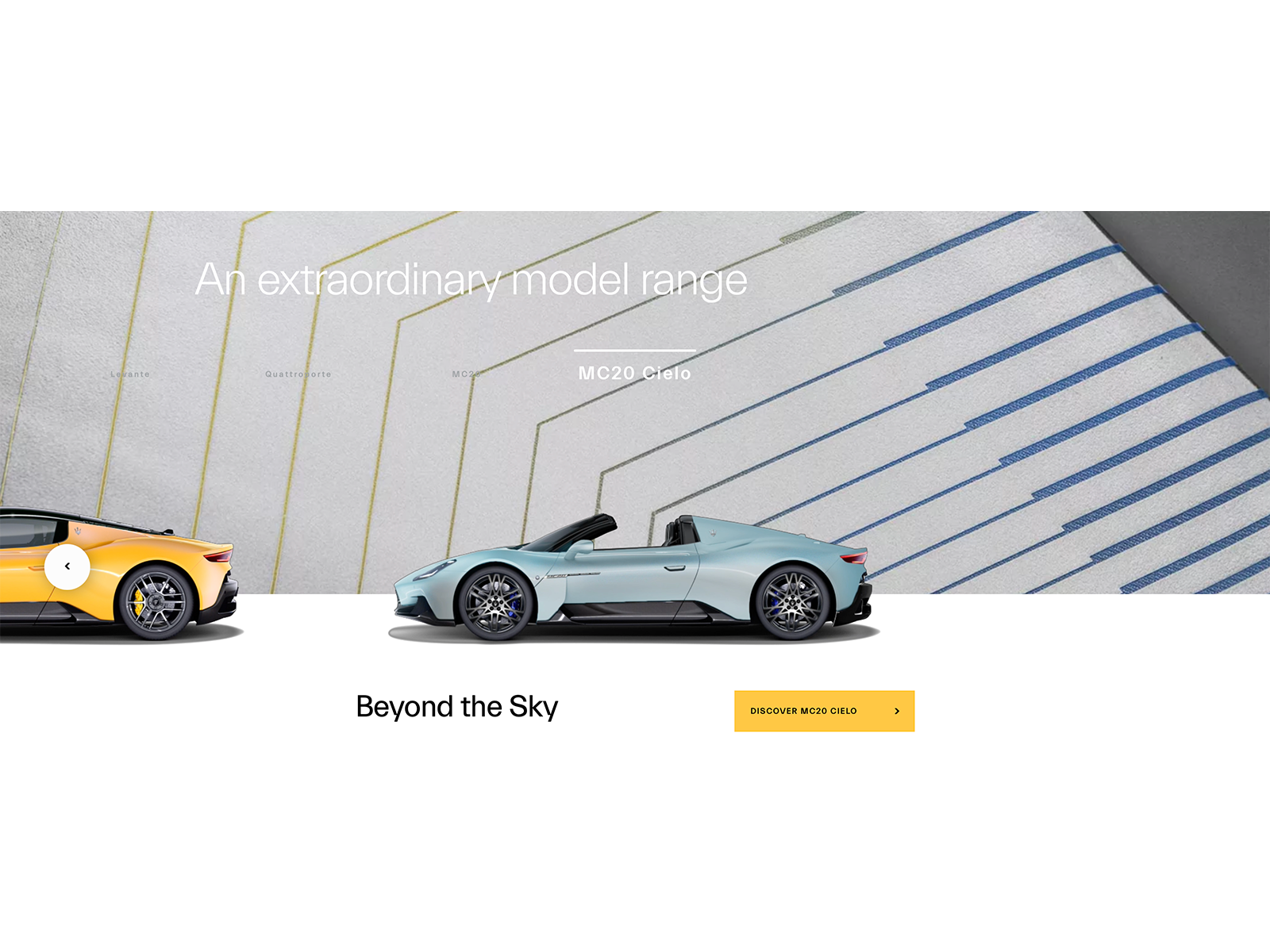
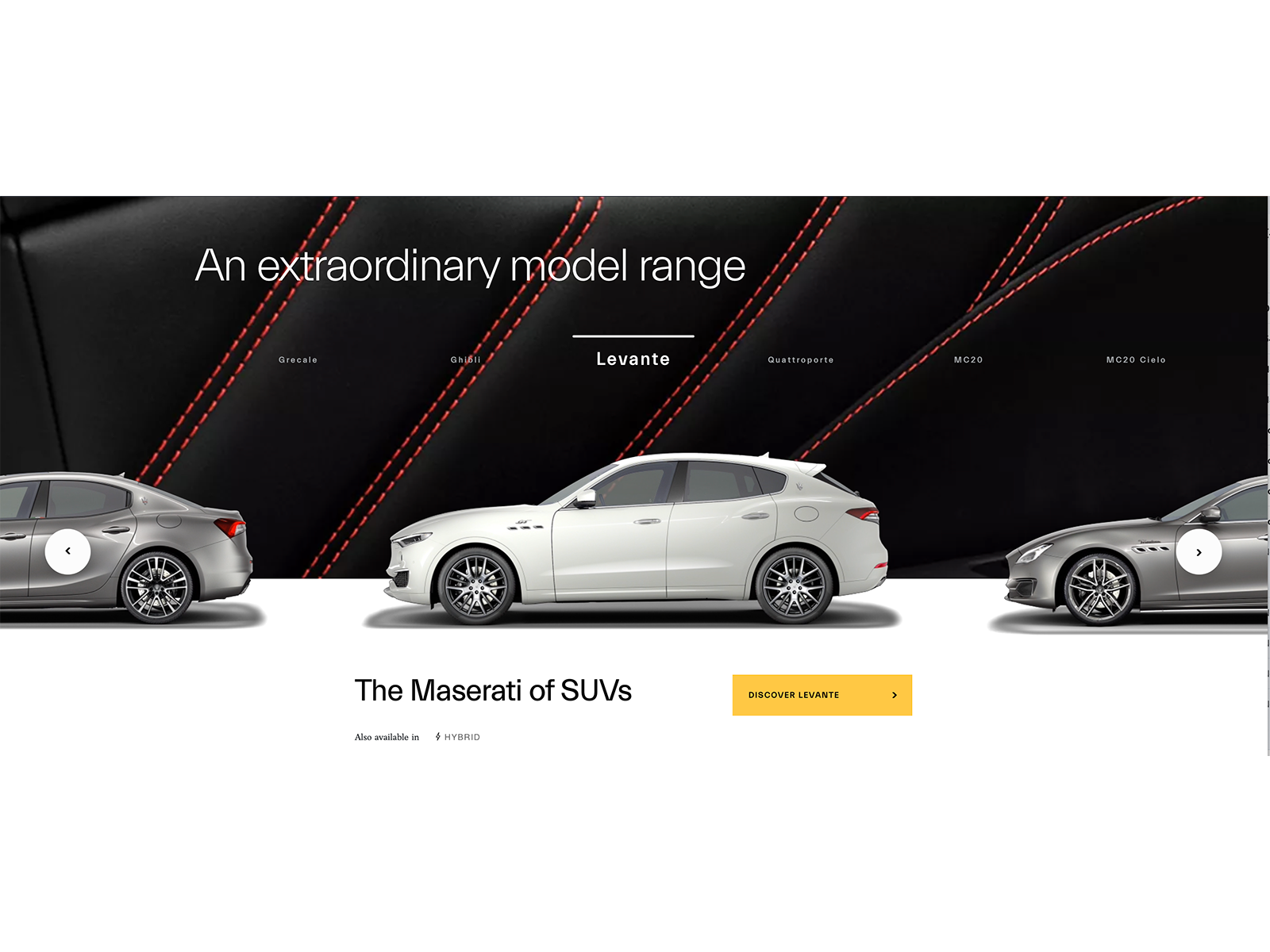
- Prioritize content: With limited space and short attention spans, highlight key elements. Use an “above-the-fold” approach to create impactful, informative main areas, and keep the rest of the design clean and concise.
- Optimize navigation: Design intuitive, fast menus. Use navigation drawers and hamburger buttons to guide users every step of the way.
- Enhance images and graphics: Avoid panoramic photos, excessive visuals, and complex animations. Opt for custom illustrations optimized for mobile devices.
- Design for touch: Make buttons and links larger for easier interaction. Consider features like touch gestures (pinch, swipe, tap) and haptic feedback.
- Rethink hover effects: Hover doesn’t work on touchscreens, so redesign interactions to ensure a smooth, consistent experience.
- Treat the mobile version like an “app”: Include interactive elements such as off-canvas navigation, expandable widgets, and AJAX calls to enhance the experience without reloading the page.
Implementing these strategies ensures your web design is ready to compete in 2025, delivering an immersive and efficient experience for mobile users.
Ethical, Sustainable & Accessible Web Design
Ethical and sustainable web design is gaining traction as a leading trend for 2025, reflecting consumers’ growing interest in the environmental and social impact of brands. What began as a niche movement has now become mainstream, as users demand responsible practices and solutions that respect sustainability.
Consumers are not only seeking environmentally conscious brands—they also expect transparency and accountability. Key statistics highlight this trend:
- 92% of consumers trust socially responsible or eco-friendly brands more.
- 81% prefer green marketing over traditional approaches.
- 42% are willing to pay more for organically produced products.
- 37% choose brands with ethical practices.
With nearly 90% of users showing loyalty to companies that support social and environmental causes, ethical and sustainable web design is quickly becoming the norm.
What does this mean for your web design in 2025?
Businesses will approach this trend from multiple angles, integrating responsible and socially conscious practices throughout their websites. Here are some best practices:
Sustainability in Web Design
Sustainable web design aims to minimize technology’s environmental impact by reducing energy and resource consumption. Key actions include:
- Minimalism: Simple layouts and clear user experiences.
- Optimized information architecture: Intuitive, direct navigation.
- Dark mode: Using dark backgrounds to save energy.
- Optimized fonts: Favoring system fonts or open formats like WOFF.
- Lightweight, monochrome images: Optimize graphics to reduce file size.
- Mobile-first and responsive layouts: Ensure your site works well on all devices.
Ethics in Web Design
Ethical design puts users’ well-being and rights first, ensuring a functional, transparent, and secure experience. This includes:
- Accessibility and inclusion: Use plain language, ensure high readability and optimal contrast. Make sure people with disabilities can easily navigate your site with screen readers and adapted content.
- Privacy and security: Provide informative cookie pop-ups, allow users to customize settings, and offer clear privacy policies and terms of use.
- Device-centric design: Deliver consistent experiences for users with keyboards, mice, or assistive technologies.
Development & Technology
Tech choices also shape ethical design. Companies are adopting sustainable solutions such as:
- Eco-friendly web hosting providers.
- Minimal reliance on unnecessary plugins.
- Optimized code to reduce resource use and loading times.
Why adopt these practices?
Embracing these trends not only positions you as a leader in social responsibility, but also helps you connect with your audience, build trust, and ensure your brand aligns with current market demands. In 2025, the best web designs will combine accessibility, sustainability, and ethics to create experiences that resonate with users’ values.
Meaningful Interactions: Connection & Functionality in Web Design
In 2025, web design is evolving toward creating personalized, memorable, and functional experiences that connect with users on a deeper level. Meaningful interactions are emerging as a top trend, focused on engaging users effectively, streamlining navigation, and enhancing project understanding.
Not all interactions are created equal—only those that add real value and efficiently guide users are truly relevant. These personalized experiences can boost retention, increase satisfaction, and leave a lasting impact.
How to Implement Meaningful Interactions in Your Web Design
Dynamic Cursors
Dynamic cursors—a trend that’s grown exponentially—will remain a key tool in 2025 for enhancing user experience and adding a “wow” factor. Beyond decoration, dynamic cursors can:
- Guide users through your website.
- Highlight key elements.
- Tell your brand’s story.
- Reduce confusion and improve usability.
Here are some dynamic cursor ideas set to stand out in 2025:
- Dot cursor: Perfect for highlighting details and sharing information.
- Tracker cursor: Expands pointer visibility, ideal for visually dense interfaces.
- Color swirl cursor: Great for content-rich layouts.
- Flashlight effect: Emphasizes details on dark mode sites.
- Text cursor: Adds visual cues or branding elements.
- Arrow cursor: Enables smooth navigation on complex sites.
- Trailing cursor: Brings dynamism to minimalist projects.
Dynamic cursors not only enhance functionality but also reinforce your site’s visual identity, making the experience truly memorable.
Microinteractions: The Details Matter
Microinteractions have evolved from optional extras to essential elements of top-tier web design. Small but mighty, these interactions add value by optimizing the mobile experience, boosting user engagement, and creating an emotional connection with your brand.
To implement effective microinteractions, consider user context, accessibility, and marketing strategy. Here are some critical touchpoints where they shine:
- First visit: Guide users with transitions or interactive welcome messages.
- User registration: Use animations to make the process more engaging.
- Empty states: Fill blank spaces with motivational messages or dynamic content.
- Task steps: Show visual progress as users complete actions.
- Wait times: Add visual indicators or animations to reduce perceived loading times.
- Data visualization: Use animated charts to make data more engaging and understandable.
The key is to identify the most critical touchpoints in the user journey and apply microinteractions designed to enhance their experience.
Why Embrace Meaningful Interactions?
Incorporating meaningful interactions like dynamic cursors and microinteractions not only enriches the user experience but also strengthens your position as a web design trendsetter for 2025. This approach ensures every element on your site serves a purpose, optimizing functionality and forging emotional connections with your users.
Playful & Entertaining Websites: Creativity Unleashed
Playful and entertaining websites have become a cornerstone of web design trends for 2025. More than a passing trend, this approach is a powerful way to captivate users, relieve stress, and deliver memorable experiences.
In a world marked by stress, economic uncertainty, and global challenges, people are seeking moments of joy and escape from routine. Websites that blend creativity and entertainment meet this need by offering interactive, refreshing, and uplifting experiences. These projects also tend to drive higher traffic, engagement, and brand visibility, strengthening branding and marketing strategies.
Key Elements of Playful Web Design in 2025
Here are some strategies to create impressive, fun websites that truly connect with users:
1. Active Interactivity
Incorporate interactive details that encourage users to explore your interface and immerse themselves in your brand story. This can include:
- Animated buttons that respond to clicks or scrolling.
- Creative hover effects that surprise and guide users.
- Interactive elements like dynamic maps or user-responsive charts.
2. Custom Illustrations
Visual design is key to grabbing attention from the outset. Use bespoke illustrations that reflect your brand’s unique character and foster an emotional connection with your audience.
3. Unique Narrative Experiences
Storytelling remains a powerful tool in web design. Combine parallax effects, smooth transitions, and visual narratives to guide users through a memorable journey across your content.
4. Interactive Content
Add elements that directly engage users, such as:
- Quizzes: Entertain while gathering valuable insights.
- Surveys: Encourage interaction and collect feedback.
- Interactive calculators: Both useful and fun.
5. Gamification
Incorporate game-like dynamics that reward users for actions—completing challenges or unlocking special content. Gamification not only boosts enjoyment but also improves user retention and loyalty.
6. Strategic Animations
Be thoughtful with animation. From scroll-triggered transitions to subtle microinteractions, animations can enrich the user experience without overwhelming the design.
Why Embrace This Style?
Playful websites not only meet market demands but also help brands stand out in a crowded landscape. This approach unleashes designers’ creativity, pushes technological boundaries, and strengthens emotional bonds with users.
Adopting a playful, entertaining design for your website in 2025 means innovating not just in aesthetics, but also in functionality and user experience. Be bold, experiment with emerging techniques, and let your imagination run wild. Remember: in this space, creativity knows no bounds.
AI-Powered Web Projects: A Key Trend for 2025
Artificial intelligence (AI) has transformed web design, becoming an essential tool for designers seeking to streamline workflows and deliver more personalized experiences. In 2025, AI-driven web design will continue to grow, fueling innovation and redefining how modern websites are created and managed.
How AI Is Transforming Web Design
As technology advances, designers are leveraging AI across multiple aspects of their work. Here are some key areas where AI is enhancing web projects and their associated benefits:
1. Streamlining the Design Process
AI-powered website builders are simplifying the design and coding of entire sites. These tools allow you to:
- Generate wireframes or mockups in seconds.
- Solve specific problems with optimized code snippets.
- Reduce development time and costs, freeing creatives to focus on strategy and creativity.
2. AI-Generated Content & Visuals
AI makes it easy to create text, images, illustrations, and graphics to quickly populate sites. While AI-generated content should be used carefully to meet Google’s quality standards, it’s a valuable solution for:
- A/B testing of visual or textual content.
- Temporary projects or quick presentations.
- Developing marketing-focused pages or pitches.
3. Enhanced User Experience & Usability
AI tools provide valuable insights into user behavior, enabling designers to:
- Create layouts that capture the target audience’s attention.
- Identify the specific needs and expectations of different market niches.
- Translate these insights into intuitive, engaging interfaces.
4. Identifying Weaknesses in Web Projects
Designers can use AI’s analytical capabilities to:
- Spot inconsistencies and weak points in existing designs.
- Make strategic adjustments to improve site performance.
- Implement rebranding and optimization strategies based on concrete data.
5. Personalized Marketing Strategies
Hyper-personalization has become indispensable in modern marketing. AI enables web designers to:
- Tailor designs to user interests and behaviors.
- Deliver relevant content and products at key touchpoints.
- Create dynamic, personalized experiences that drive conversions and loyalty.
6. AI-Powered Chatbot Design
Chatbots are one of the most visible applications of AI in web design. With 40% of millennials interacting with virtual assistants daily, these tools are essential for:
- Enhancing customer support with fast, accessible responses.
- Delivering consistent interactions with attractive, functional visual design.
- Incorporating branded visuals that reinforce corporate identity.
Why Invest in AI-Driven Web Projects?
AI-powered web projects are more than a trend—they’re a strategic investment that promises greater efficiency, personalization, and site performance. From content generation to chatbot design and user experience optimization, AI is redefining how brands connect with their audiences.
In the 2025 web design landscape, AI will remain a fundamental tool for companies looking to stand out in a competitive market. By embracing this technology, designers can accelerate workflows, create more meaningful and personalized experiences, and