We’re kicking off the week with a fresh new article as we search for the best food website!
In this post, we’ll review three standout examples where food takes center stage. We’ll share practical tips for designing a successful food website, highlight common mistakes, and offer solutions to help you avoid them.
Let’s dive into what makes a great food website.
We have extensive experience creating outstanding websites for this sector. Click here for expert advice on elevating your online presence. We’ll review your current site and provide a tailored action plan for improvement.
Best Food Websites & Expert Tips
NOTORIOUS NOOCH CO. WEBSITE
Website design by Wildish & Co.
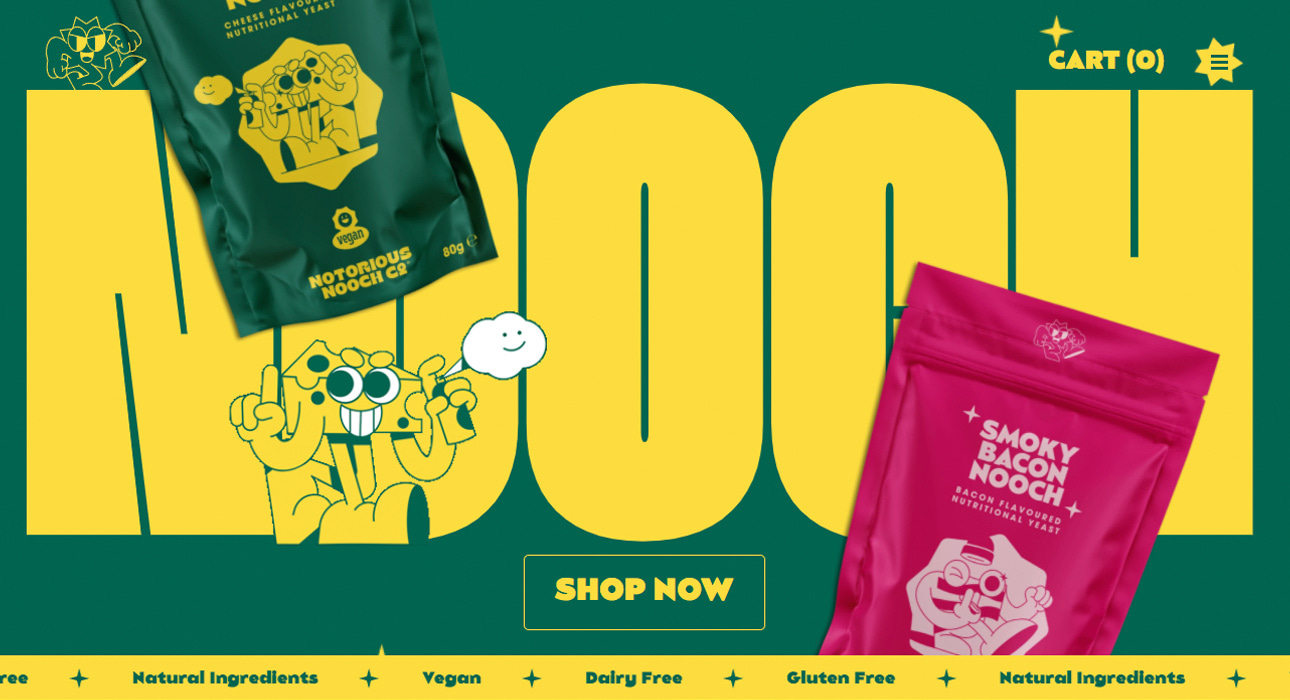
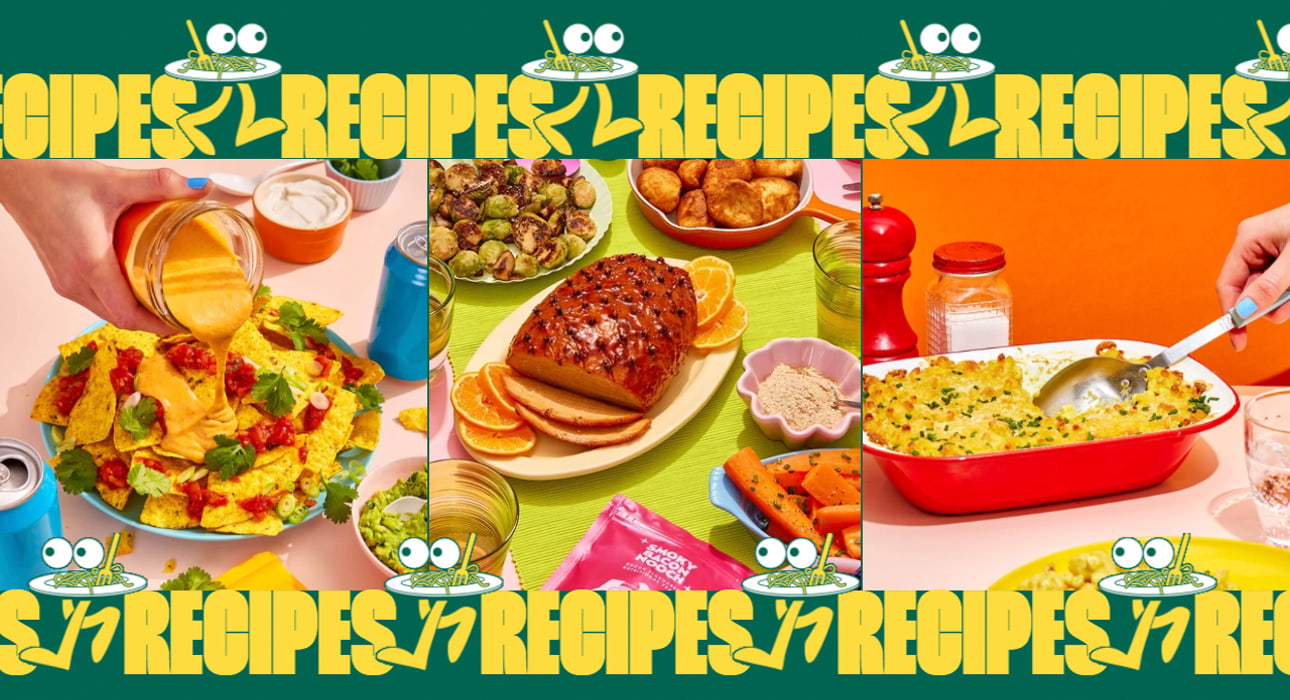
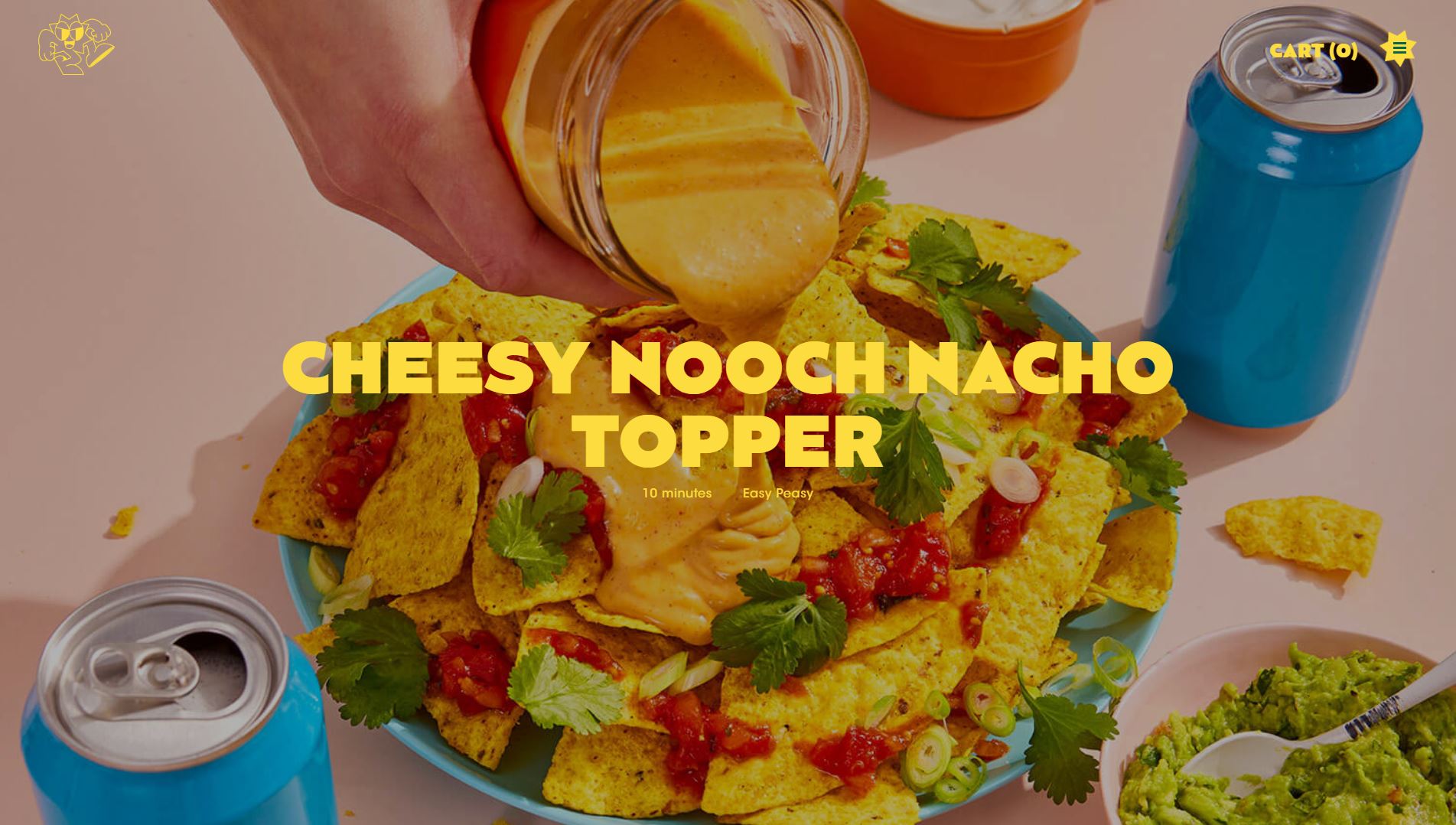
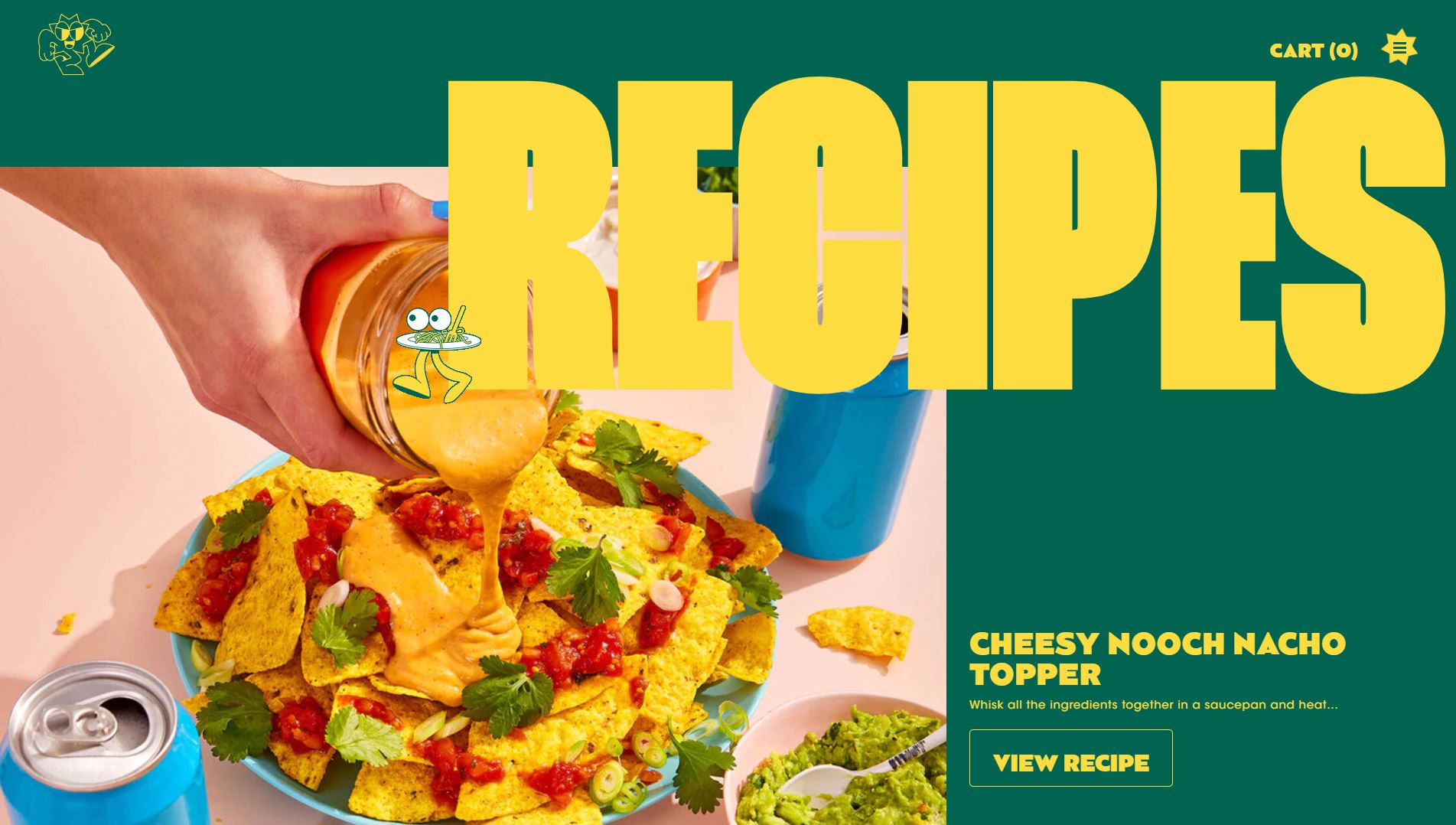
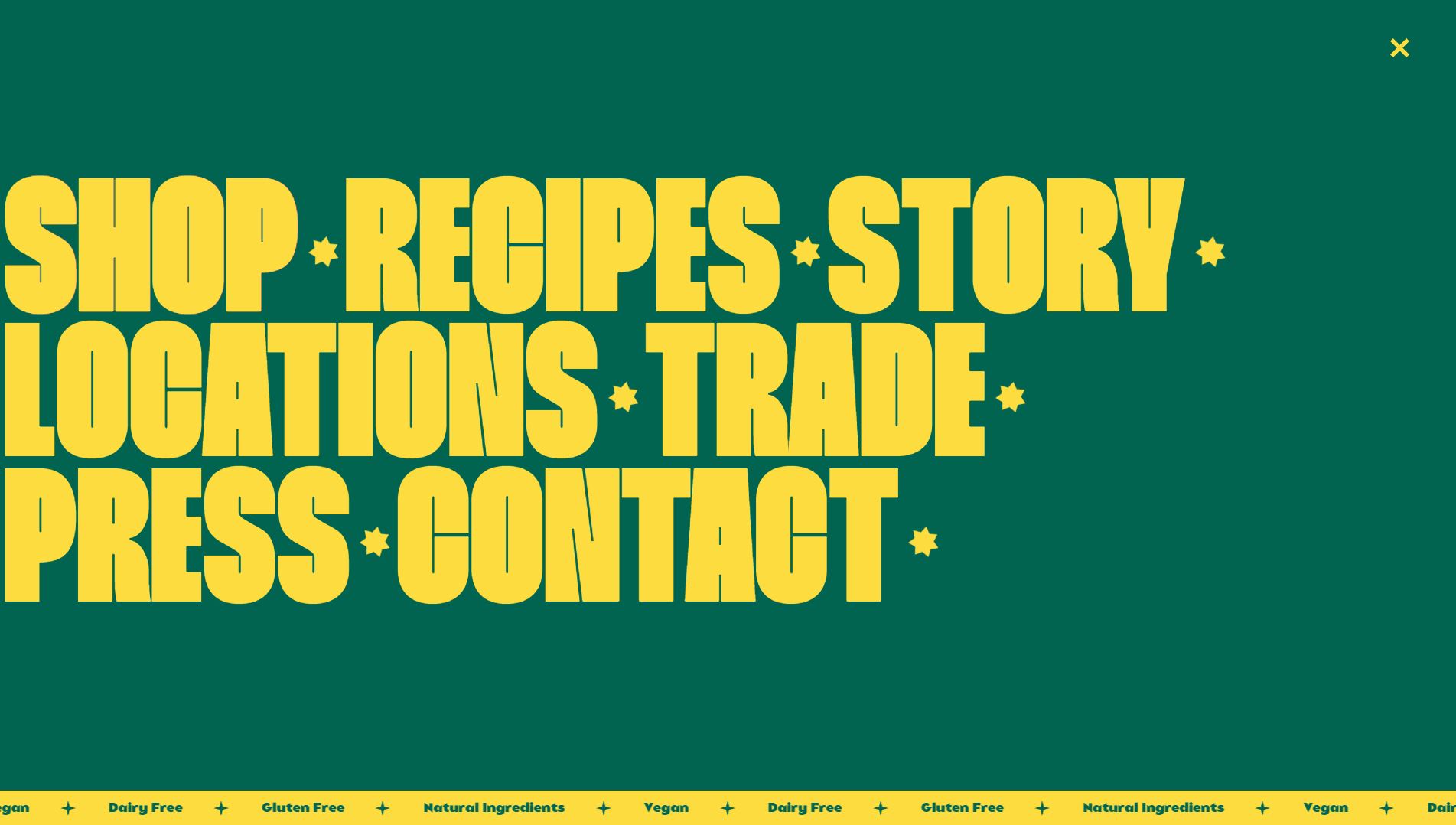
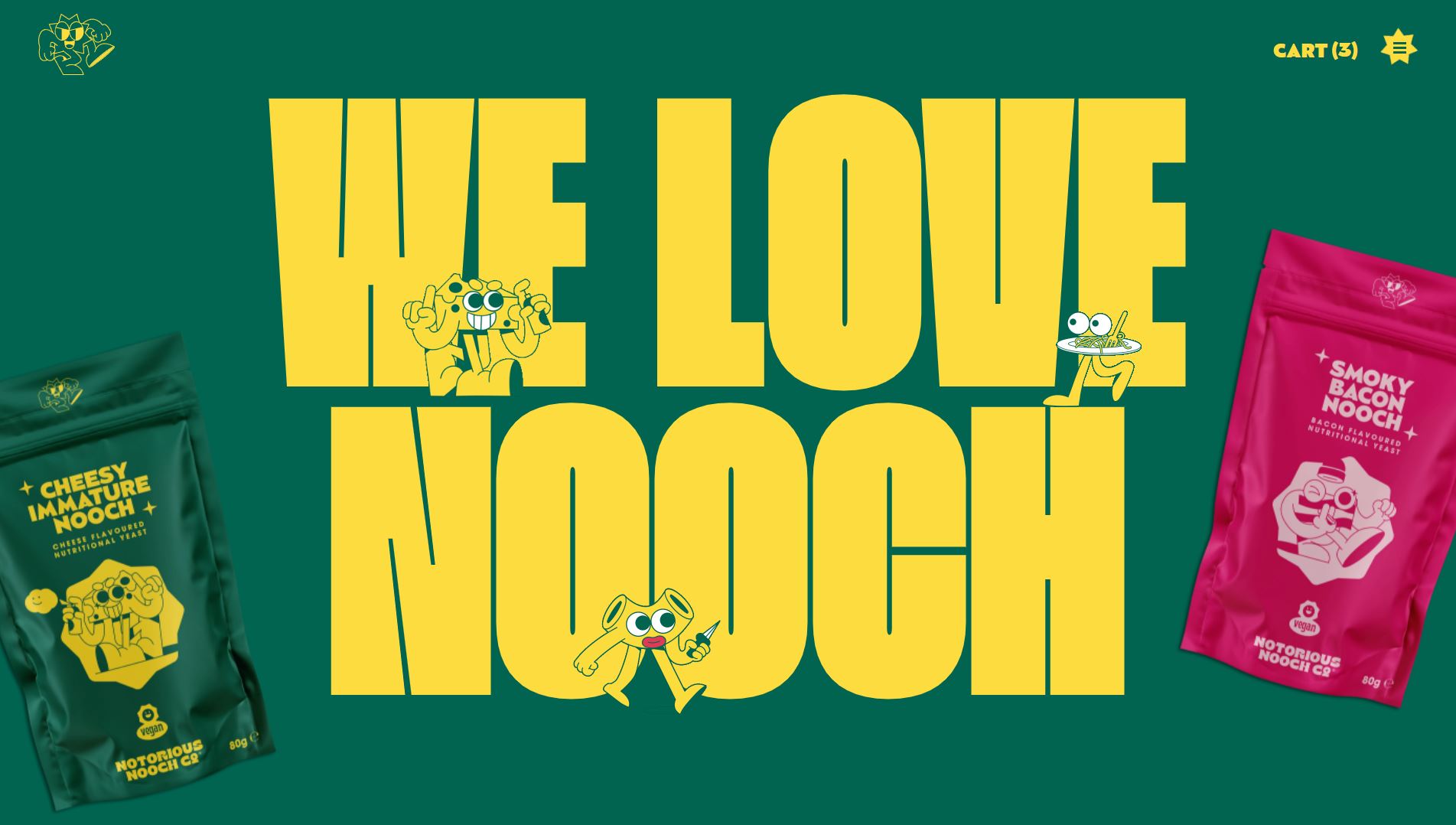
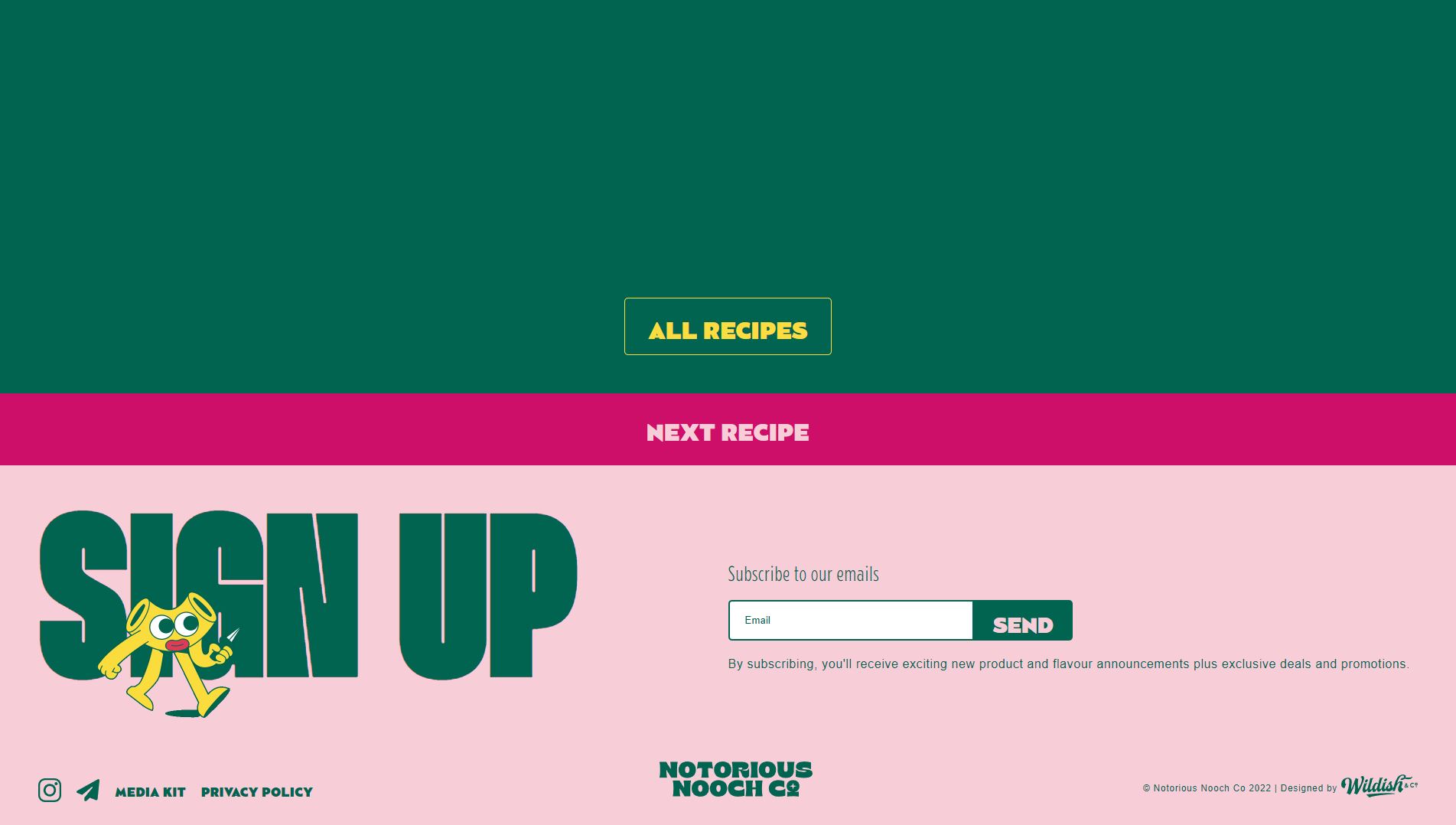
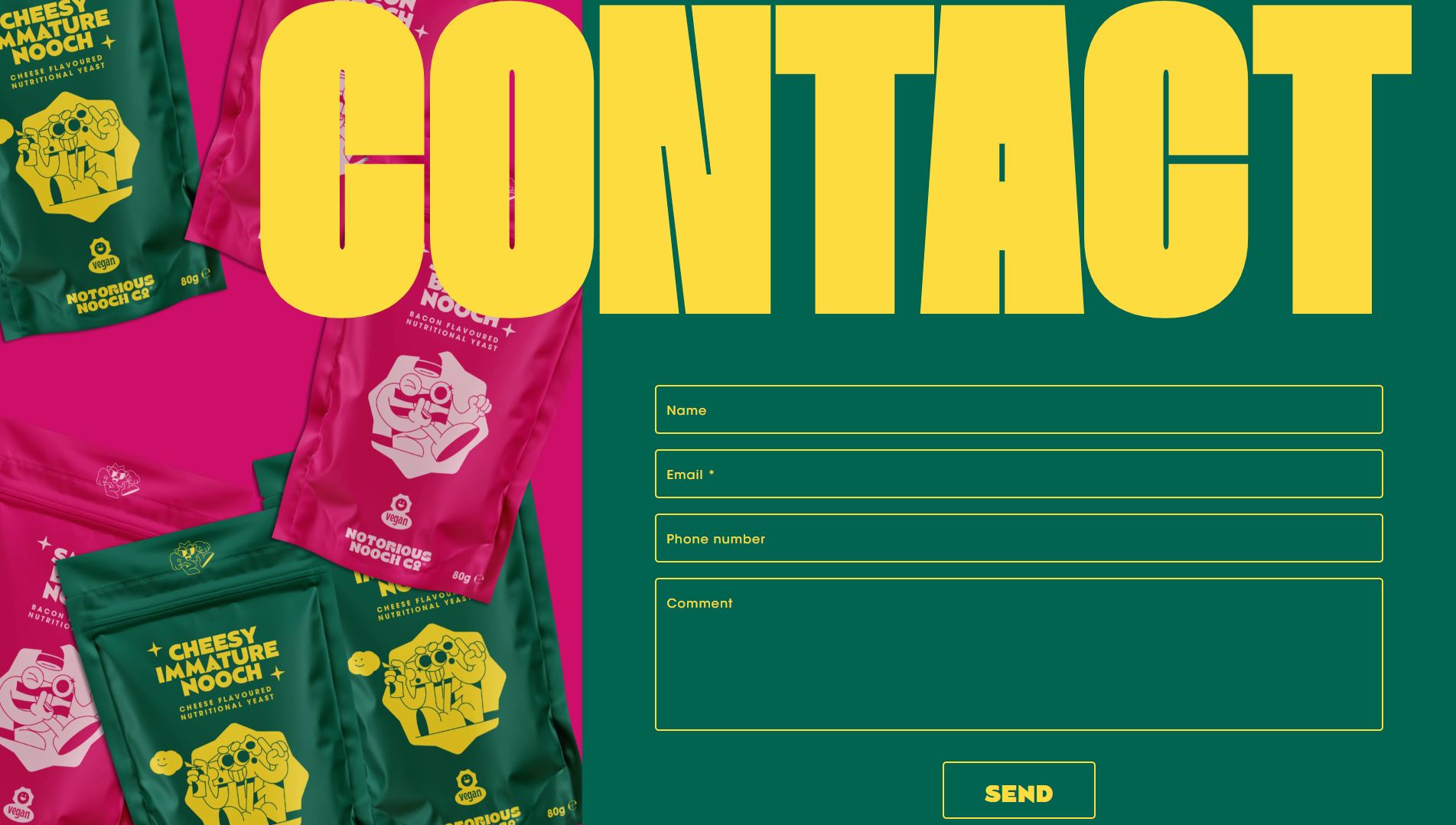
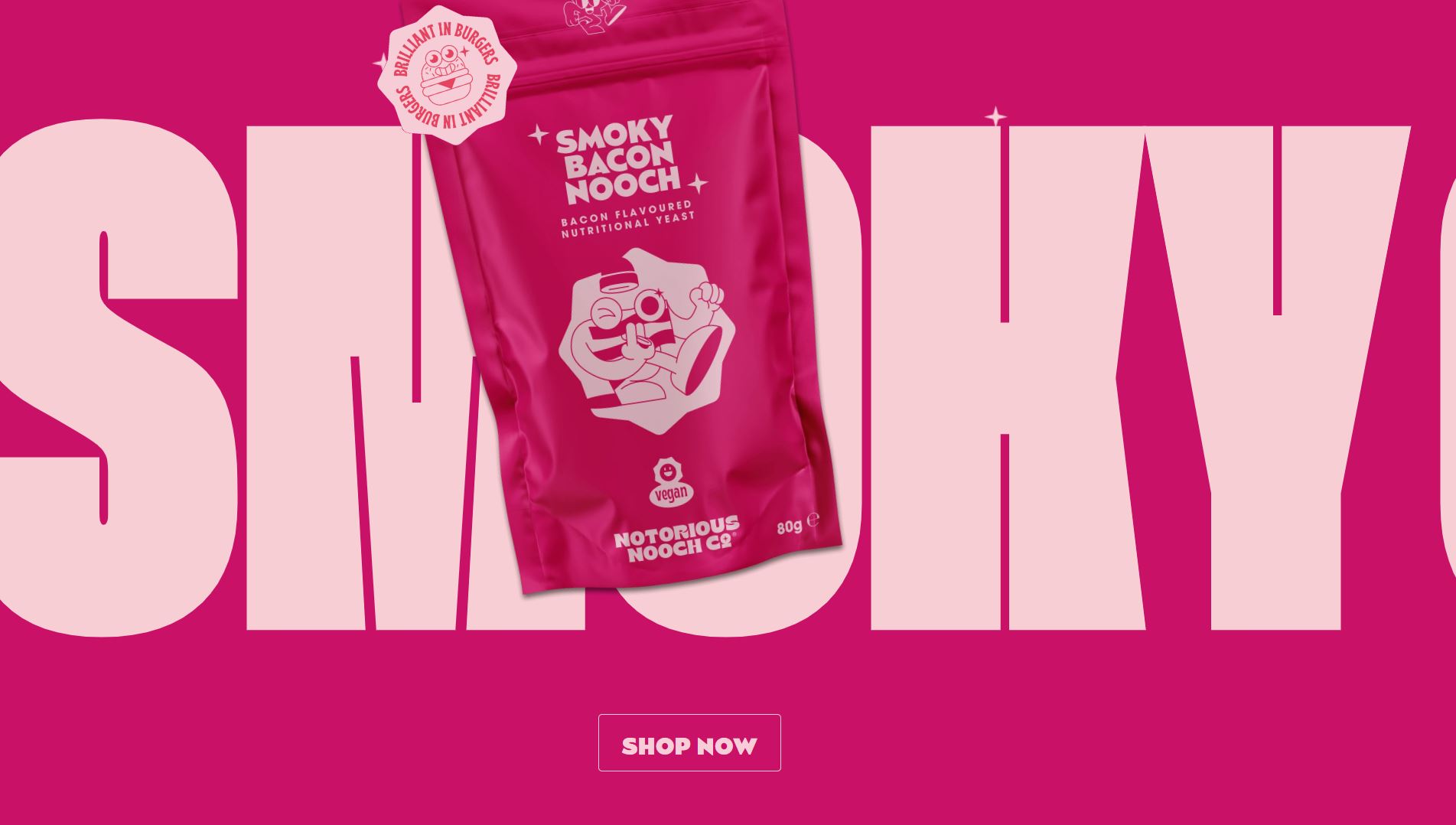
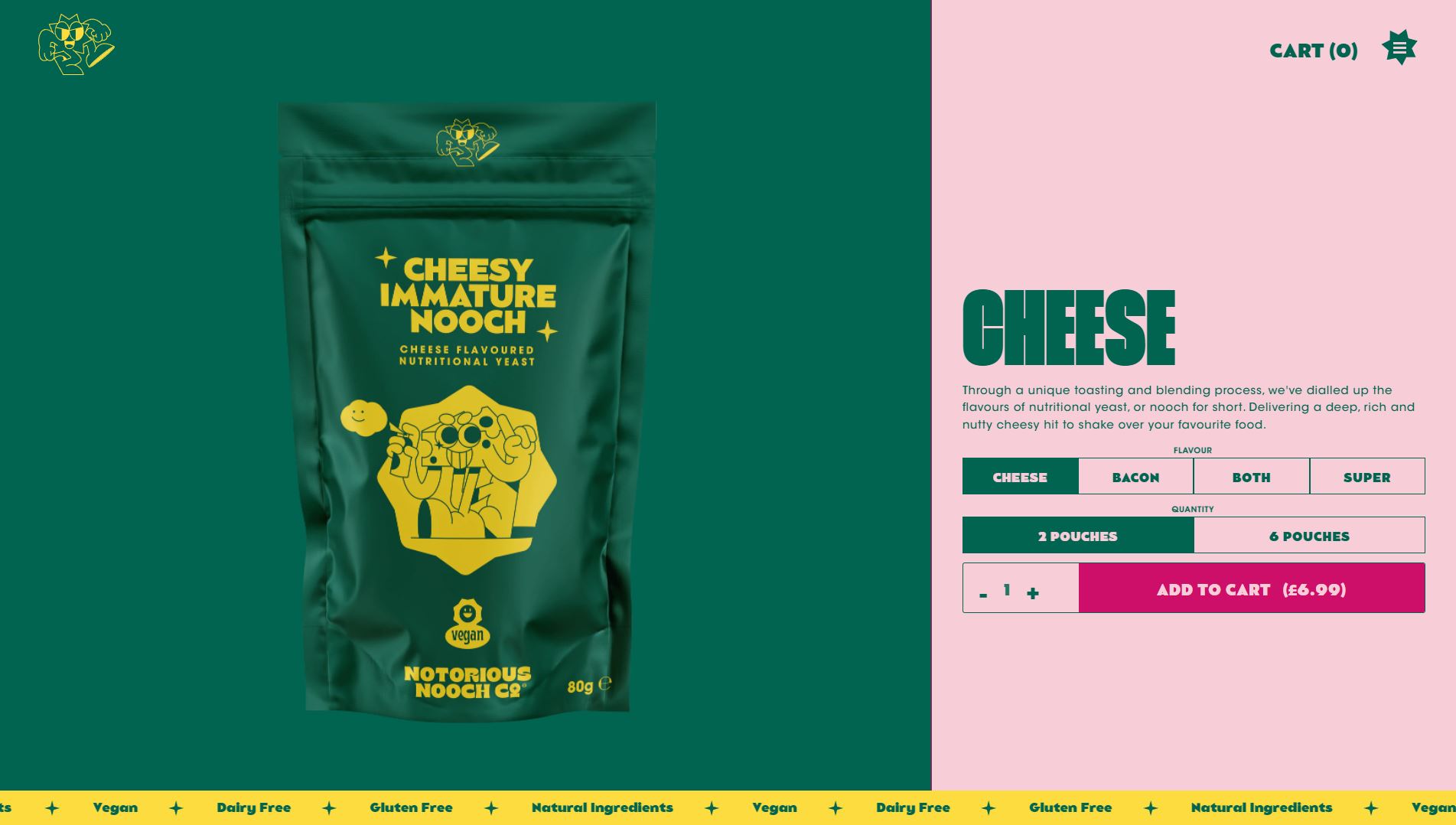
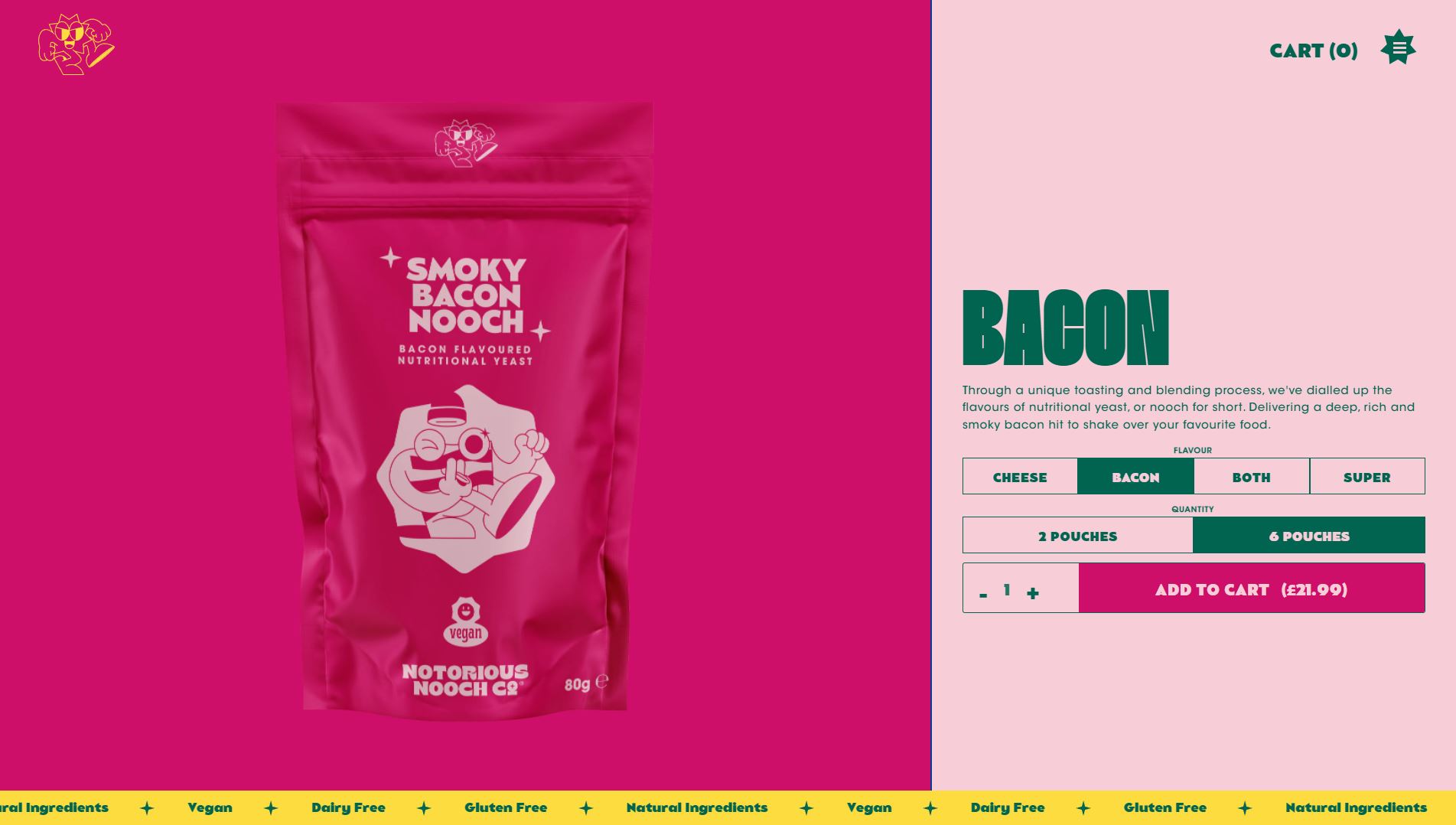
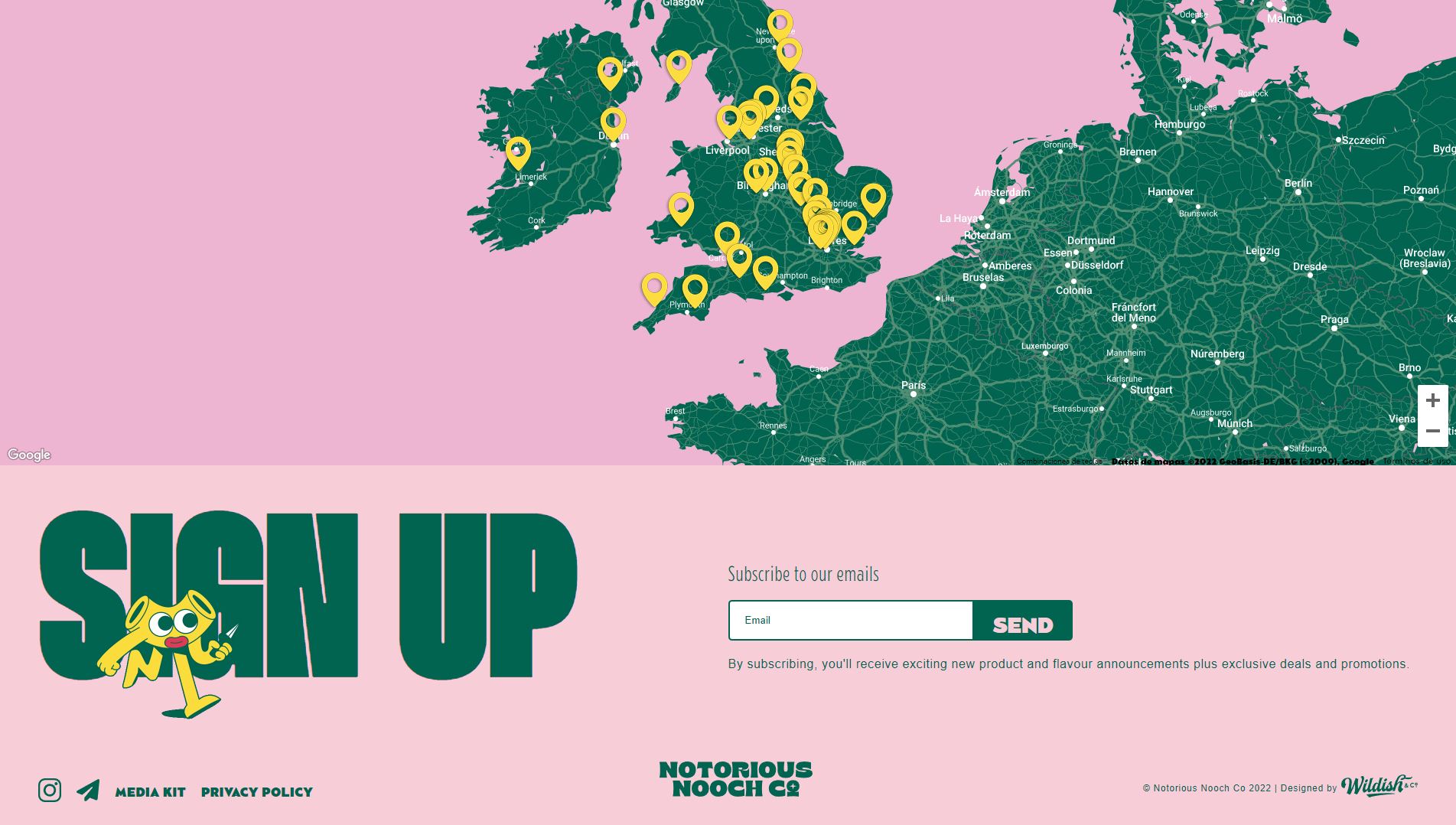
The first site on our list is Notorious Nooch. As you can see from the screenshots, it’s bursting with color, features, and creative design!
This is a great example of how far you can go when launching a product aimed at a younger or trend-focused audience.
The Notorious Nooch website is packed with bold visuals, vibrant colors, distinctive typography, engaging images and videos, and smart functionality.
Take a look and you’ll see why we consider it one of the best food websites out there.
Tips for Designing the Best Food Website
Food products—and really, almost any product, physical or digital—can be sold online.
For years, companies have combined brick-and-mortar stores or distribution networks with online shops.
So, our first tip is clear: you need an online store.
To grow, expand, and reach a wider market, it’s essential for food product websites to have a robust ecommerce platform.
A well-designed ecommerce solution will allow you to:
- Add another sales channel alongside your physical stores or distribution network
- Reach a much broader customer base, depending on your distribution capabilities
- Project a modern, up-to-date image—even if online sales are minimal, consumers will see your brand more favorably
- Leverage powerful marketing strategies by turning ecommerce data into actionable insights
Common Mistakes in Food Website Design
The most frequent mistake we see is companies hesitating to invest in a quality ecommerce platform, viewing it as “optional” and only considering it in the medium or long term if results justify it. The problem is, not having ecommerce from the start often leads to poor results and makes it hard to measure success, especially when you’ve chosen such a conservative approach.
Solutions for Food Website Design
If you want your site to be among the best, make sure to allocate budget from the outset for ecommerce implementation.
We have extensive experience creating outstanding websites for this sector. Click here for expert advice on elevating your online presence. We’ll review your current site and provide a tailored action plan for improvement.
TALA WEBSITE
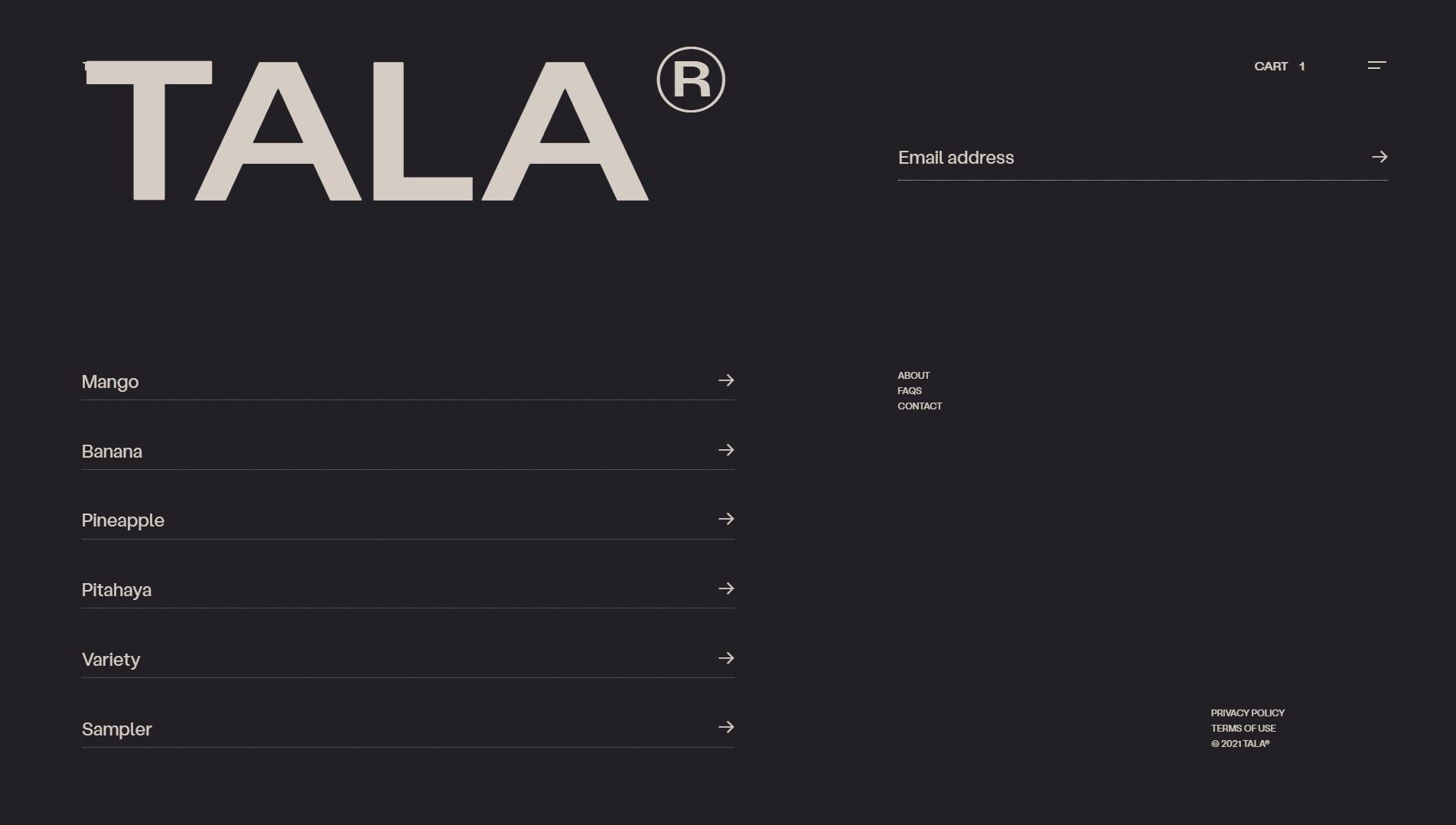
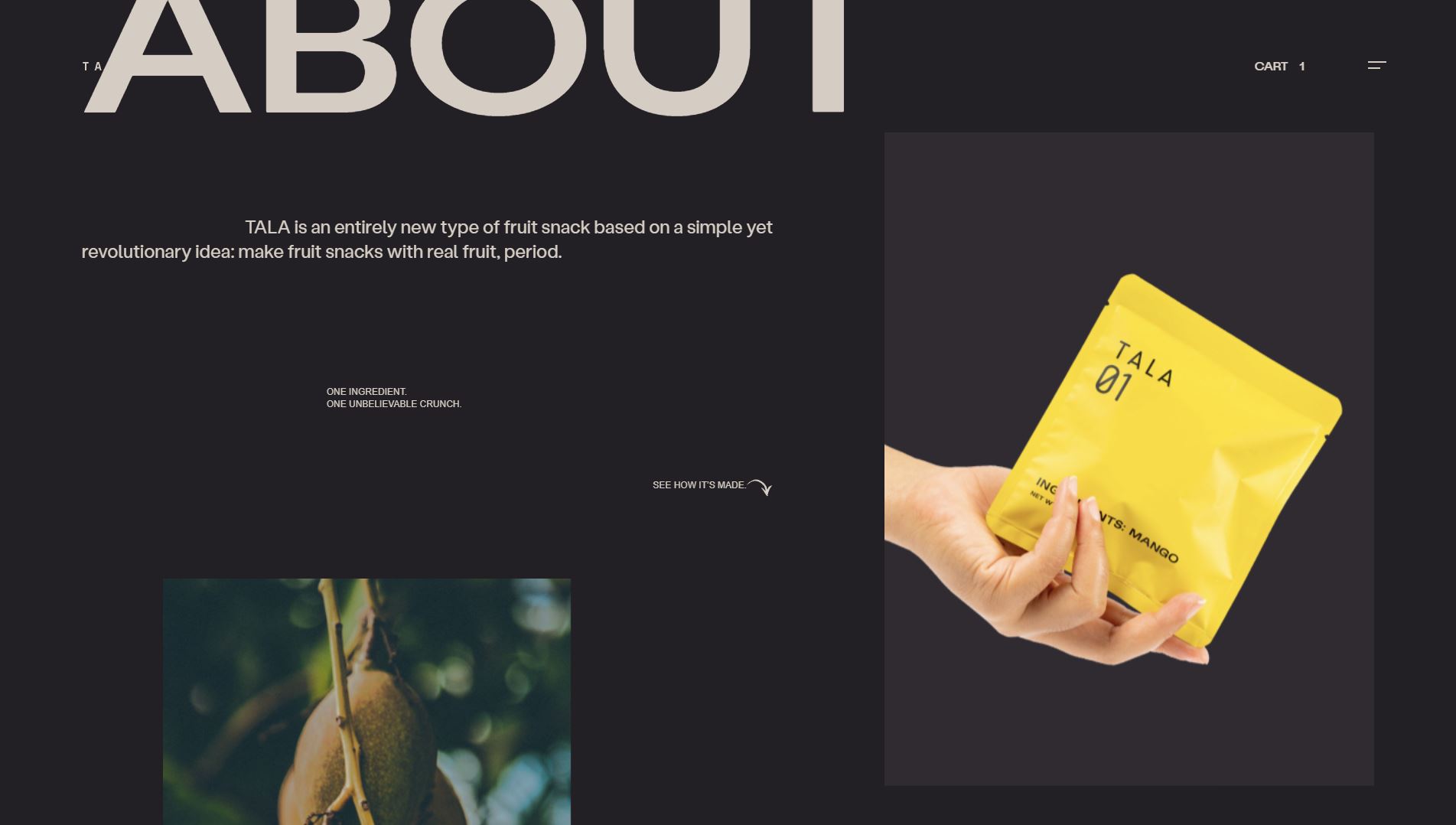
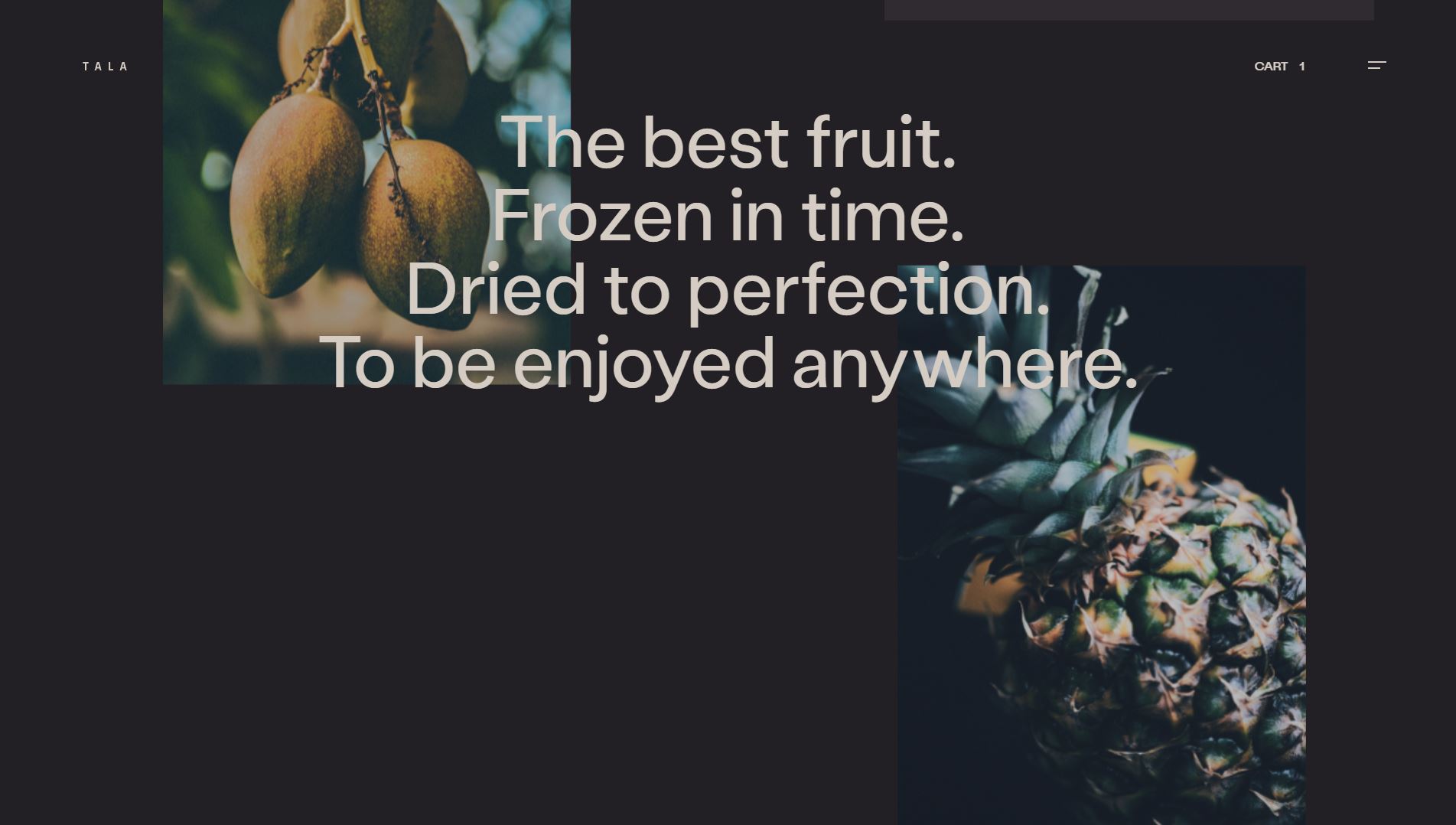
Website design by Non-Linear
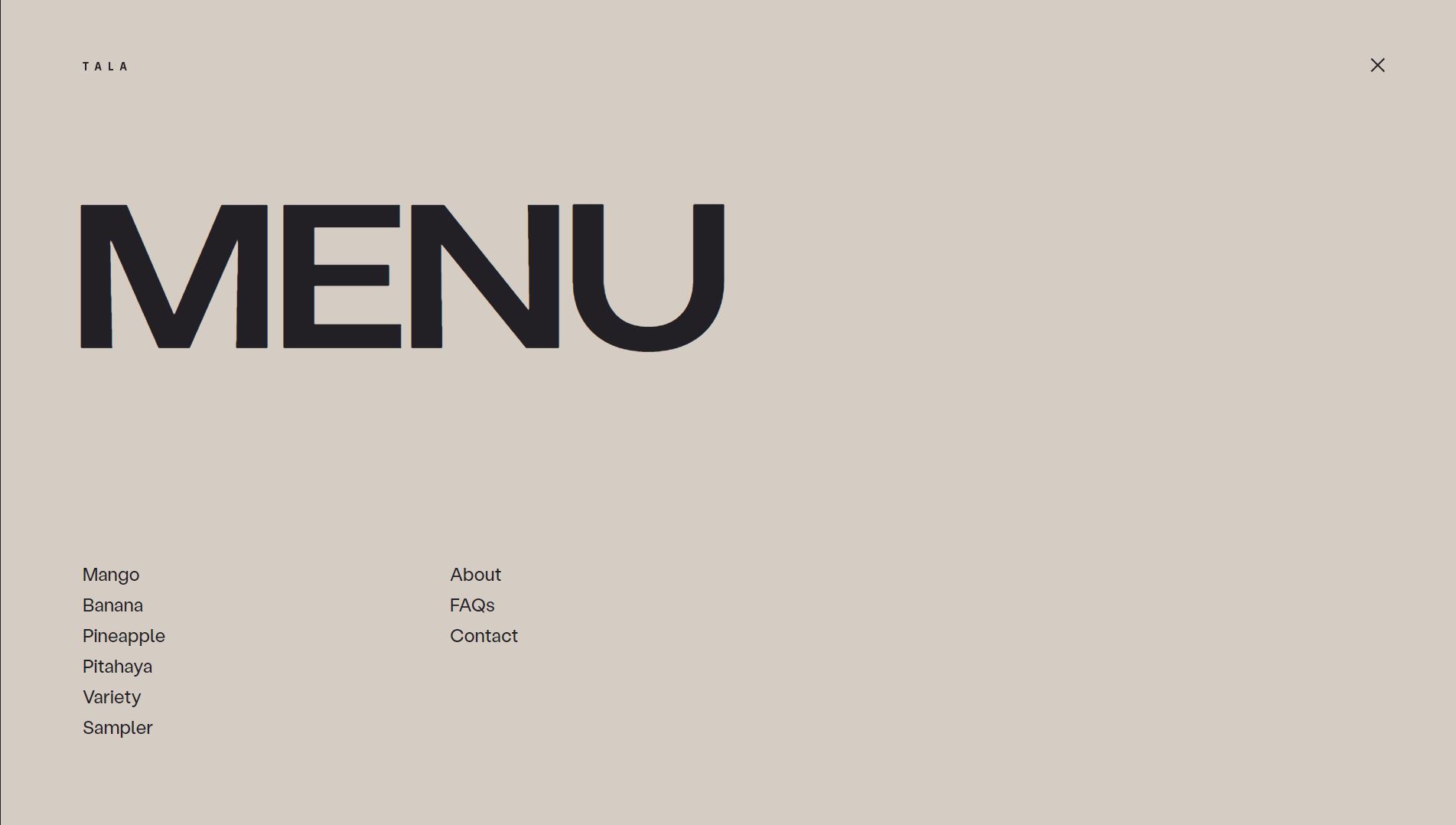
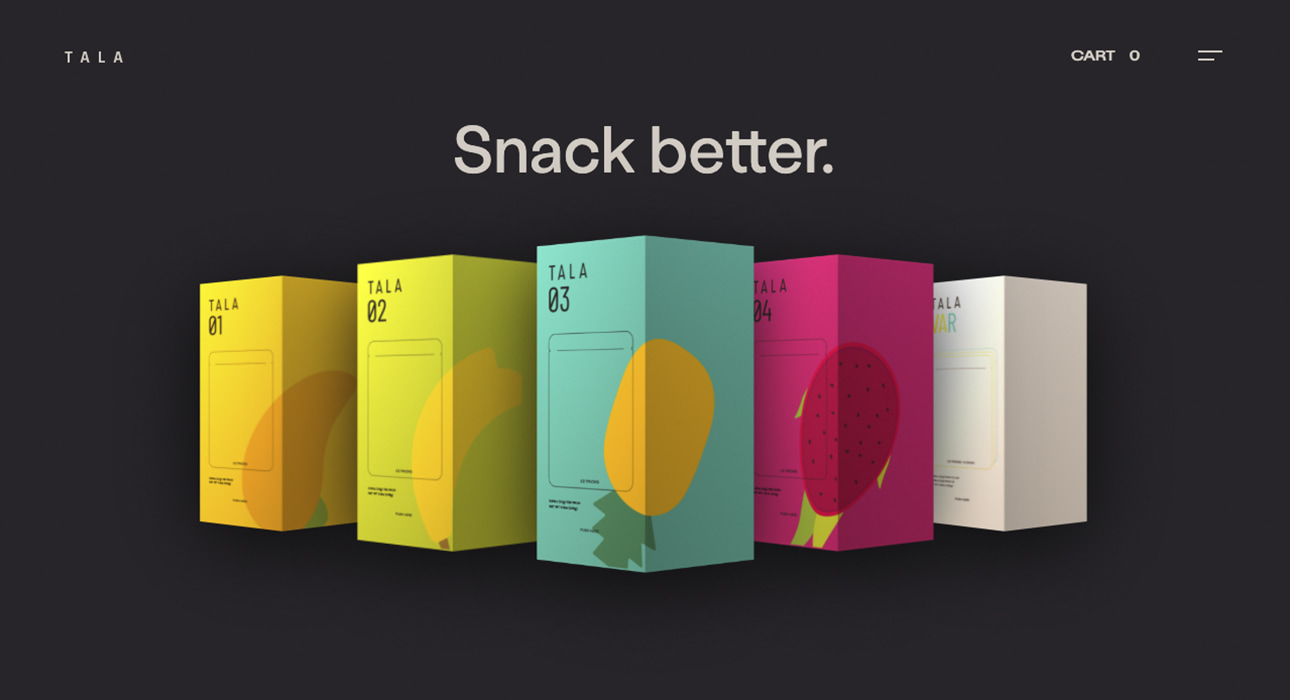
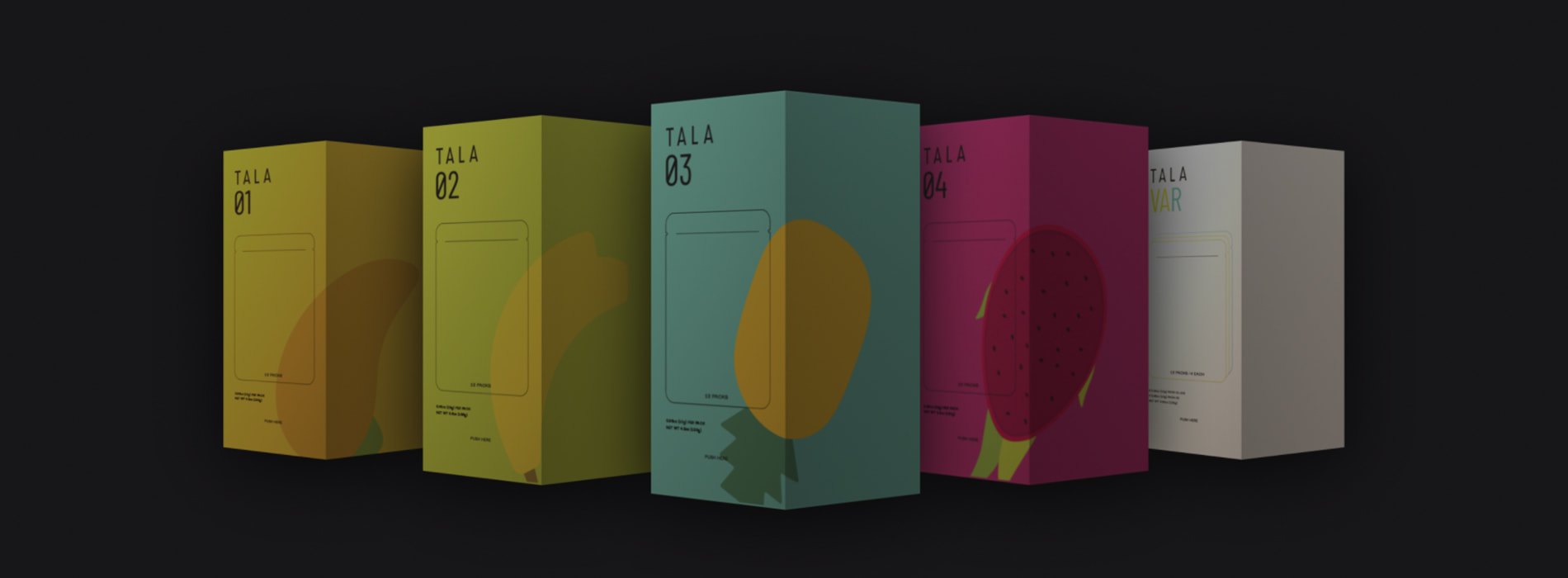
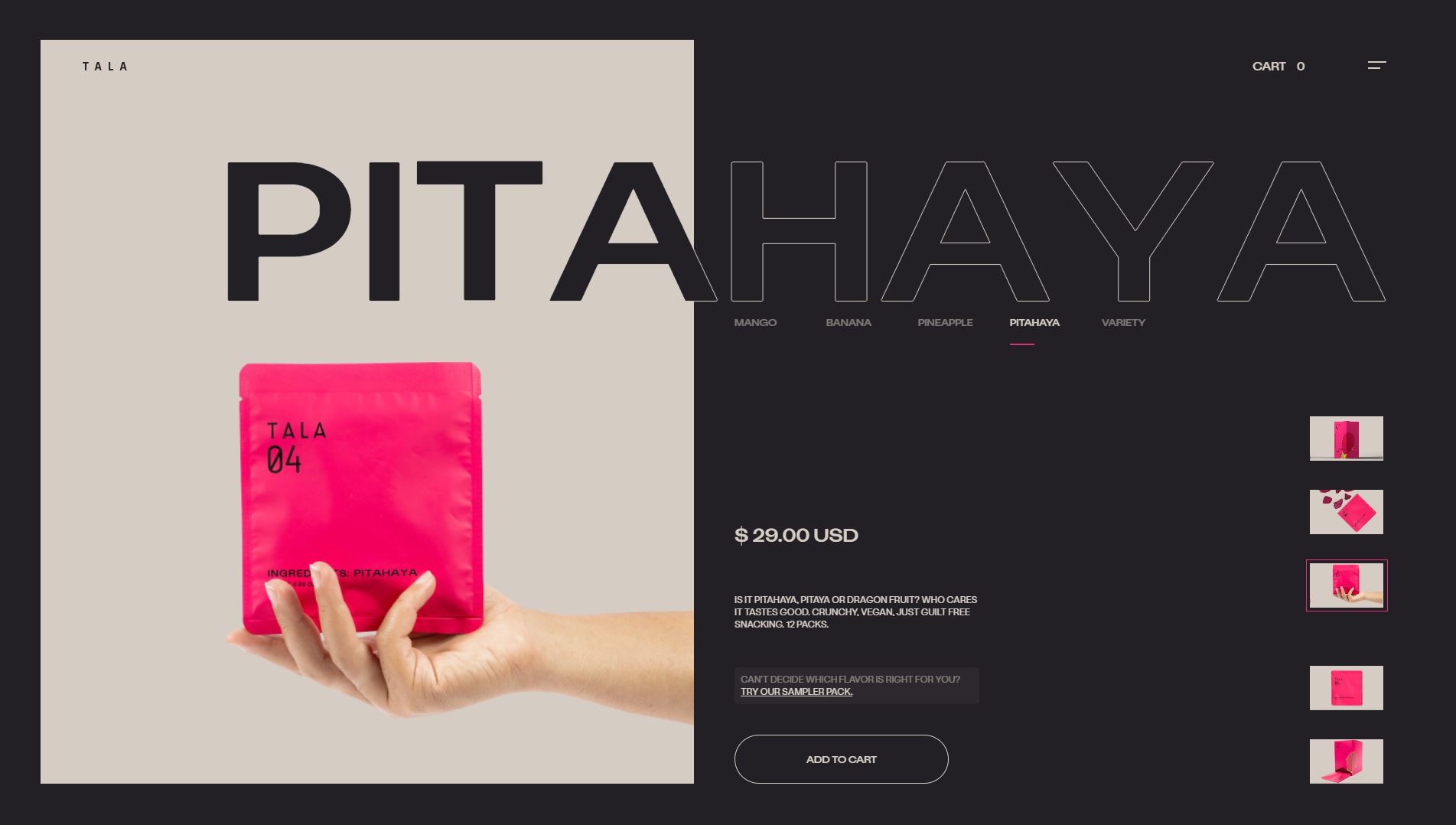
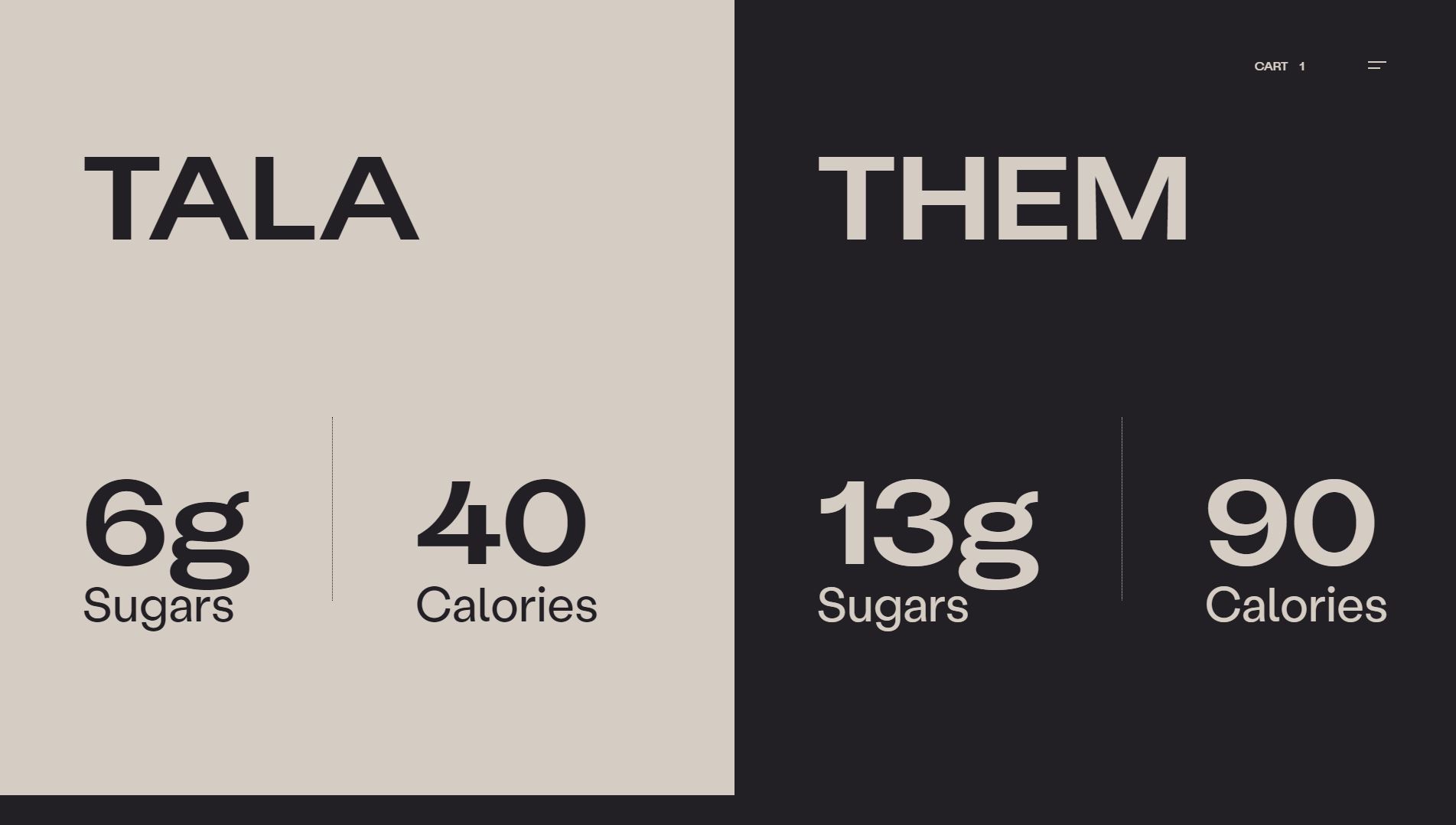
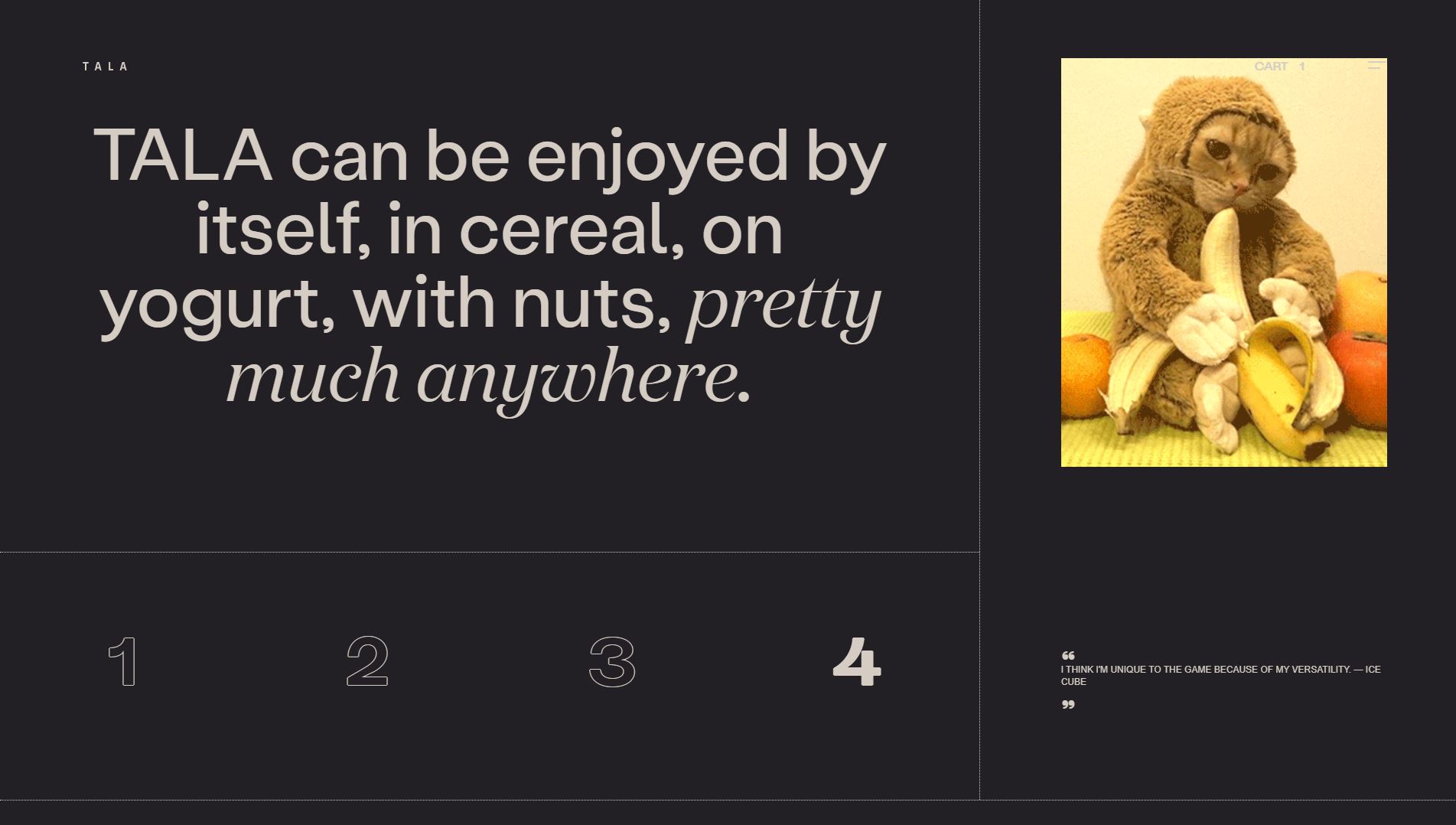
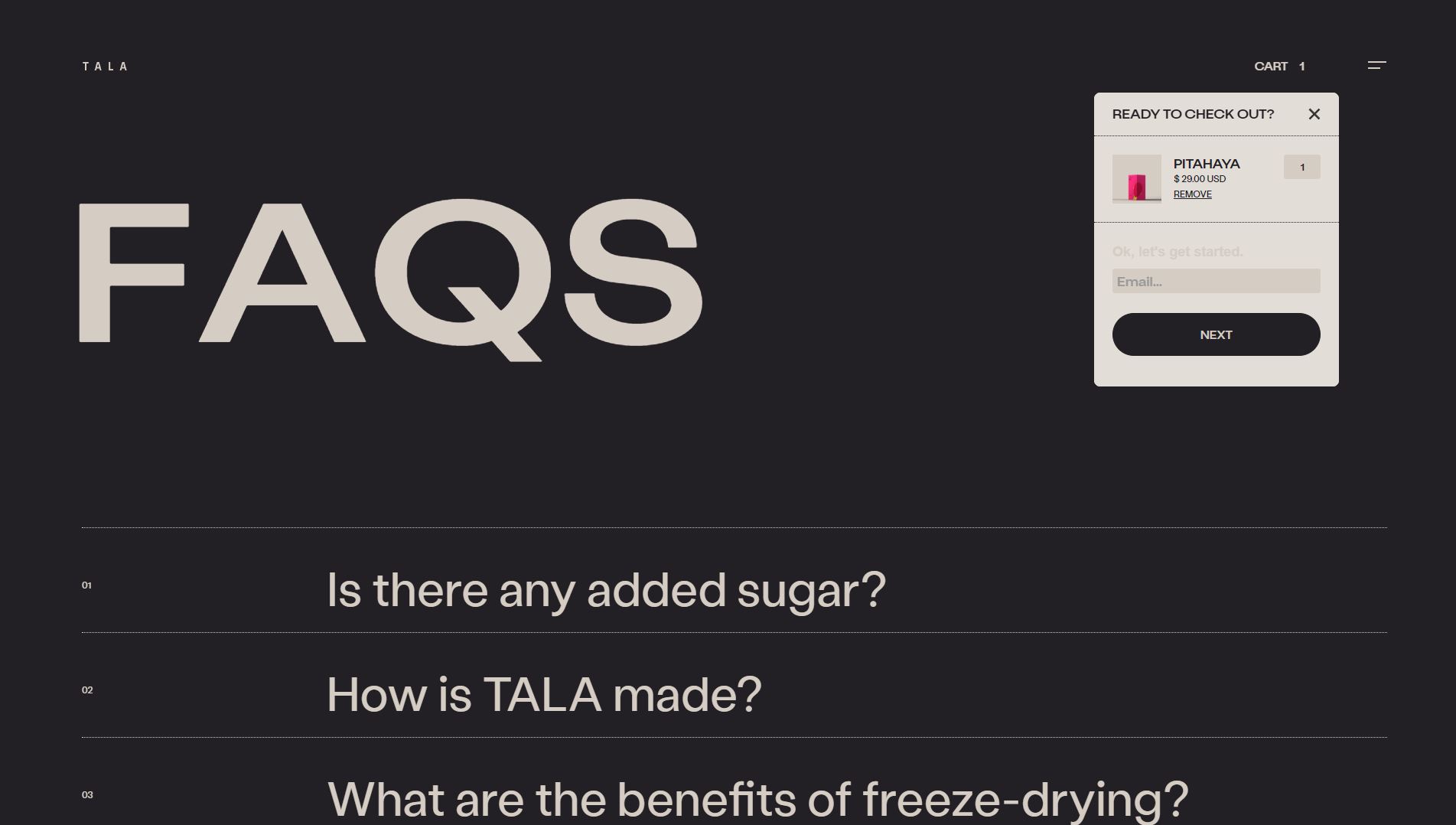
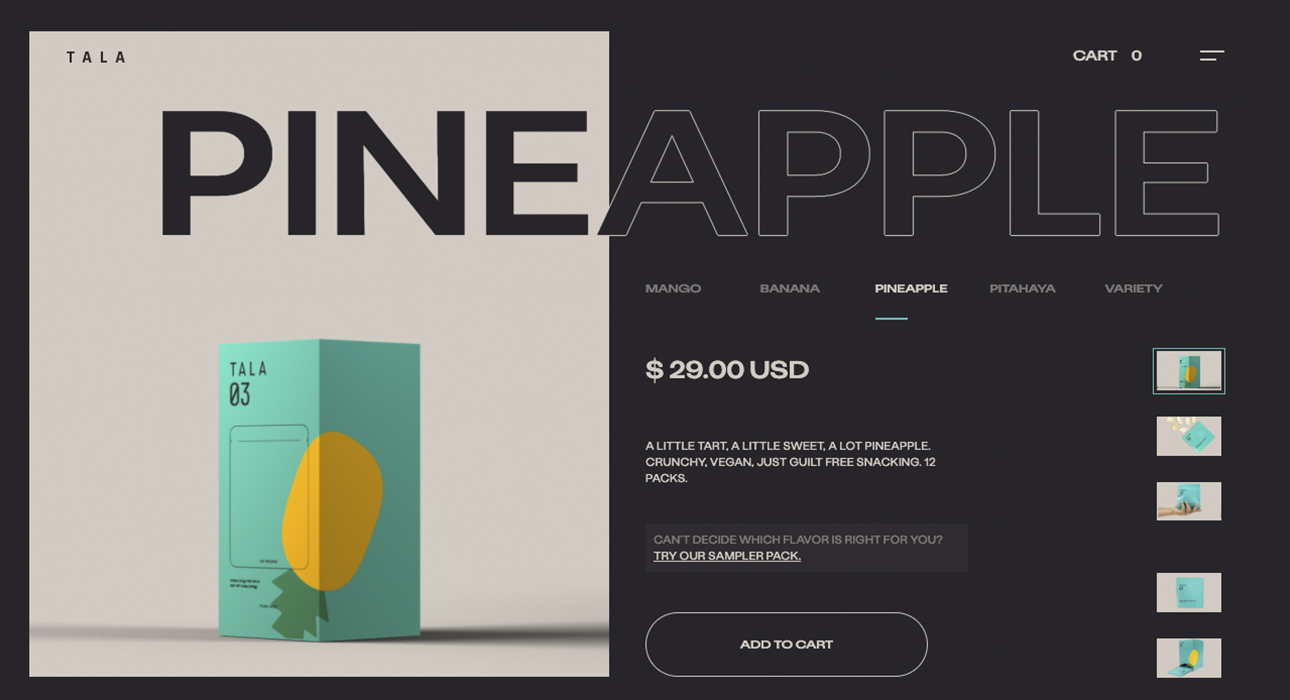
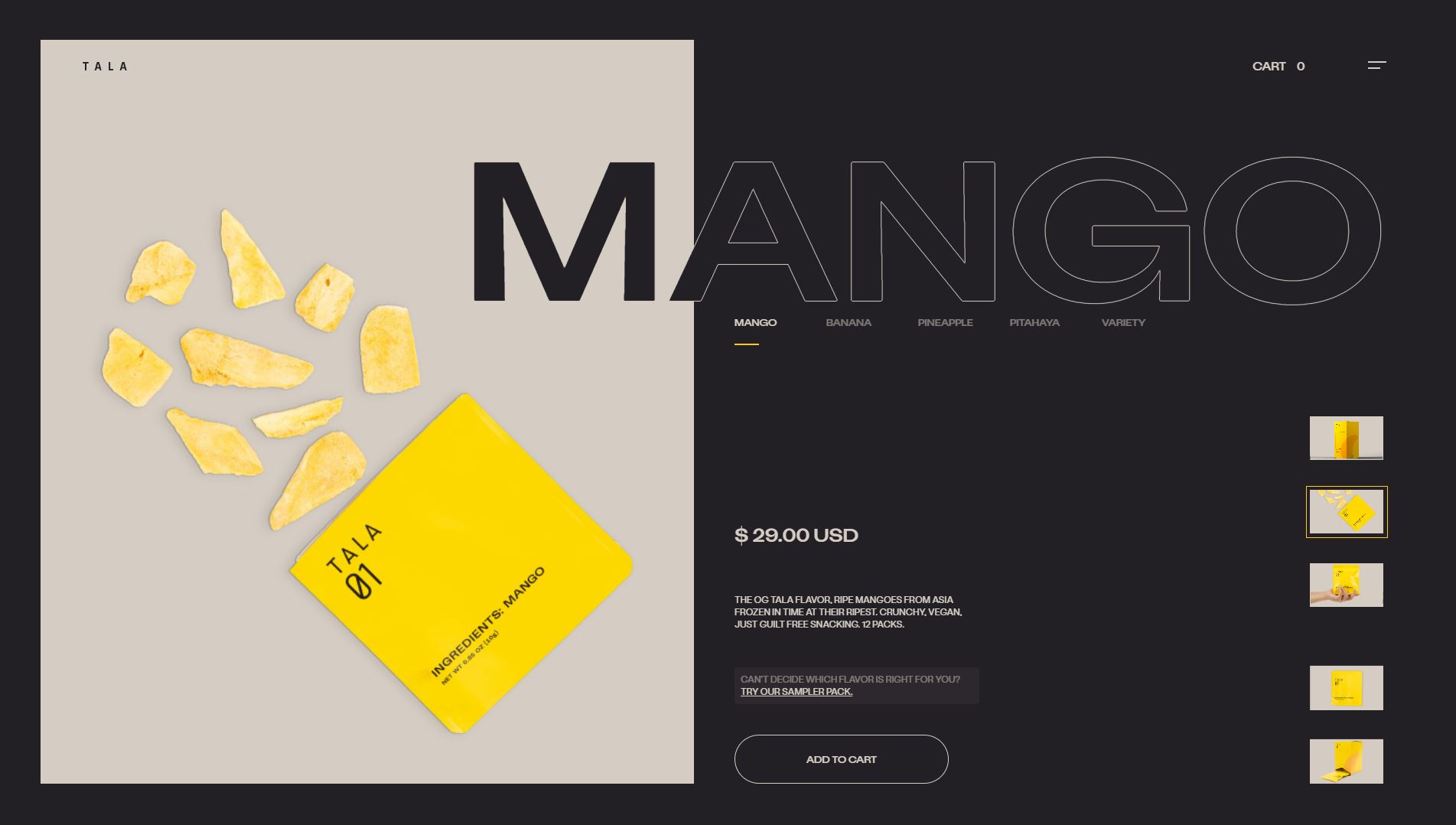
Our second featured site is Tala—a project that stands out for its minimalist, modern, and dynamic approach, especially in the innovative way it presents its product.
Tips for Designing the Best Food Website
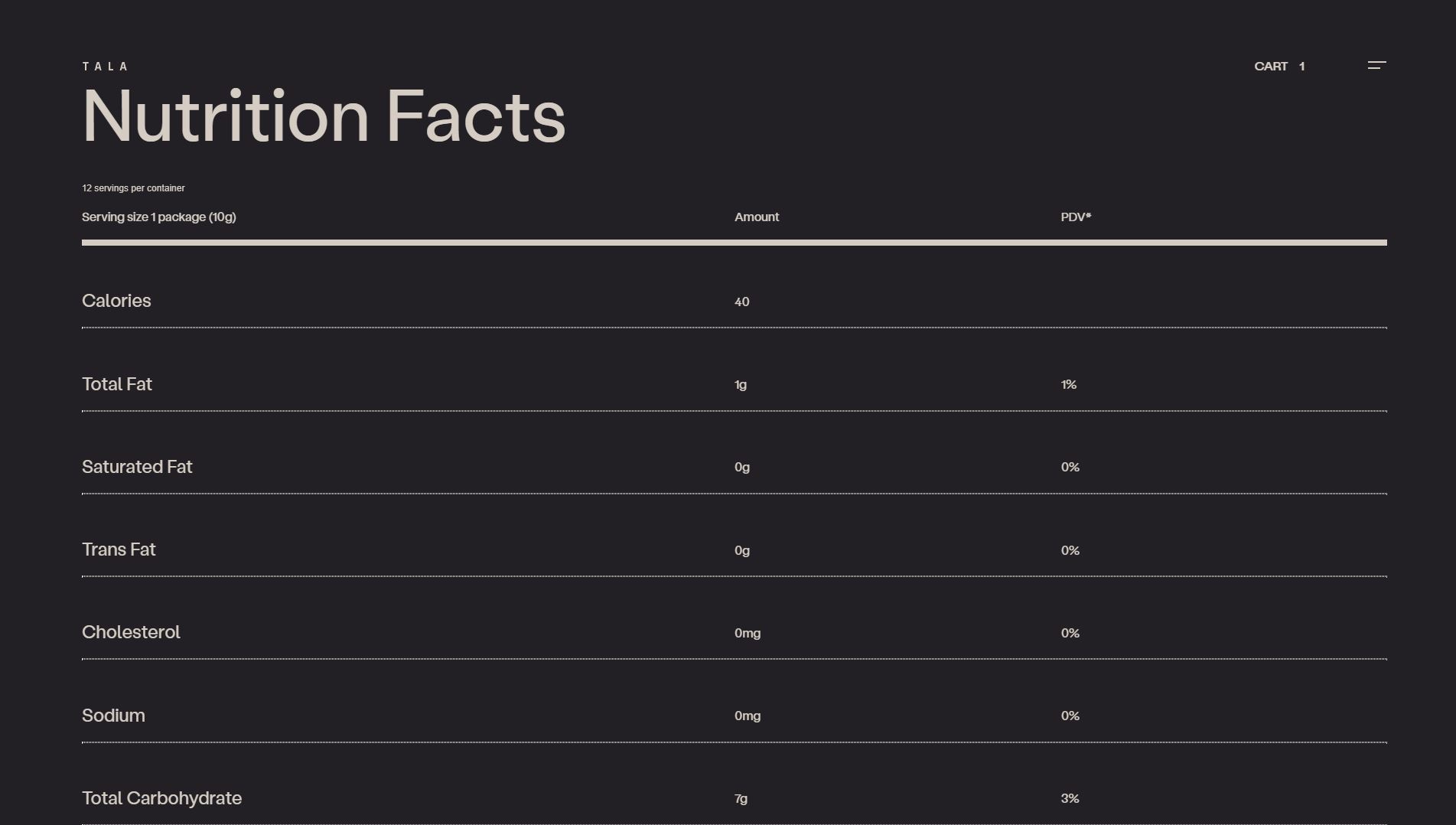
The key takeaway from this website is the importance of information—everything related to your product, both past and present.
A food product must provide as much information as possible, because customers are trusting you with what they put into their bodies!
Here’s the challenge: websites often struggle to present written information in an engaging way. If the content is boring, visitors will leave. The solution is to combine essential information with creative design, turning details into a value-add that builds trust. This requires thoughtful planning and plenty of creative techniques to ensure your information actually helps convert visitors into customers.
If you get this right, your website will:
- Provide all legally required product information
- Add value for buyers, building trust in your brand
- Turn all that information into SEO-friendly keywords—so pay close attention to your content and messaging
Common Mistakes in Food Website Design
The most common mistake is failing to integrate all that information into a well-designed site, resulting in a cluttered, unreadable section—much like those dreaded cookie or privacy policy pages.
Solutions for Food Website Design
The best solution is to work with a multidisciplinary team that respects and considers every aspect of the project.
We have extensive experience creating outstanding websites for this sector. Click here for expert advice on elevating your online presence. We’ll review your current site and provide a tailored action plan for improvement.
MY POPS WEBSITE
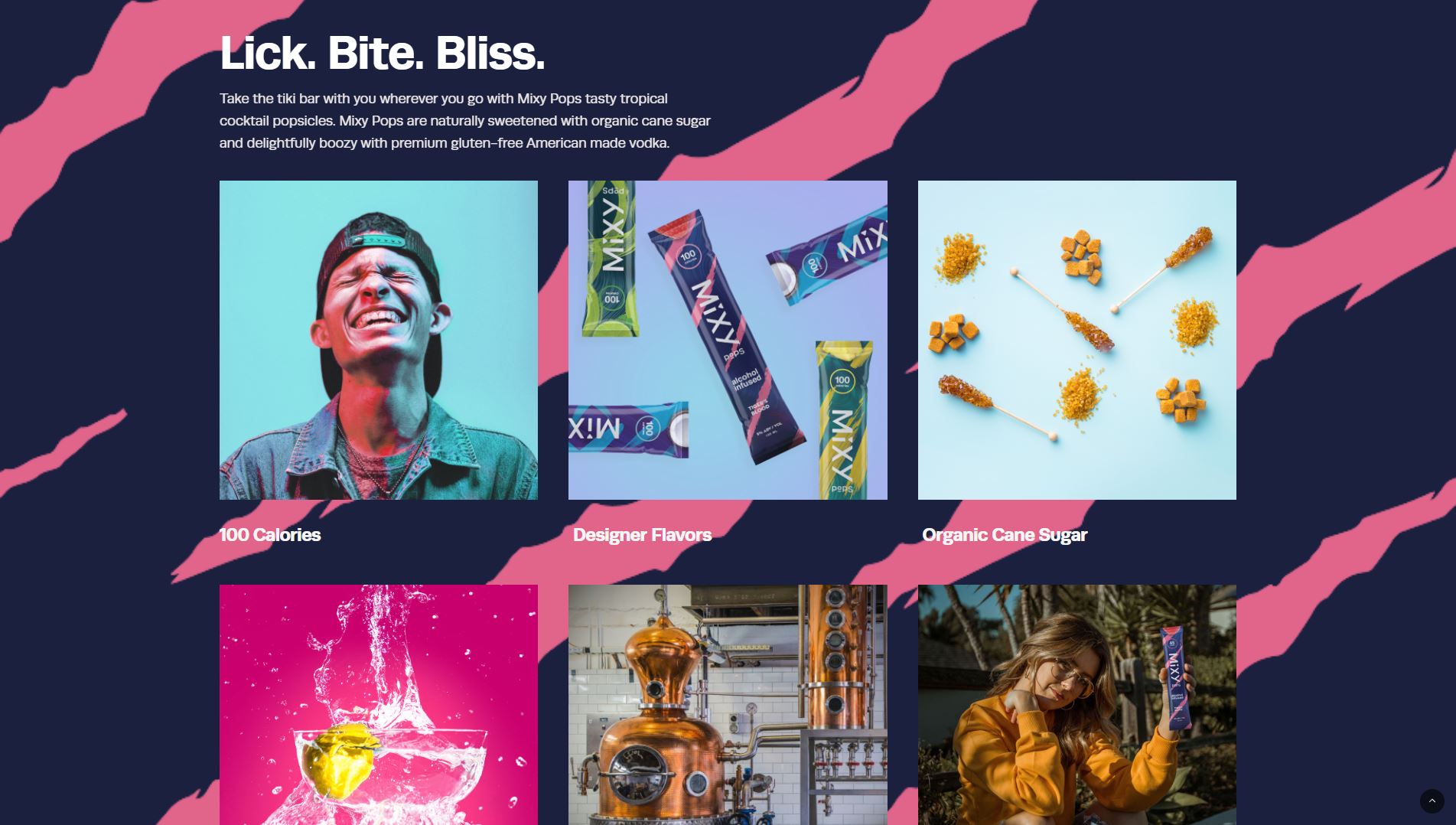
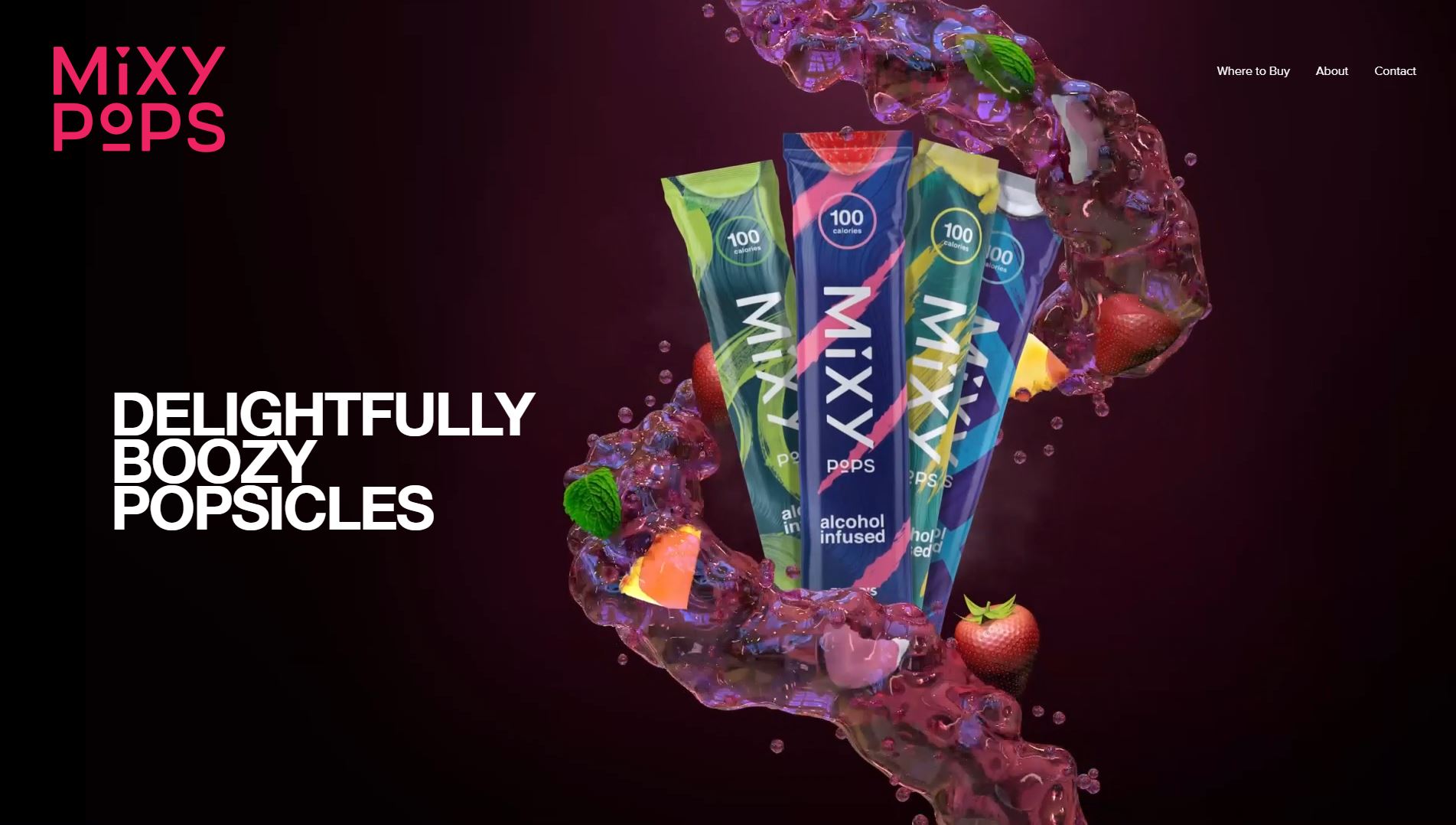

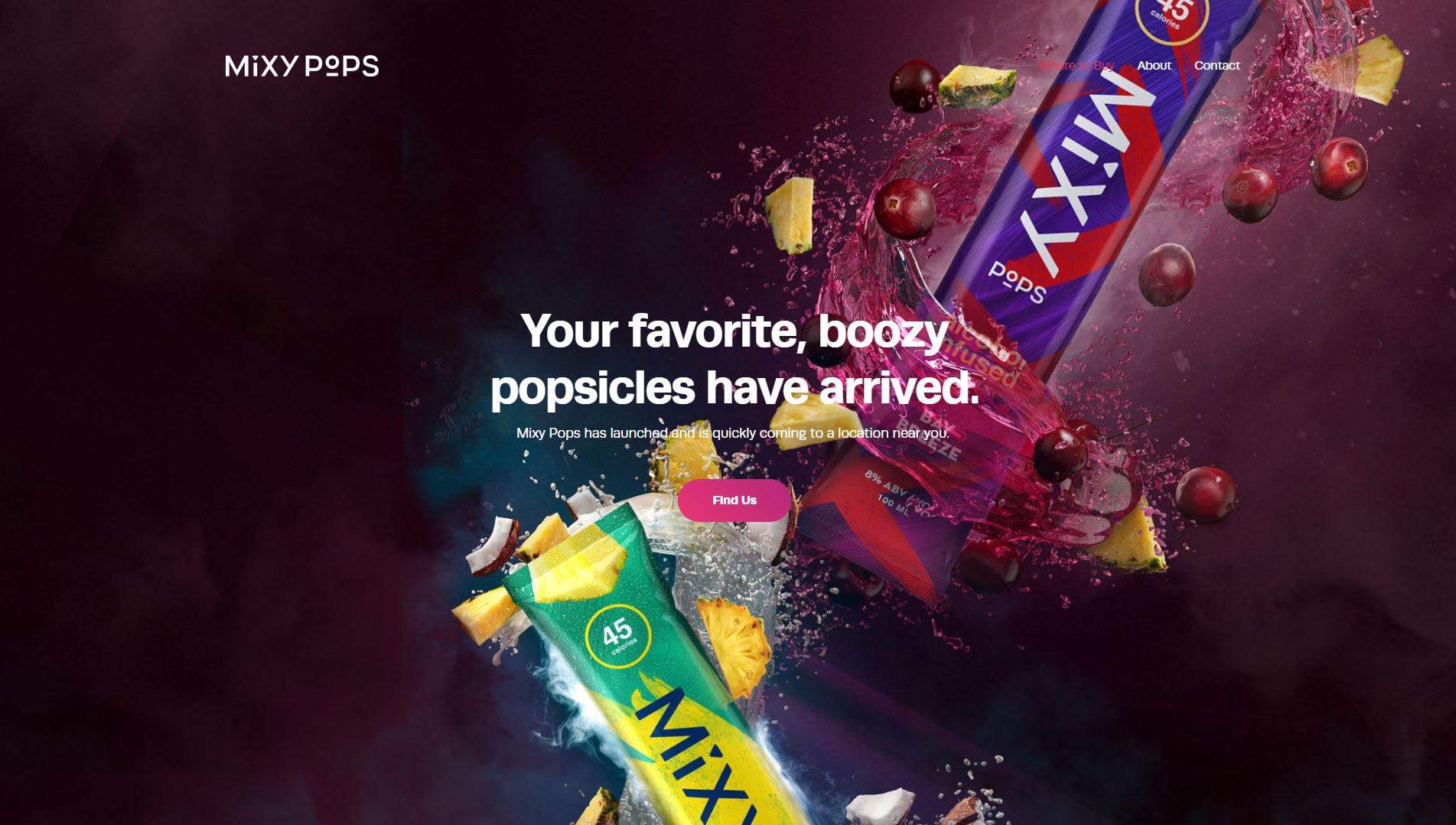
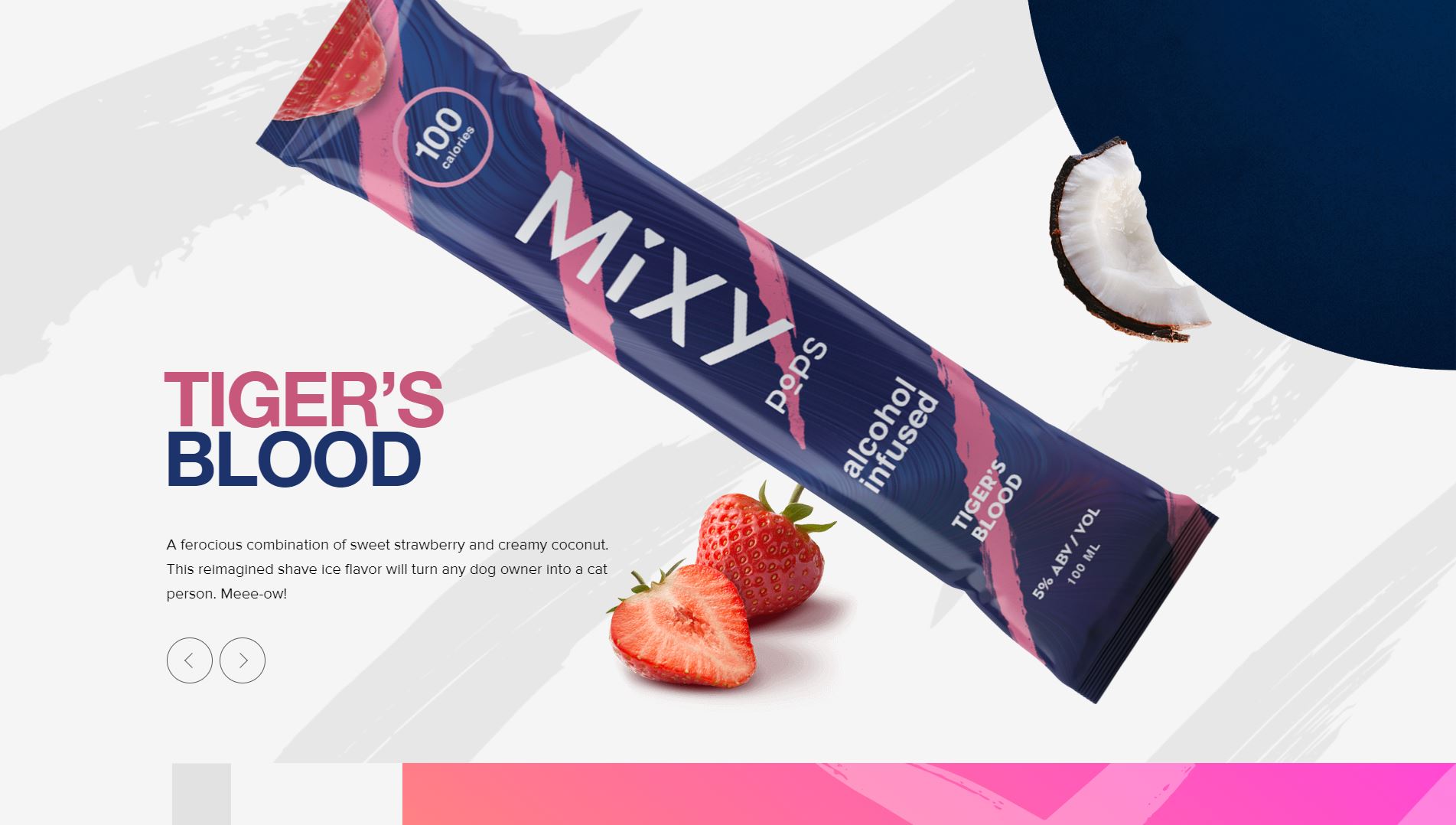
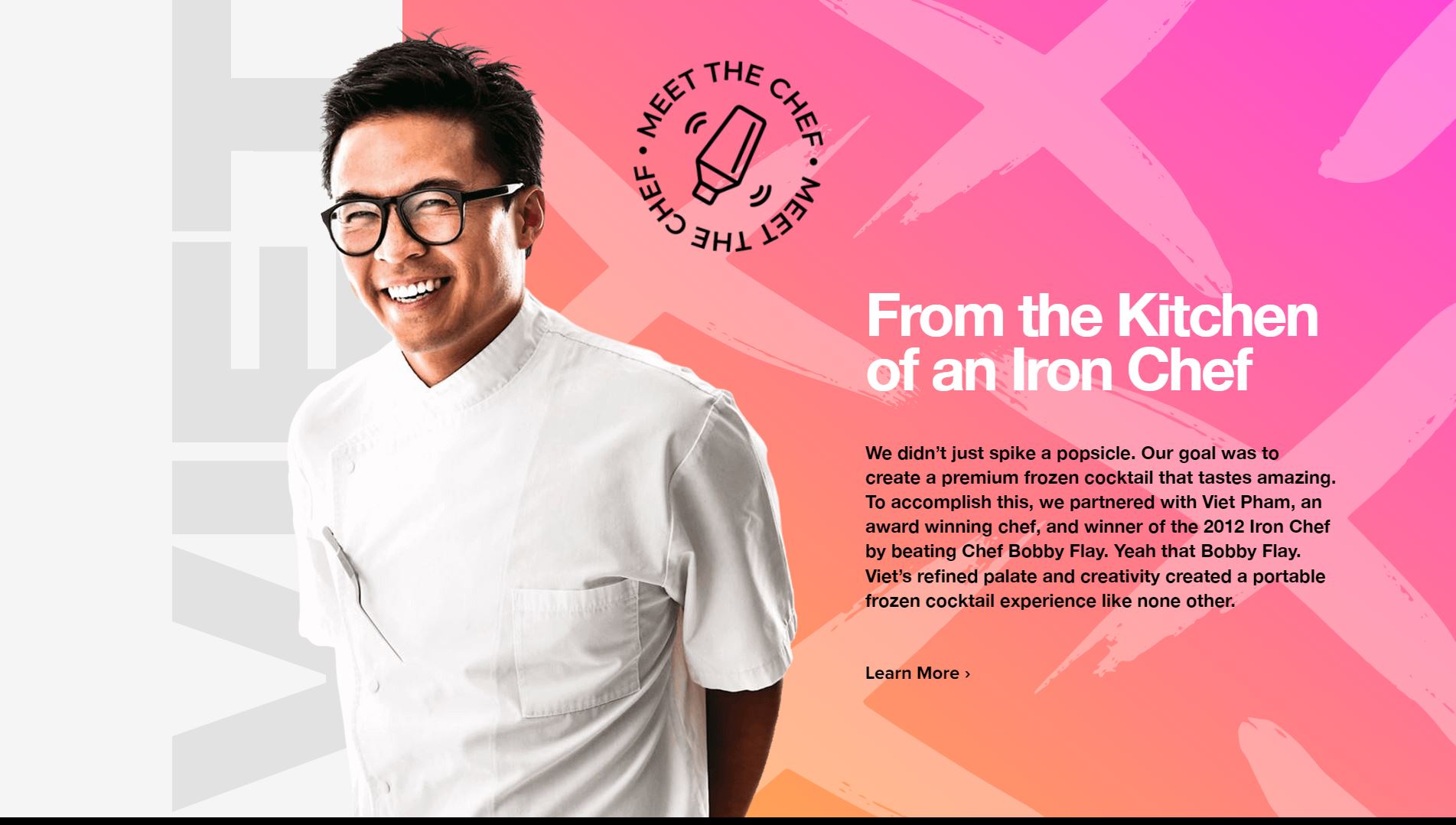
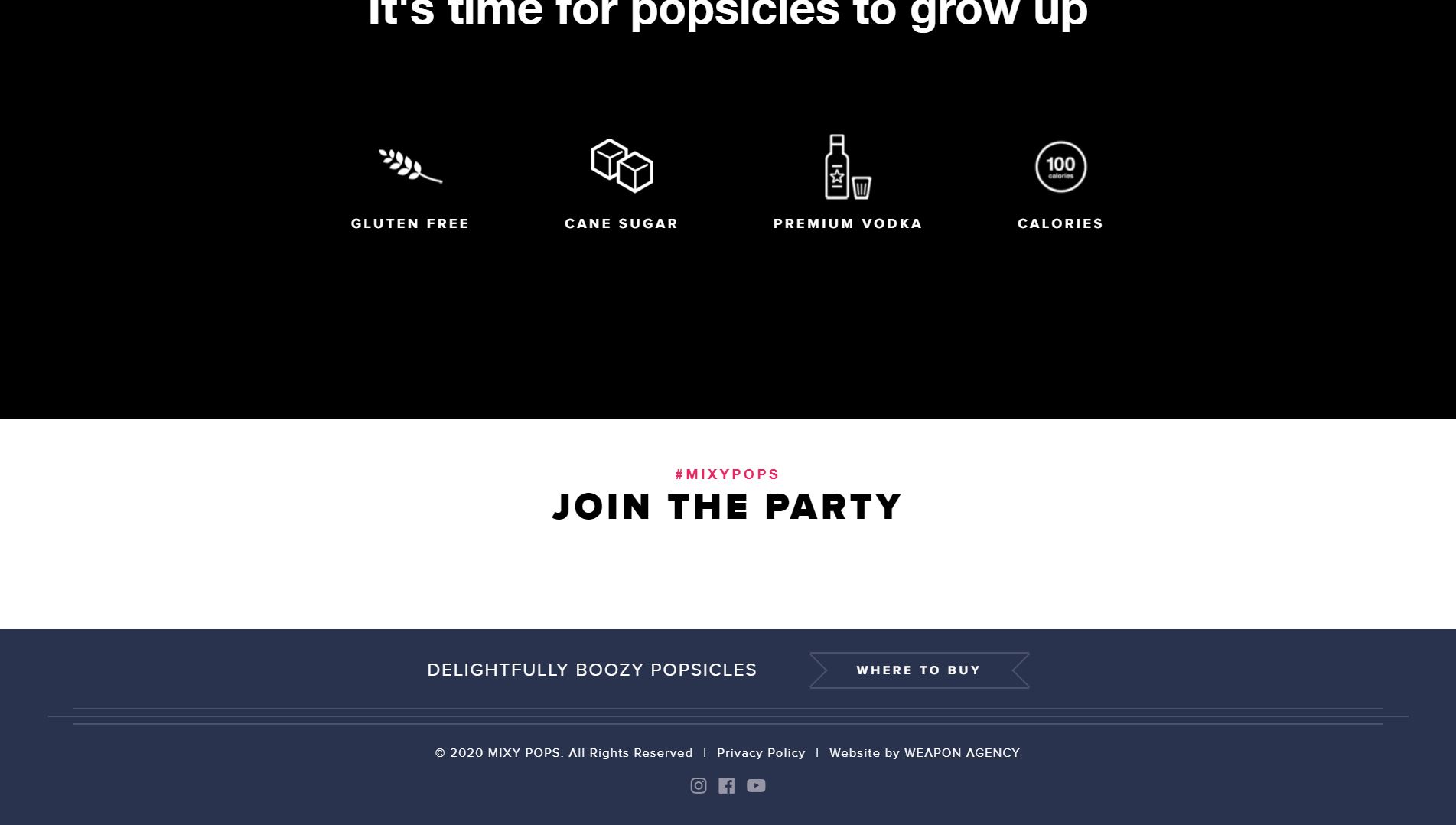
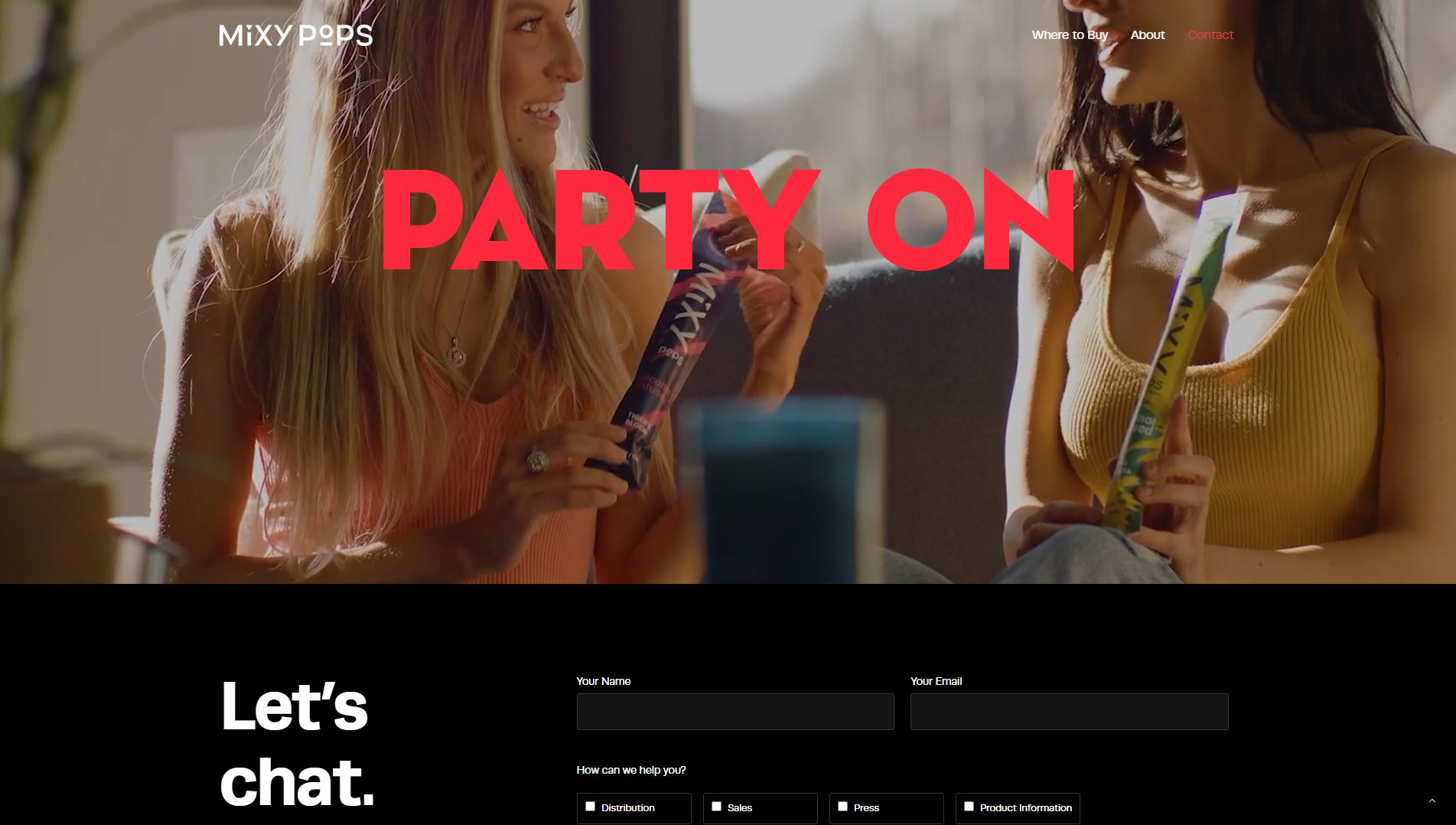
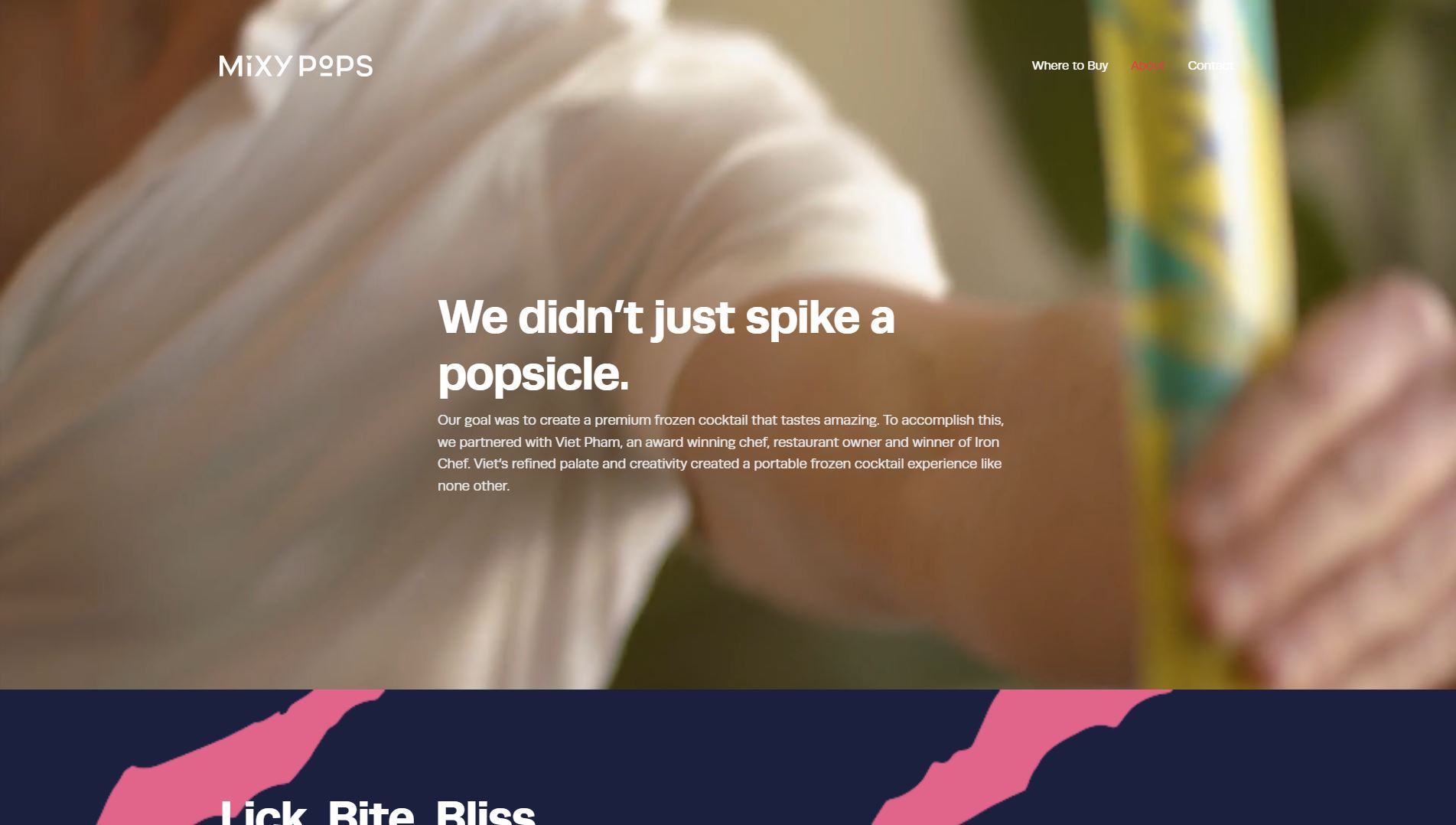
Website design by Weapon Agency
We wrap up our review with the website created to showcase Mixy Pops.
As you can see, the design is bold and direct—sometimes even a bit heavy-handed in targeting its audience—but ultimately effective, as you’d expect for a product like this.
Tips for Designing the Best Food Website
There are many ways to approach the design and development of a food product website, but our first tip is this: your design must fully reflect the essence of your product. Before launching, define your product’s brand identity—both digital and offline—your target audience, and your expectations.
Food website designs should always showcase these elements in the most appealing way possible. Remember, your website is a cornerstone of your brand identity, so investing in strong branding—beyond just the product and its packaging—is crucial for a successful digital marketing strategy.
With this foundation in place, you’re more likely to:
- Reach your desired market segment
- Establish your position in the market
- Stand out from your competitors
- Present an image that matches your product
- Drive sales
Common Mistakes in Food Website Design
A common pitfall is failing to align your product and brand identity with your website and target audience. This often happens when different teams handle each aspect, leading to a disconnect and loss of valuable insights during the process.
Solutions for Food Website Design
The best way to avoid this is to define all aspects of your product’s design and brand identity—both online and offline—well in advance. Create a comprehensive brief and ensure everyone involved in the project follows it closely.
We have extensive experience creating outstanding websites for this sector. Click here for expert advice on elevating your online presence. We’ll review your current site and provide a tailored action plan for improvement.
Our Conclusions:
This article was created by Code Barcelona, but all referenced works remain the intellectual property of their respective creators.
All creators are properly credited throughout the article—our sincere congratulations on their excellent work.