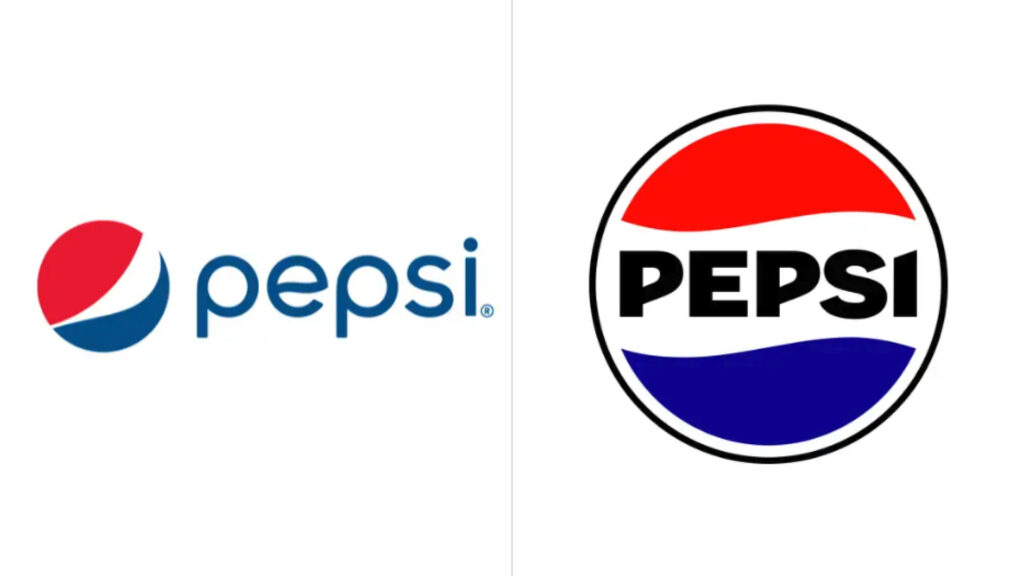
Pepsi’s new logo brings back the brand’s classic wordmark and introduces black to the color palette, aligning more closely with its sugar-free variant, Pepsi Zero Sugar. The update also features a dynamic digital pattern that moves to the beat of music, promising adaptability across various advertising contexts. This refreshed identity aims to distance Pepsi from its sugary image and embrace current visual trends, making the brand more versatile and appealing to younger consumers.
The new Pepsi logo: a sign of evolution
Pepsi has unveiled its first major redesign in 15 years, set to debut in North America this fall and roll out globally in 2024. The most notable change is the return of the “Pepsi” wordmark inside the brand’s iconic patriotic globe, reminiscent of its look in the 1980s and 90s. However, this isn’t just a nostalgic move. The redesign is intended to move Pepsi away from its association with sugar. Black—also used in Pepsi Zero Sugar—has been added to the signature red, white, and blue palette to unify the brand. Black now outlines the logo, encircles the globe, and extends to what Pepsi’s design team calls the “pulse,” a digital pattern that animates in sync with any background.
Pepsi has been actively addressing concerns around sugar. While PepsiCo’s revenues are on the rise, much of that growth is driven by higher prices rather than increased market reach. At the same time, Pepsi has waged a kind of war on sugar, as consumers look to cut back, with 30% of Gen Z reporting they avoid it altogether. In recent years, Pepsi’s shift away from sugar has involved billions in investments and divestments, including the sale of its Tropicana and Naked juice brands in 2021 and a greater focus on its SodaStream concentrate platform, first acquired in 2018.
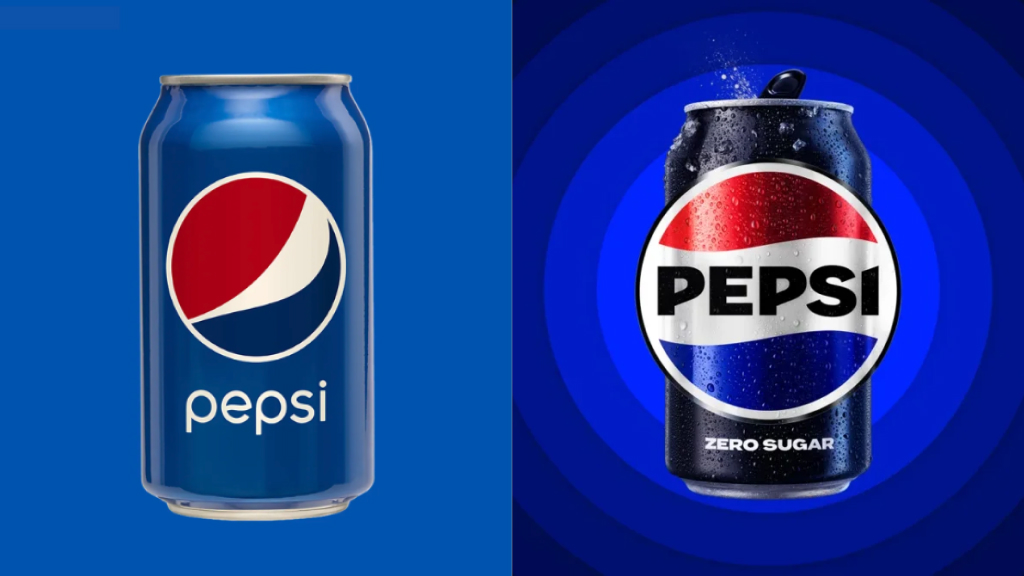
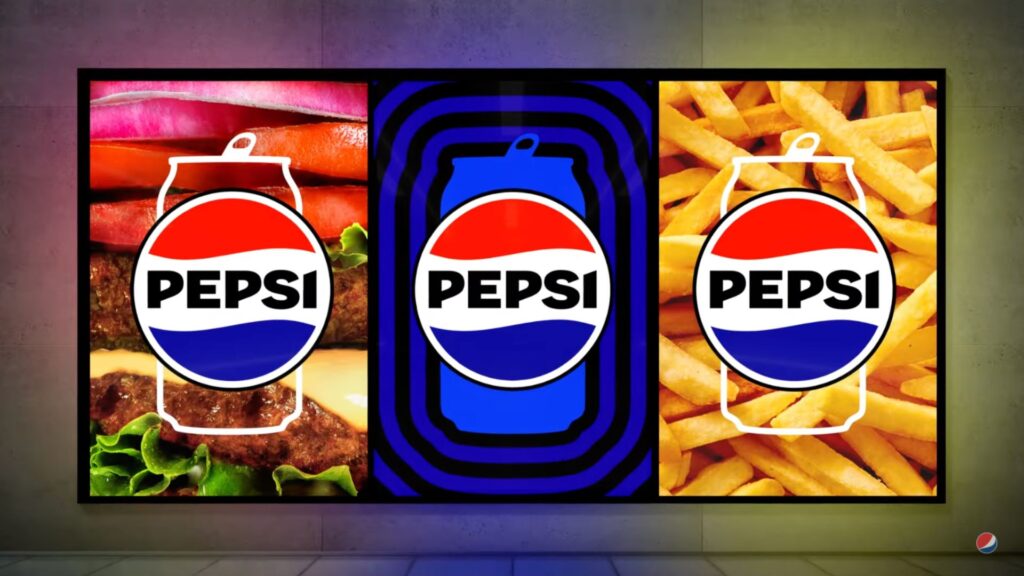
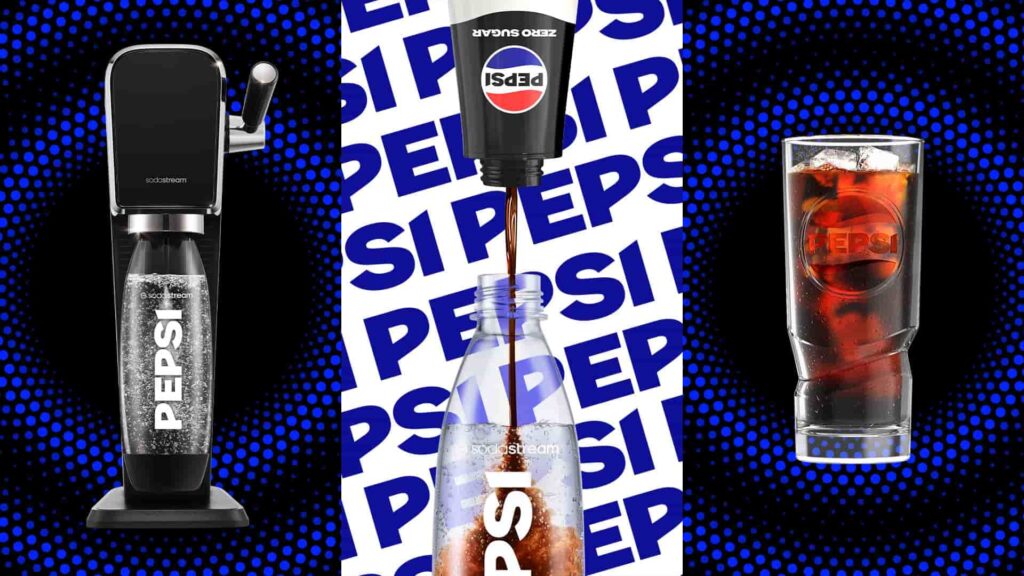
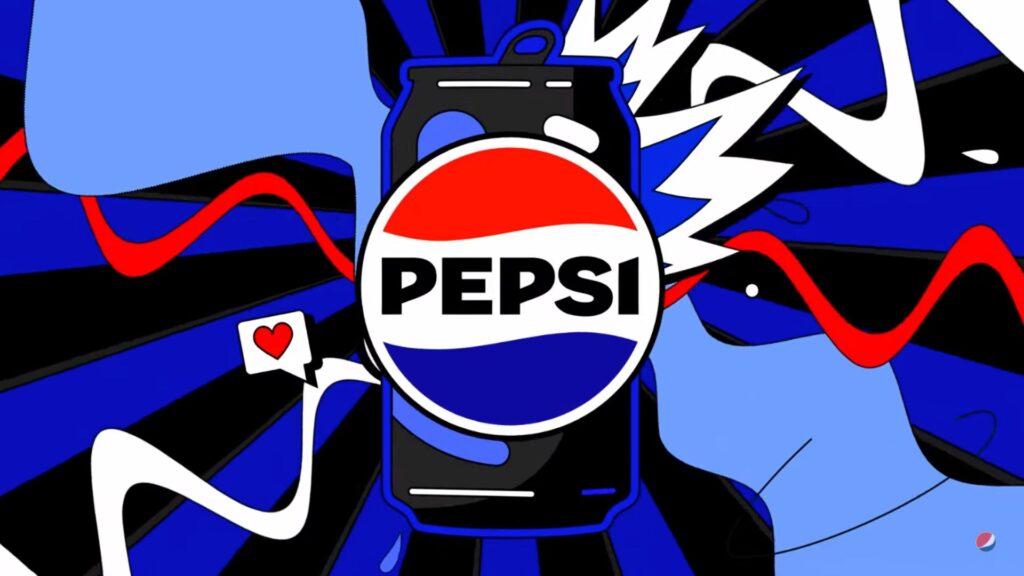
During the design process, Mauro Porcini, Pepsi’s SVP and Chief Design Officer, reviewed half a dozen logo concepts for the new brand—almost all featuring a blue wordmark. But the black version stood out. While no one initially loved the design itself, they realized people responded to the contrast, so they refined the black logo for launch.
In fact, adding black has significantly improved Pepsi’s visibility, helping the brand stand out on social media and in other color-saturated digital environments. Even Pepsi’s blue has evolved—now dubbed “electric blue,” it’s deeper and closer to midnight, with hints of purple, compared to previous iterations.
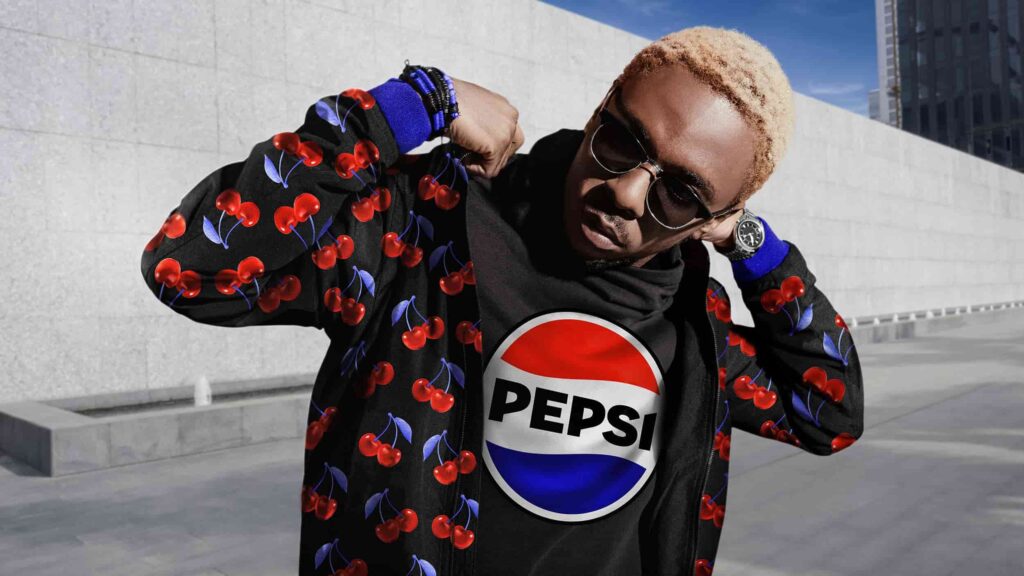
Overall, Pepsi’s new logo and brand system are logical, flexible, and contemporary. The design is built to perform across Instagram, on a can, during NFL broadcasts, or on branded apparel. In short, Pepsi’s new look captures the spirit of today’s culture and its ongoing transformation.