One of the main challenges facing packaging design and product development today is ensuring sustainability throughout production and recycling. That’s why we’re showcasing five examples of sustainable packaging design to guide our discussion on the unique aspects of this approach.
Every year, millions of products and their countless packages travel from the creative minds of designers to our homes—only to be consumed and discarded. This journey involves not just the creative and manufacturing process, but also a significant environmental cost.
But this isn’t another article about how the planet is drowning in waste. Instead, we’re focusing on the solutions being implemented to make packaging as sustainable as possible.
Here’s our monthly roundup, where we highlight five examples of sustainable packaging design.
Interested in working with us on a similar project?
Examples of Sustainable Packaging Design
BEE LOOP HONEY POT
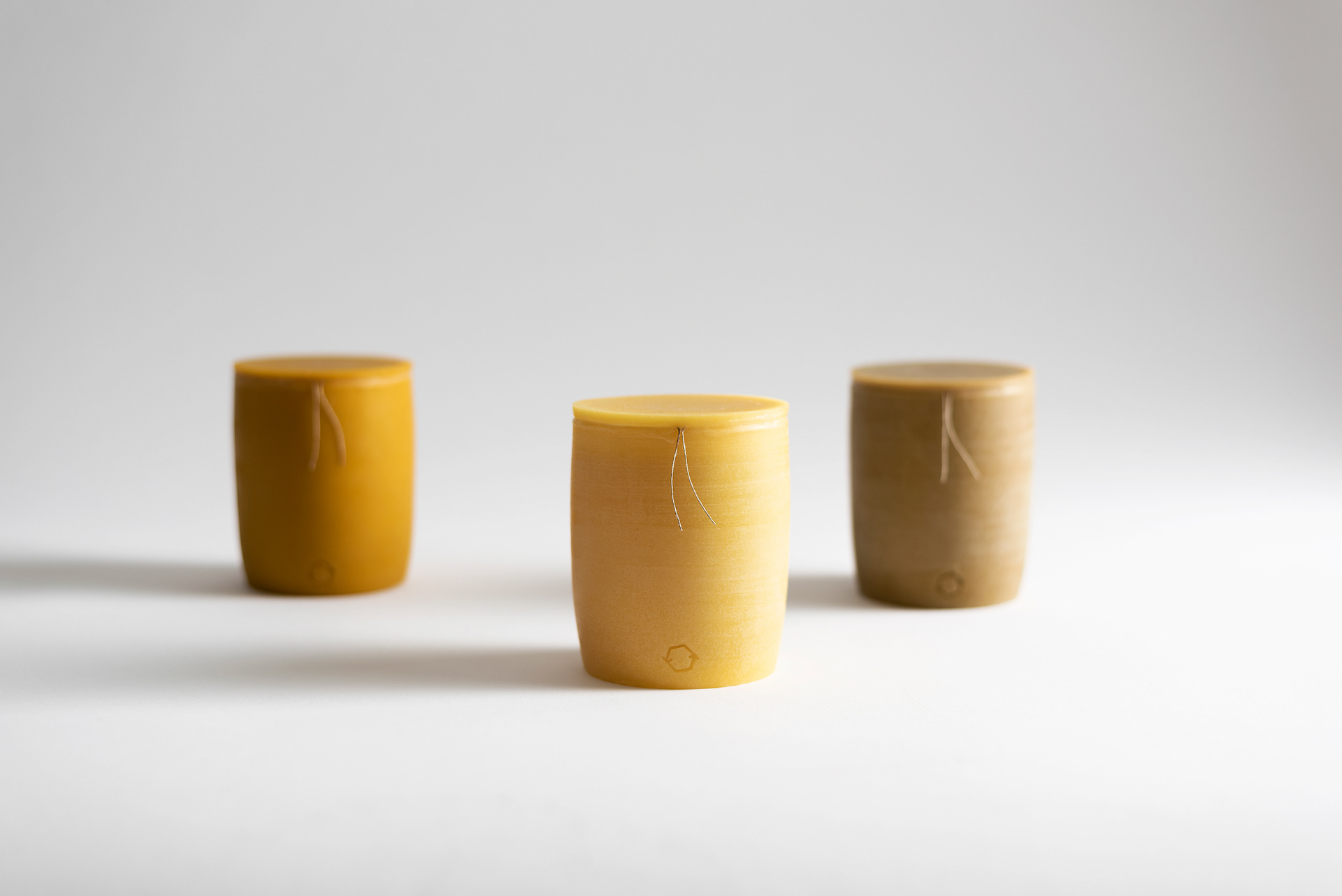
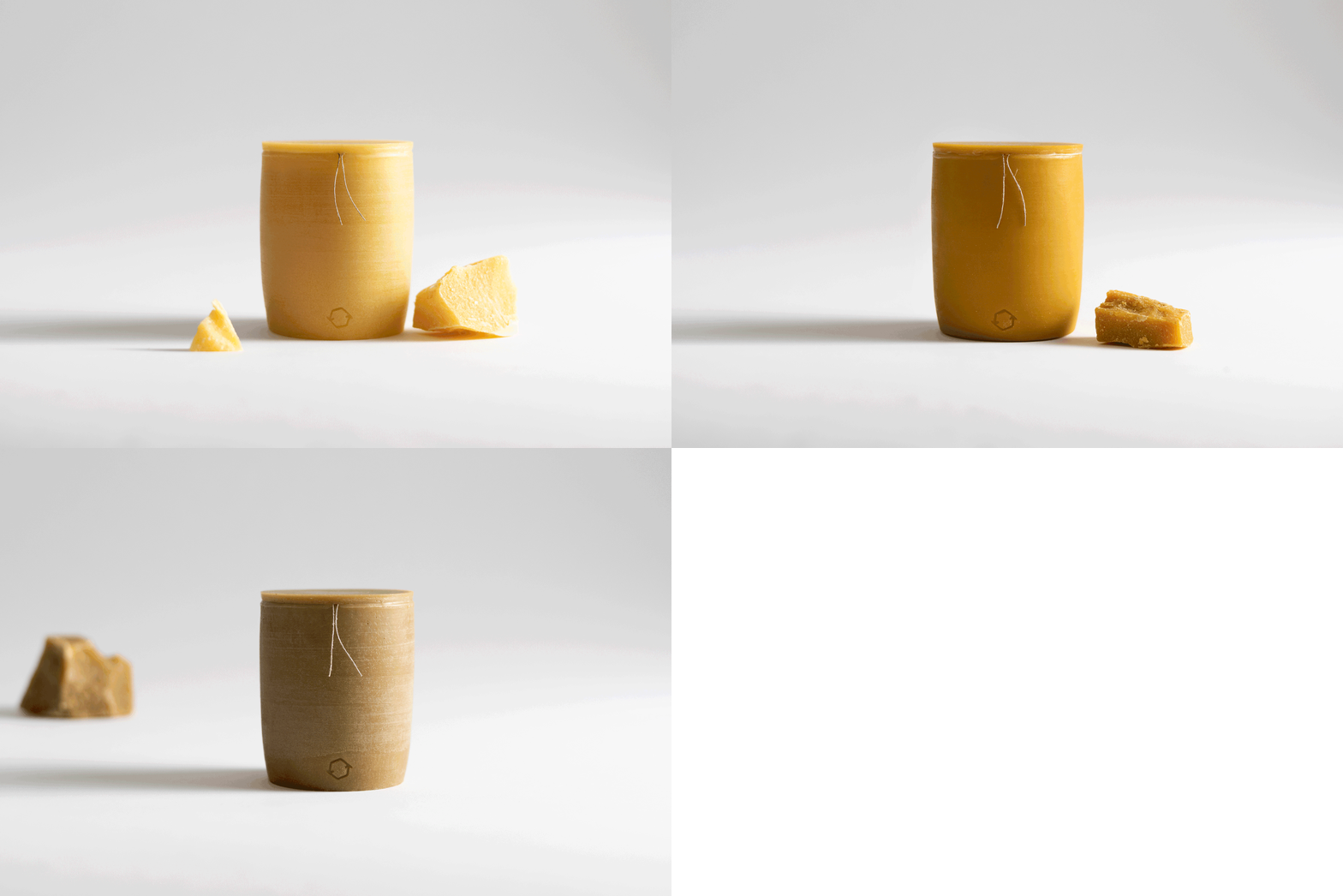
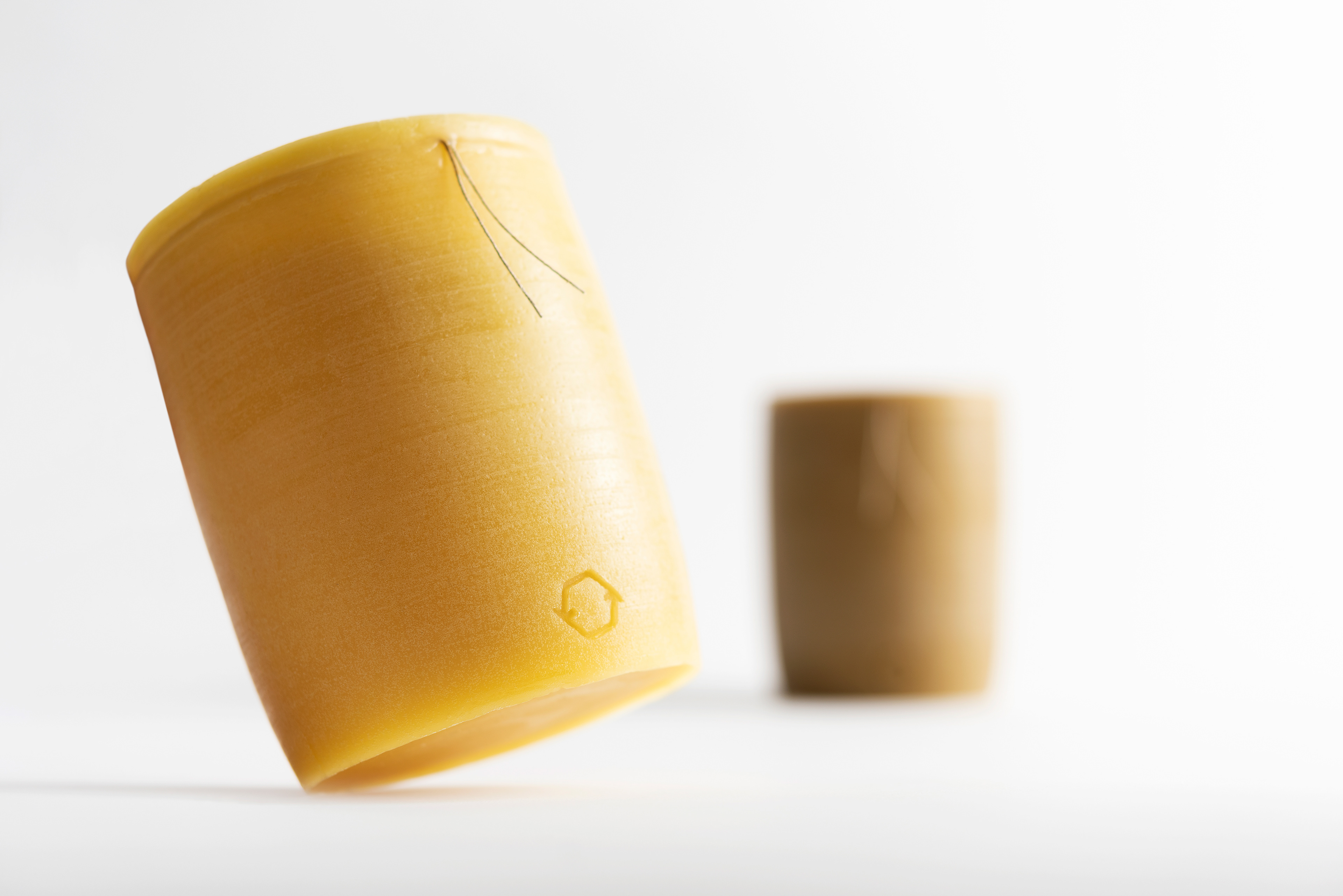
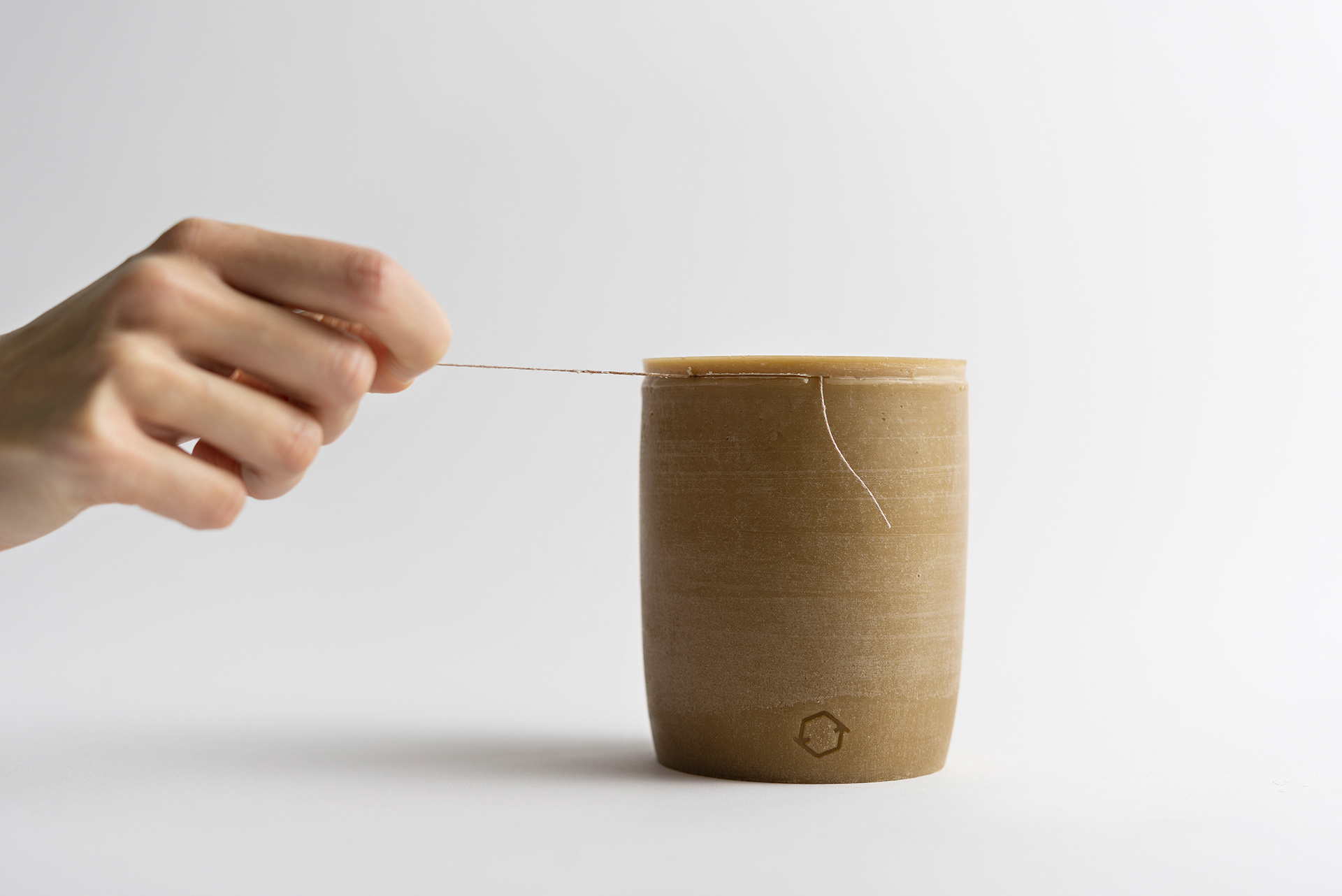
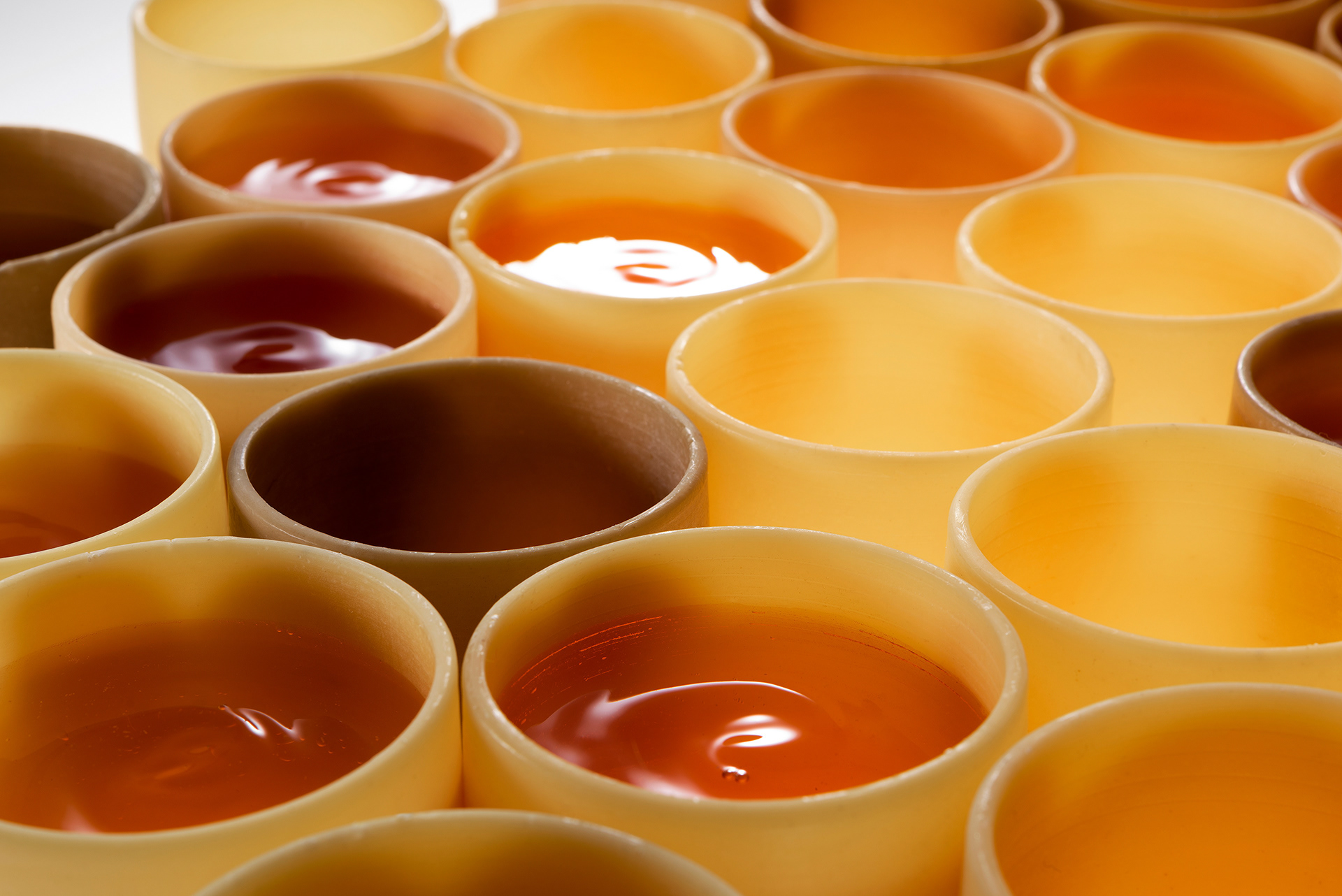
Sustainable packaging design by Pencil & Lion
The first of our sustainable packaging examples is a solution by the graphic and packaging design studio Pencil & Lion for a product traditionally packaged in plastic or glass.
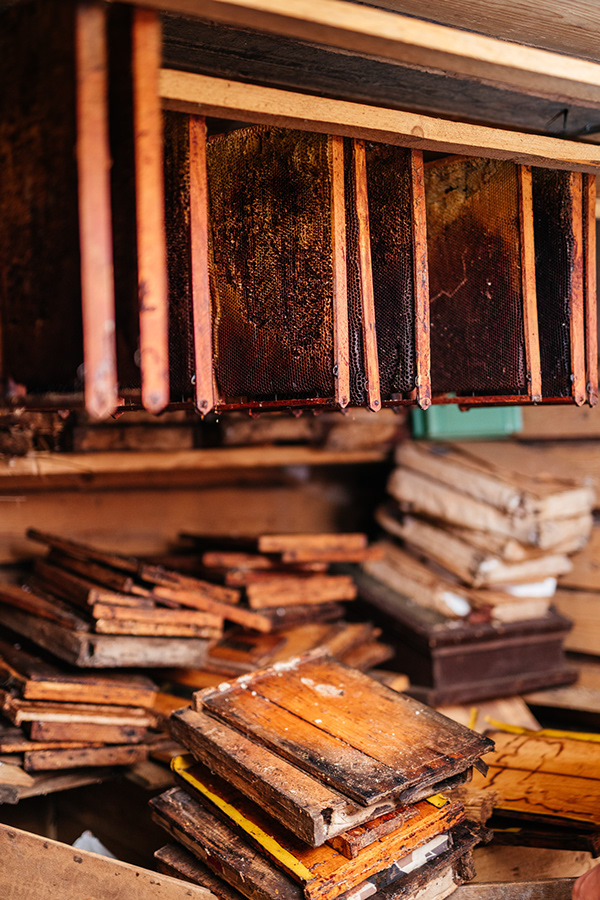
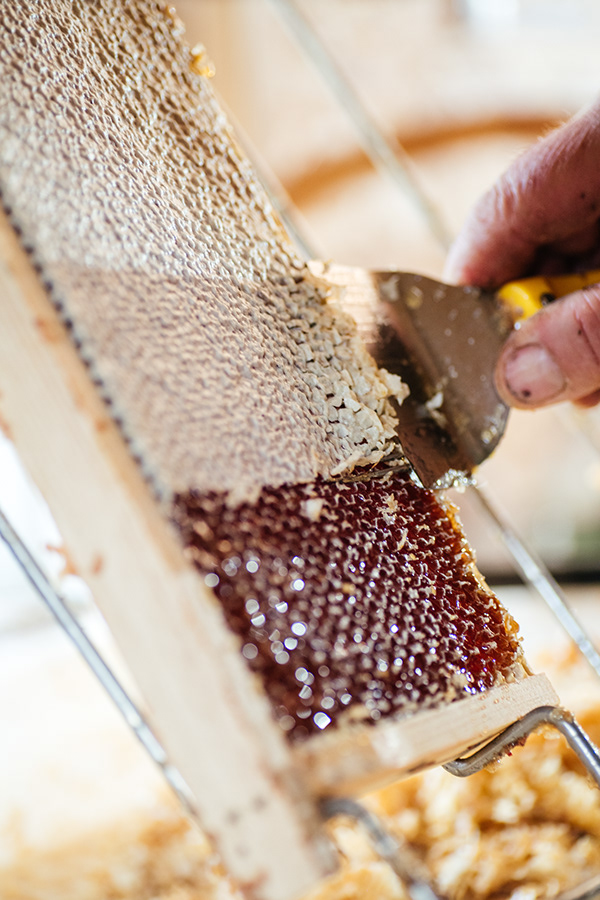
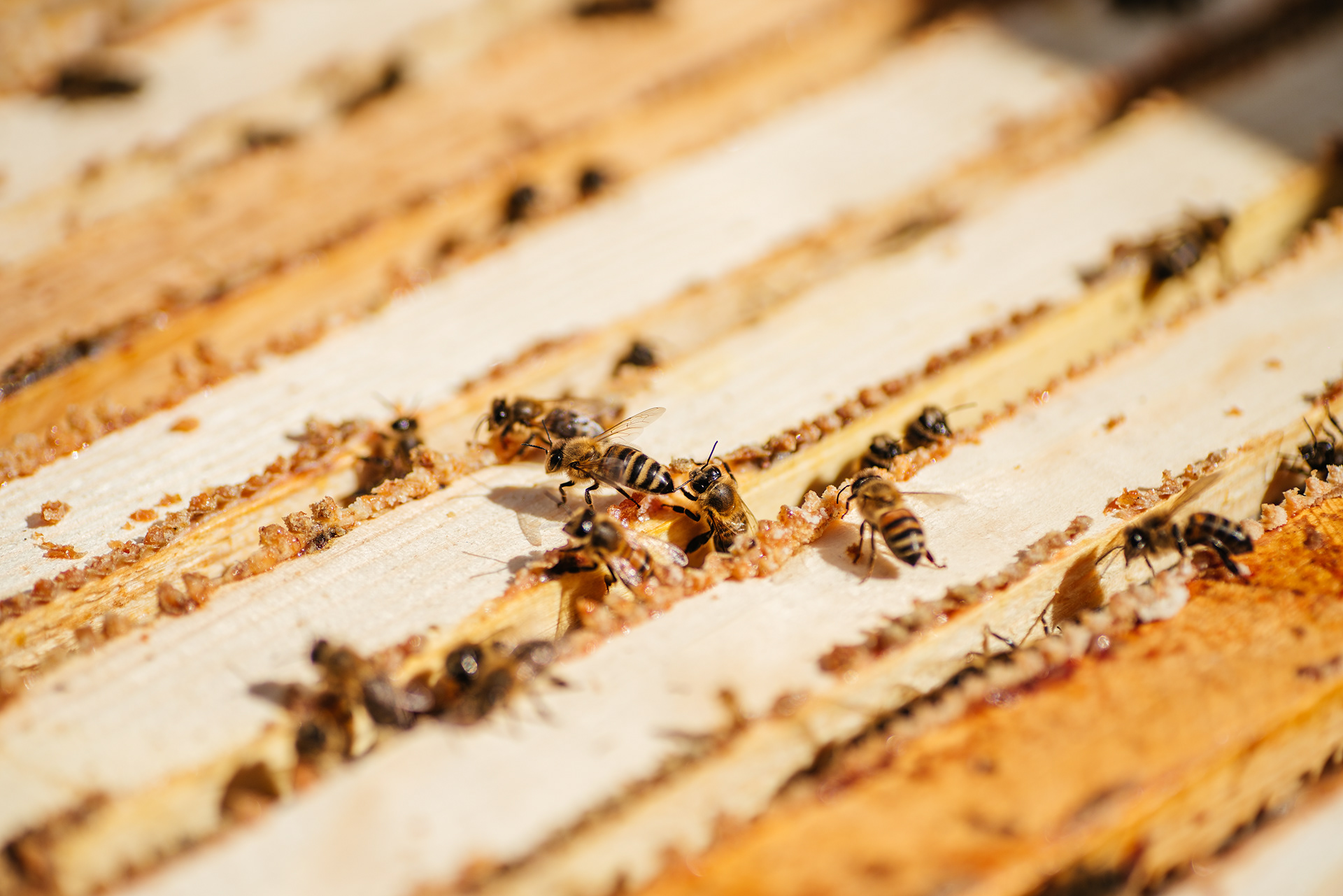
What makes this project so compelling is that the team used materials produced by bees themselves to package the honey.
Project highlights:
- Innovative packaging concept
- Zero-waste product
- 100% sustainable packaging
- No toxic components
- Environmentally and animal-friendly
This sustainable packaging project has received:
- D&AD – Yellow Pencil / Packaging Design / Limited Edition / 2021
- D&AD – Yellow Pencil / Packaging Design / Materials
Without a doubt, this is one of the best examples of sustainable packaging design today.
Project insights
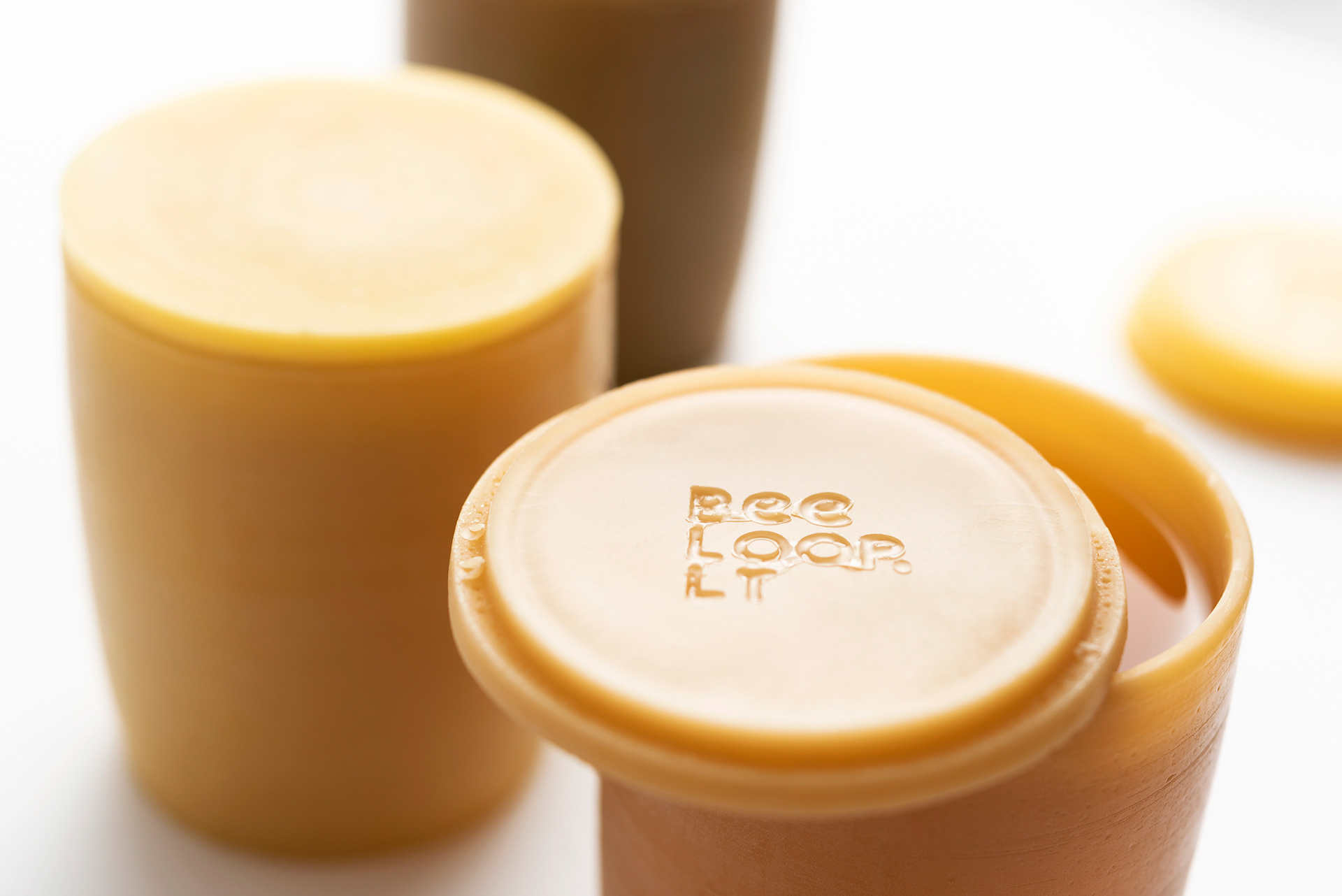
The container is made from beeswax. When the honey is harvested and ready for consumption, it’s returned to its natural home: beeswax.
The packaging is non-toxic and, should someone eat it, it’s completely safe—100% edible and digestible. Beeswax is produced naturally by bees as they collect nectar from flowers.
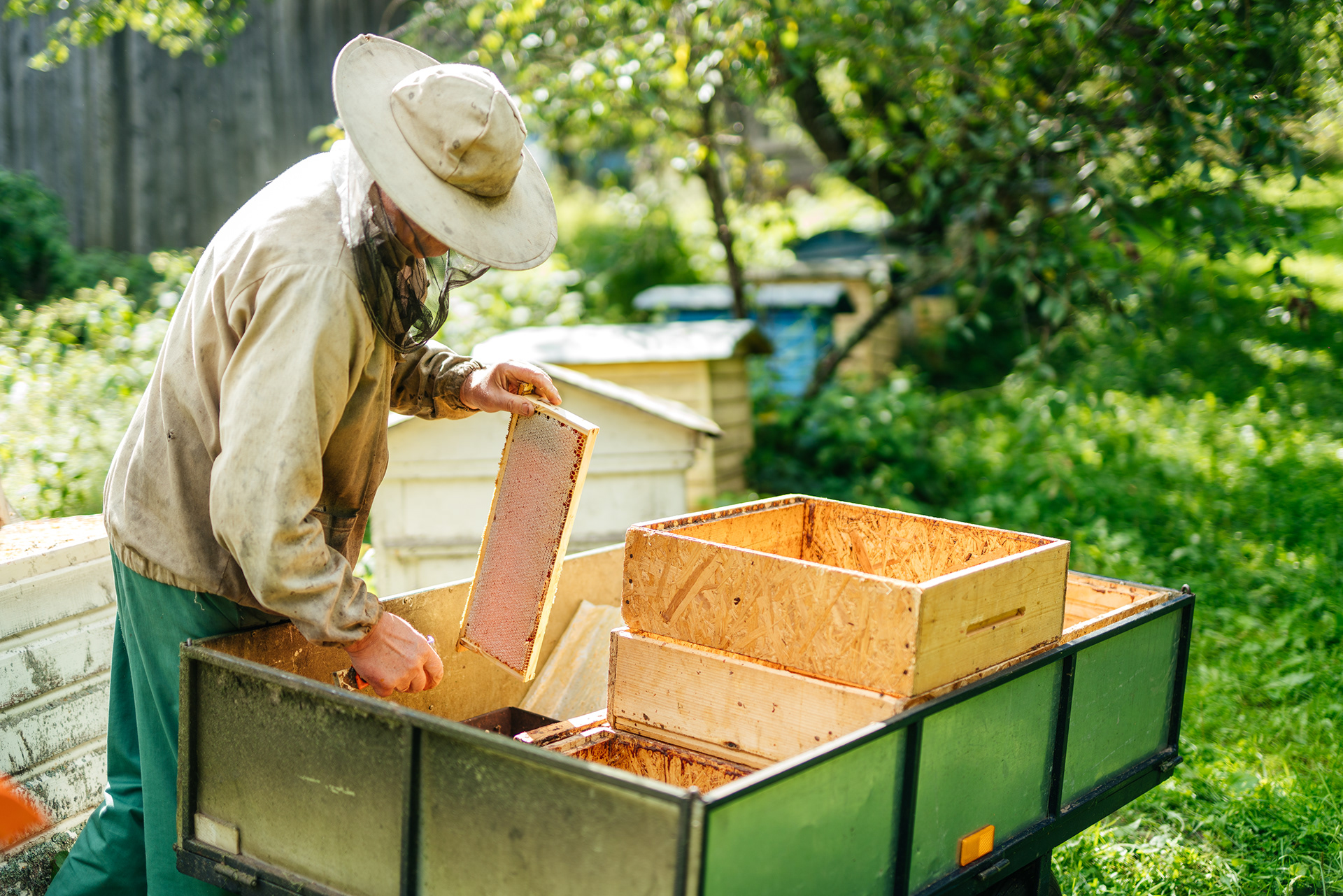
Honey containers can be returned to the beekeeper, but if discarded, they are 100% biodegradable. If returned, the beekeeper places them back in the hive, closing the loop of honey production and sustainability.
The name “bee loop” refers to this perfect circle of sustainability and circular production.
The container is sealed with hot wax, and the string used to open it is made from organic linen.
The entire package is 99% edible; the only non-edible part is the linen string, which simply isn’t recommended for consumption.
No labels are used on the packaging to achieve a 100% zero-waste package.
All branding and information are heat-stamped directly onto the jar.
Click here to view the full project
Interested in working with us on a similar project?
[superfeatured]7076[/superfeatured]
CHATU — ECO-FRIENDLY TEA PACKAGING

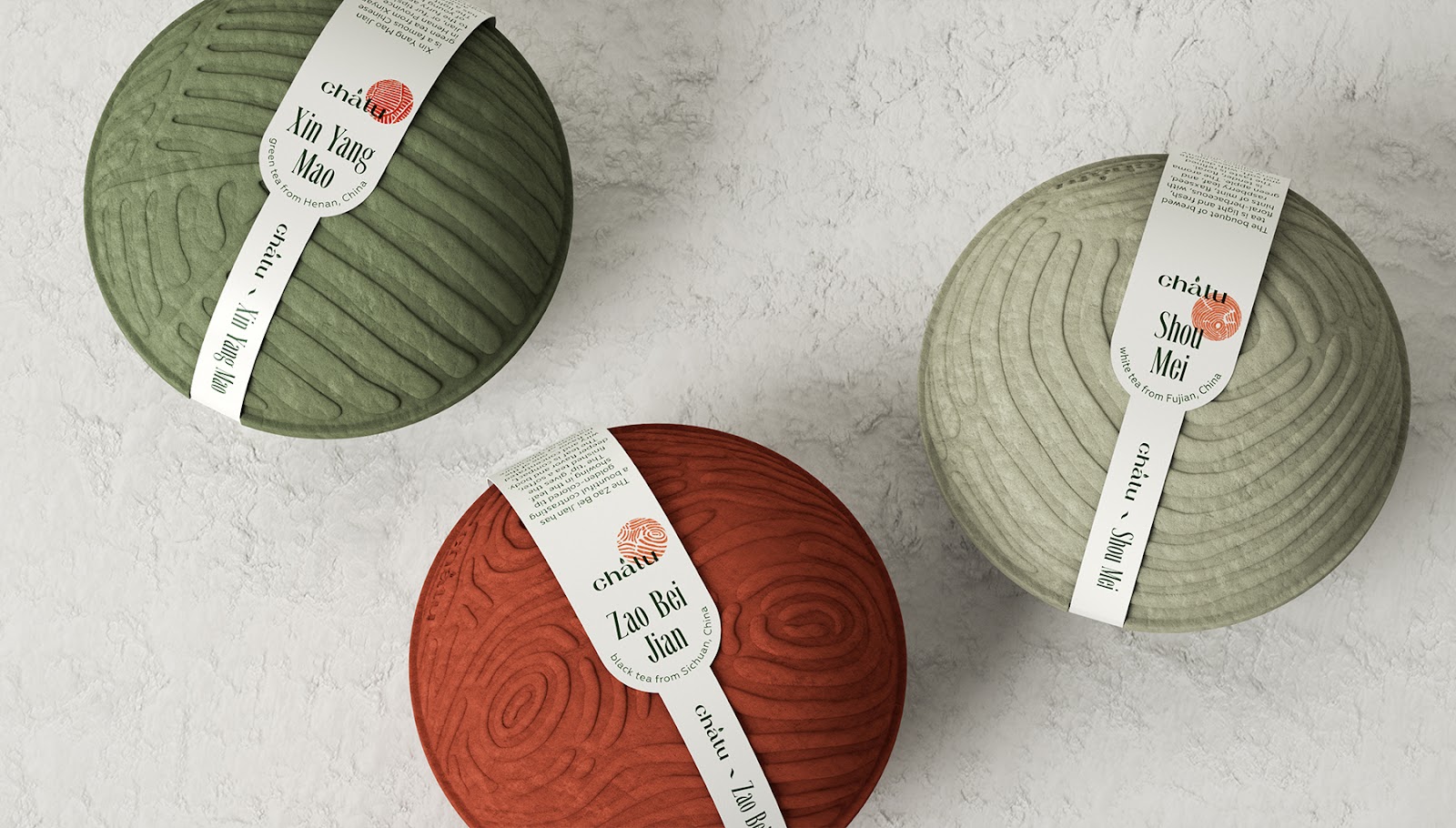
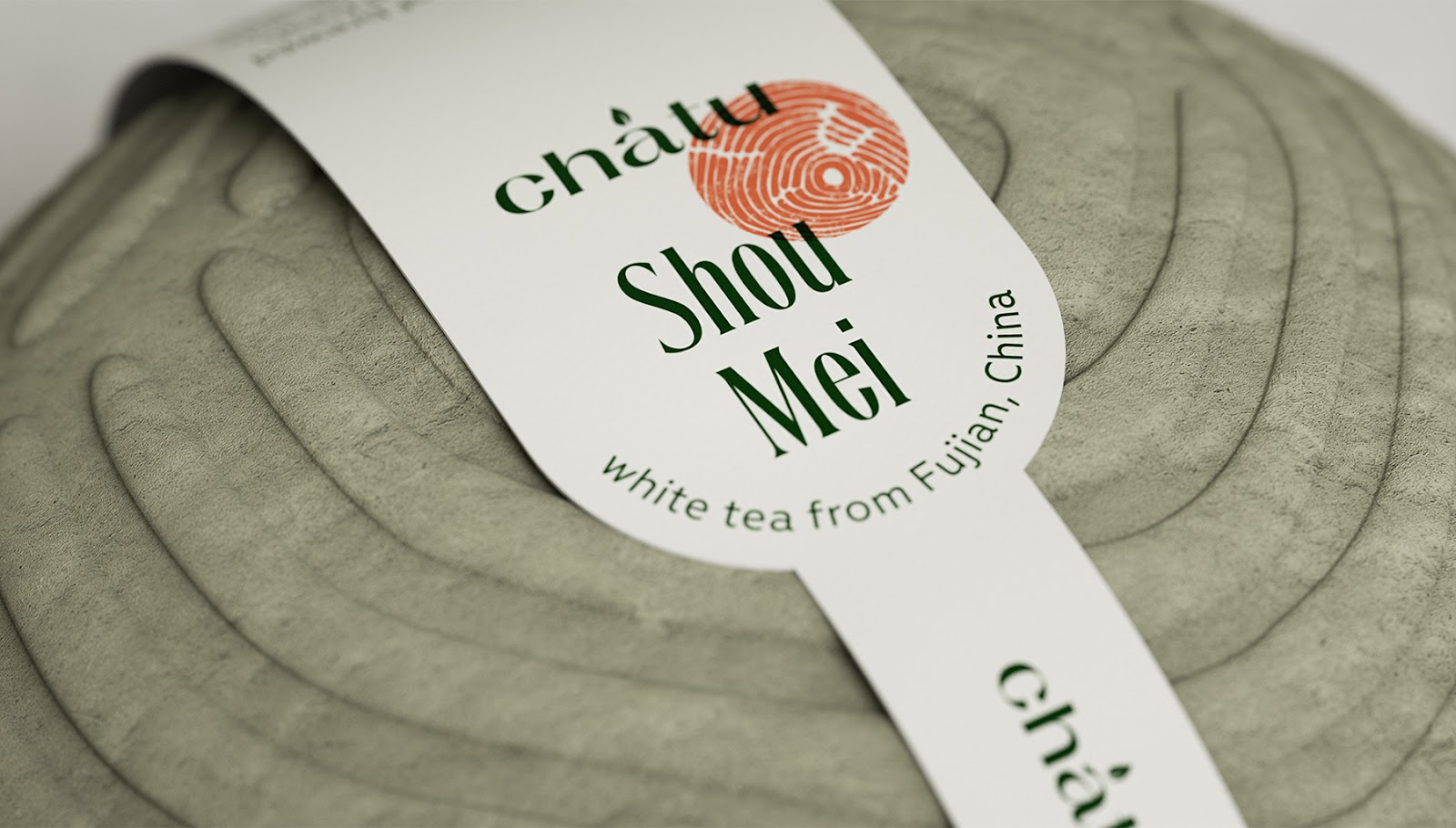
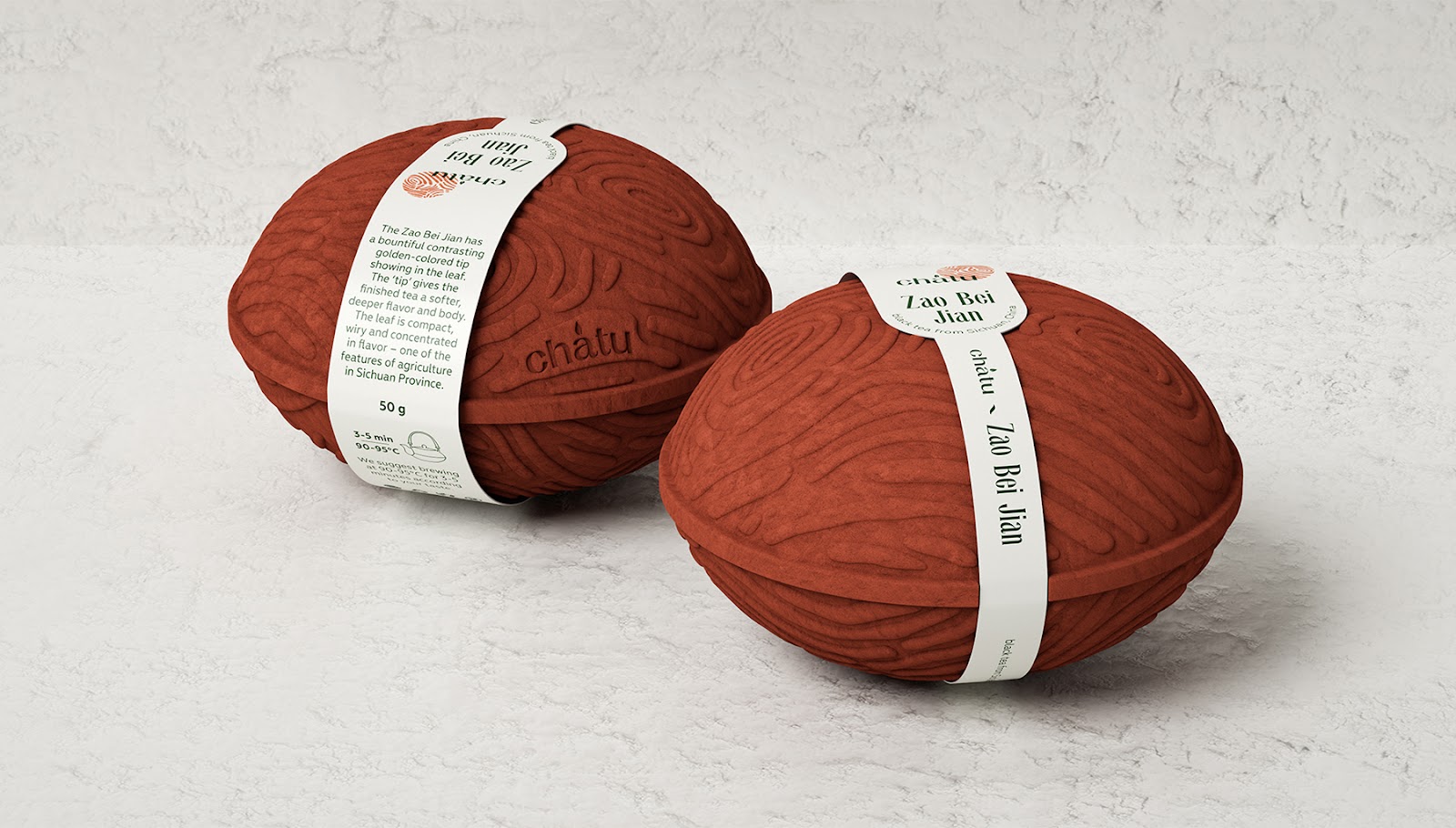
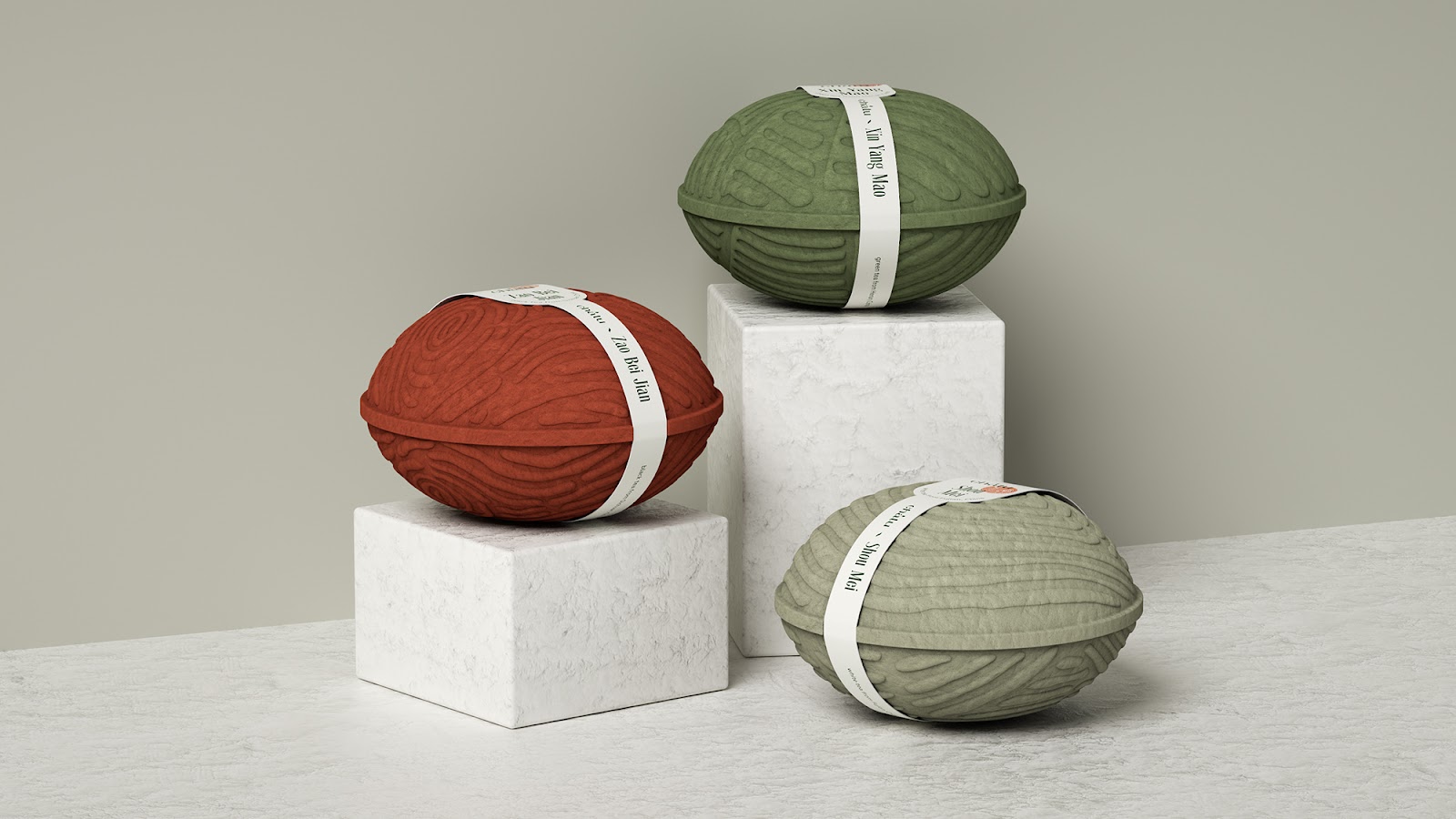
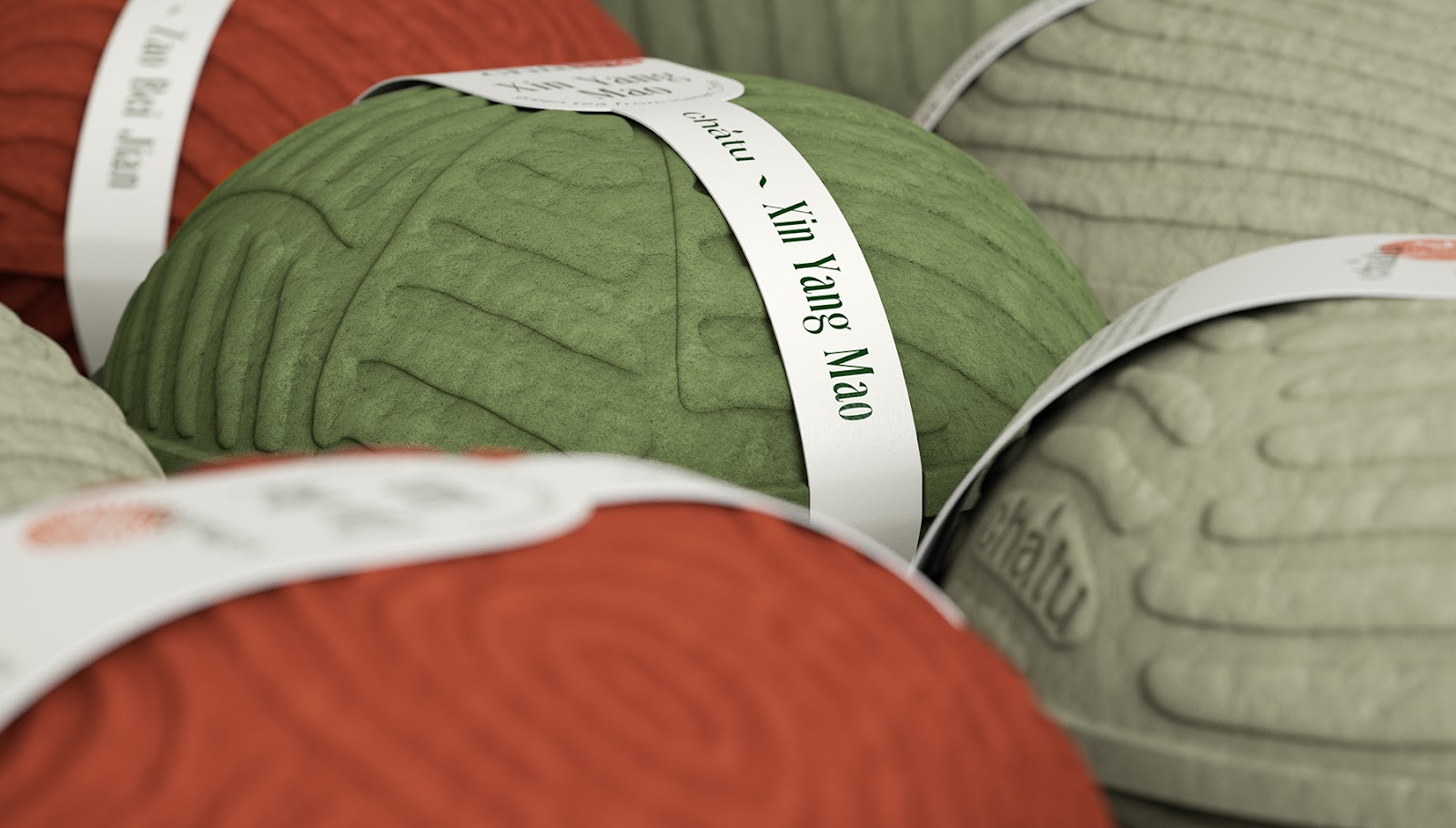
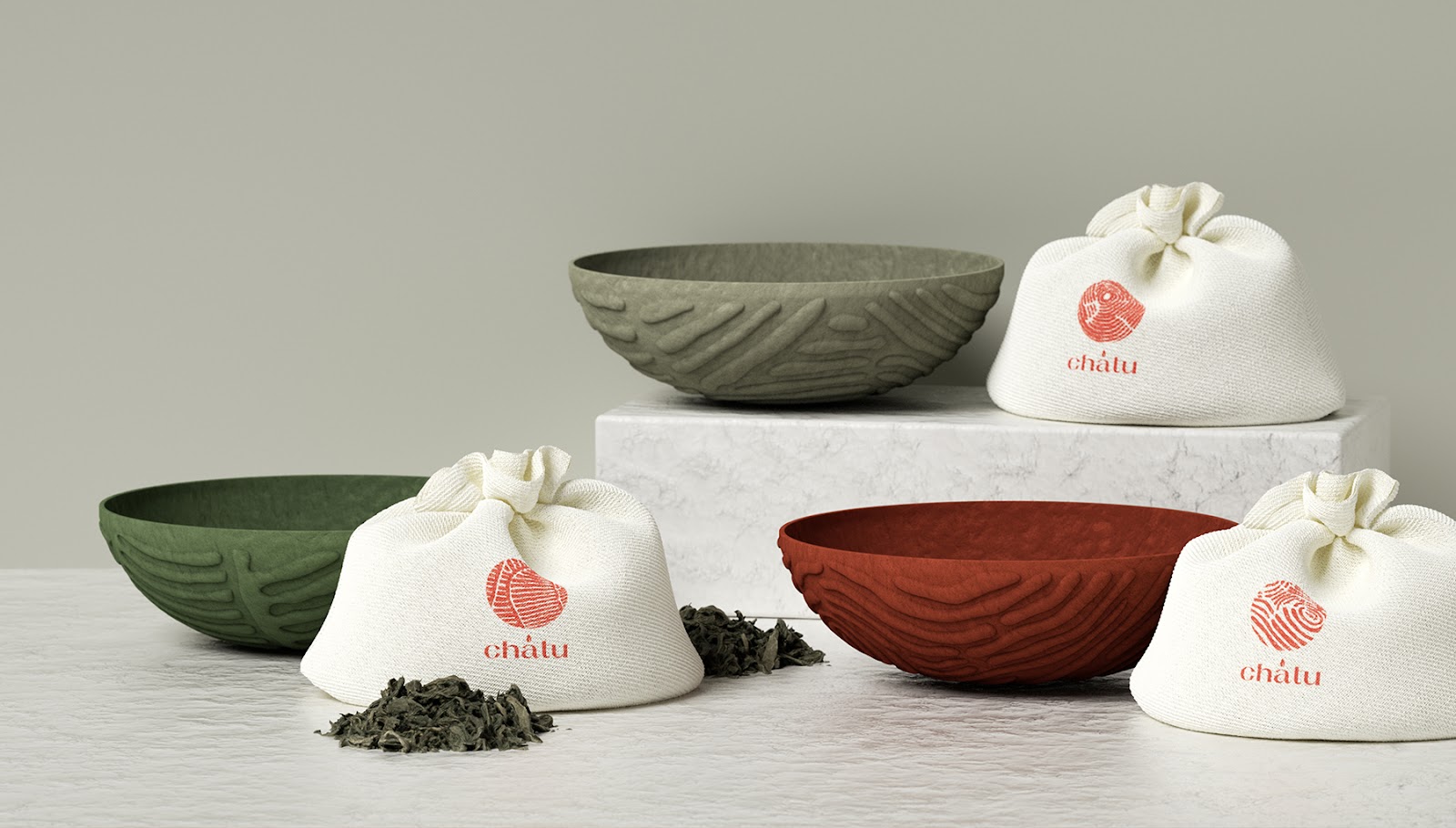
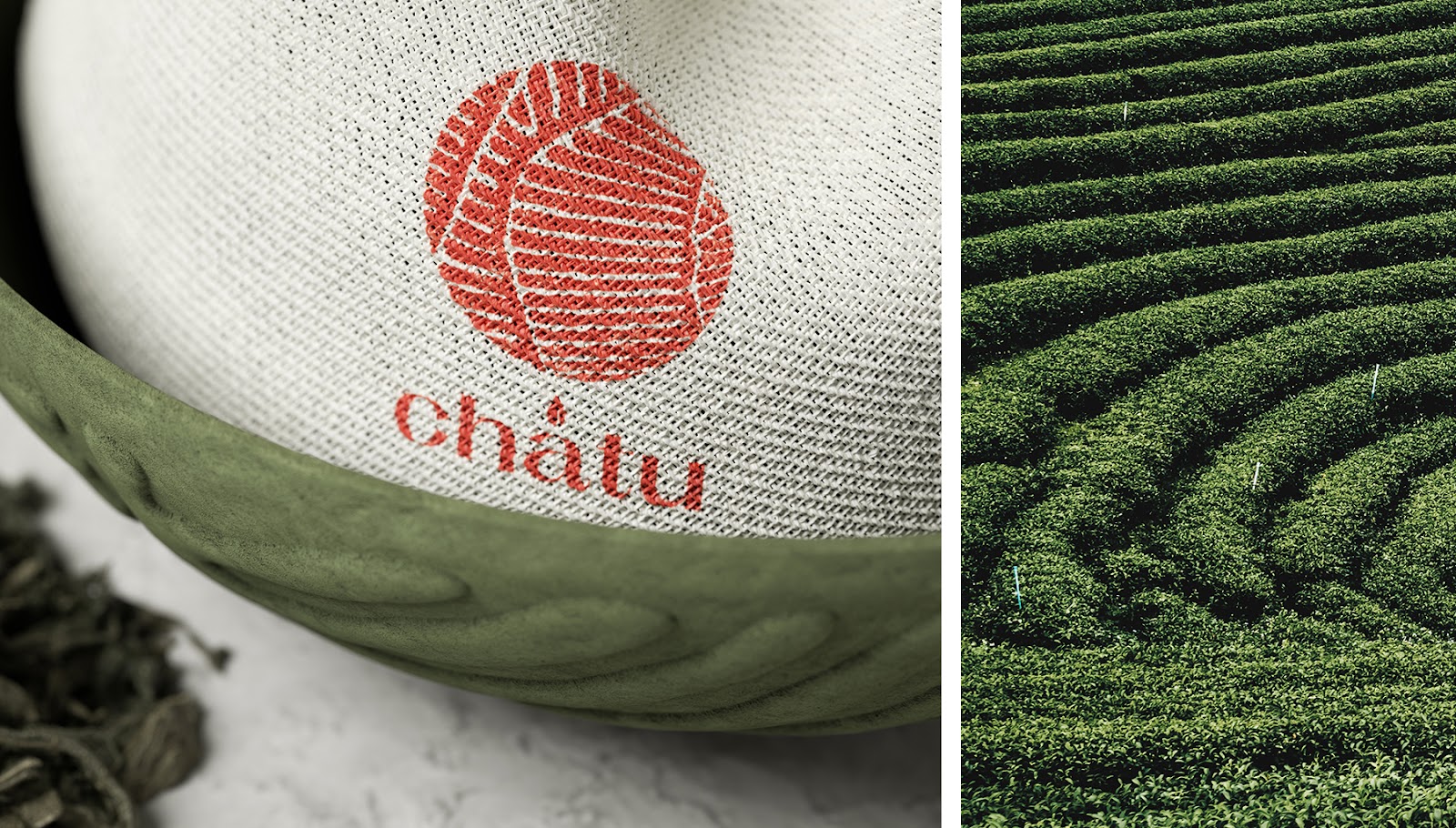
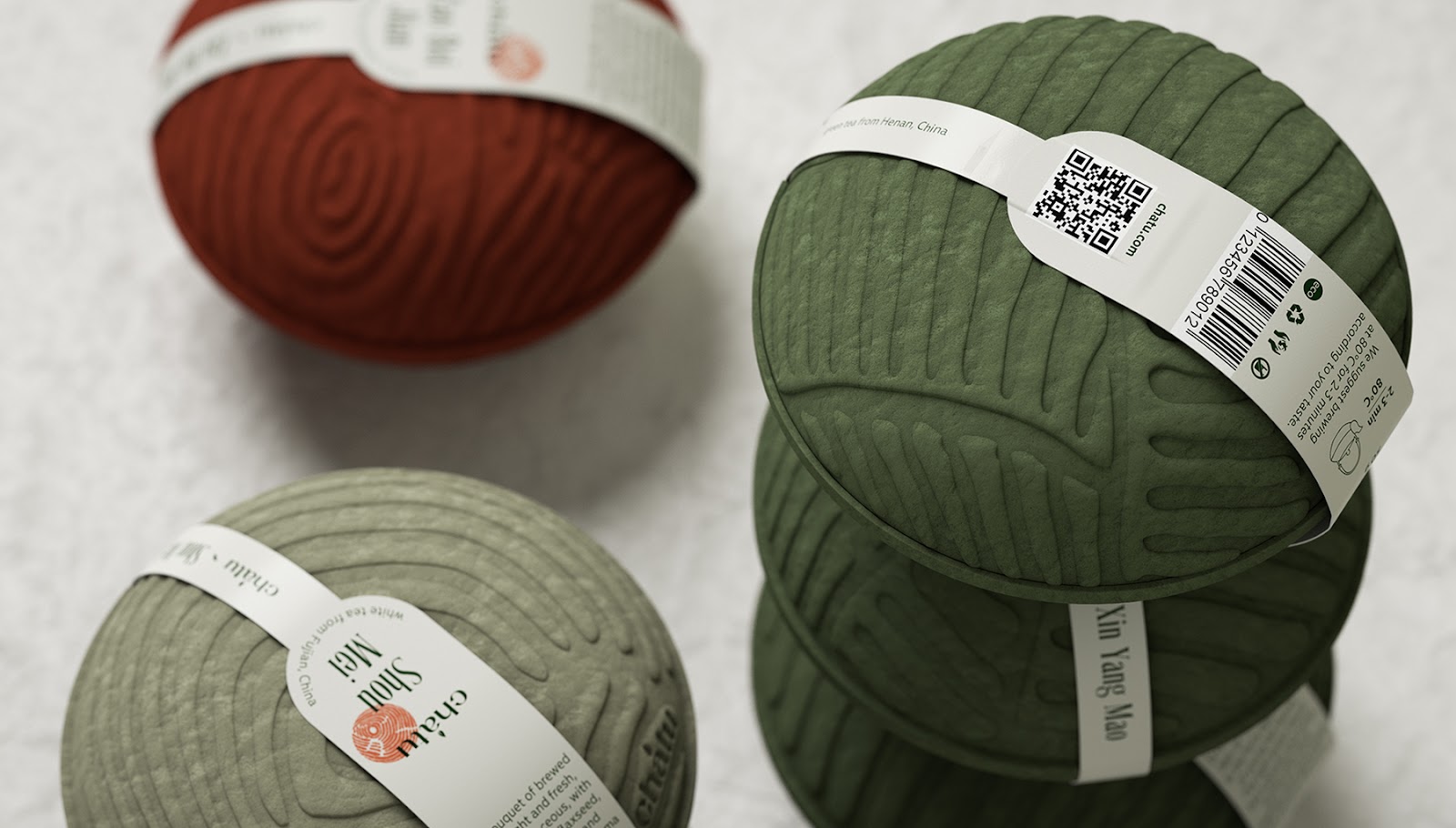
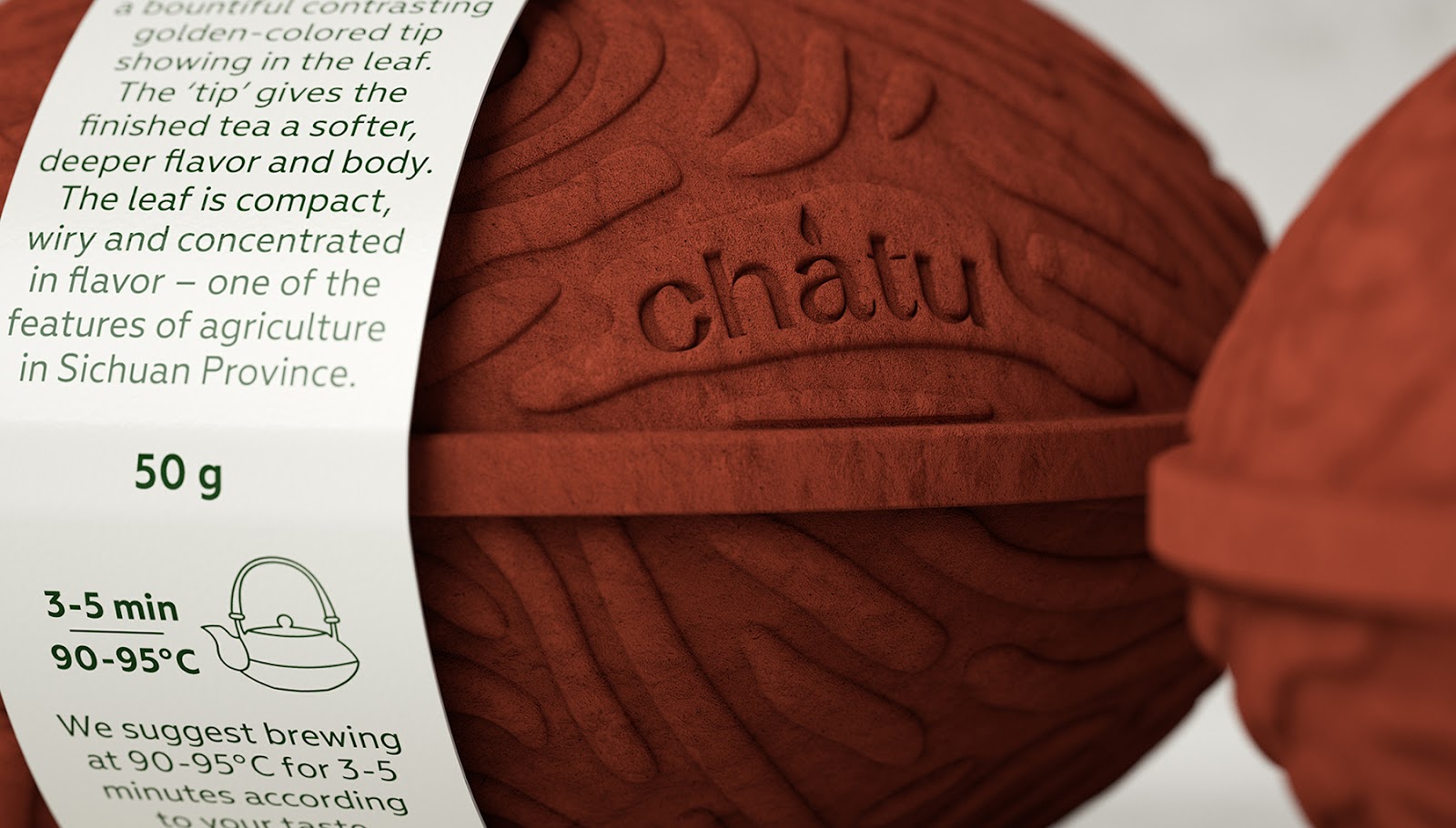
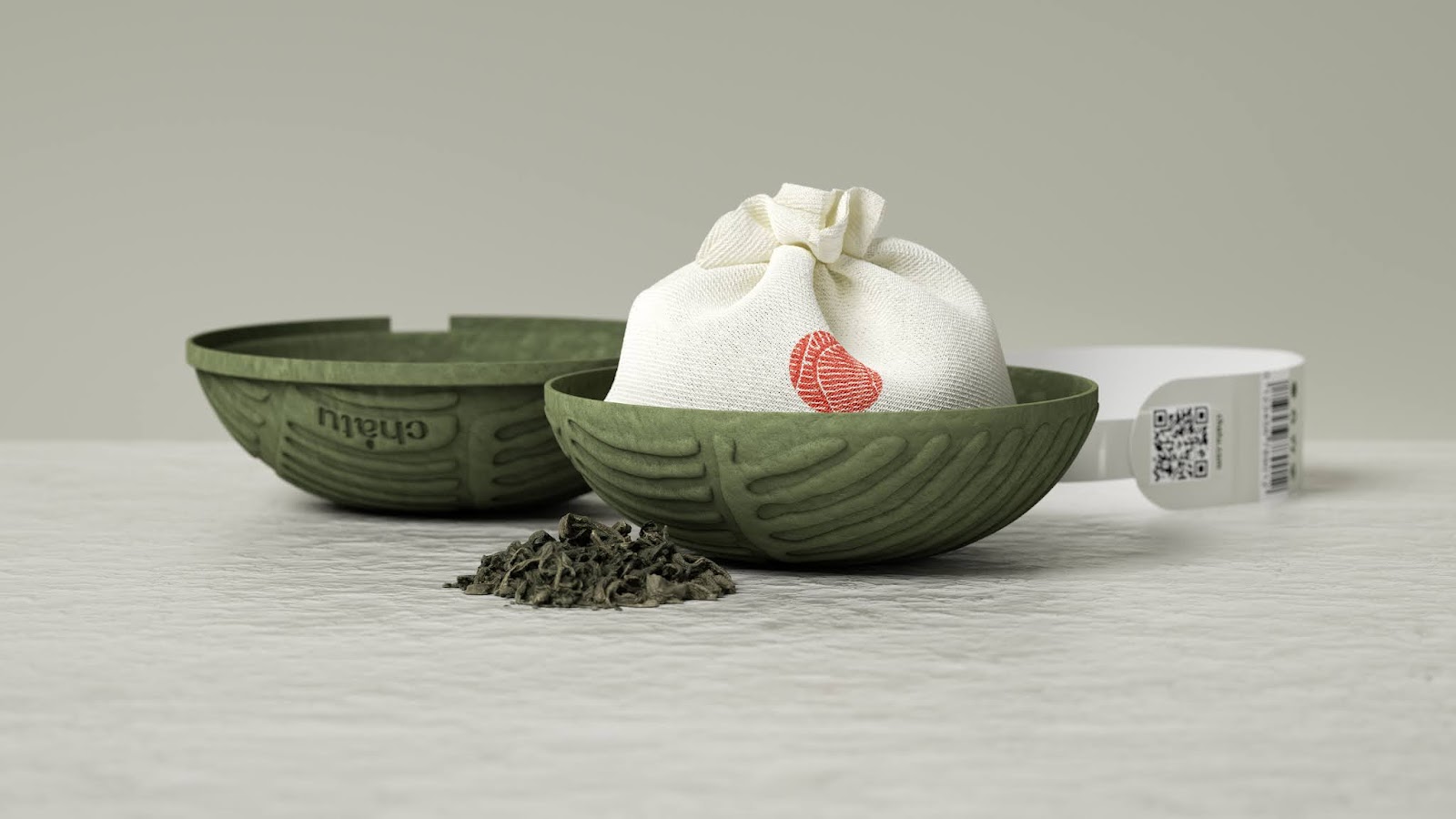

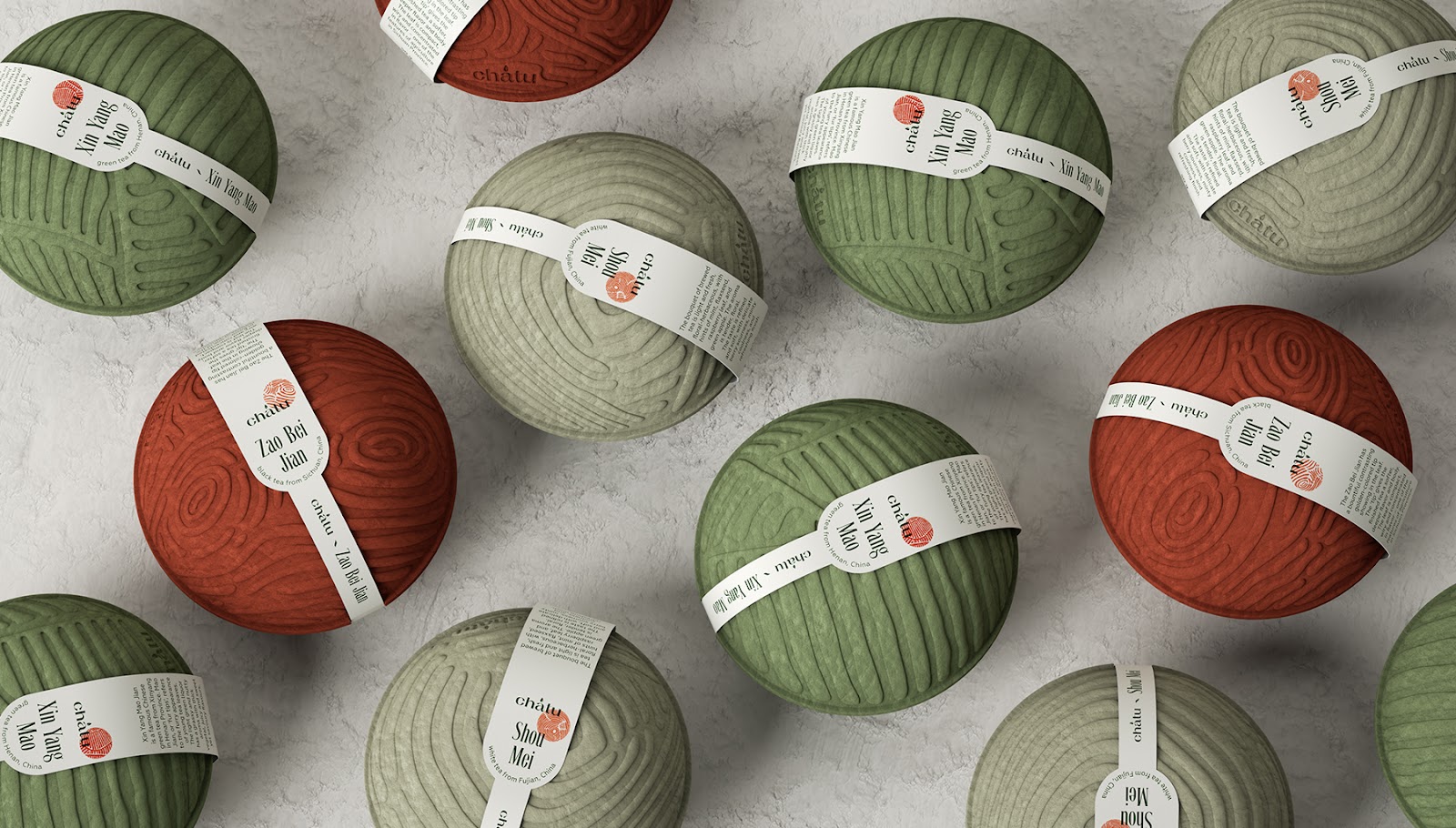
Sustainable packaging design by Xenia Alexandrova and Dimitriy Saveliev
This tea packaging design features three variations on a core concept inspired by the shapes of the tea plantations where the leaves are grown.
Another example of sustainable packaging design that’s environmentally friendly, as every element is designed to be 100% recyclable and free from waste that’s difficult or impossible to break down naturally over time.
Project highlights:
- Visually striking design
- Innovative exterior packaging technique
- Distinctive communication style
This packaging design has been recognized by:
Project insights
The packaging design draws inspiration from the aerial view of Chinese tea plantations, mimicking the contours of cultivated land.
The color palette for each packaging variation is based on the different tea varieties and the landscape—white, green, and red.
The packaging is made from molded pulp dyed with natural pigments.
Inside, the tea leaves are packed in double-layered cotton bags, providing a breathable and eco-friendly container.
Each package includes an information card detailing the tea and its responsible cultivation.
Click here to view the full project
Interested in working with us on a similar project?
[superfeatured]7076[/superfeatured]
MOB BEAUTY
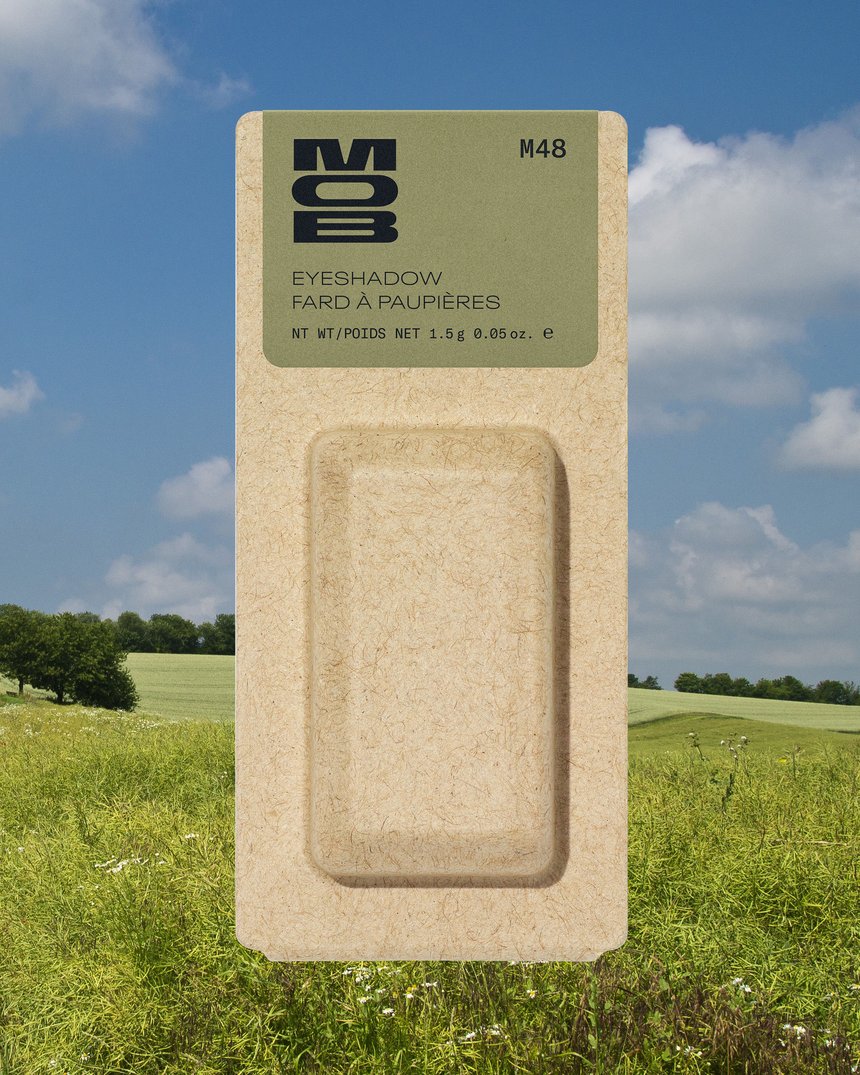
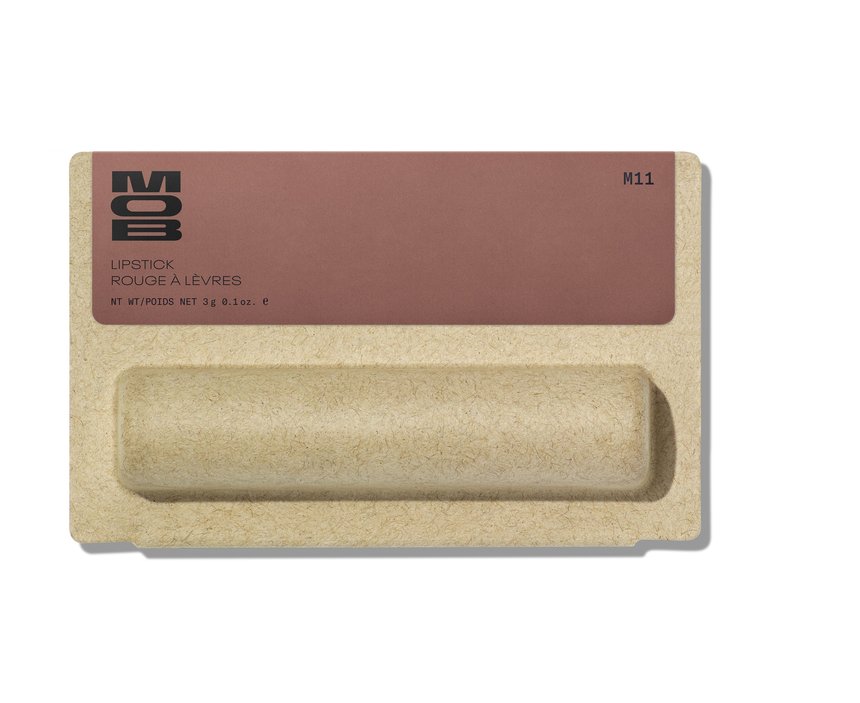
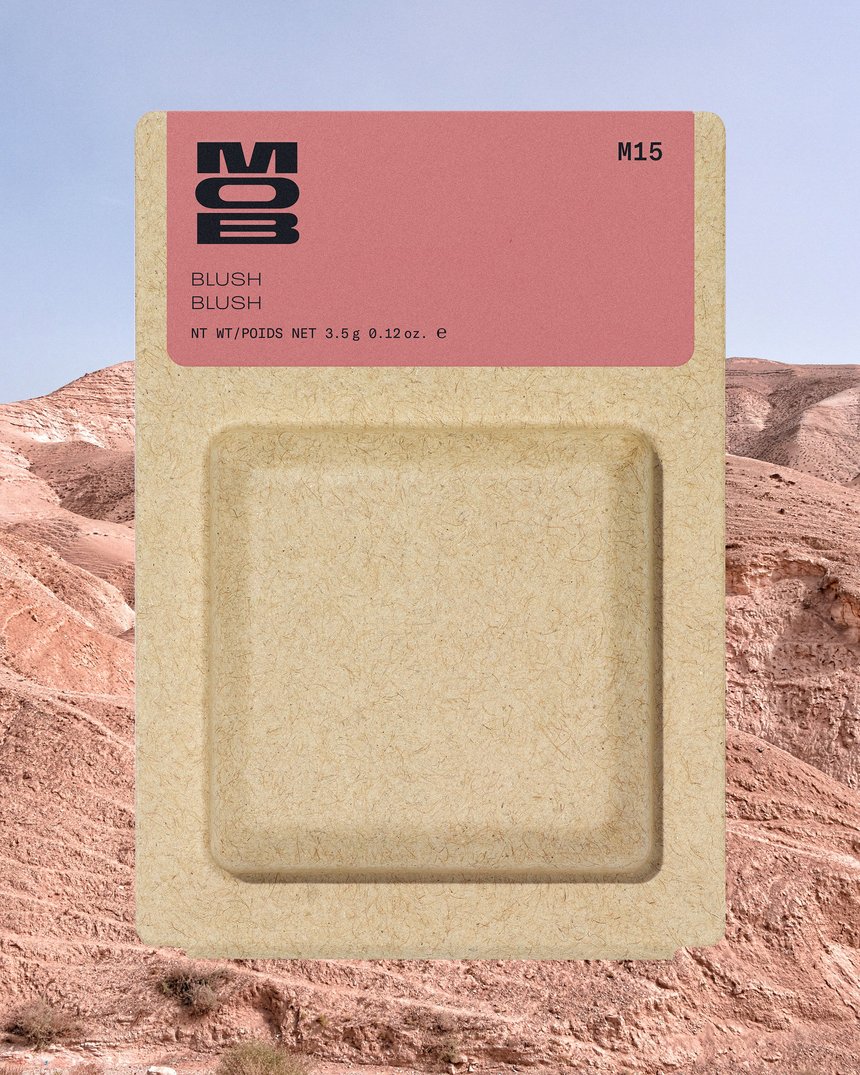
Sustainable packaging design by creative studio Concrete
This is another example of packaging design that’s part of the new graphic design trend focused on sustainable packaging that’s kind to both the environment and animals.
Project highlights:
- Highly appealing design
- Emphasizes the value customers place on ethical, eco-conscious brands
- Innovative production techniques
- Carefully selected materials
This beauty sector packaging design has received:
A standout in beauty packaging and product design today.
Project insights
This project began when the makeup brand couldn’t find a supplier able to meet its goal of launching a vegan, cruelty-free line.
That’s when the brand decided to design and produce its own sustainable packaging.
Their guiding principles were the three Rs—renew, reuse, refill—at the heart of their “earth first” campaign.
The packaging is made from post-consumer recycled materials.
All components are 100% recyclable, with special additives to ensure they’re detected by infrared sensors in recycling facilities.
The outer packaging is home-compostable, made from 40% bamboo and 60% post-consumer recycled paper.
Click here to view the full project
Interested in working with us on a similar project?
[superfeatured]7076[/superfeatured]
IKEA Food