How much does a website cost? This is usually the first question that comes to mind when you’re considering creating a new website. And it’s exactly the question we’ll be answering in this post.
To determine how much a website costs—and since this is a “hyper-generic” question—the first step is to identify what type of website you need or are looking for, then consider any special features or add-ons, and finally factor in ongoing costs such as maintenance, hosting, domain registration, and additional services like SEO strategies or monthly Community Management.
Series Navigation
- How much does a website cost? Pricing overview
- How much does a website cost? Features
- How much does a creative website cost?
- How much does a website cost? Materials
To put it in more familiar terms, asking “How much does a website cost?” is a bit like asking, “How much does a car cost?” There are many brands, and within each brand, a range of more or less affordable models—not to mention all the configuration options and extras (which, in our case, are the additional features you might want for your website).
Ultimately, the cost of a website depends on your needs and the agency or studio you choose to develop it. Just as few people would buy an Aston Martin to drive to the bakery three minutes away, it doesn’t make sense to spend thousands on a website for a small business that doesn’t need a complex structure. Still, we’ll go out on a limb and provide some APPROXIMATE figures.
Before we dive in, if you’re looking for a budget website for a simple online presence with decent design, we recommend trying Waw Web (for €14/month, you get a straightforward but effective website). It’s a great option for starting a business with limited resources. The best part: you won’t have to deal with complicated setup tools—they handle domain registration and everything else for you.
How much does a website cost? It depends on the type of website you need
Basic website builders
This is the most basic and limited option available, but also the cheapest and simplest.
Typically, the cost is just the price of the domain and hosting, plus a small additional fee.
These basic website builders offer limited customization but are extremely easy to use.
If you’re launching a small business and don’t want to make a big investment—and aren’t too picky about the final look—this is a good choice. However, if you’re an established company with a reputation to uphold, we don’t recommend such a generic tool.
Ideal for startups looking to invest as little as possible and willing to compromise on design
To give you a ballpark figure, the cost for a website built with a basic site builder is around:
€90 to €150 per year (including hosting and domain)
How much does a template-based website cost?
When it comes to designing and developing a website, there are two main approaches. The first—and our preferred method—is to create a fully custom website without using templates. The other, as you might expect, is to use a pre-made template.
Templates are usually purchased from platforms like ThemeForest and similar sites.
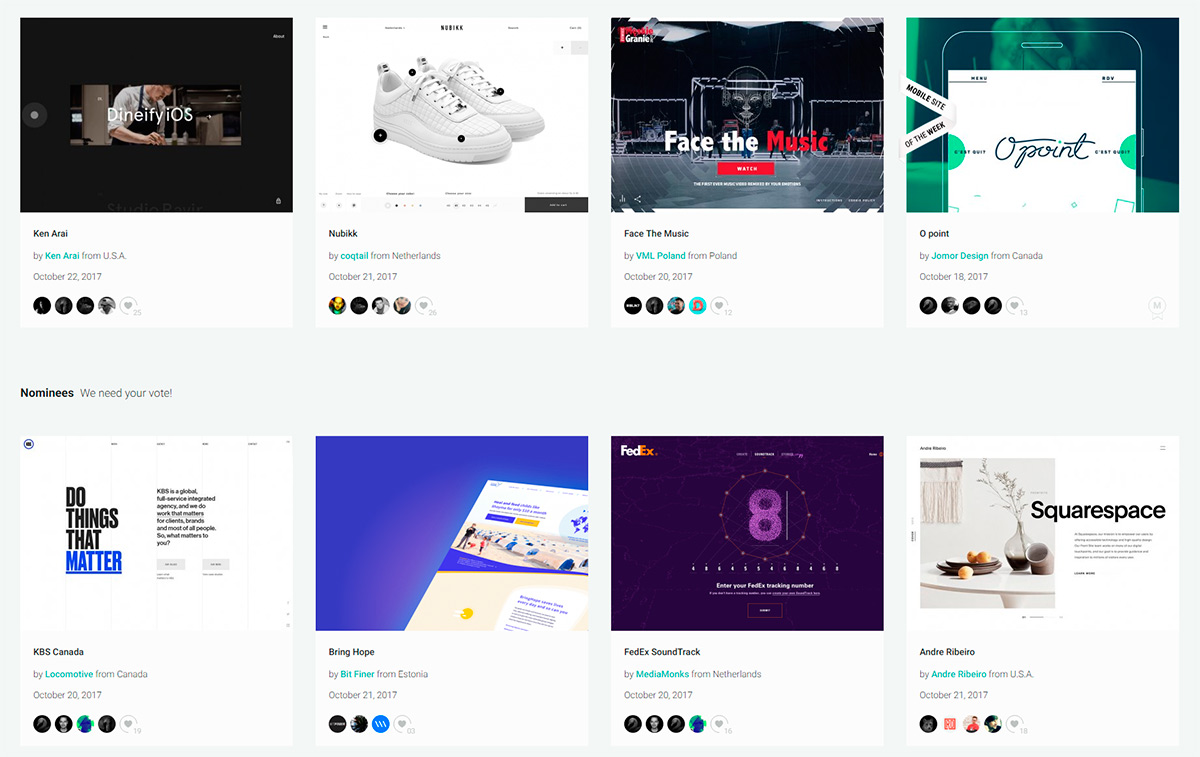
Naturally, using a template means the cost of your website will be much lower than a fully custom build, since the design and development work is already done by others.
In this scenario, the process typically involves:
- Purchasing the theme or template
- Installing WordPress (or your chosen CMS)
- Installing the template
- Adding your content (text, images, logo)
- Customizing colors (most templates have a user-friendly control panel for this)
- Other adjustments (from minor tweaks to major changes—the more customization, the more time and cost involved)
With that in mind, here’s an approximate price for what a website might cost if it includes five sections: Home, About Us, Services, Products, and Contact.
If you’re reasonably tech-savvy and decide to do it yourself, your costs will be the price of the template (€50–€150) plus hosting and domain (about €90/year). You might also want to budget for a developer to help with any tricky adjustments—say, €150.
If you’d rather hire a web design studio, the cost will be higher. However, you’ll benefit from higher quality and the assurance that the job will be done right—assuming you choose your studio carefully.
Ideal for startups looking to keep costs down and flexible about the final design
Here’s what to expect:
€140–€390 if you do it yourself (then €90/year for hosting and domain; first year included above)
€1,300 if you hire a professional web design studio (then €90/year for hosting and domain)
How much does a simple, single-page static website cost?
Now we’re moving into the realm of custom-built sites, without templates. Naturally, prices start to rise from here, but so does the quality of the work you’ll receive (assuming you choose a reputable web design studio).
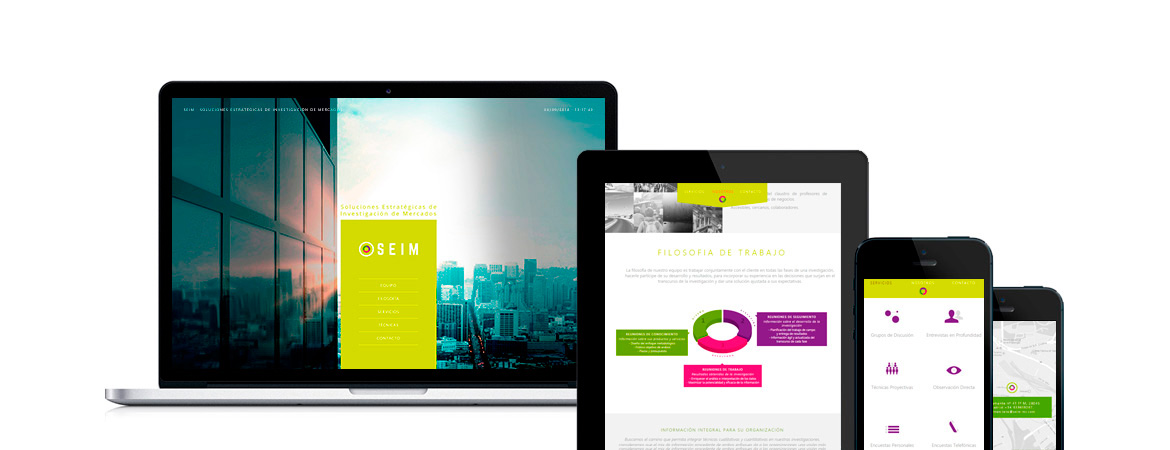
Among custom projects, a single-page website (often called a “one-page site”) is the most affordable option. This type of website is perfect for businesses just starting out or launching a new project.
Content is usually limited, but if chosen well, it’s more than enough.
The price is similar to a more extensive template-based site, but in this case, you get a fully bespoke design with no limitations.
For this type of website, we highly recommend a creative approach—unique design, engaging animations, and effects. The goal is to grab your visitor’s attention and make your content easy and enjoyable to read, ending with a clear call to action such as a contact form or a map to your location.
Ideal for new businesses that need to keep costs low
Approximate cost: €1,600 (then €90/year for hosting and domain)
We invite you to check out our project portfolio to see some of our best work. Need a truly creative website? Contact us!
How much does a static multi-page website cost?
Like the previous option, this is a fairly affordable choice, but with a level of web design quality that’s a world apart from template-based sites.
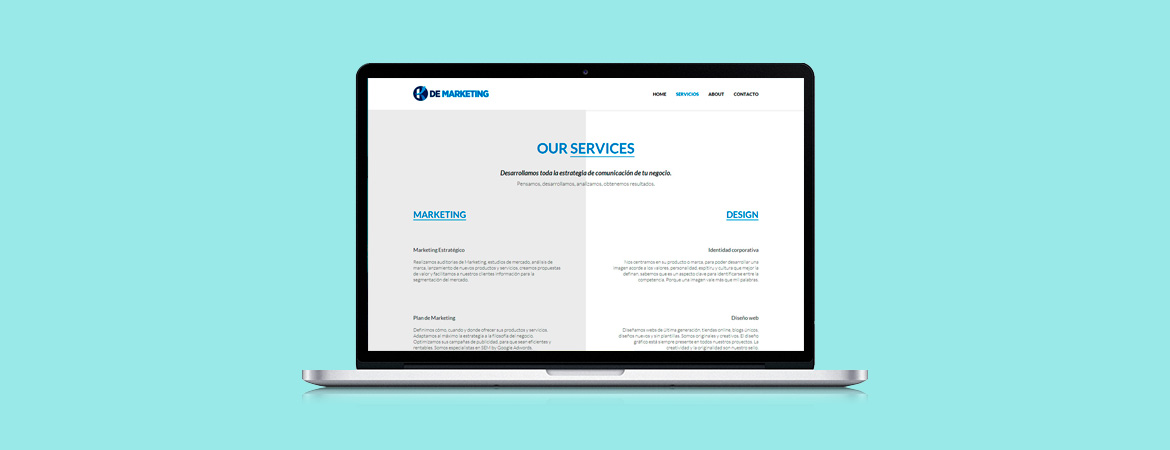
Typically, this would be a corporate website that presents your company’s services and history. For a new business that wants to share more information than a single-page site allows, this is ideal. It’s also a great option for established companies looking to refresh their image at a reasonable price. If the site is well programmed, it can be expanded in the future—adding more sections or even making it self-manageable with a CMS.
Clients won’t be able to update or change the website content themselves; you’ll need to contact your web design studio for updates. This isn’t a big issue, as small changes are usually inexpensive, and the alternative—installing a basic CMS—would significantly increase the initial cost.
Ideal for both new and established companies seeking quality work without needing a large, complex website structure.
€2,400 is a fair price for a website with four sections (then €90/year for hosting and domain)
How much does a website with a basic content management system cost?
By website with a basic CMS, we mean, for example, a corporate website where you want to manage some of the content easily via a control panel with username and password.
If well implemented, managing editable elements is quick and straightforward. For example, you might have a website with the following sections: Home, About Us, Products, Services, Contact. In this case, you’d want to manage the Products section.
In the Products section, you could intuitively add and update your products—name, description, images, etc.
Other examples include adding a Blog, News section, or a manageable gallery.
Whenever you want to manage one or more sections of your site without needing programming or HTML knowledge, you’ll need a CMS to make this possible.
Ideal for new and especially established companies that want control over certain sections
€3,600 is a fair price for a website with four sections (then €90/year for hosting and domain)
How much does a website with an advanced content management system cost?
Now we’re entering a territory with a wide range of prices, depending on the project’s complexity. We’ll try to give a rough idea of how much a website like this might cost, but it’s impossible to give a precise figure, as it depends on the number of manageable sections and their specific features.
A website with an advanced CMS is one where you need to easily manage most or all of the content via a control panel with username and password.
For example, your menu structure might look like:
- Home
- About Us
- Products
- Furniture
- Decor
- Lighting
- News
- Updates
- Inspiration
- Awards
- Other
- Team (with individual profiles)
- Press Area
- Contact
If all or nearly all sections and their subcategories need to be self-managed, you’re looking at a price around €5,000.
Of course, the more sections you add, the higher the cost of a website of this type.
Ideal for companies that need to showcase a large amount of content and are ready to make a significant investment.
€5,000 to €8,000, though each project should be evaluated individually (then €90/year for hosting and domain)
Conclusion
These are our rough estimates for how much a website costs. Remember, these prices are only approximate—ultimately, the final cost will depend almost entirely on the web design studio you choose.
As a final tip: always review every quote carefully. Be wary of offers that seem too cheap—or excessively expensive.
In upcoming posts, we’ll cover other factors that can affect website pricing, as well as ongoing maintenance costs, including hosting, domain, and marketing strategies such as SEO and Community Management.
Continue reading part two: special features and their impact on website costs.
Series Navigation
- How much does a website cost? Pricing overview
- How much does a website cost? Features
- How much does a creative website cost?
- How much does a website cost? Materials