In this article, we’ll explore the key elements of designing a hotel website.
The hospitality sector is constantly evolving worldwide, and especially in our country, where tourism is a major economic driver and a cornerstone of the national GDP.
If you want your hotel to stand out and avoid losing guests along the way, don’t miss this article—we’ll break down the essential factors for creating a successful hotel website.
Key Elements in Hotel Website Design
Defining Your Hotel’s Brand Identity
Strong branding is crucial for your hotel’s success.
Clearly defining your hotel’s image, tone of voice, target audience, mission, vision, and values will help you chart the right course when building your brand identity.
And remember, you don’t have to do this alone—there are plenty of professionals who can help.
Developing a Solid Business Strategy
No matter the business, a well-thought-out strategy is essential for success.
A clear strategy gives you direction and sets measurable goals.
Tip: Planning always pays off.
100% Custom, Original Design
For guests, the vacation experience begins the moment they start searching for their destination and the hotel where they’ll stay.
The first thing to avoid is using a generic WordPress template for your hotel website. While templates may seem cost-effective at first, the drawbacks are significant. Template designs lack originality, don’t address your hotel’s specific needs, offer limited features, load slowly, and are penalized by Google’s ranking algorithms. They often require ongoing investment to reach your goals.
Think of your website as an investment—opt for a fully custom, original design tailored to your hotel’s unique characteristics. You’ll have unlimited creative and functional possibilities, and Google will reward you for it.
Your hotel website design should always reflect your brand identity.
Tip: A custom, original design may cost more upfront, but the long-term benefits are limitless. Remember what your parents said: you get what you pay for.
Mobile-First & Responsive Design
Your website must look flawless on mobile and tablet devices—over 70% of online searches happen on these platforms. Failing to adapt your hotel’s website for mobile means losing guests and wasting resources.
Aim for a responsive, fast-loading design that highlights only the most essential information for mobile and tablet users.
Tip: Don’t hesitate to remove unnecessary content from the mobile version and optimize everything for speed.
The Menu
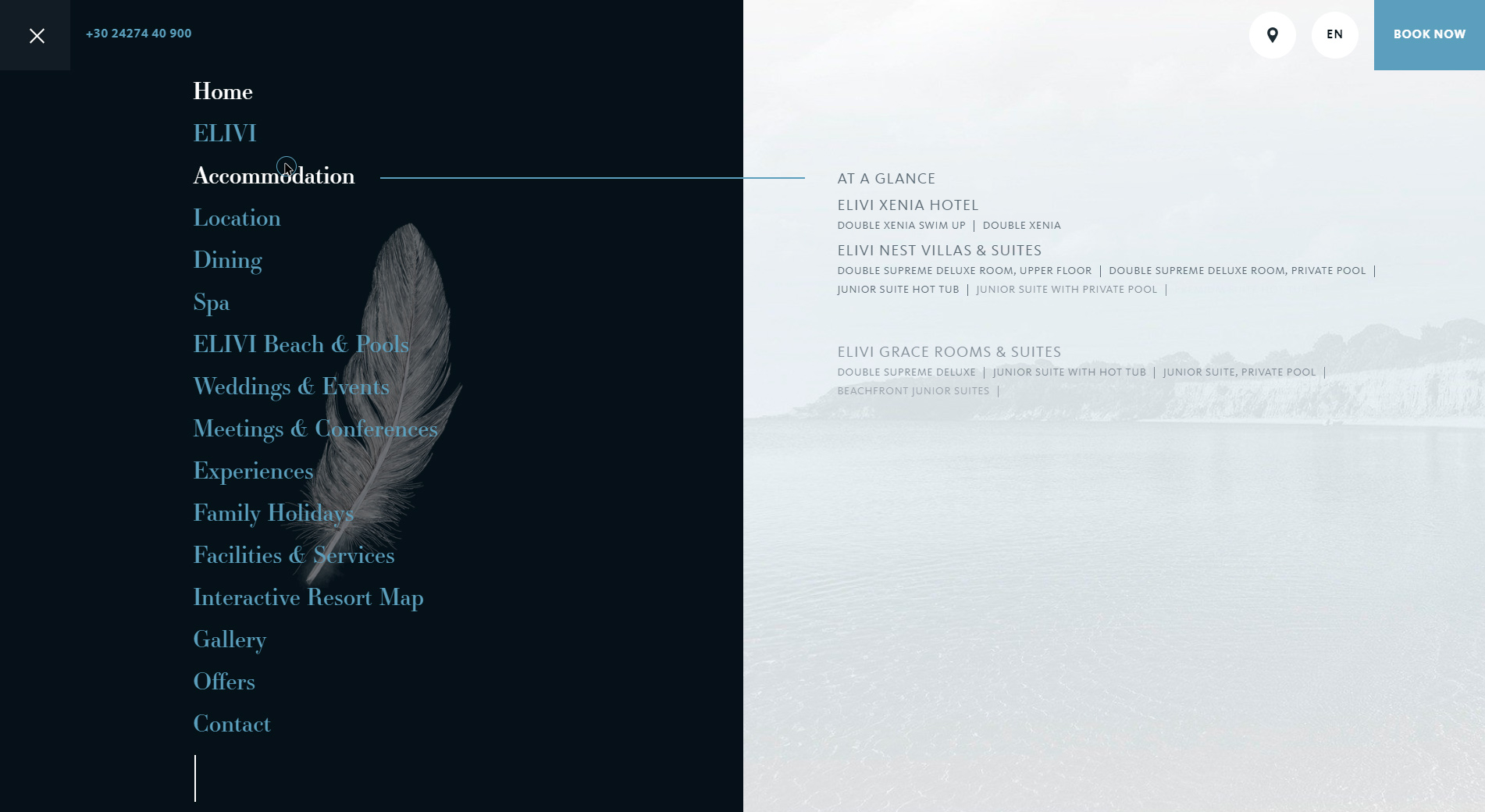
Navigation is a cornerstone of any business website, and for hotels, the menu is especially critical.
Carefully plan your site’s navigation structure and choose the right menu style—this can make the difference between success and failure.
You can go for a custom menu, a hamburger menu, a hybrid, or whatever your designer recommends. Just don’t treat it as an afterthought.
Tip: The traditional menu is outdated—avoid it unless absolutely necessary. The hamburger menu remains the best option.
Invest in a Great Search Function
The search bar is one of the most important features of a hotel website.
Guests will use it to book rooms, so it needs to be:
Accessible to all users, regardless of their tech skills.
As versatile as possible.
Simple and straightforward to fill out.
The mobile version of your search tool is the pinnacle of your project—put extra thought into it and make sure it’s perfectly adapted for every device.
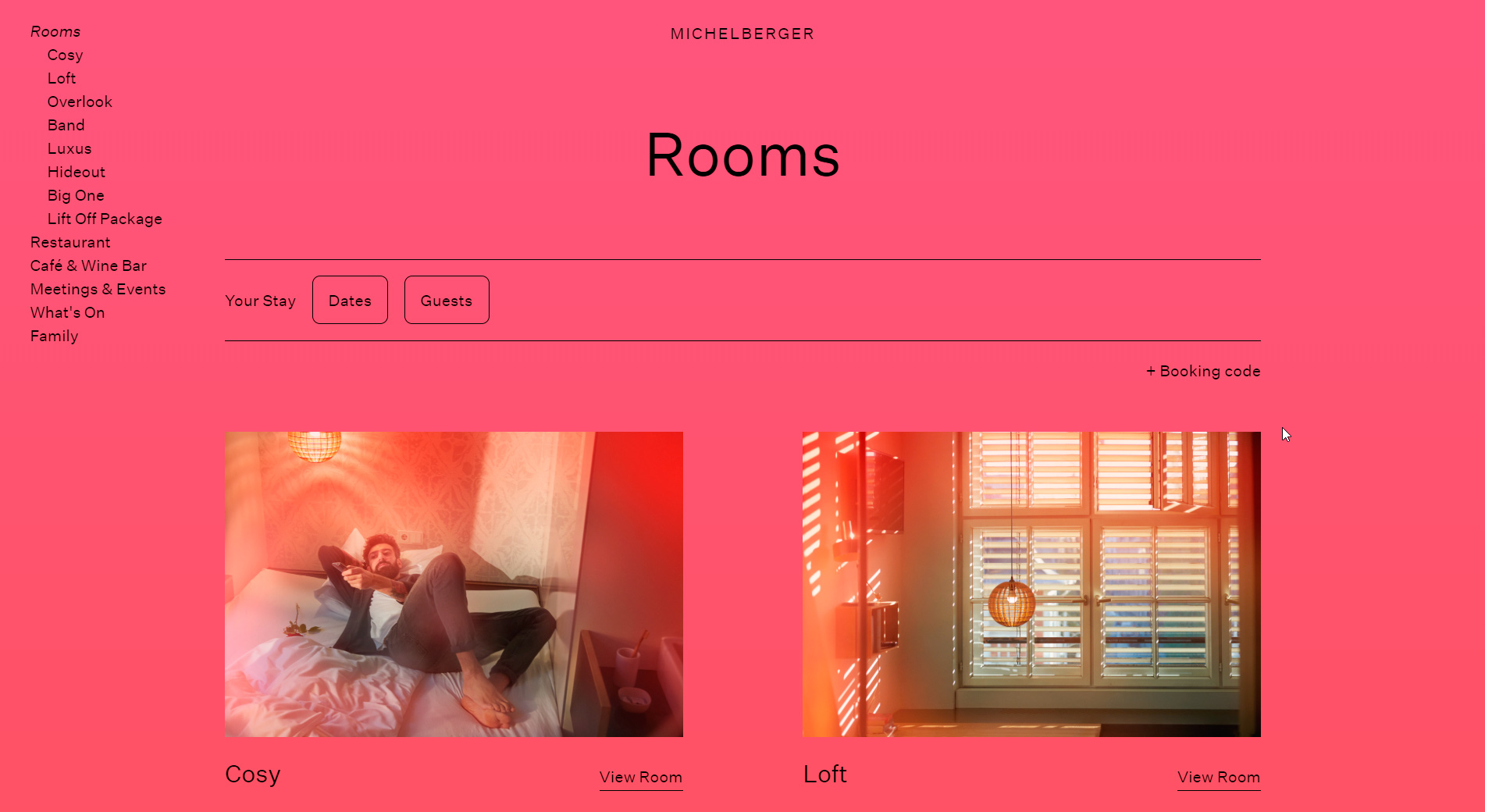
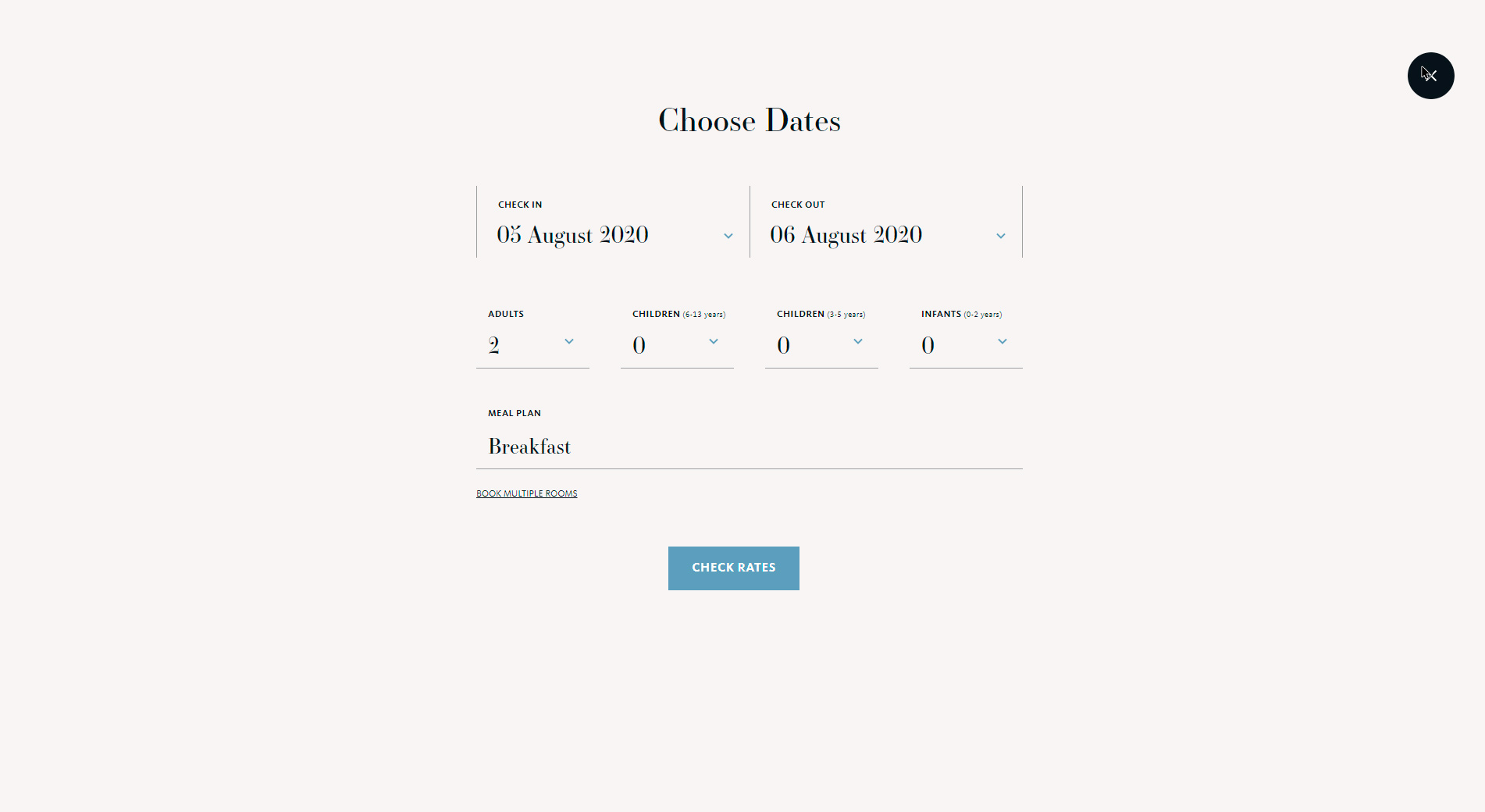
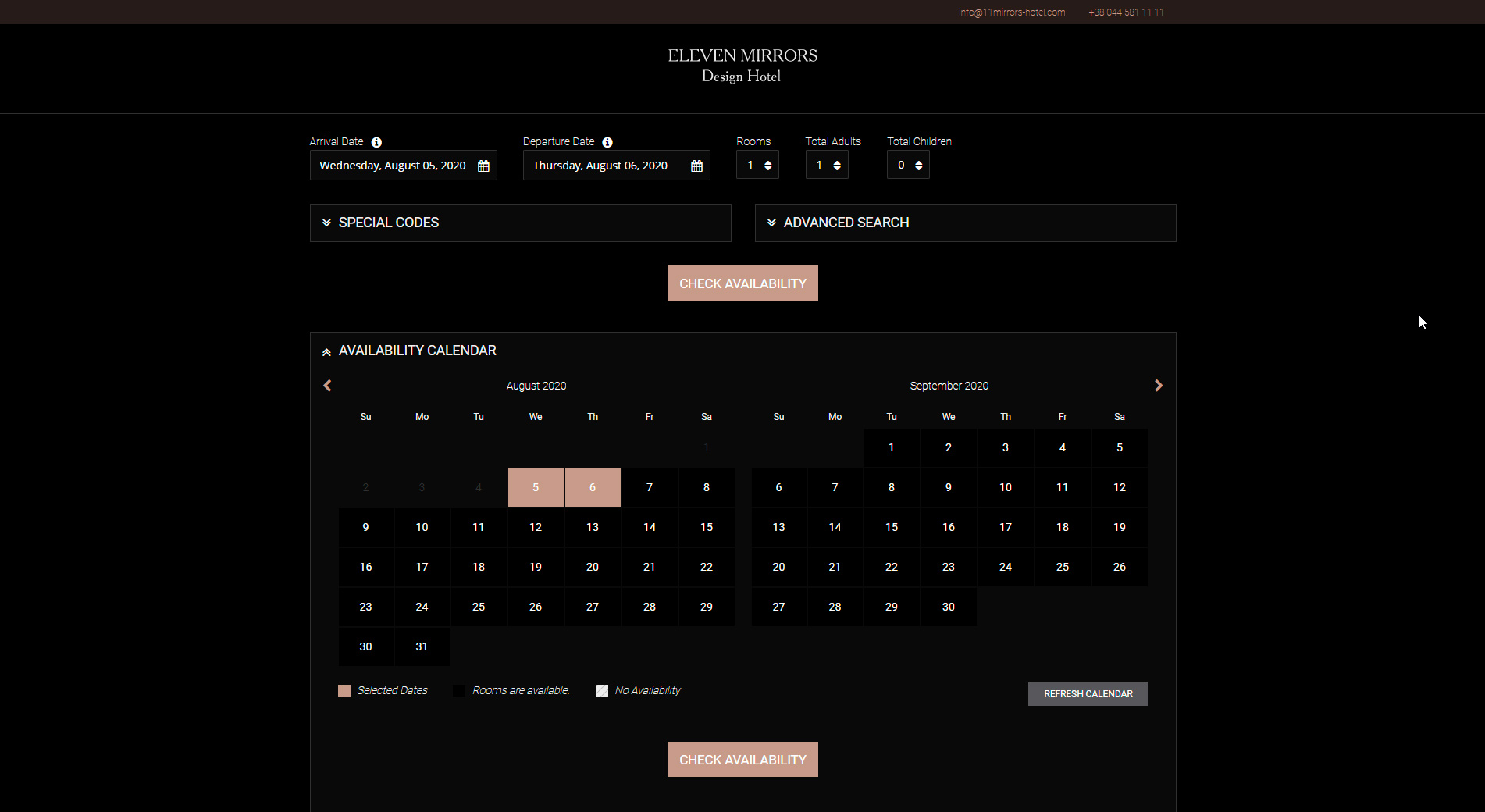
Tip: Less is more.
Tone of Voice
Your tone of voice shapes how you communicate with both potential and returning guests. To define it, try picturing your ideal customer—empathize with their emotions and expectations.
With this image in mind, it’s easier to tailor your website’s copy and resources to your audience.
Tip: Picture your perfect, real-life guest.
Photos & Videos
A hotel website should be rich in visuals—photos, videos, and content that evoke feelings and experiences. Guests aren’t just looking for a place to sleep; they want memorable experiences.
Times have changed—staying at a hotel is no longer just a stopover on the way to some distant palace.
Tip: Invest in high-quality photos and videos. Don’t cut corners—professional visuals make all the difference.
Conclusions
Designing a hotel website involves all the key elements of web design, plus some unique considerations that deserve special attention. If you get it right, you’ll maximize your return on both time and money.
Related Articles
…best business card designs for hotels