A design created to honor, listen, and heal: “Ko te mauri he mea tahuna i te moana” transforms social research into a deeply human visual experience
In the world of communication design, some projects go beyond aesthetics to become tools for emotional, cultural, and community healing. Ko te mauri he mea tahuna i te moana, created by Jordan Tane, is one such project. Winner of the Student Social Good Award 2025 at the Best Design Awards by the Designers Institute of New Zealand, this work shows how graphic design, editorial illustration, and storytelling can serve as bridges to collective healing.
For those of us working in graphic design, visual communication, branding, and digital campaigns from Barcelona, this project is an inspiring example of how design can amplify marginalized voices, humanize data, and turn social research into an artifact that breathes empathy, respect, and cultural depth.
Context: when design becomes an act of care
As the Indigenous people of Aotearoa, Māori are disproportionately represented in statistics related to violence within whānau (families). This is not just a number: it is an intergenerational chain of trauma, loss, disconnection from whakapapa (ancestry), and a weakening of mauri (life force). The project emerged as part of the national research initiative Kei roto tō tātou rongoā, funded by the Health Research Council (HRC), which gathered the experiences of whānau whose tamariki (children) had been removed from their care.
Through wānanga (community gatherings), families shared life stories, parenting journeys, challenges, and reflections on what might have helped them. In this context, design could not be a decorative exercise; it had to be a gesture of honor, a vessel for memory, and a way to restore mana to those who had lost it through painful processes. This approach makes the project a profoundly ethical work, where graphic design mediates between vulnerability and dignity.
The challenge was clear: how to transform intimate testimonies into a visual artifact that does not exploit pain, but acknowledges and accompanies it? How to create a graphic piece that speaks not about people, but with them? For any communication, web design, or branding studio—whether in Barcelona or anywhere in the world—this is a crucial reminder: design is not always about “solving,” but sometimes simply about holding, listening, and reflecting.
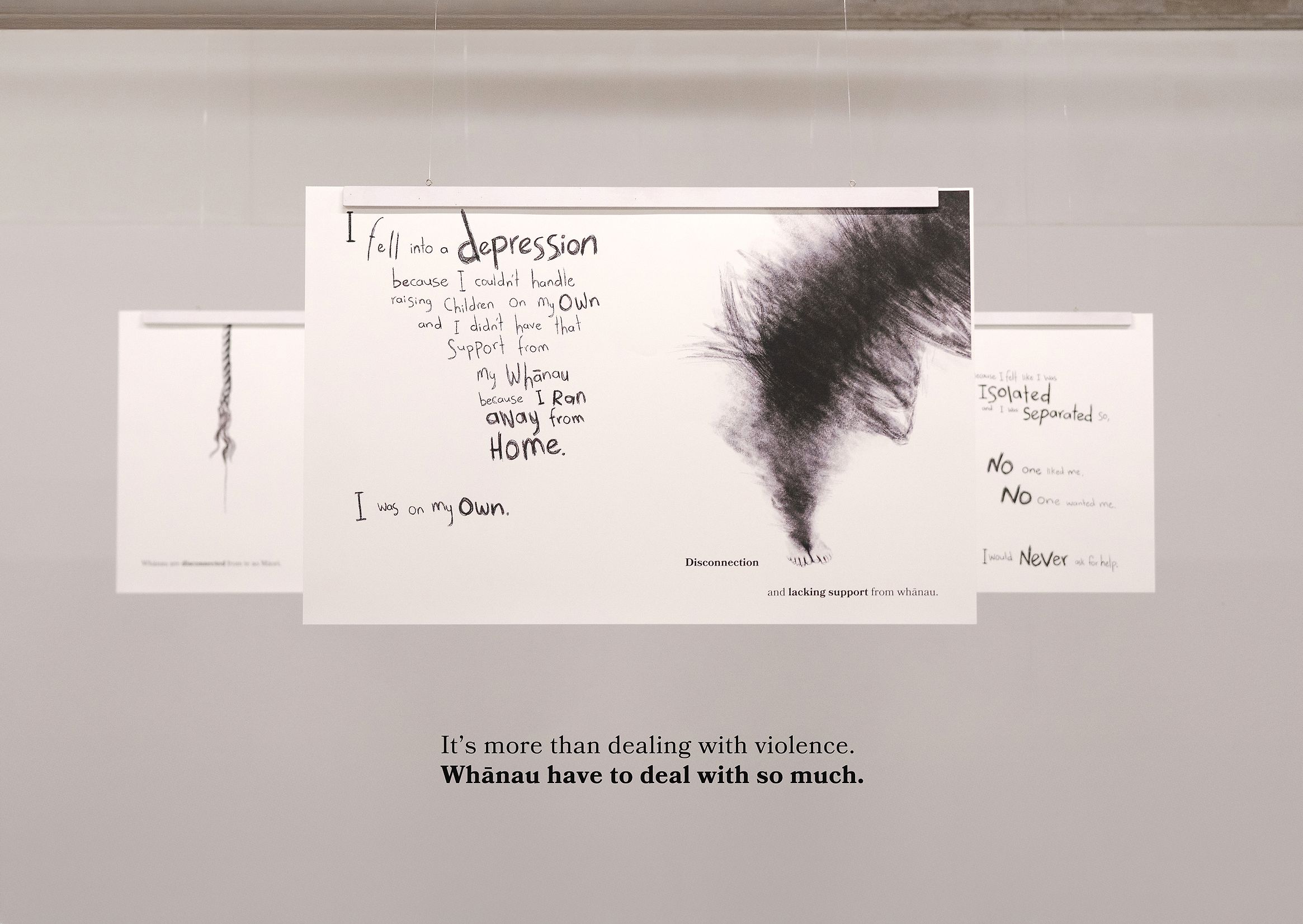
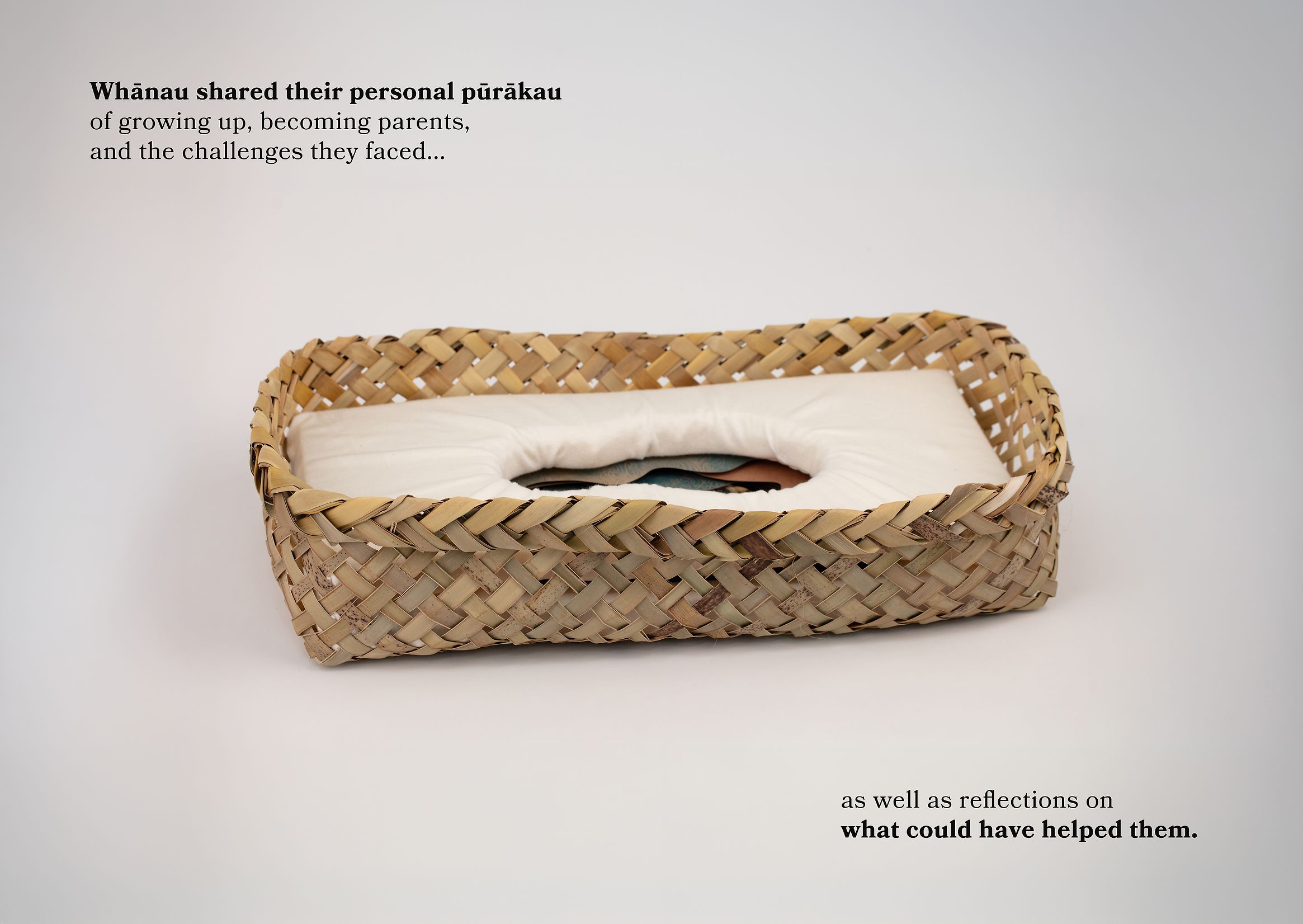
Conceptual premise: revealing the hidden strength within trauma
The conceptual core of Ko te mauri he mea tahuna i te moana centers on a vital idea: even in moments of fragmentation, the mauri—the life essence of a person or community—remains alight, though it may be weakened or hidden. The design’s role is not to “fix,” but to reveal this quiet strength.
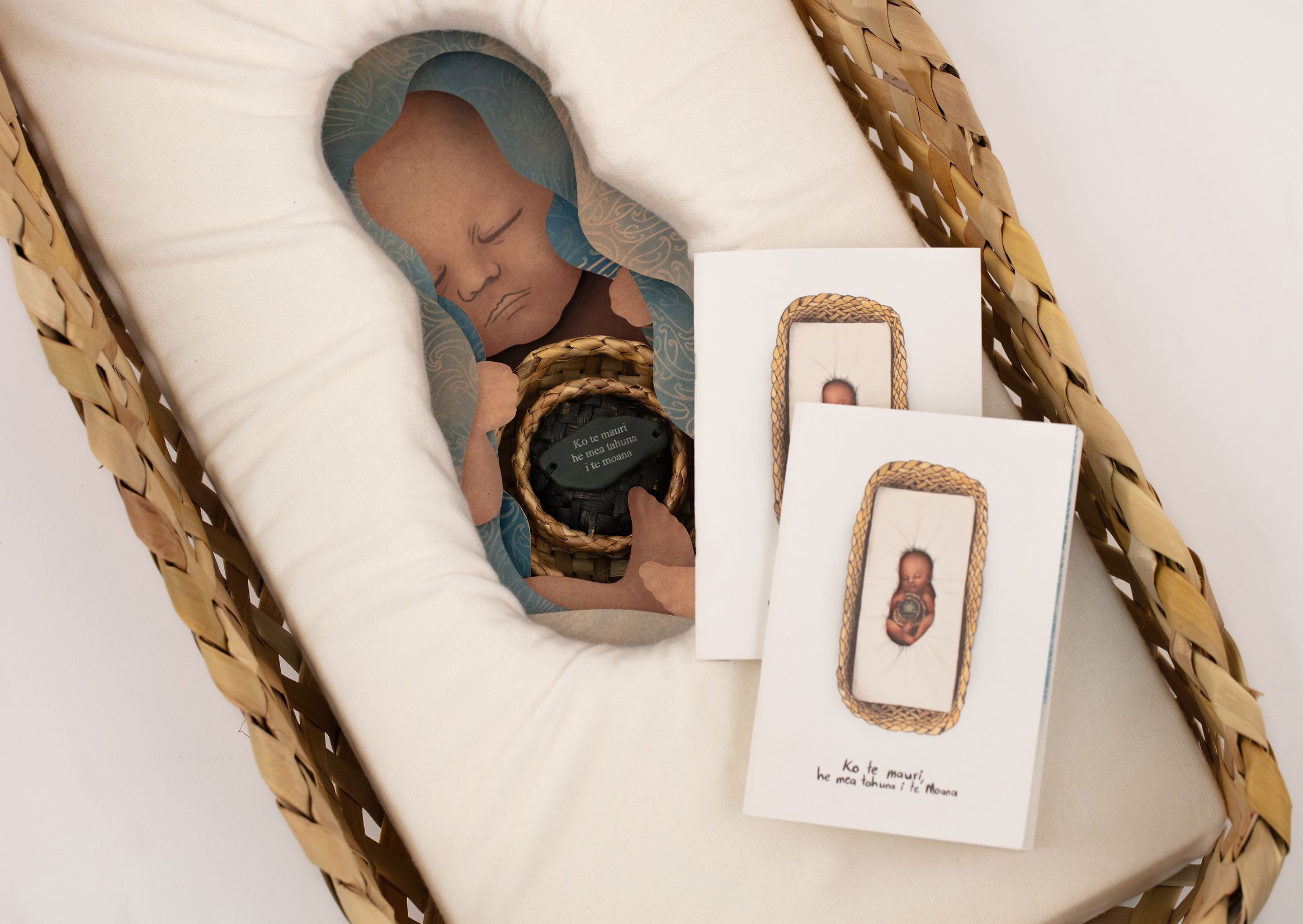
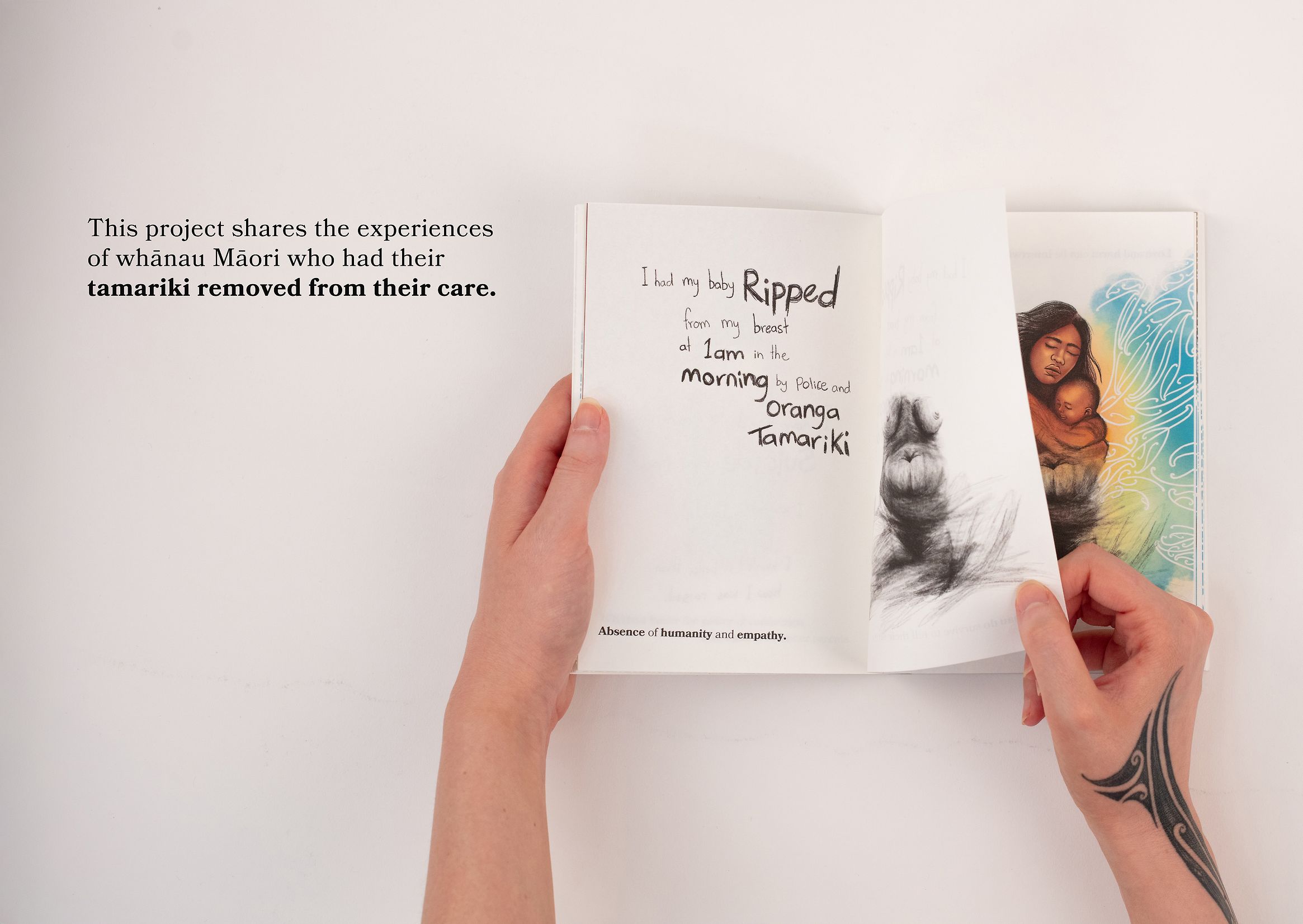
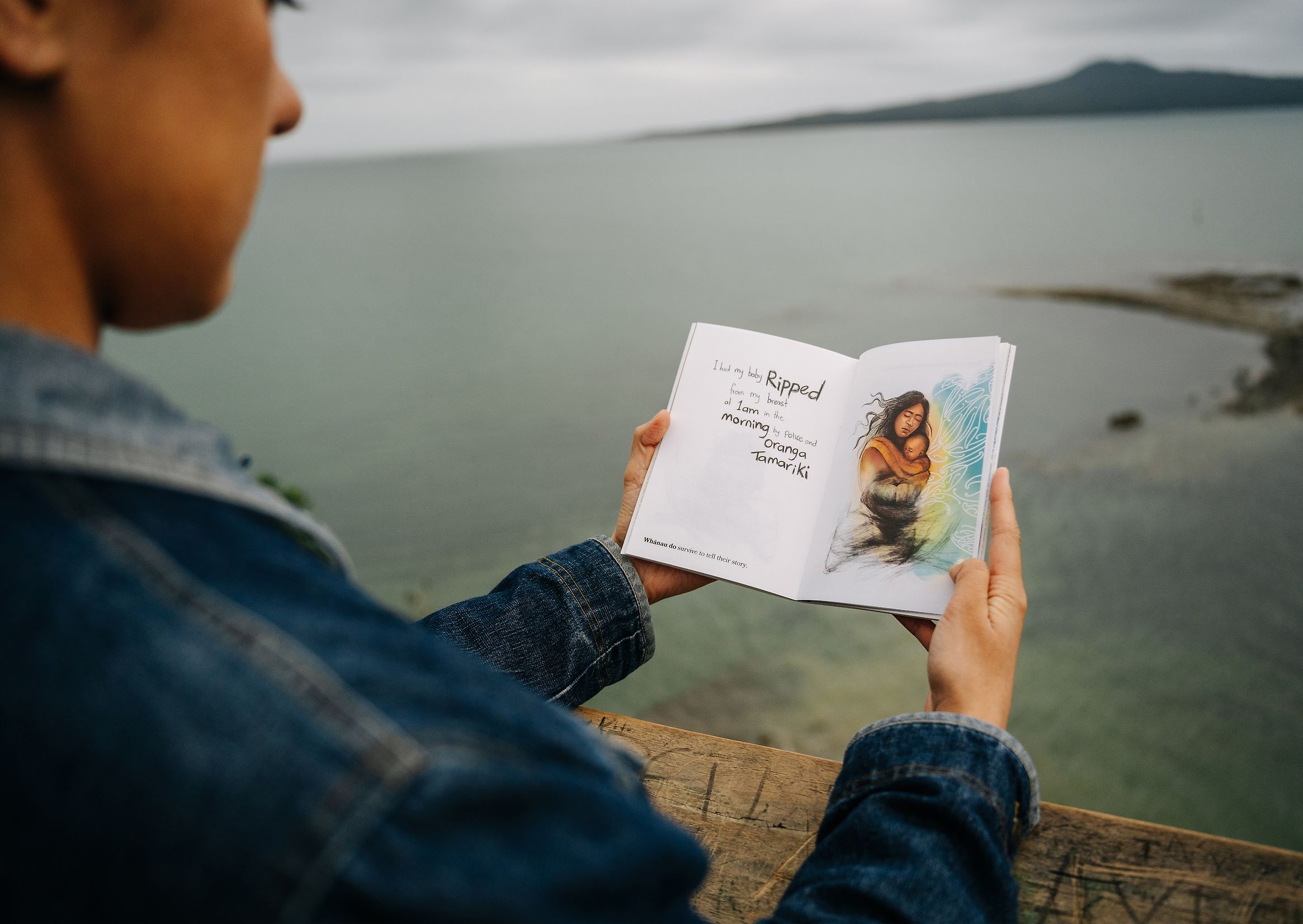
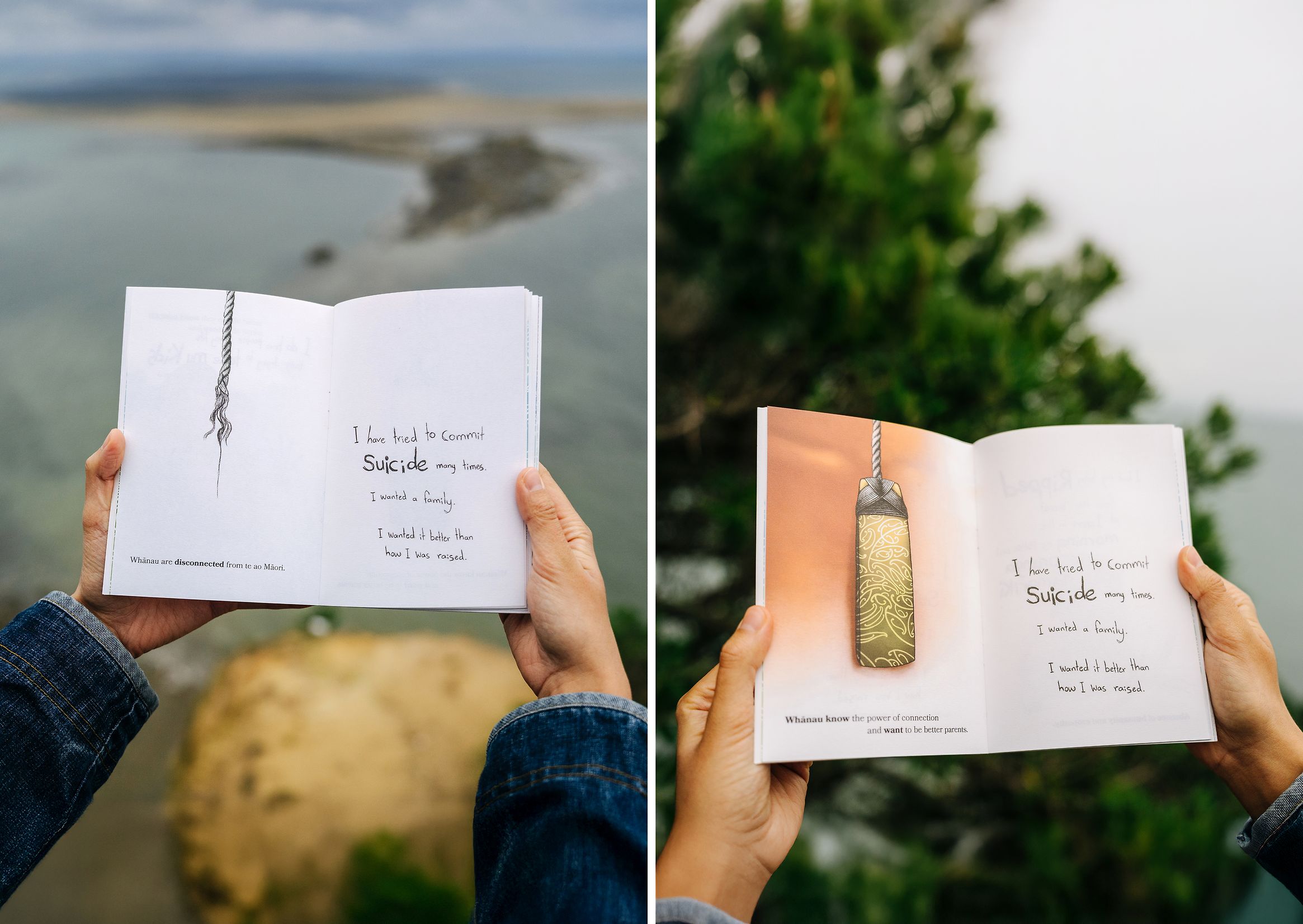
Jordan Tane’s illustrations draw on Māori worldviews: the ocean as a space of rebirth, weaving (raranga) as a metaphor for broken and renewed connections, and light as a symbol of whānau ora (family wellbeing). This symbolism is not a decorative flourish, but a deeply cultural visual language, able to speak directly to those for whom the work was created.
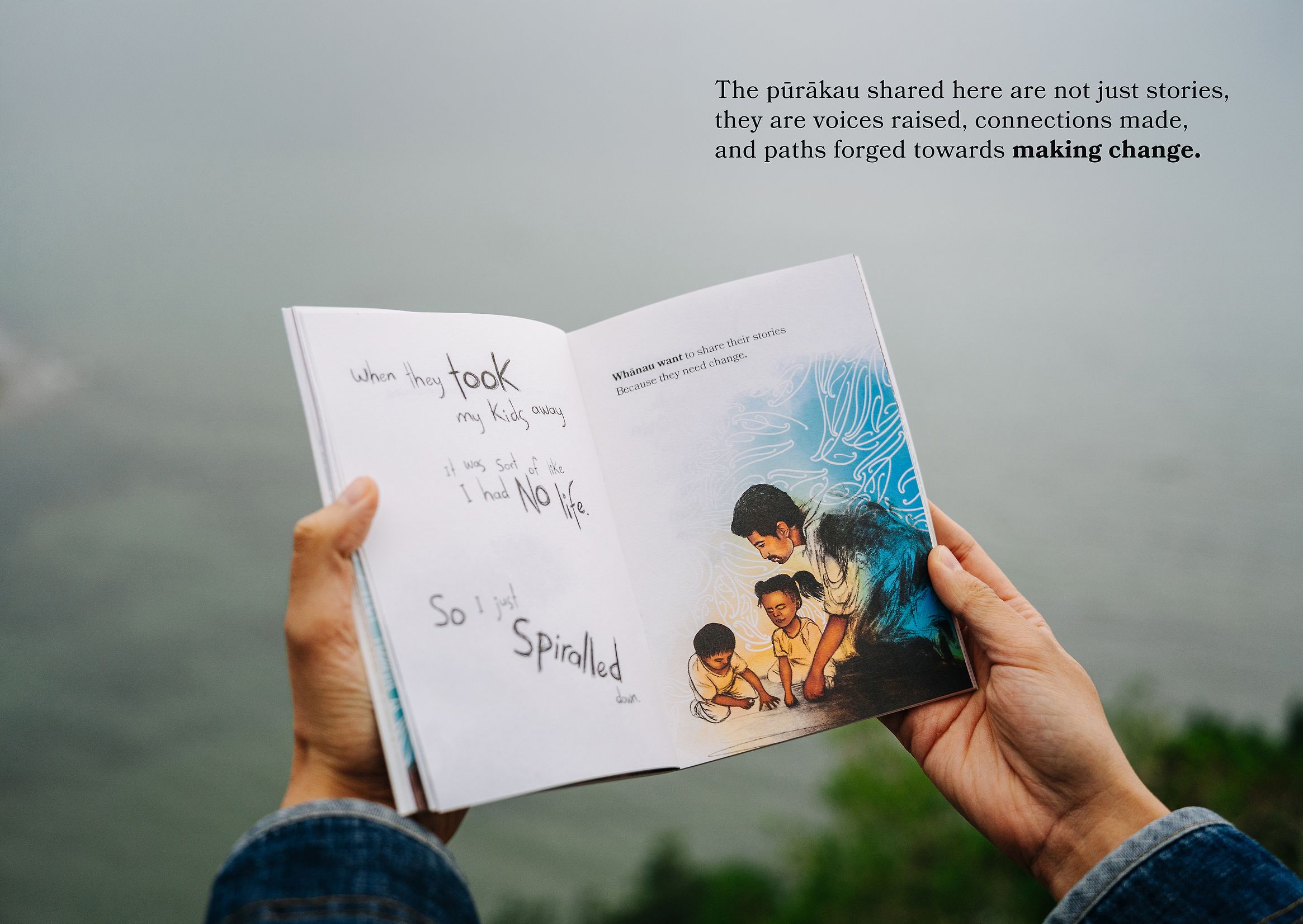
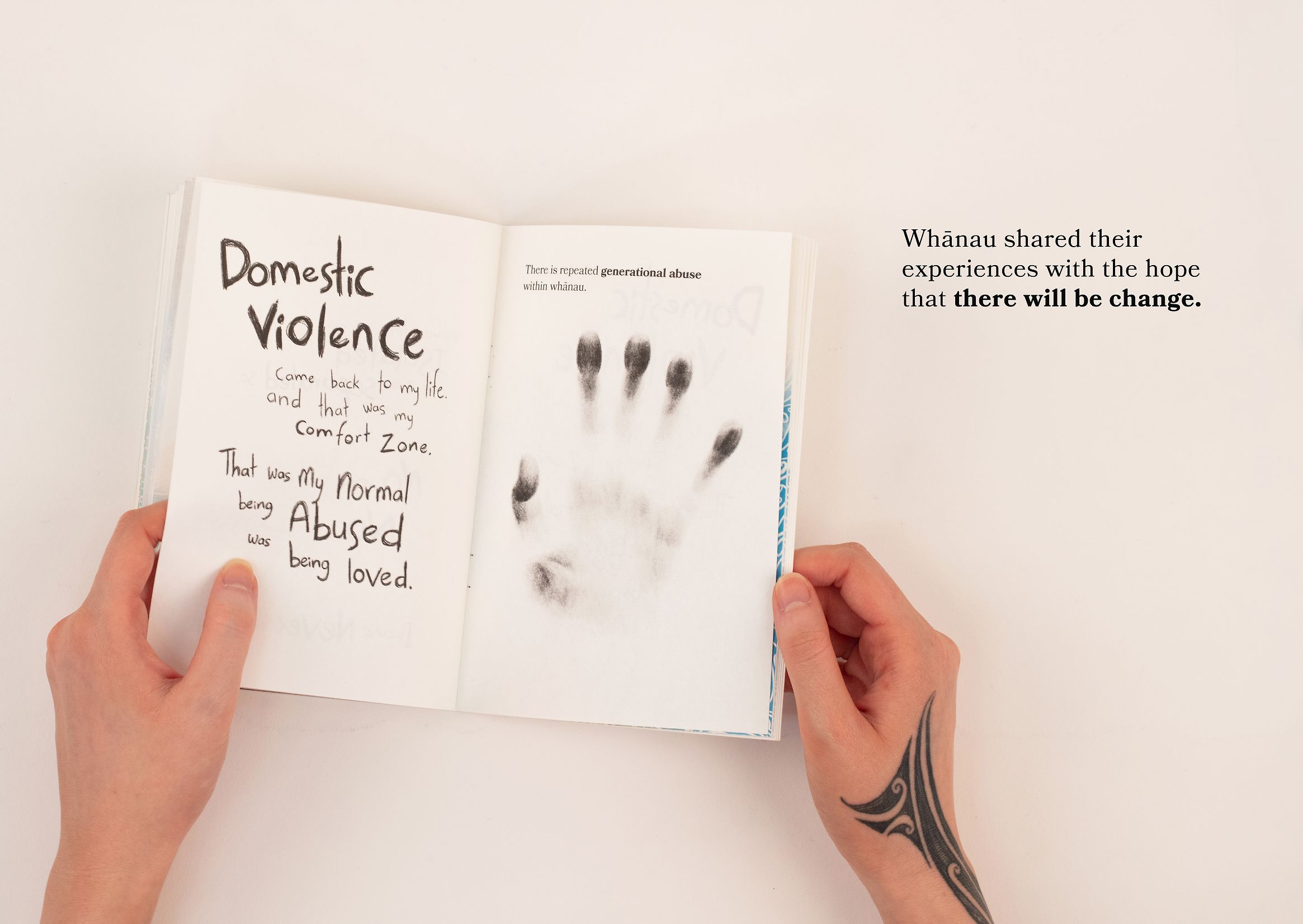
The project does not romanticize trauma; it contextualizes and honors it. Each page of the book is designed to accompany, not interpret. The illustrations are paired with verbatim quotes from the wānanga, capturing the authentic voices of the families. This approach prevents the research from becoming cold data, transforming it into living narrative—a visual dialogue that elevates, acknowledges, and legitimizes lived experience.
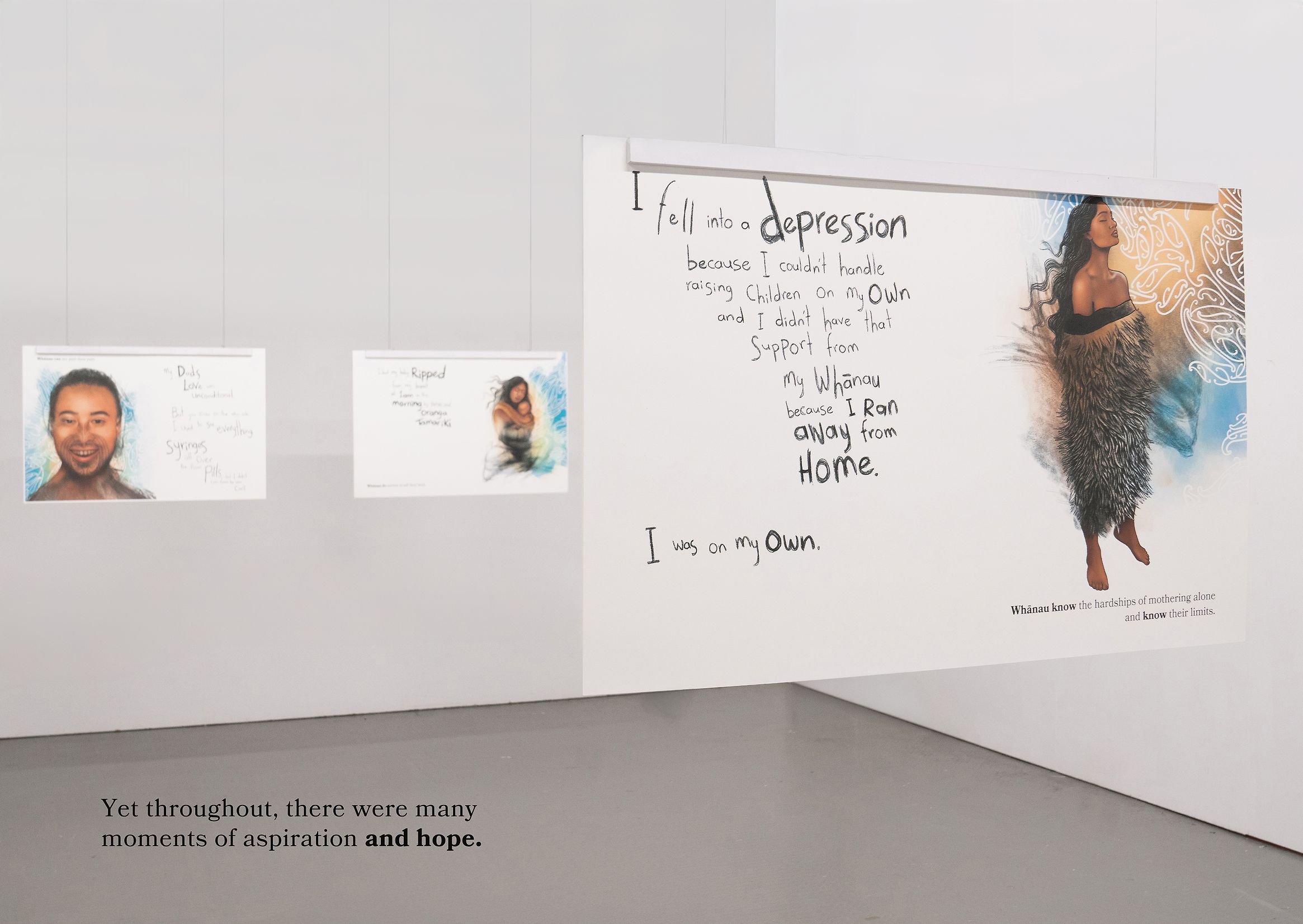
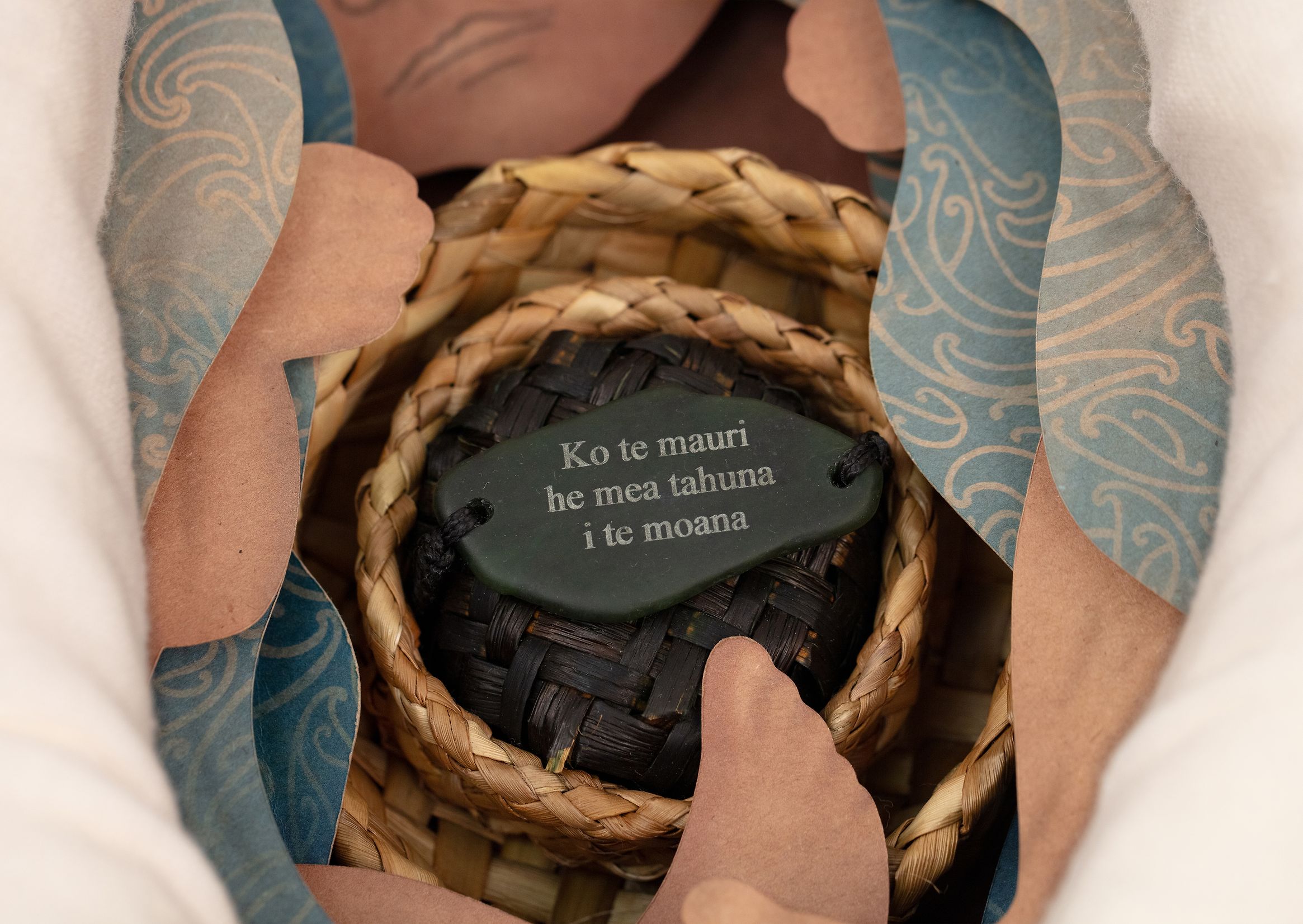
The design: an editorial piece built with utmost respect
The project’s graphic execution stands out for its conceptual clarity and aesthetic sensitivity. There is no sensationalism, no dramatization, no artifice. The design is clean, poetic, and contemplative. Every decision—from color to composition—is guided by a single intention: to create a safe space.
The pages act as visual breaths: open layouts, gentle pacing, and white space that allows the reader to pause between intense stories. This conscious use of visual silence is essential in projects where emotional content is dense. From a professional perspective, this editorial rhythm is a masterclass in communication design.
The illustrations use organic lines and fluid movements, evoking oceans, currents, and weaving. These motifs serve as both cultural metaphors and narrative structures. The color palette is rooted in nature: deep blues, earthy ochres, soft shadows. Everything suggests origin, connection, and journey.
For a graphic design or branding studio, this project is a perfect example of how aesthetics can be powerful without being forceful, and how visual identity can convey meaning without sacrificing subtlety.
Design as research: a new, people-centered model of communication
One of the project’s greatest strengths is how it challenges the traditional ways academic research is communicated. Instead of lengthy reports that lose the human element, this work adopts a visual, narrative, and emotional approach. It’s a reminder that design can be a research method in itself, capable of generating new forms of understanding.
Collaboration between the designer, whānau, researchers, and educators ensured the result was not one-sided. Contributors included experts in health, Māori wellbeing, design, and psychology. This allowed each illustration to be reviewed from multiple perspectives, ensuring fidelity to the collective experience.
The work does not seek to provide answers, but to open doors. Its purpose is not to solve family violence—that is the realm of policy, support systems, and structural change—but to create a space for listening, validation, and reflection. For those of us working in brand storytelling, digital content, and social communication in Barcelona, this approach is a powerful reminder: sometimes, communication simply means being present.
The social dimension: design to change perceptions
This project not only dignifies individual voices, but also challenges stigma. Illustration and editorial design are used as tools to humanize issues often reduced to numbers or headlines. By presenting real stories, told with care and accompanied by a visual language rich in symbolism, the book invites reflection on the complexity of intergenerational trauma and the possibilities for healing.
In this sense, the work fulfills a fundamental social function: it generates empathy. And empathy remains one of the most powerful tools in communication design, especially in contexts where marginalization and prejudice are persistent.
As a piece of visual communication, this work has the potential to influence health professionals, institutions, educators, and communities. It is not a book to be read once; it is a taonga—a treasured object meant to be shared, reread, and preserved.
Impact: recognition and legacy
The project was awarded the Student Social Good Award – Best Design Awards 2025, recognizing student work with social, cultural, or community impact. The jury praised “the conceptual depth and beauty of every graphic decision,” as well as the project’s ability to “honor the stories of whānau with extraordinary sensitivity.”
This recognition celebrates not only the aesthetic quality of the work, but also its ethical approach. For those of us analyzing digital campaigns, editorial projects, and purpose-driven design from Barcelona, this award sets a benchmark for what design should aspire to be: humanizing, transformative, and deeply connected to the communities it serves.
Conclusion: design as reflection, accompaniment, and possibility
Ko te mauri he mea tahuna i te moana proves that graphic design can go far beyond visual impact: it can be a mirror in which a community sees itself, a space where pain becomes story and story becomes strength. Through illustration, composition, and narrative, Jordan Tane has created a book that breathes respect, attentiveness, and connection.
From our perspective as a communication and design agency in Barcelona, this project represents the best of purposeful design: a practice that not only creates, but cares; that not only communicates, but accompanies; that not only shows, but honors.
Credits
Project: Ko te mauri he mea tahuna i te moana
Author: Jordan Tane
Client / Associated Institution: Health Research Council (HRC) – Kei roto tō tātou rongoā Research Project
Award: Student Social Good Award – Best Design Awards 2025 (Designers Institute of New Zealand)
Contributors: Cassie Khoo, Huri Campbell, Tanya Allport, Alayne Mikahere-HHall, Leland Ruwhiu, Nicole Coupe, Tania Ka’ai, Rolinda Karapu, Moana Eruera, Te Wai Barbarich-Unasa
Kaiako / Lecturers: Denise Wilson, Stephen Reay
School: AUT Art + Design 2025