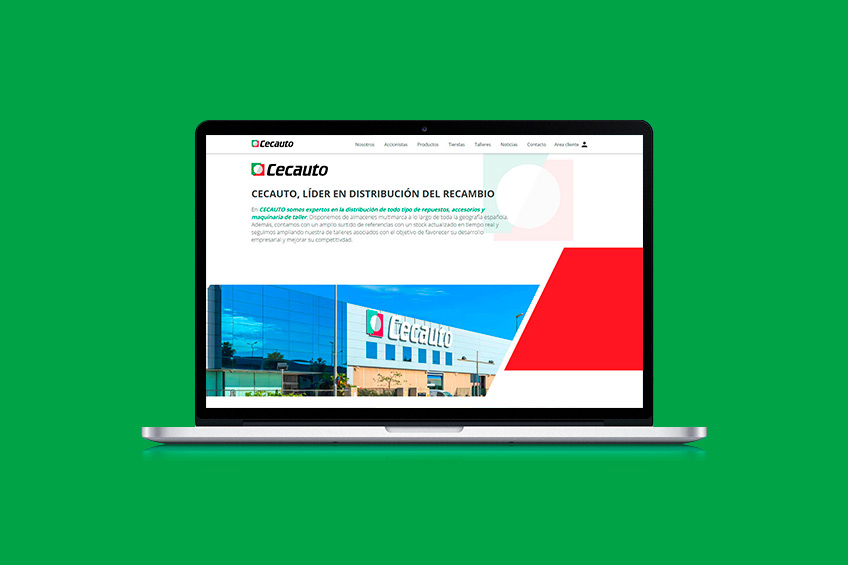
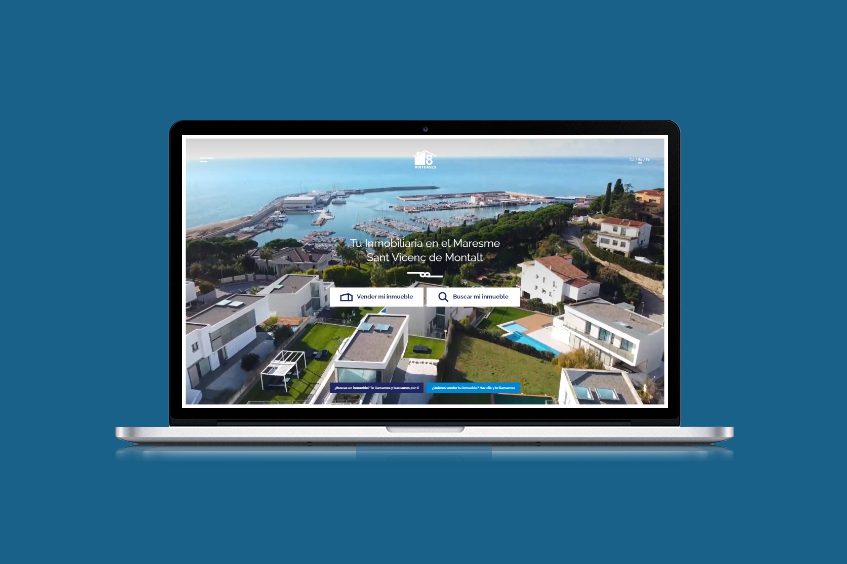
Our projects
code is a
promise of
quality
First in the process.
We implement ERP and CRM integrations to connect your systems, centralize data, and streamline operations—minimizing manual tasks and enabling more consistent, efficient management.
When we take on an ERP or CRM integration project, we don’t see it as a one-off connection between platforms or just a technical add-on to your digital system. We approach it as a fundamental part of your company’s operational infrastructure—designed to streamline information flows, reduce internal friction, and ensure data moves seamlessly across all your business tools.
Properly connected systems do much more than automate isolated tasks. They centralize critical information, eliminate duplication, minimize manual errors, and improve the traceability of processes across sales, administration, logistics, and customer service. That’s why every integration is planned with a structured approach, balancing technical logic with your organization’s real operational needs.
Our standard approach in this area begins with an initial analysis phase, where we assess the systems involved, existing data flows, friction points, and the functional objectives the integration must achieve. Based on this foundation, we define the connection architecture, synchronization rules, and the technical framework required to ensure information is shared reliably, securely, and effectively.
The final phase focuses on development, validation, and deployment of the integration, ensuring that data exchange works seamlessly across all defined scenarios. The result is a more connected, reliable system, fully equipped to support your company’s operational growth with a centralized, consistent database.
Key insights on methodology, investment, and digital project development.
Integrating ERP or CRM systems into a corporate website streamlines data management, automates workflows, and minimizes errors caused by duplicate data entry. This leads to greater operational efficiency, real-time access to key information, and a more consistent experience for both your team and your clients.
Before any development begins, we analyze the existing ERP or CRM system, operational workflows, and the business’s actual needs. Integration is defined during the architecture phase, ensuring that data and processes flow securely and in a structured way between systems. The goal is for the digital platform to expand capabilities without duplicating information or disrupting functional consistency.
Yes, custom development makes it possible to connect your digital platform with industry-specific ERP or CRM solutions, provided they offer compatible APIs or integration mechanisms. We analyze the unique characteristics of your system and design a solution tailored to your organization’s specific processes and requirements.
We assess potential technical incompatibilities, critical dependencies, and regulatory requirements related to data management. Security, scalability, and business continuity risks are also evaluated, with validation and control mechanisms put in place to minimize deviations during development and launch.
The integration architecture is designed with future business growth and system evolution in mind. Data flows and connection points are structured in a modular way, making it easy to add new features or switch providers without having to rebuild the entire platform.
Integrating a real estate CRM into your website allows you to centralize contacts, properties, forms, and business opportunities in a single system. This streamlines task automation, reduces manual errors, and improves lead tracking from the very first interaction. It also enables seamless synchronization between lead generation, sales, and client service, optimizing internal processes and response times. A well-executed integration enhances the user experience by displaying up-to-date information, managing inquiries more efficiently, and connecting your website directly to your agency’s or developer’s actual workflow.
We assess your current situation and outline the next steps.
Contact now
We assess your company’s context, objectives, and digital presence. Before starting the design phase, we define the core architecture and set key priorities.
We craft your visual identity and structure your content, always prioritizing clarity, consistency, and an outstanding user experience.
We implement your project to the highest standards of performance and stability, ensuring seamless integration with other systems whenever required.
We continuously monitor, optimize, and enhance your digital project to drive its growth alongside your business.
We will review your current digital situation. We will get in touch to understand your context and jointly assess which areas to analyze, after which we will prepare an audit including key findings and recommendations.