Our projects
code is a
promise of
quality
First in the process.
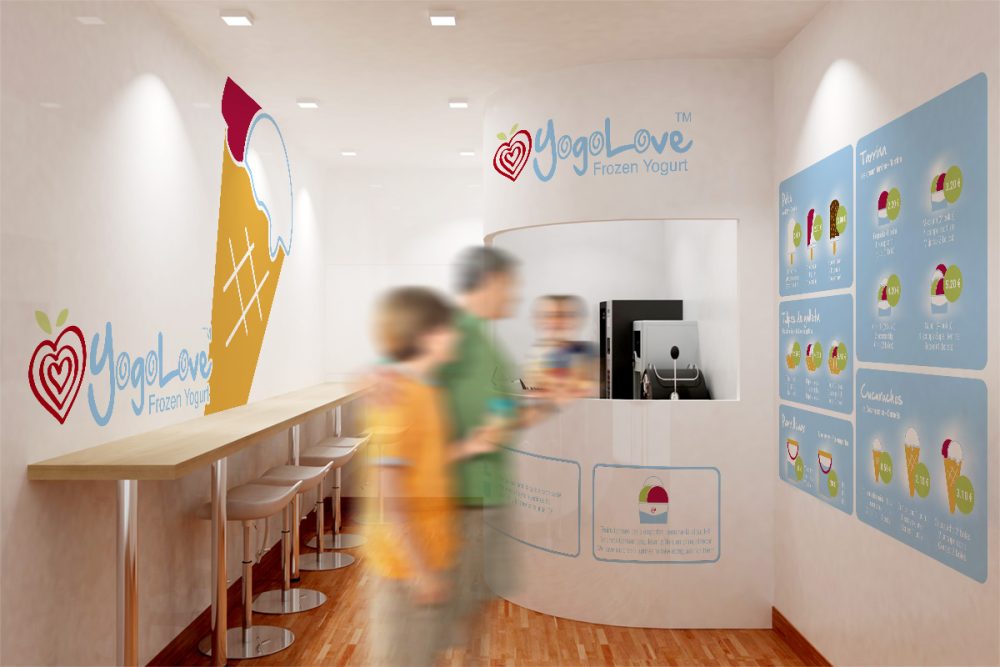
We design stands and spaces that bring your brand identity to life in the physical world, creating cohesive, functional experiences aligned with your communication and presence goals.
When we design stands and spaces, we don’t see it as an isolated visual proposal or a purely aesthetic exercise. We approach it as a direct extension of the brand in the physical environment, where every element must serve a clear purpose in communication, functionality, and brand consistency.
A well-designed space does more than attract attention—it guides visitors, encourages interaction, and clearly conveys what the company stands for. Whether at trade shows, exhibitions, or corporate environments, the stand becomes a direct touchpoint with your audience. That’s why every decision—from layout to materials and visual language—is carefully aligned with the project’s objectives.
Our approach in this field begins with an initial analysis phase, where we examine the context of use, event type, target audience, and the functional requirements of the space. Based on these insights, we define a concept that brings the brand’s identity into the physical environment, developing the structure, graphics, and key elements needed to create a cohesive experience.
The final stage focuses on design development, technical adaptation, and preparation for production and implementation. The result is a clear, well-structured space that is fully aligned with the brand, consistently representing the company and making a real impact in its physical setting.
Key insights on methodology, investment, and digital project development.
Every project begins with a thorough analysis of the company’s values, visual identity, and strategic objectives. The stand design is conceived as a natural extension of the brand, ensuring that every element—from structure to graphics—reinforces the brand’s positioning and visual consistency within the exhibition or trade show environment.
Stand and space design focuses on intuitive flow, accessibility, and clear communication of key messages. Spaces are organized to encourage natural movement, create interaction points, and provide rest areas, ensuring a smooth and memorable visitor experience. Architecture and signage are carefully planned to guide visitors and strengthen the connection between the audience and the brand.
Before finalizing the design, we develop a concept that aligns with the project’s objectives, the physical environment, and operational requirements. This stage covers defining visitor flows, message hierarchy, technology integration, and potential use scenarios, with each aspect validated by the project team before moving into production.
The stand’s architecture and modular components are designed from the outset to allow for future adaptations—expansions, reductions, or reconfigurations—based on available space or the objectives of each event. This approach minimizes the need for complete redesigns and makes it easier to reuse elements, maximizing your investment over the medium and long term.
Technological integrations—such as audiovisual systems, interactive features, or data capture solutions—are planned from the outset to ensure they enhance both aesthetics and functionality. We prioritize compatibility with your company’s internal systems and make sure everything is easy to use for both staff and visitors.
We assess your current situation and outline the next steps.
Contact now
We assess your company’s context, objectives, and digital presence. Before starting the design phase, we define the core architecture and set key priorities.
We craft your visual identity and structure your content, always prioritizing clarity, consistency, and an outstanding user experience.
We implement your project to the highest standards of performance and stability, ensuring seamless integration with other systems whenever required.
We continuously monitor, optimize, and enhance your digital project to drive its growth alongside your business.
We will review your current digital situation. We will get in touch to understand your context and jointly assess which areas to analyze, after which we will prepare an audit including key findings and recommendations.