In this article, we’ll cover a fundamental concept in the online world: the Landing Page.
We’ll break down the key points you need to fully understand this essential tool.
A Landing Page brings together graphic design, web design, web development, and digital marketing and communications.
Contents overview
- What is it and what is it for?
- What types of Landing Pages are there?
- Why use a Landing Page?
We’ll also look at some related terms to help you gain a broader understanding of the field.
Related terms:
- Lead
- Call to action
What is a Landing Page?
1. What is it and what is it for?
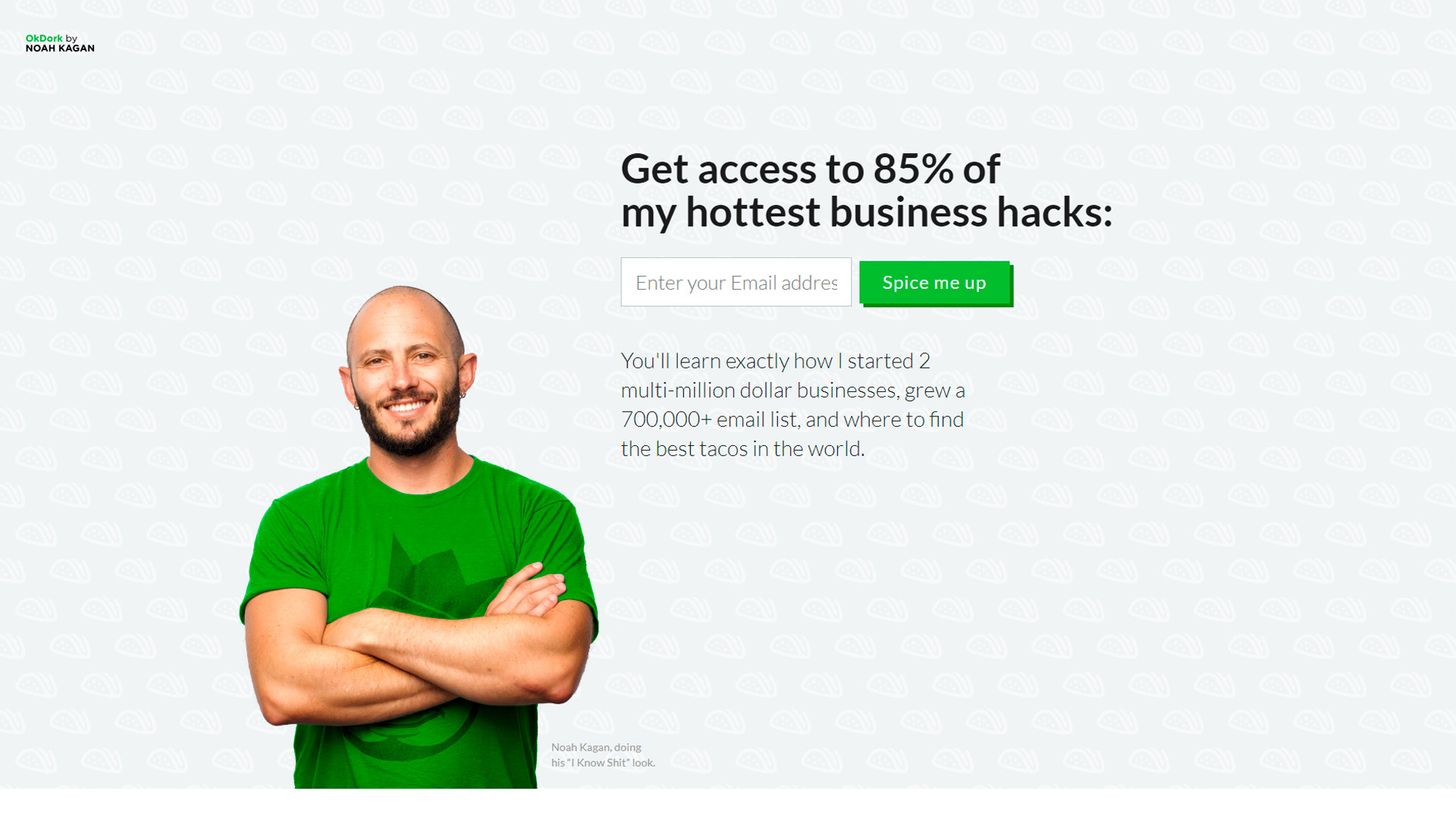
In digital marketing, a Landing Page is a standalone web page created specifically to support a marketing campaign.
It’s worth noting that “Landing Page” is an English term often used in Spanish as well, though it’s sometimes called a “página de aterrizaje.”
A Landing Page is where users arrive after clicking a “call to action” button, a Google AdWords ad, or a similar link.
The power of a Landing Page lies in its simplicity—it’s the most effective way to boost conversion rates for a campaign.
2. What types of Landing Pages are there?
Depending on the tools used to create them, Landing Pages can vary, but what really matters is their purpose. They generally fall into two main categories.
Landing Pages within your main website
As the name suggests, these are pages found within your site’s regular navigation—for example, after clicking a CTA (Call To Action) at the end of a blog post, or by entering a specific category or project.
In this case, the Landing Page will share the overall web design style, but with unique features tailored to its goal.
These types of Landing Pages are typically accessed organically.
Landing Pages outside your main site: Microsites
These are standalone web pages created for a specific purpose—usually to capture Leads—and are separate from your main website.
These Microsites, as they’re also known, are not easily found through organic search.
They’re usually accessed via paid media or SEM campaigns.
The main goal of this type of Landing Page is to collect user data and convert visitors into contacts, or leads.

3. Why use a Landing Page?
The answer is simple: using a Landing Page increases your conversion rate and lowers the cost of acquiring leads.
Because they’re highly targeted and tailored to a specific action or objective, Landing Pages are perfectly aligned with the user’s intent when they click.
When you compare a standalone Landing Page to a general website, the difference in results is clear.
A regular website is broader in scope and typically has a lower conversion rate, while a Landing Page is laser-focused on a single goal.
Related terms
Lead
This term is used in Inbound Marketing to refer to users or contacts who share their information via a Landing Page.
These users voluntarily become part of your database.
They’re potential clients and should be treated as valuable prospects.

Call to action
A Call to Action or CTA is a button or link designed to attract potential customers and encourage them to take the next step—ultimately becoming clients.
This is usually done through a contact form or Landing Page.
If you’d like to learn more about Calls to Action, check out our in-depth article on the topic.
Conclusions:
We’ve covered the key concepts that define a Landing Page—an essential resource for any online marketing or advertising strategy.