Have you ever wondered how to make the leap and become a real graphic designer—the kind who actually gets paid for their work? If the answer is yes, this article is for you.
Here are some key tips to help you become a professional graphic designer.
The 8 keys to landing a job as a graphic designer.
Background
First, let me clarify a few things.
It’s great to read the biographies of some of the greatest graphic designers in history, but keep one thing in mind: it’s easy, after overcoming countless struggles and finally riding the success train, to highlight only the parts of our story that suit us best.
I do the same things Picasso did, but I’m not famous—why do you think that is?
Biographies are stories filtered through our own perspective, so you’ll only read what the author wants you to read—nothing more, nothing less.
What works for one person isn’t a guaranteed recipe for success, especially in the creative field.
The creative world is constantly evolving. What was once cutting-edge can quickly become mediocre. Success is always a mix of creativity and timing.
So, whatever you read, don’t take it as gospel. Use what makes sense for your reality and your time. If you approach it thoughtfully, history can teach you a lot—but not everything.
Now, let’s look at the most common ways to break into graphic design.
A winning resume
I’m going to assume you’re a creative type, someone who always finds solutions—so your resume can’t be the same generic template you’d use to stack cans at a supermarket.
This is a different job, and the expectations are different too.
Start crafting a resume that introduces you to your target audience.
And who is your target? People looking for creativity, someone who stands out and is professional.
Your resume should be a showcase of your abilities—a creative, winning resume.
I’m not going to give you a step-by-step guide to making a creative resume, because that’s your job.
Build your digital identity
You need an online presence—a solid Facebook to show who you are, a strong Instagram to display your work and personality, a professional LinkedIn, and so on.
It’s essential to start your own personal branding campaign. As an individual, this will reinforce both your personality and your professional skills.
No one will hire you if they can’t get to know you or see your work, so give them what they’re looking for.
Don’t be too stiff—just like with your resume, people aren’t expecting a buttoned-up office worker with no personality.

Be willing to work—even for free
If your goal is to get hired as a graphic designer, you can’t pass up any opportunity to build your portfolio.
At first, it’ll be tough to get paid for doing what you love, so if you get the chance, volunteer—find an NGO or similar organization and work for free. Let people get to know you.
It’s a win-win: they get what they need, and your portfolio grows.
Your opportunities will multiply, and if you do a good job, the day will come when you can leave volunteering behind and start getting paid for your work.

Build a strong network
Just like with any job search, having a solid network is key to getting your name out there.
The lone wolf thing sounds cool and is easy—you do what you want and answer to no one—but the pack survives because of its strength in numbers.
So forget all those Jean-Claude Van Damme movies and find yourself a crew—think Avengers, not lone hero.
The best way to do this is to build a network of friends on social media and attend workshops and meetups for graphic designers in your area.
Look around—there are bound to be entrepreneur meetups nearby. You’ll meet people just like you, exchange ideas and advice, and it’s a great way to learn and get noticed.
Sharpen your communication skills
Sure, you’re creative and talented—but how are your communication skills?
Marketing and sales pros know it’s not enough to have a great product—you have to know how to sell it. See where I’m going with this?
However you do it, you need to work on your communication. Learn how to sell yourself and your work.
A couple of tips:
- Who is your work aimed at? Who’s going to hire you?
- Adapt your communication style to your audience

Know what you want
This one’s simple, but often overlooked in the heat of the moment: before you set out, you need to know where you’re going.
Map out your ultimate goal, mark the small wins you’ll need along the way, and figure out how to achieve them. New challenges will pop up, but always keep your eyes on the final objective.
Remember, you’re not alone—there are hundreds of people after the same thing. What are they willing to do to succeed? Are you willing to do more?

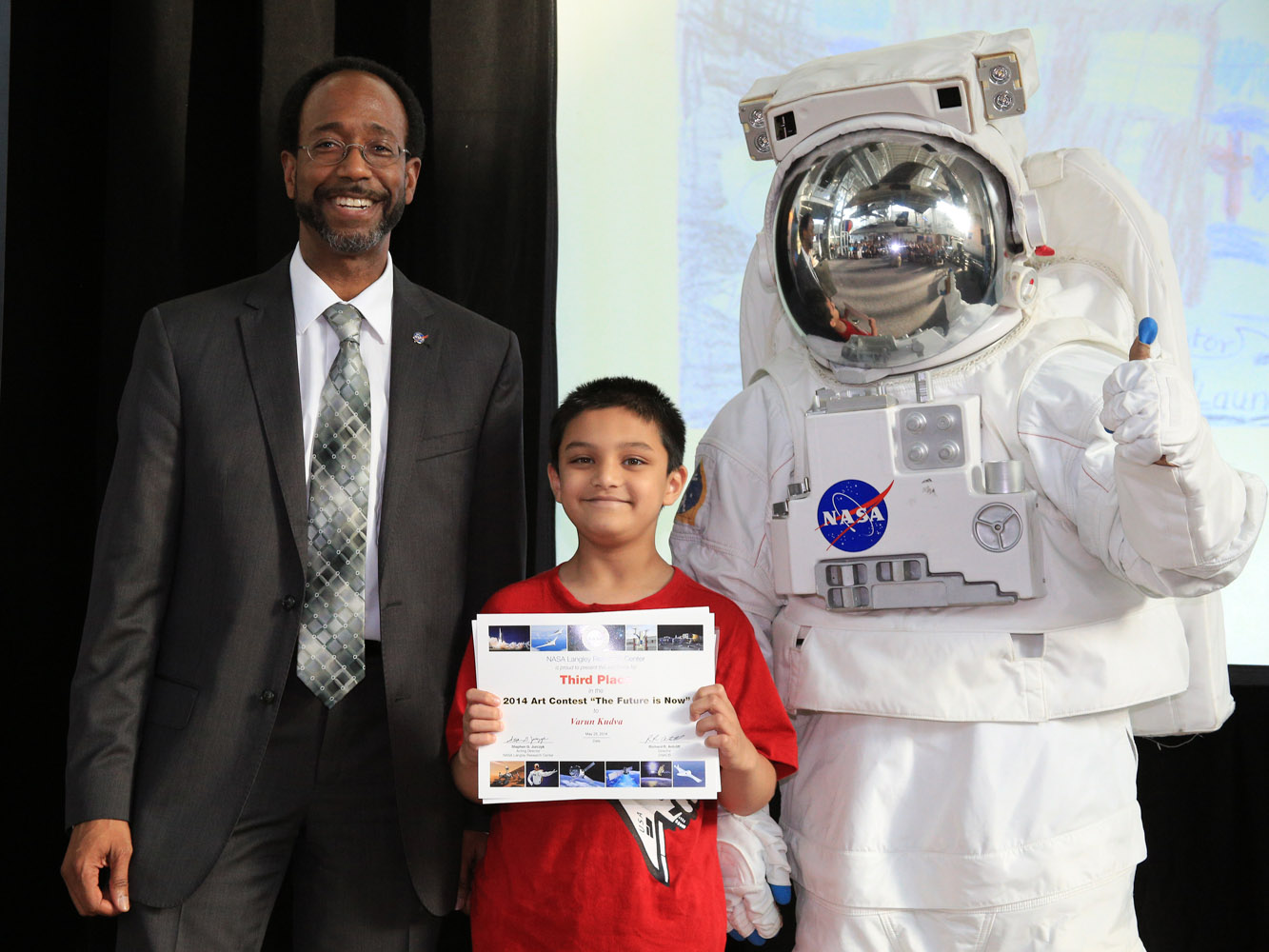
Enter competitions
You don’t have a job, right? So your time isn’t worth anything—let’s be honest. You have all the time in the world, so you can either sit around complaining about not getting paid or invest your talent in something worthwhile.
There are tons of competitions where you can showcase your creative skills as a graphic designer.
It’s also great practice to keep your skills sharp and avoid getting rusty.
It doesn’t matter if you win or lose—every defeat is a step closer to victory. Losing helps you improve; winning just boosts your ego and makes you complacent.
Never stop learning
This is fundamental for any creative: a good graphic designer never stops growing and learning. The day you stop, you start to stagnate.
And if you stagnate, the results will be disastrous—death and the supermarket aisle are waiting with open arms.

Final thoughts:
I hope these tips have been helpful. Remember:
Nothing you’ve read here guarantees absolute success—but I can guarantee failure if you don’t put them into practice.
These are the bare minimums any good graphic designer should meet if they want to get hired and paid for their work.