For our latest professional feature, we traveled to Granollers, just outside Barcelona, to meet a creative with an impressive track record. Curious?
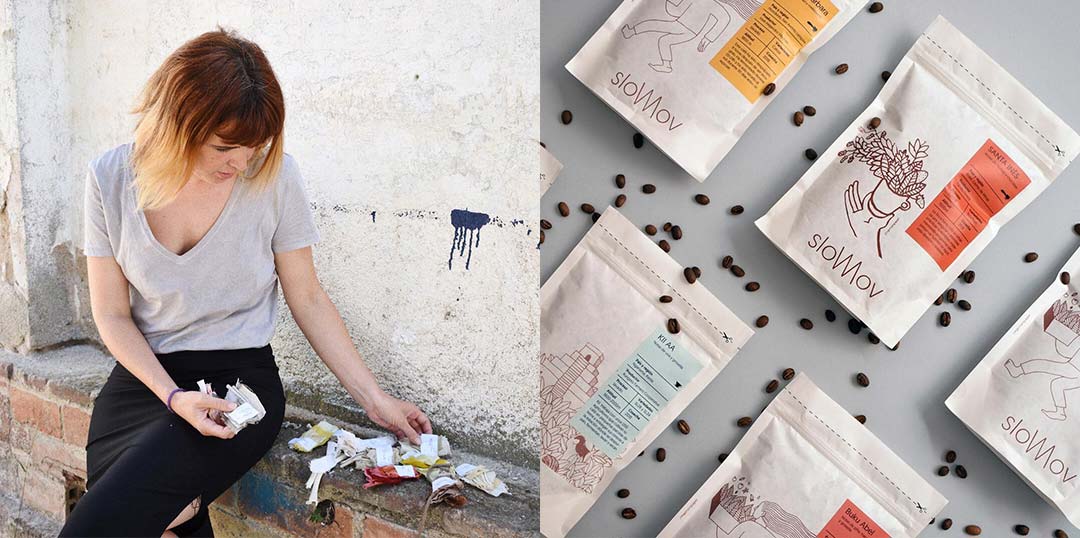
Let’s get to know Nuria Vila, a graphic designer and art director specializing in brand identity, editorial design, packaging, and visual communication. A woman deeply committed to both her craft and the environment.
Interview with Nuria Vila: A Creative with a Conscience
Code: Hi Nuria! Could you give us a bit of a flashback to your early days in graphic design so our readers can get to know you better? When did it all begin?
Núria: Hi! It all started when I spent two years living in Cuenca, and just before returning to Barcelona, I traveled to El Salvador to make a documentary for an association working with children with disabilities. That trip changed everything for me. I’ll never forget it, and I’m incredibly grateful for the experience. I grew close to many people who welcomed me into their homes and lives.
When I arrived, the atmosphere was tense. The war had ended recently, and I heard so many tough stories—realities that were stranger than fiction—while I was there with my own first-world problems. That was a turning point.
When I got back to Barcelona, I continued working remotely for Mateo&Co, which is based in Madrid. I also started a postgraduate program in art direction, which was fascinating, but I needed time to process everything I’d experienced.
I started feeling uncomfortable with everything—this consumerist society, and my own role in it, helping brands (many of which I didn’t even believe in) sell more and more. That’s why I decided to quit my job and see what I could do that would feel right for me. I went freelance and started working for family and friends.
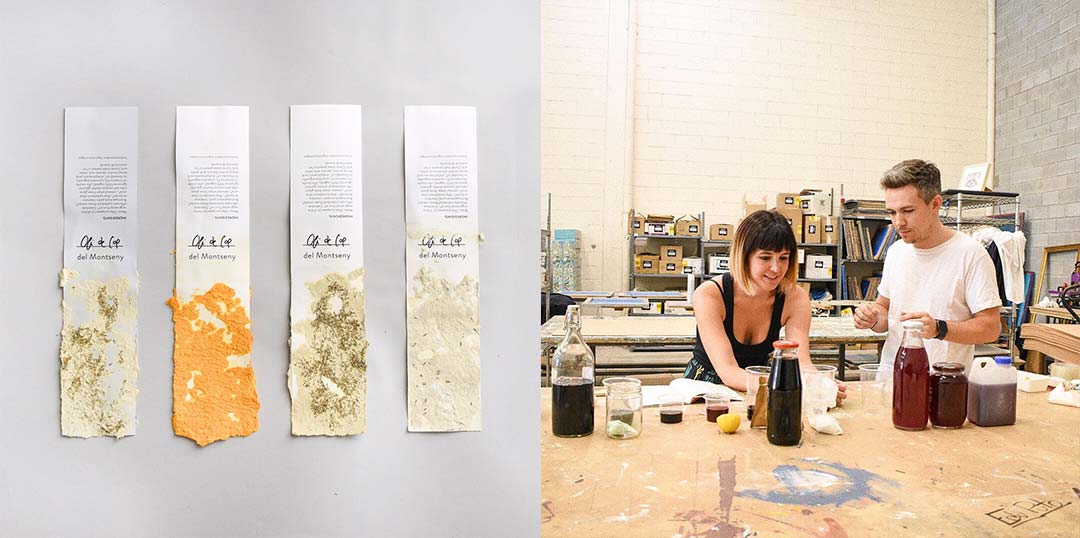
As it happened, almost all of them were involved in (organic) agriculture, sustainability… and that’s when I began exploring how I could make my designs more sustainable.
Code: We were really struck by your commitment to the environment and how your projects are so closely tied to this philosophy. Can you tell us more about that decision?
Núria: As I mentioned, when I left my job and started freelancing, I began working with people close to me, and everything was connected to sustainability and organic farming.
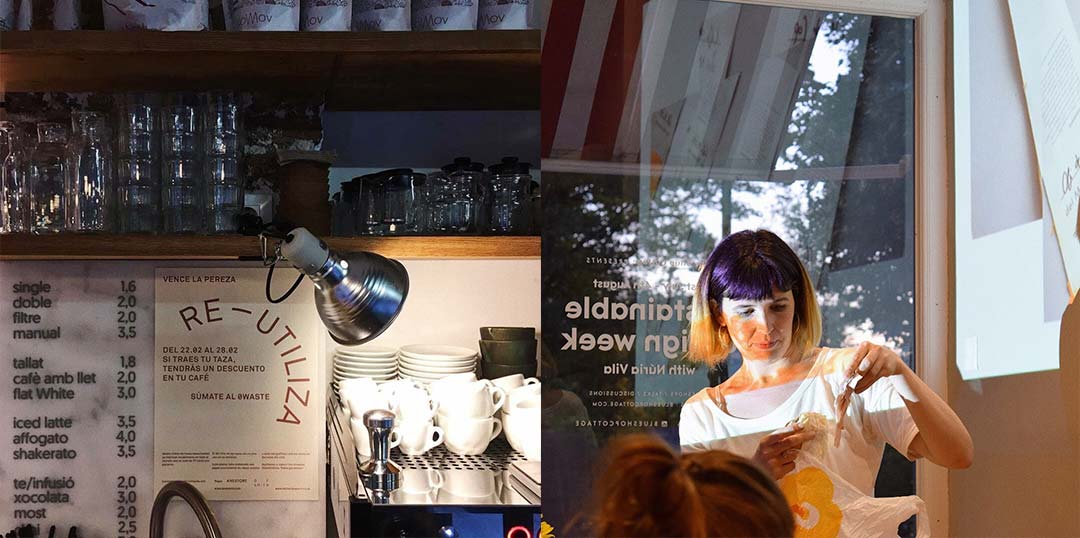
In every brief, clients would say they wanted to communicate an eco-friendly message. So I started looking for ways to do that—not just by using kraft paper, green colors, or drawing leaves, but by actually making the pieces I designed more sustainable. I researched materials and educated myself on the subject.
Code: We loved your L’Encant project. Could you tell us a bit about your inspiration for it?
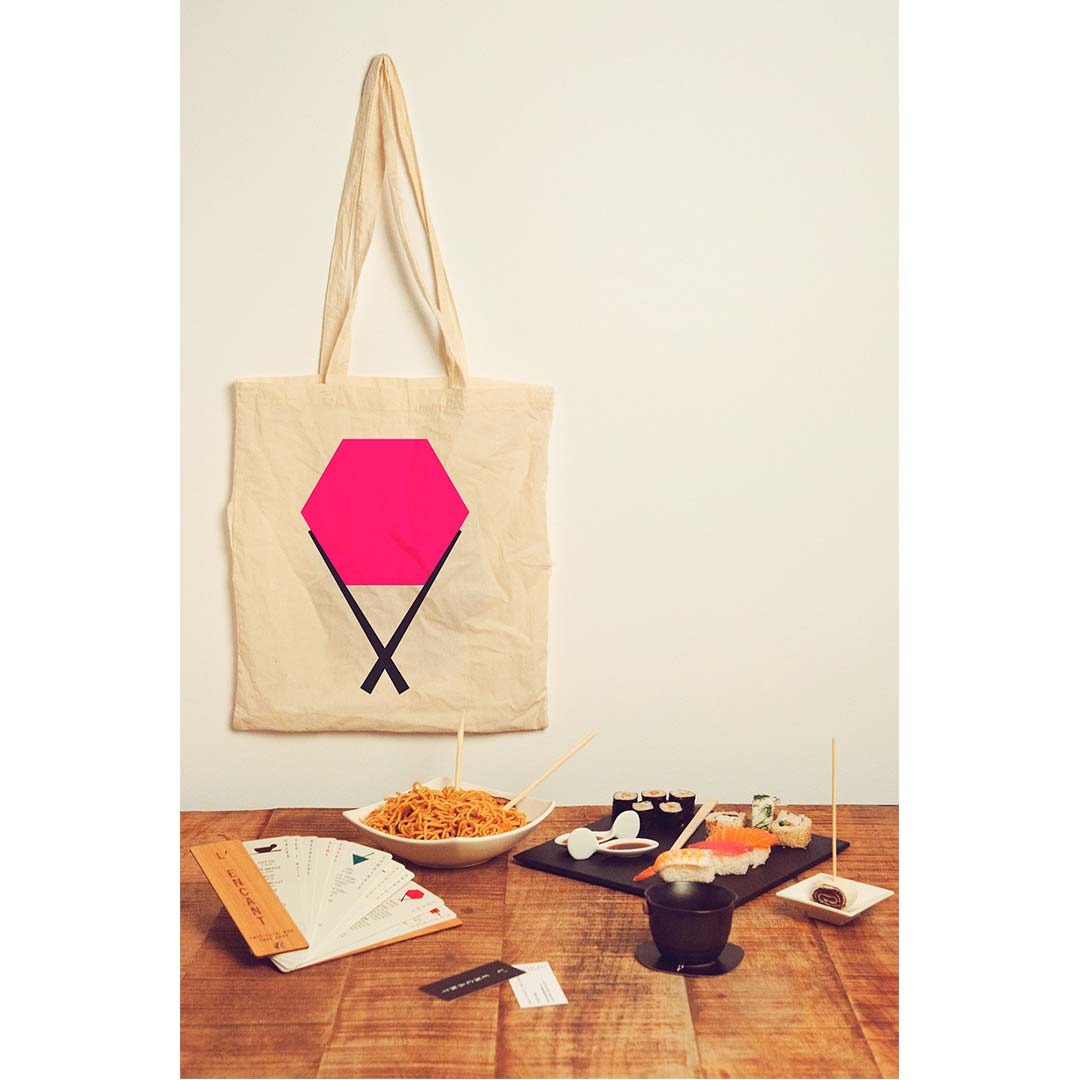
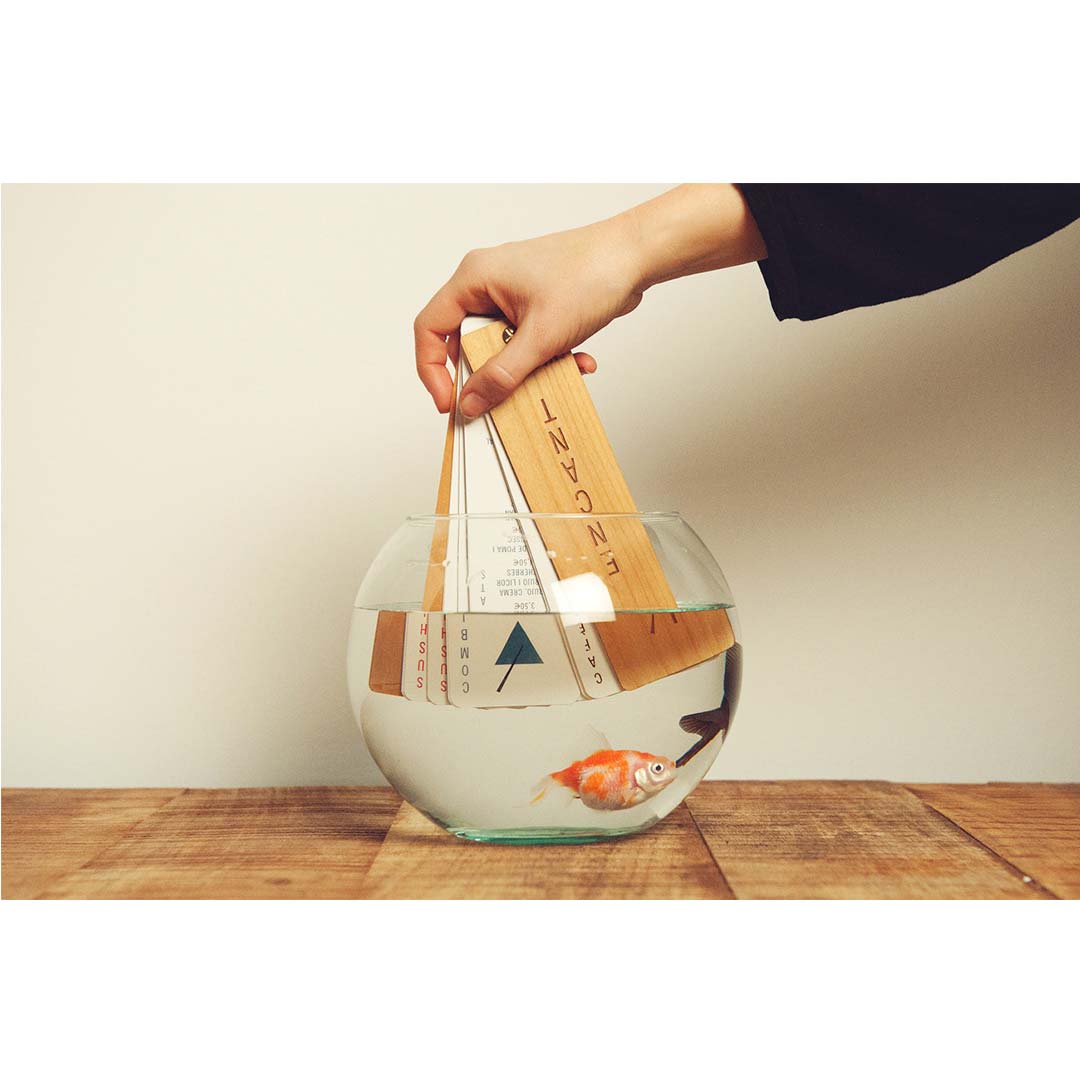
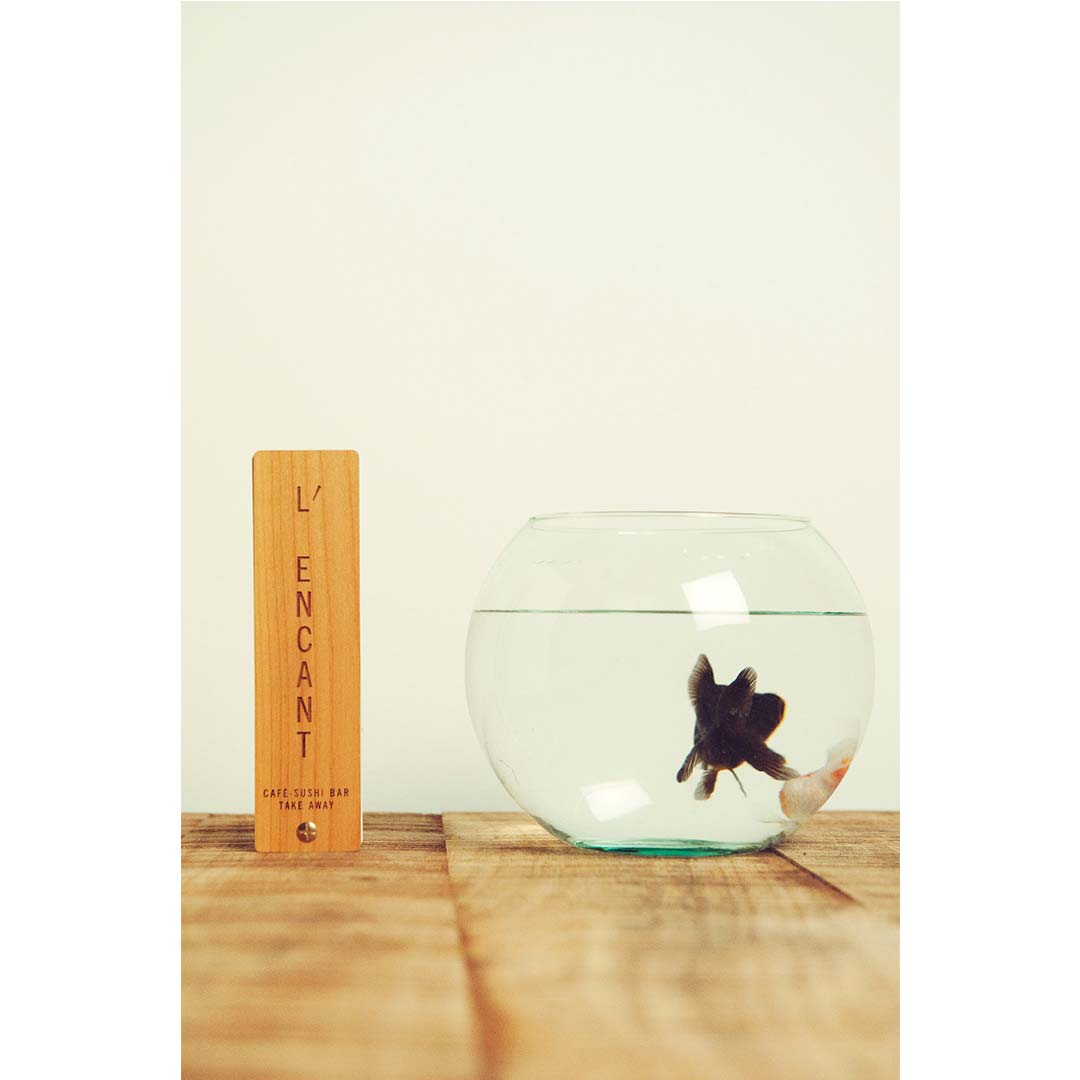
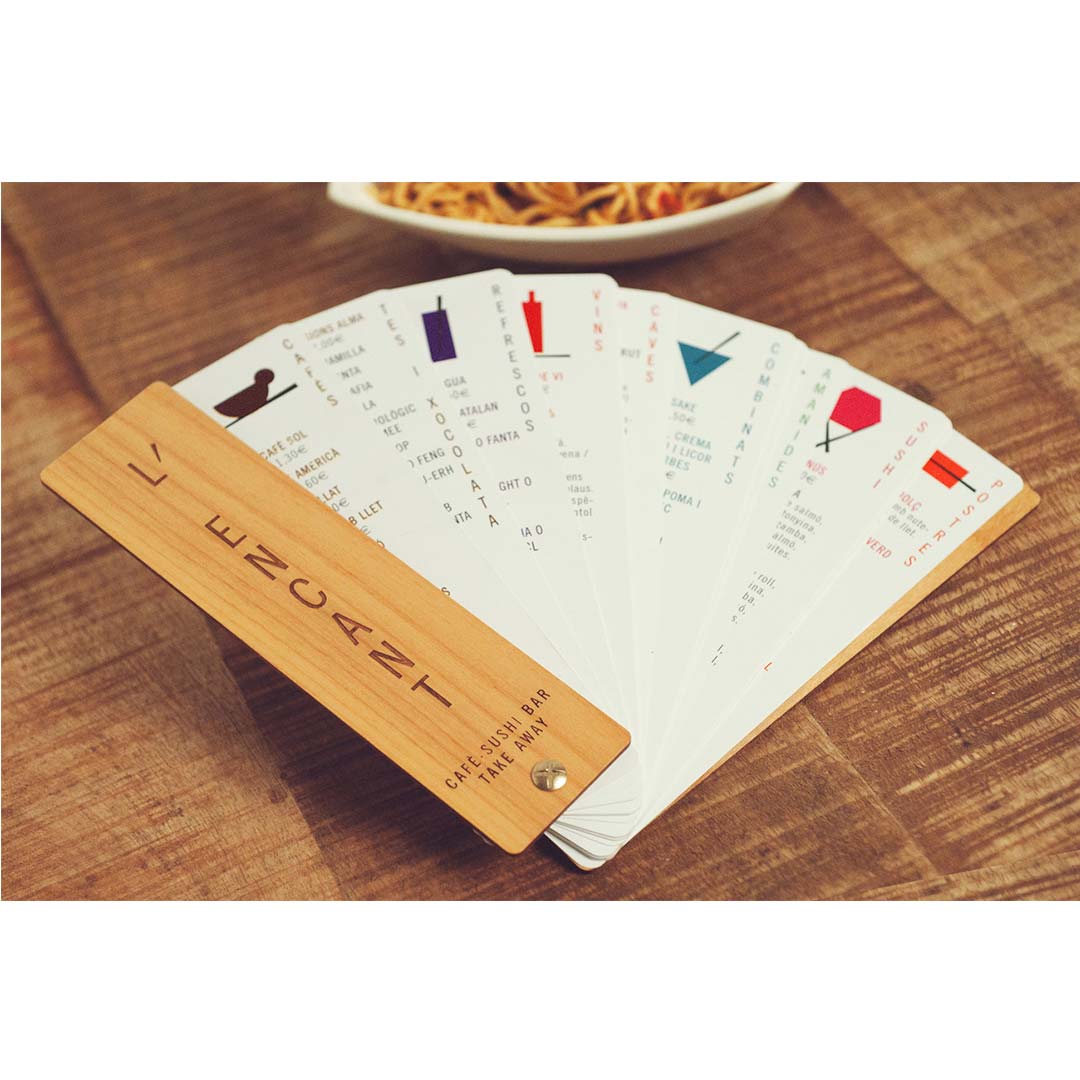
Núria: L’Encant was a bar/restaurant that blended Catalan and Japanese cuisine, so I looked for a common thread. In this case, the name uses an apostrophe, which represented a stick. For the Japanese, it’s the chopsticks used for eating; for us, it’s the skewer or toothpick for tapas. From there, we developed a graphic system that combined the stick with geometric shapes. Another shared element was the fan, which inspired the menu design—it opens like a fan and can be easily taken apart to update menu pages and prices. Since the bar focused mainly on its outdoor terrace, I used stone paper.
Code: What about the materials you used?
Núria: Stone paper is “cradle to cradle” certified, meaning it’s made without cellulose or water. It’s produced from stone (from ruins) mixed with a binder. This makes the material durable, waterproof, easy to clean, and hard to tear—much better than laminated paper (since once you laminate, it can’t be recycled). The covers were made from engraved wood.
Code: The result is stunning. Is there anything in particular you’d like to highlight about the project?
Núria: It’s a project I did back in 2011, and to this day I still get emails from people all over the world asking about it.
Code: Before we wrap up, we have a quick round of three questions we always ask fellow creatives.
Code: What’s the best thing about being a designer?
Núria: It’s never routine. Every project is different and pushes you to find new solutions.
You’re always learning about new topics.
Code: And the worst?
Núria: The worst part of freelancing is the financial instability. You have to do everything yourself, so right now I’m trying to find a way to enjoy budgets and invoices as much as designing—but honestly, I still think it’s the worst part! Haha.
Code: How do you see the state of the industry?
Núria: I think there are some fantastic designers and studios out there, and clients are becoming more aware and willing to trust the designer.
The key is the client relationship. There’s still a long way to go, but we’re moving in the right direction.
When it comes to reducing environmental impact, we’re still lagging behind. Companies need to commit to minimizing their footprint, and designers have to help them do it. There’s a lack of training and awareness. It’s improving, but time is running out, so I think we need to find and implement solutions now—because we only have one planet, and we’re destroying it.
Code: We wrap up this feature by wishing Núria continued professional success and inviting all our readers to discover more about her work online.
www.nuriavila.net
www.instagram.com/nu_vila
L’Encant Project
You might also enjoy our interview with… (let’s spin the wheel!)