Burberry has taken the fashion world by surprise with a bold new brand identity that breaks away from the minimalist, sans-serif trend dominating recent years, unveiling the new Burberry logo.
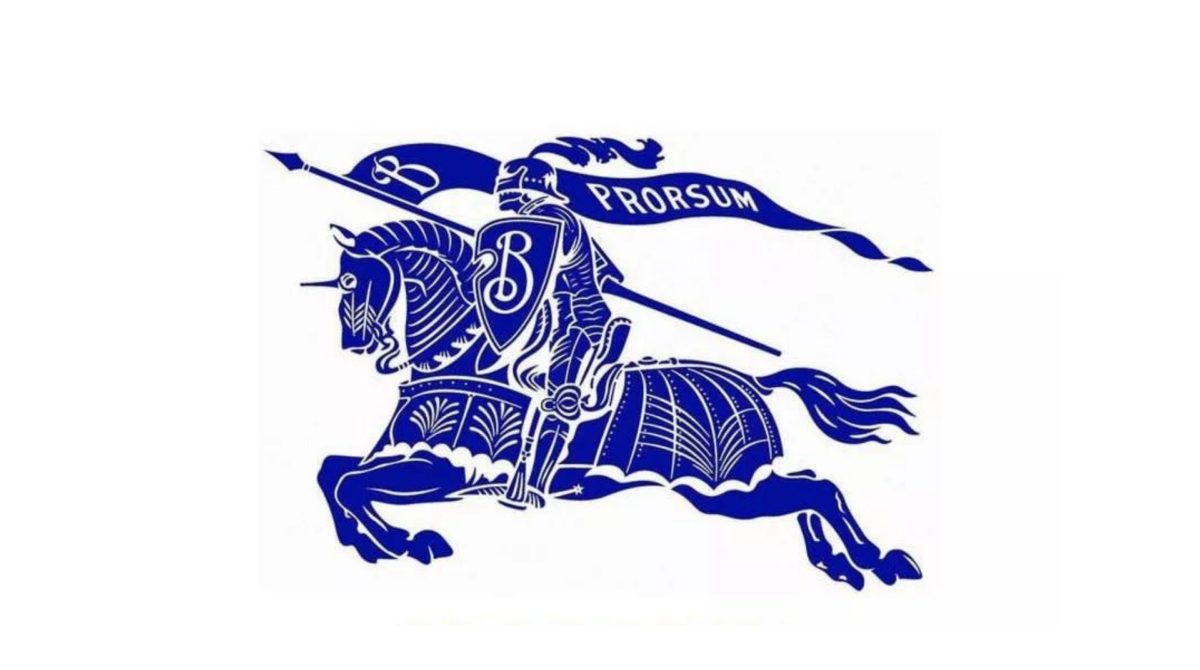
The iconic British fashion house has chosen to return to its roots, drawing inspiration from its archives and reviving its 1901 Equestrian Knight Design (EKD) as the centerpiece of its new visual identity.
This shift comes after Daniel Lee was appointed as Burberry’s new creative director, signaling a possible rethink of the principles behind modern luxury branding. In this article, we explore the brand’s daring decision and what it could mean for the future of logo design in fashion and beyond.
The new Burberry logo signals a shift in the direction of modern luxury design
Burberry has made waves in the fashion world with a rebrand that defies the minimalist, sans-serif look that has dominated the market in recent years. The brand has returned to its heritage with a new design inspired by its archives, featuring a serif typeface and the reappearance of the iconic 1901 Equestrian Knight Design (EKD).
The new logo has been warmly received by fans who had grown weary of the sanitized, uniform look of fashion logos that made every brand appear the same. Burberry has taken a bolder approach, introducing subtle flourishes in its typography that stand out against the flat, digital design trend.
The logo change coincides with the arrival of Daniel Lee as the brand’s new creative director, who has launched his first campaign featuring a group of ambassadors and the new logo. The brand has chosen to move away from the minimalist aesthetic that has defined luxury fashion in recent years, embracing a more intricate and detailed design.
Burberry’s previous logo—a minimalist, sans-serif design by renowned British designer Peter Saville—was introduced just four years ago. However, the brand’s new direction suggests a fundamental shift in the approach to modern luxury branding. While most brands opted for simple, clean designs, Burberry has broken from the pack and returned to its origins.
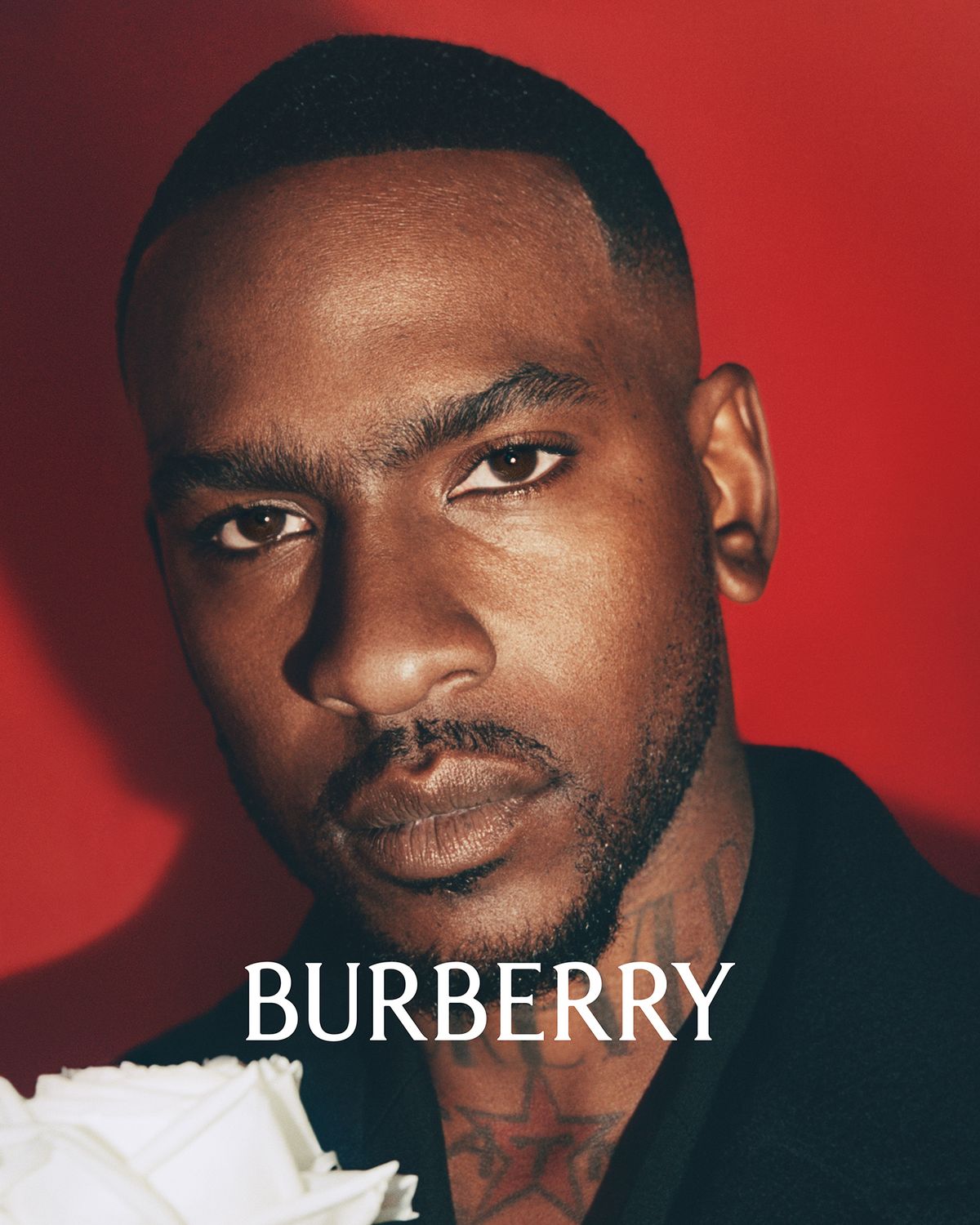
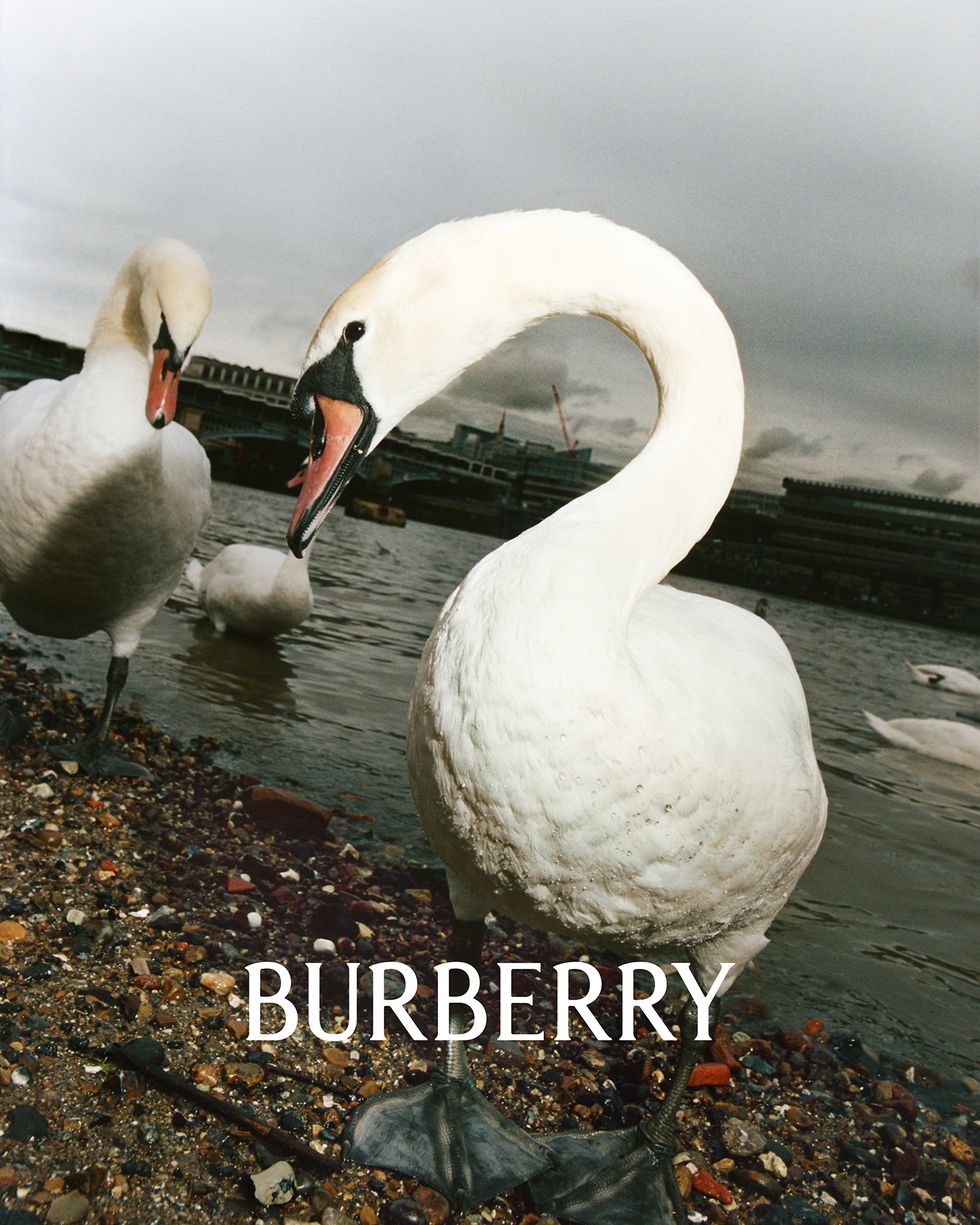
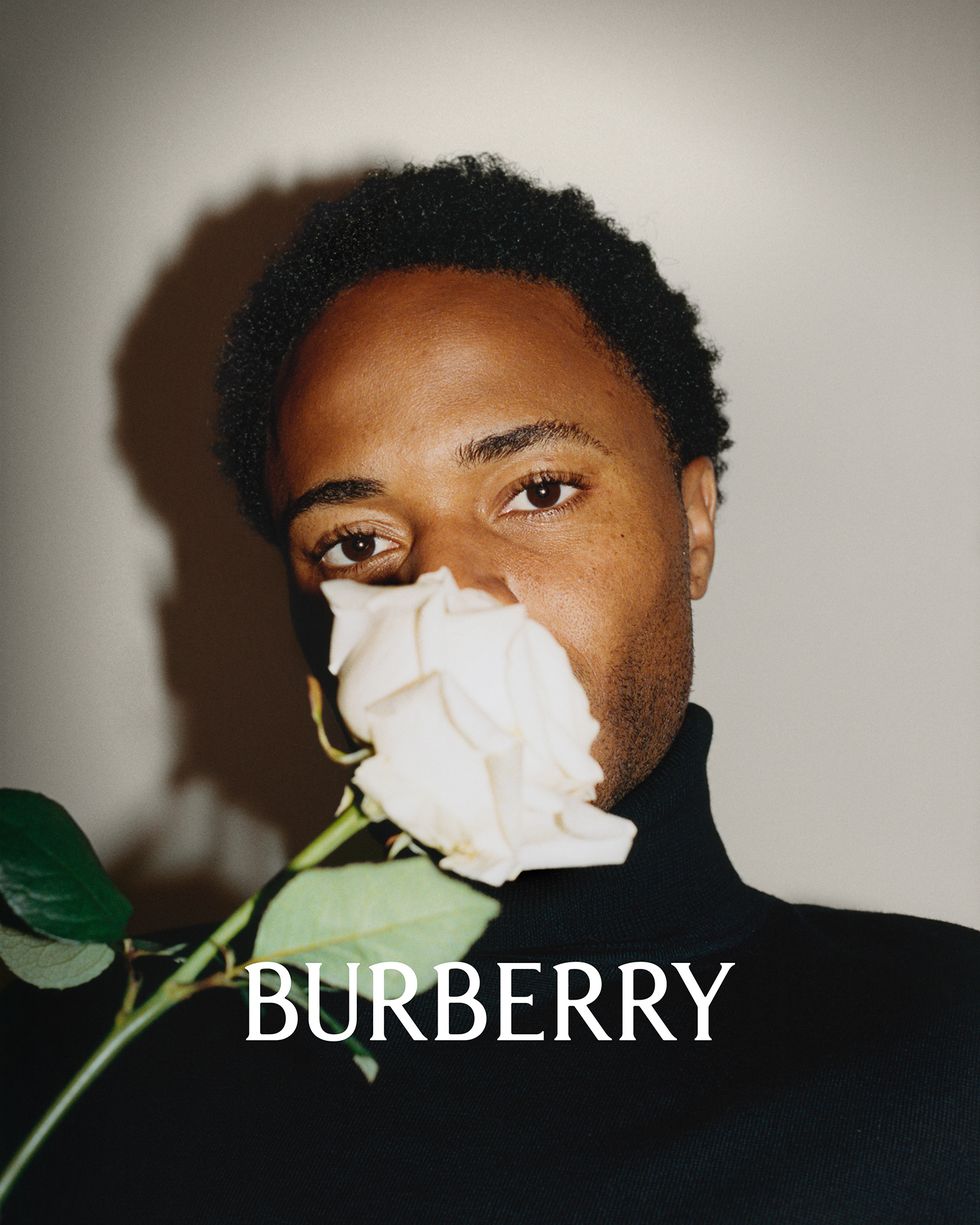
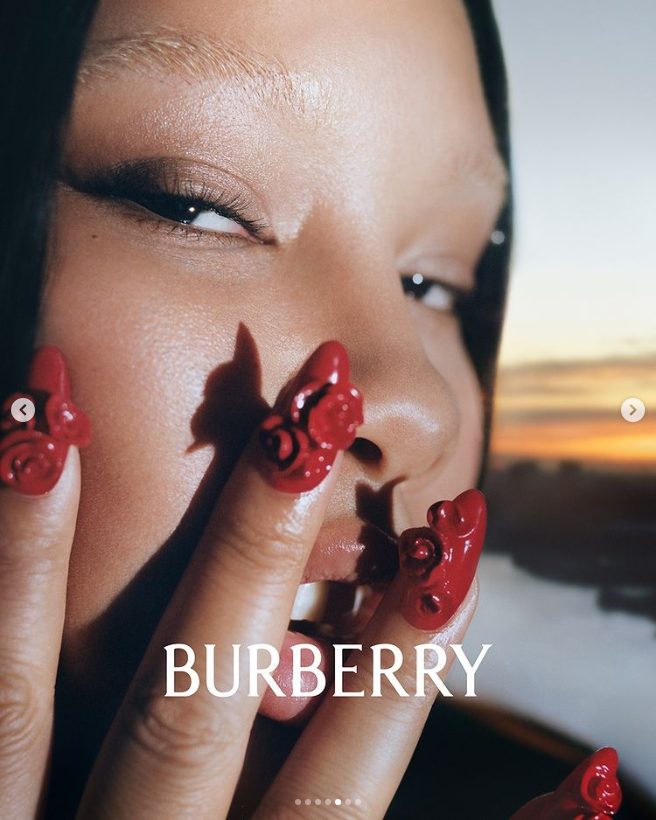
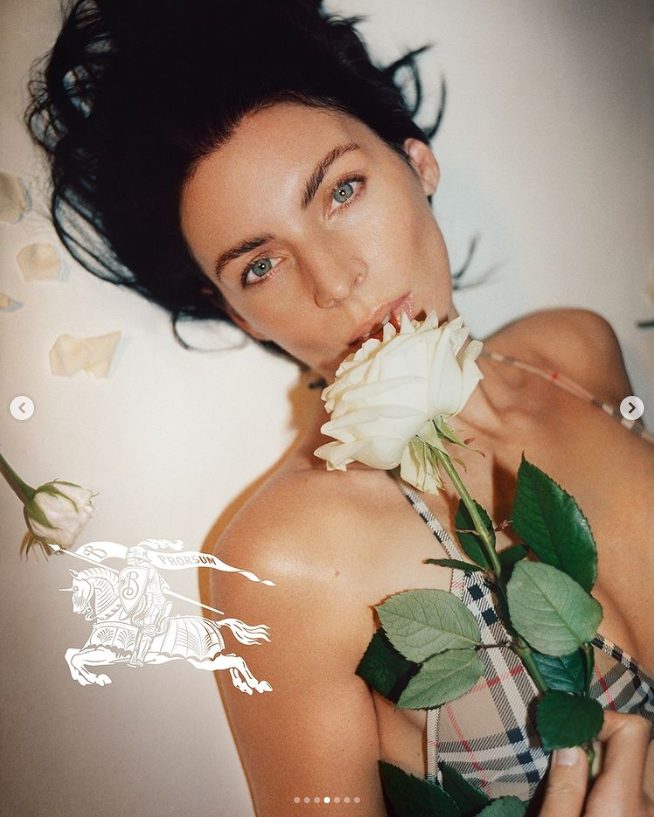
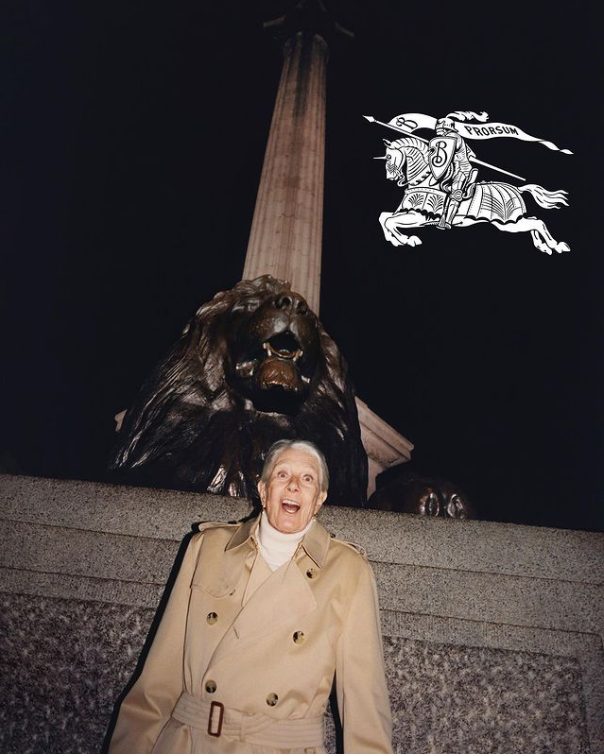
The new logo suggests the brand is seeking a complete renewal—not just in its image, but also in its clothing designs. The campaign, shot in London by British photographer Tyrone Lebon, features a host of local stars including Vanessa Redgrave, Raheem Sterling, and Lennon Gallagher. Overall, the brand appears to be striving for a deeper connection with its British heritage.
Conclusions
In summary, Burberry’s rebrand marks a new direction for the brand, breaking away from the minimalist trend of recent years in favor of a more ornate and detailed design. This new approach points to a comprehensive renewal, and it’s expected that luxury fashion as a whole may follow suit, moving away from the minimalist style that has dominated the market.
Ultimately, Burberry’s rebrand is a clear example of how some brands are moving away from minimalist, sans-serif logo design. By reintroducing its iconic Equestrian Knight Design and adopting a serifed typeface with subtle flourishes, Burberry strikes a balance between heritage and a fresh, modern image. This could signal a return to more decorative, detailed logos in luxury branding—potentially ushering in a new era of design.