A project where culture, architecture, and graphic design come together to transform spatial experience
Graphic design does more than communicate—it can redefine how we experience a space. This week, we spotlight the Hiwa Recreation Centre, created for Waipapa Taumata Rau – University of Auckland by MJMA Architecture & Design in collaboration with Warren and Mahoney. Winner of a D&AD Wood Pencil 2025 in the Graphic Design category, Hiwa stands as an outstanding example of how graphic design can engage with architecture, culture, and identity to create a space rich in meaning.
For a communications agency specializing in graphic design, branding, and web design in Barcelona like ours, Hiwa is an inspiring case study: a project where the visual system goes beyond decoration or signage, acting instead as a cultural bridge, sensory guide, and symbolic driver within a university recreation building.

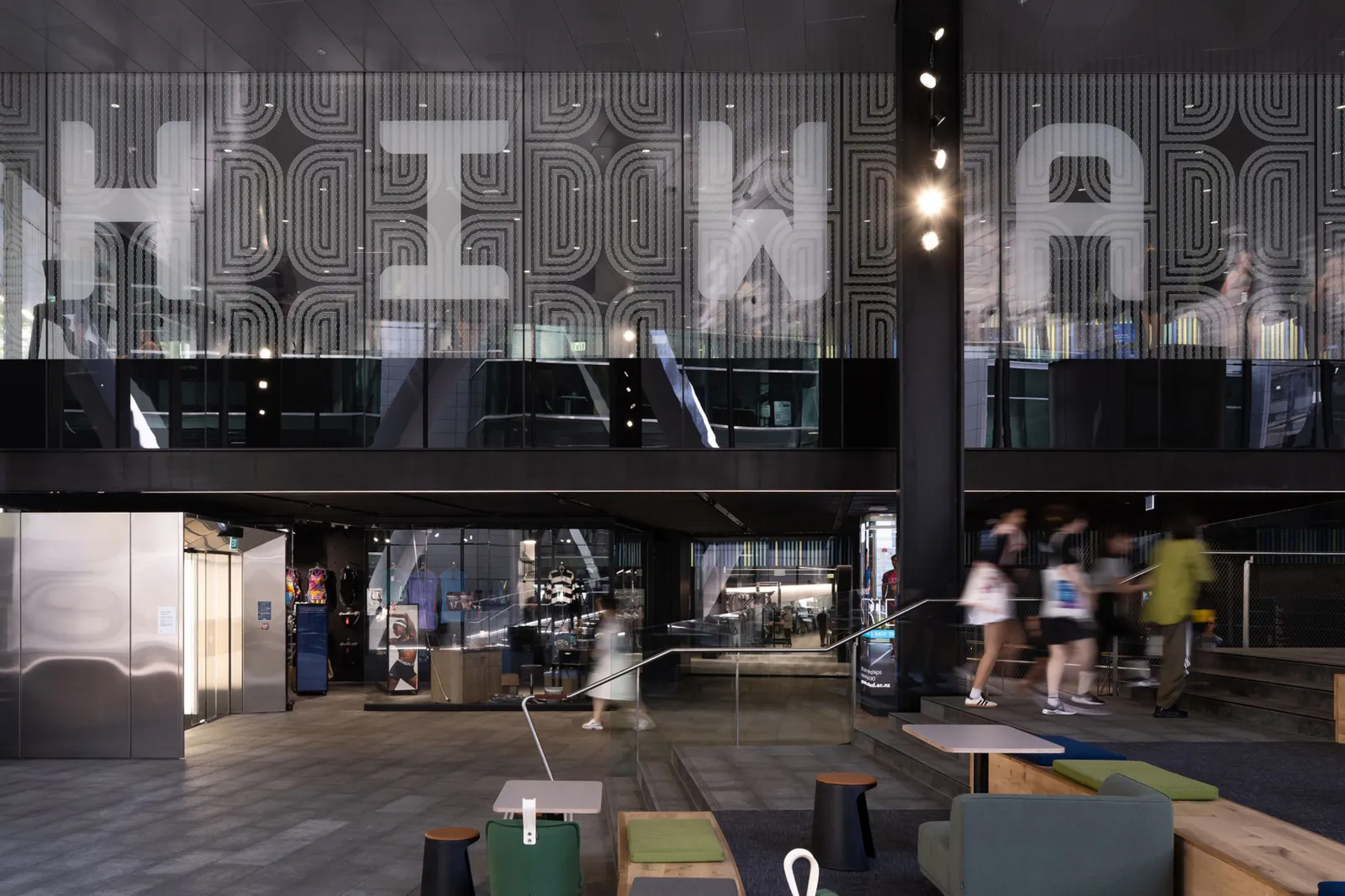
Hiwa: “A world within a world”
The core concept of the project is as powerful as it is poetic: Hiwa is a world within a world. It’s a space where movement, ritual, and community intertwine to create an environment of holistic wellbeing—physical, mental, and social.
The centre’s architecture—transparent, dynamic, and open—is complemented by a graphic and cultural strategy rooted in whakaaro Māori, where whakapapa (genealogy, origin) shapes how people orient themselves, move, and connect with the place.
Far from being a mere decorative overlay, the graphic intervention gives the building a profound identity, anchoring the experience in ancestral values and narratives.
A cultural identity that shapes the building
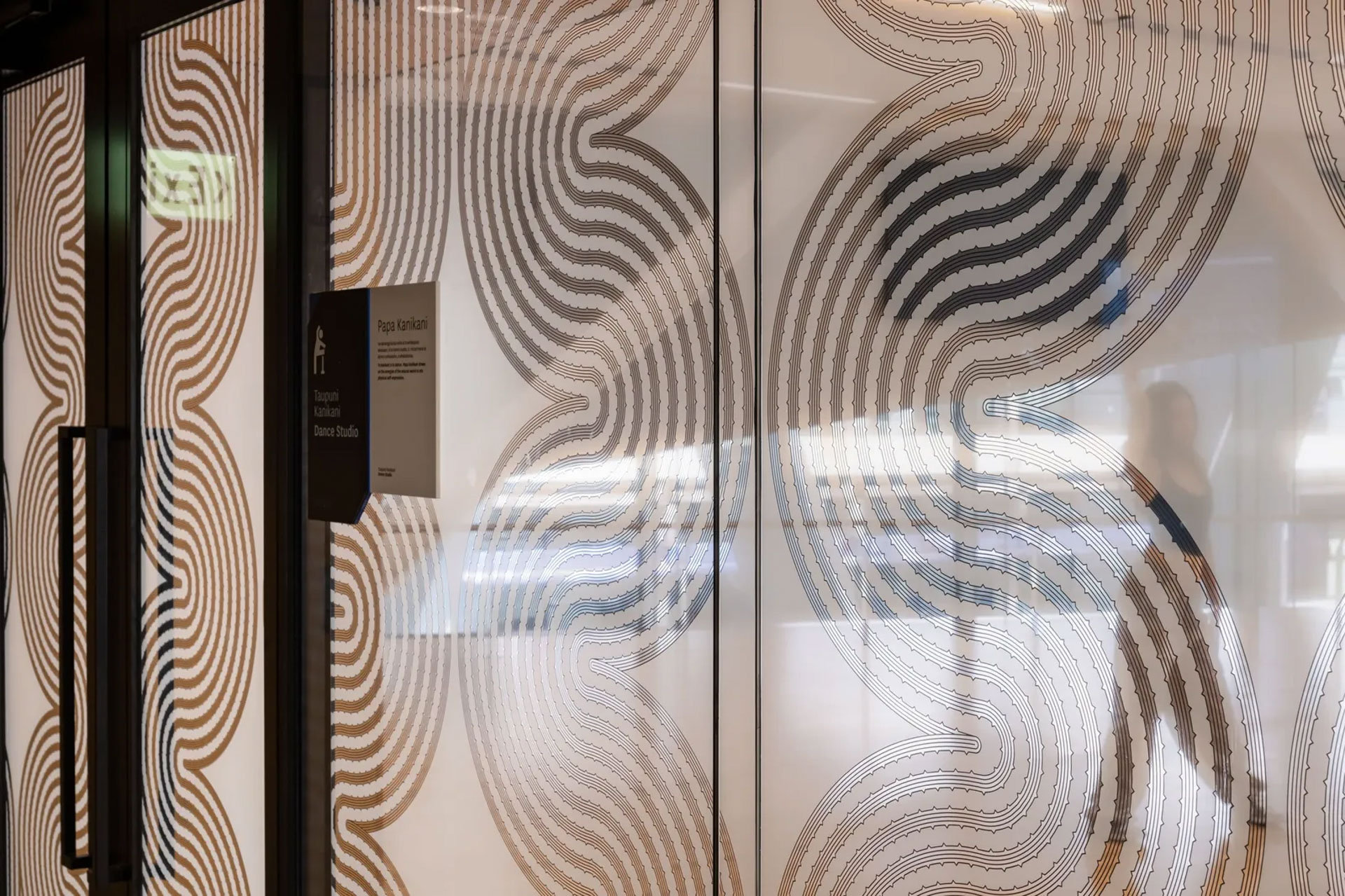
The project’s central question was: How can culture shape a contemporary recreational space? To answer it, the team developed a cultural overlay that weaves in patterns, forms, and spatial logic inspired by Māori Mana Whenua.
This approach transforms the recreation centre into a living space, where identity is not simply layered on top of the architecture, but is embedded within its very structure.
Key elements include:
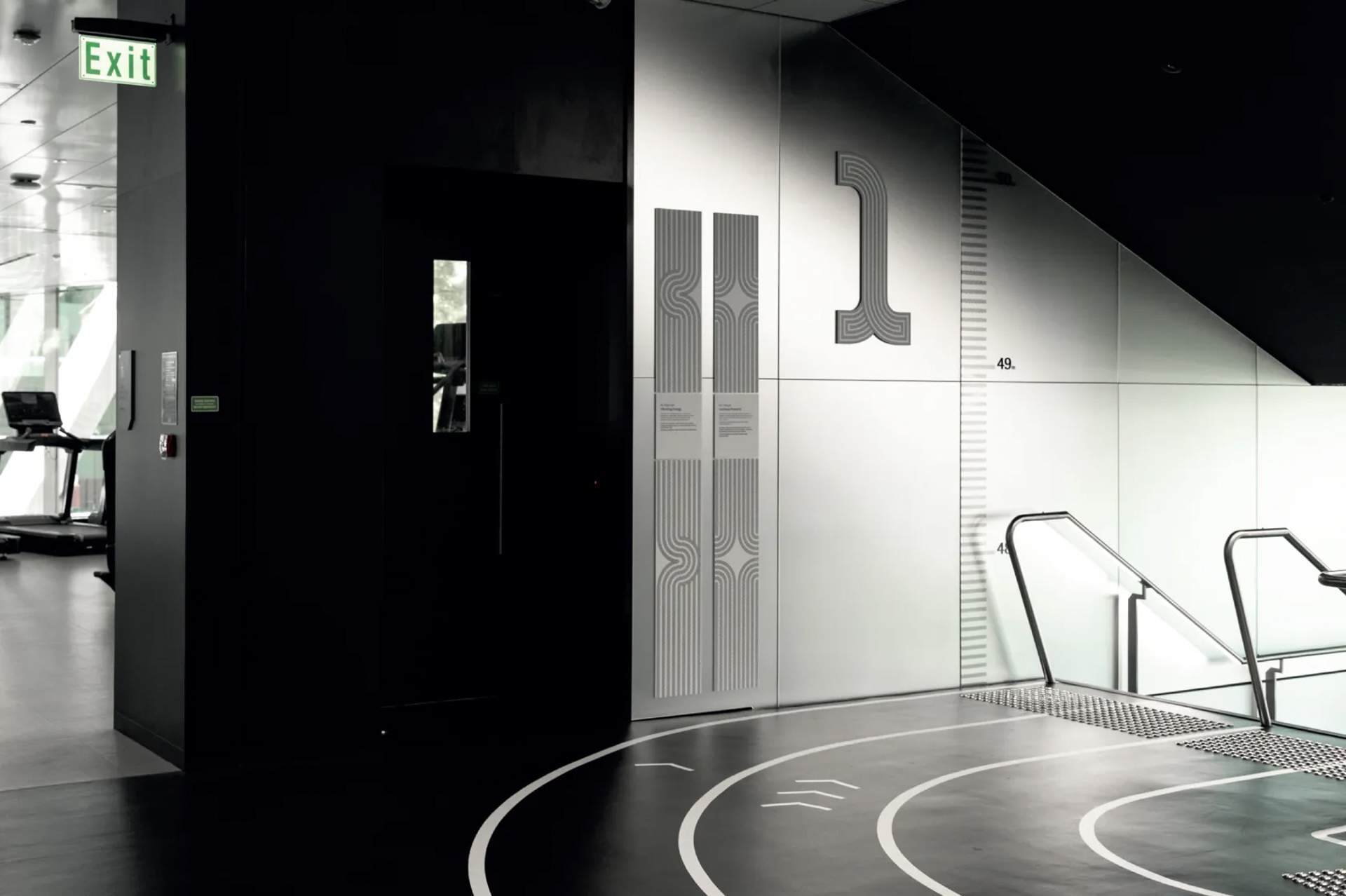
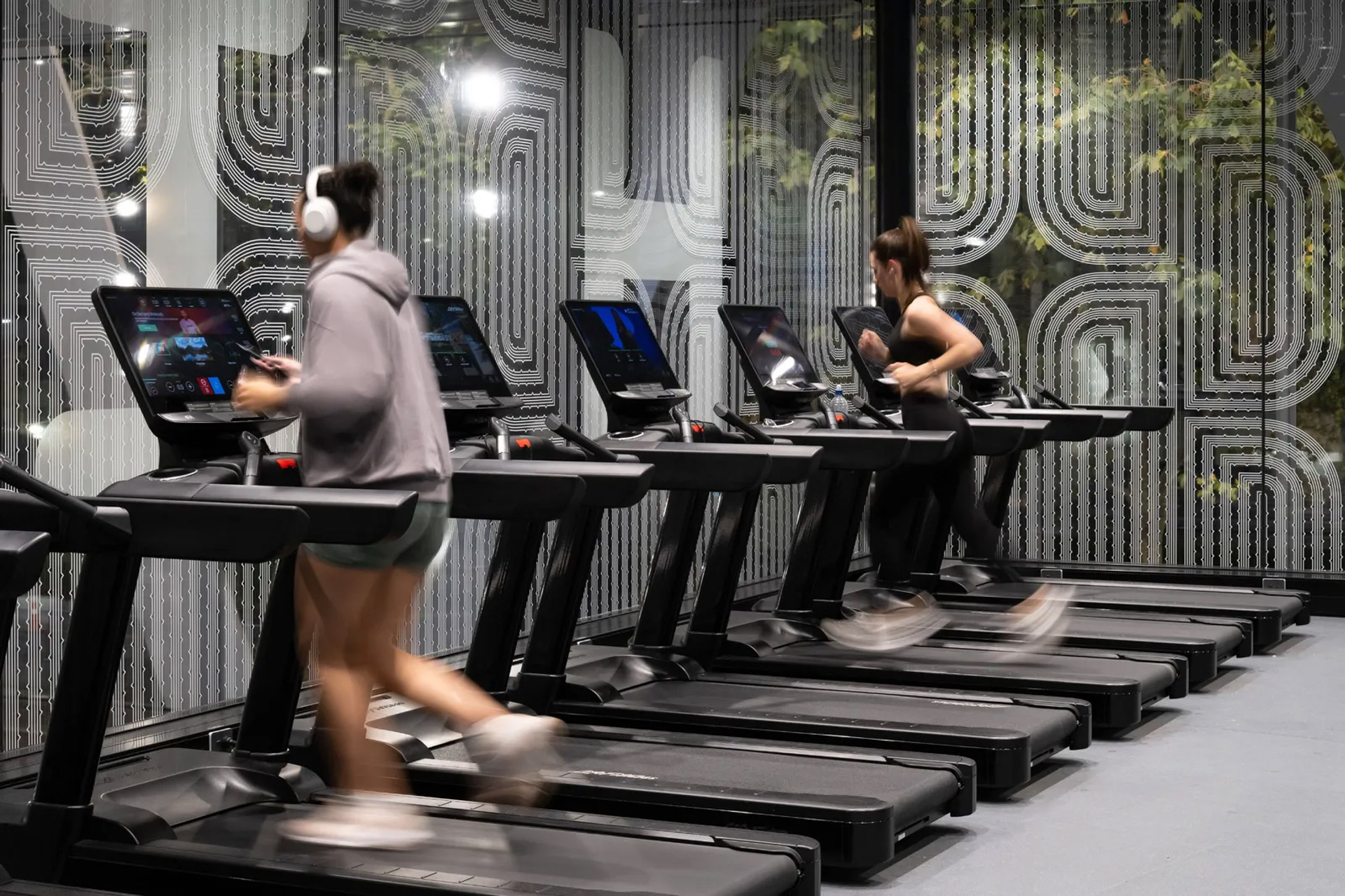
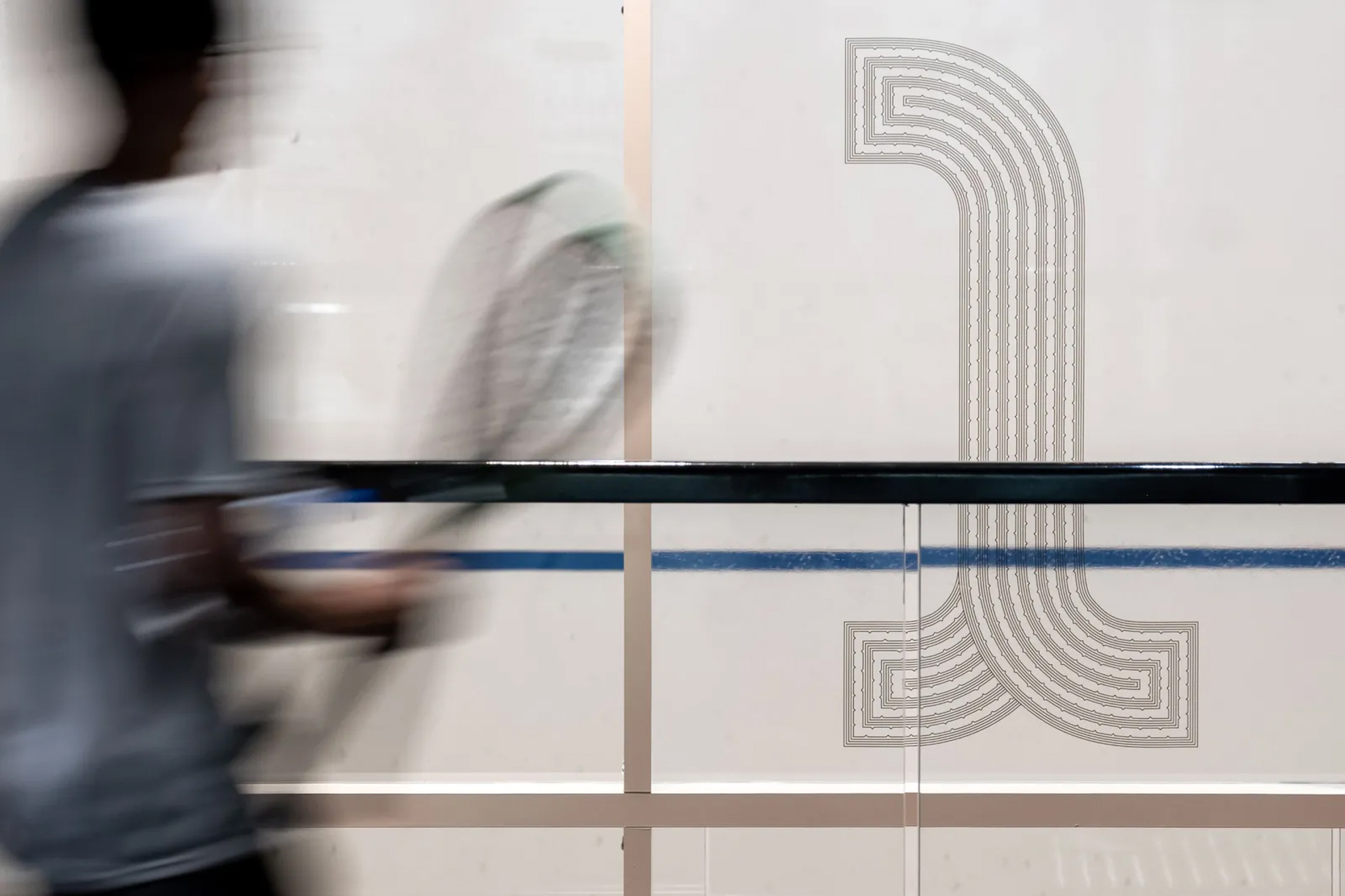
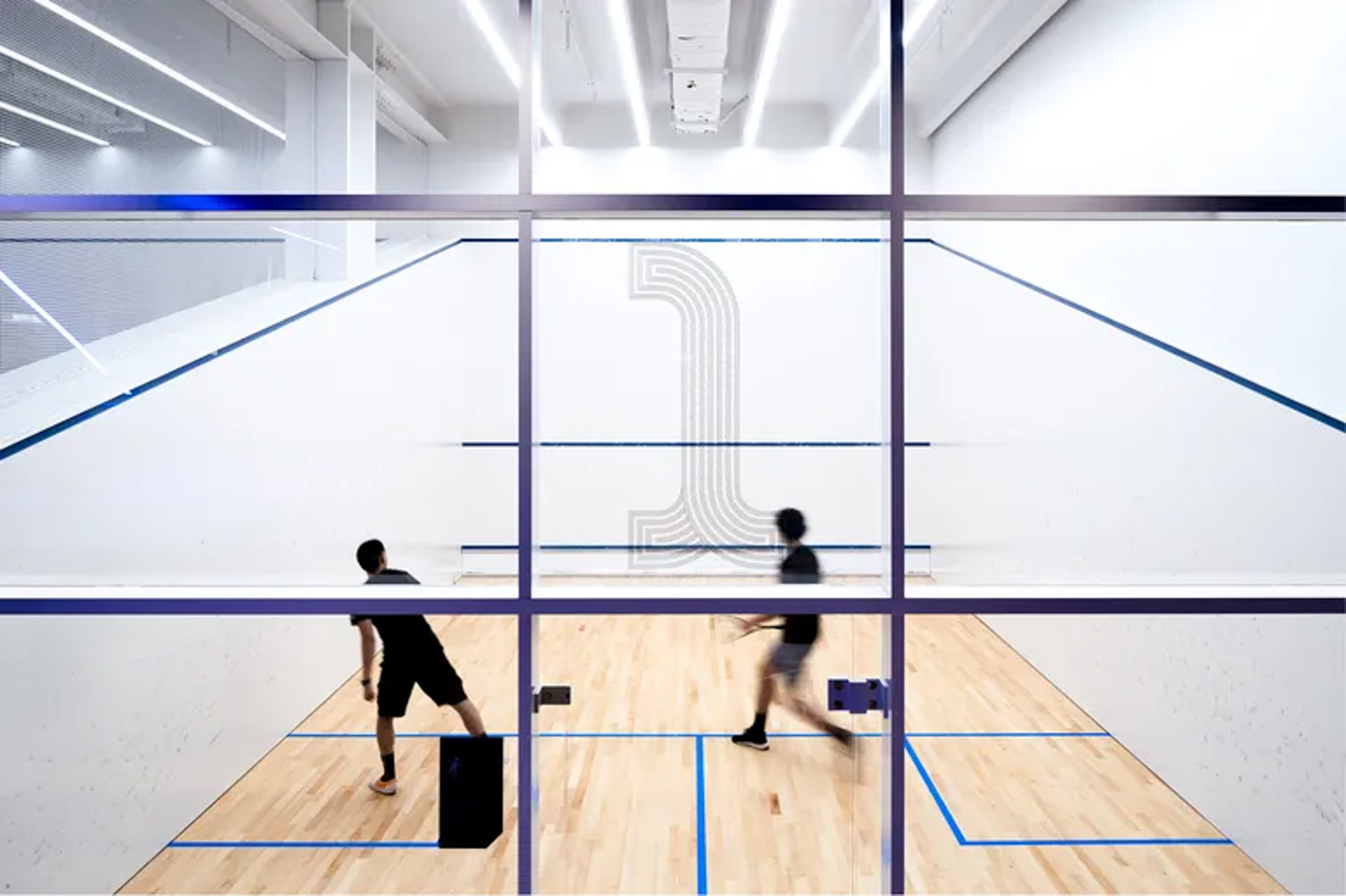
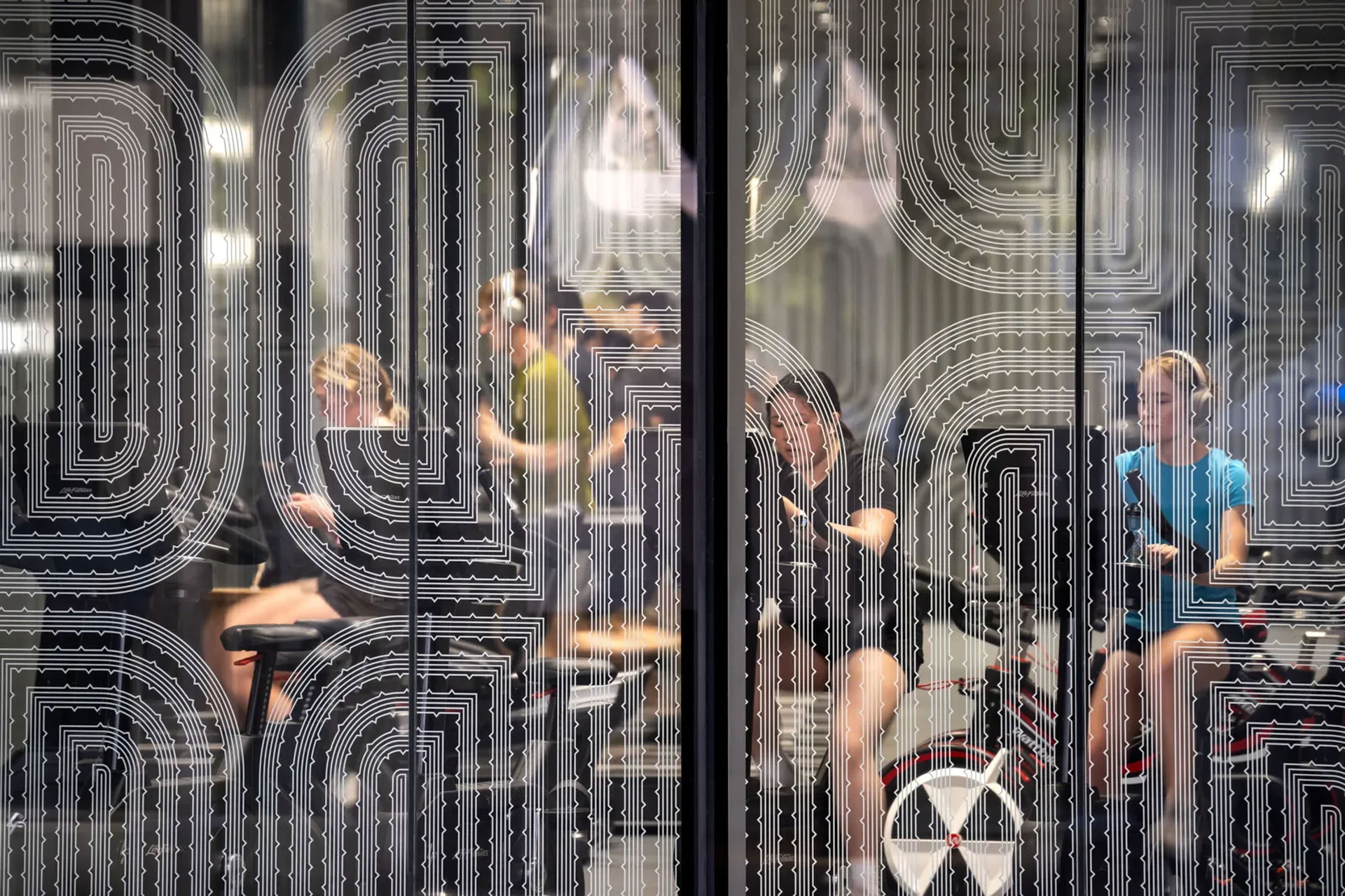
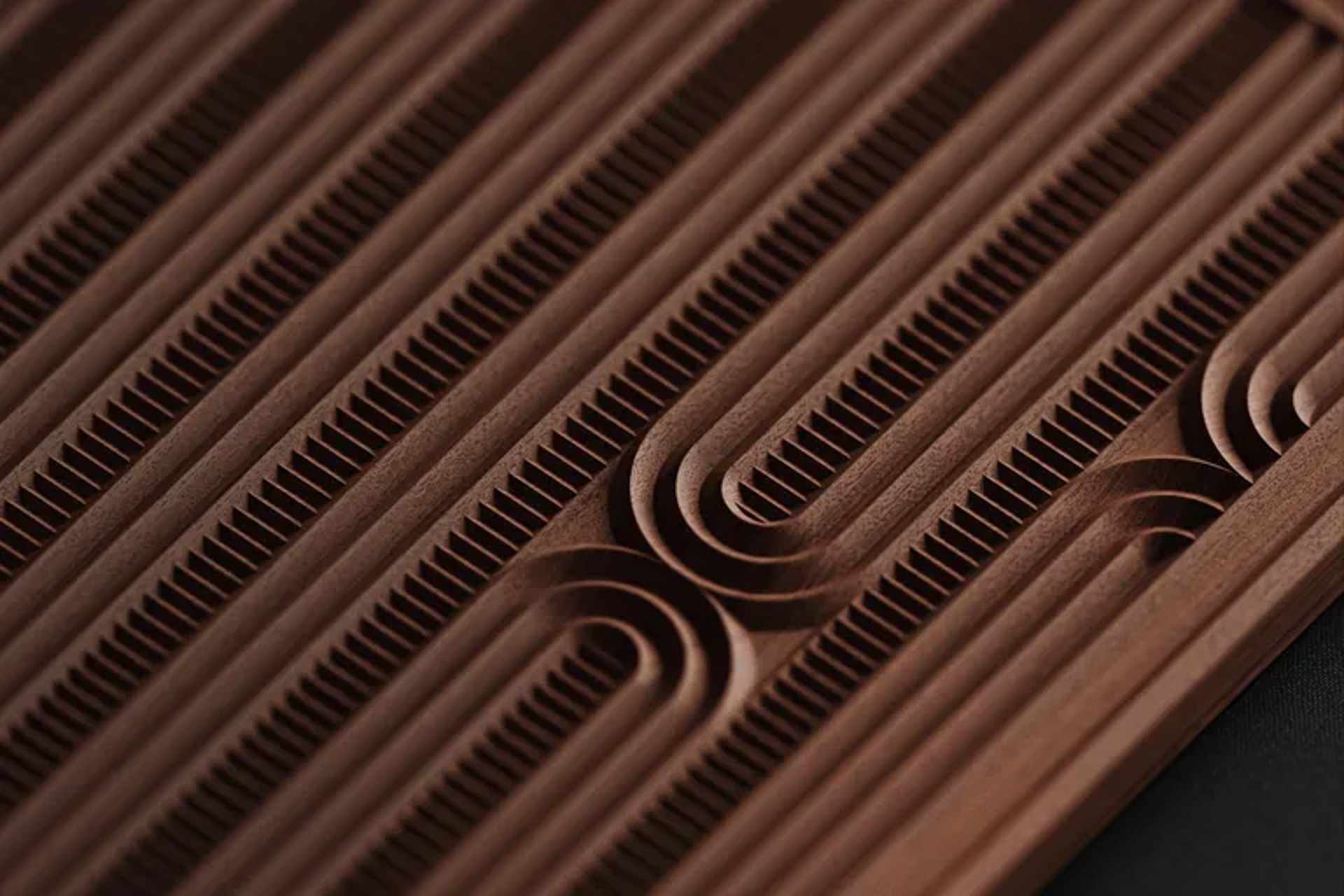
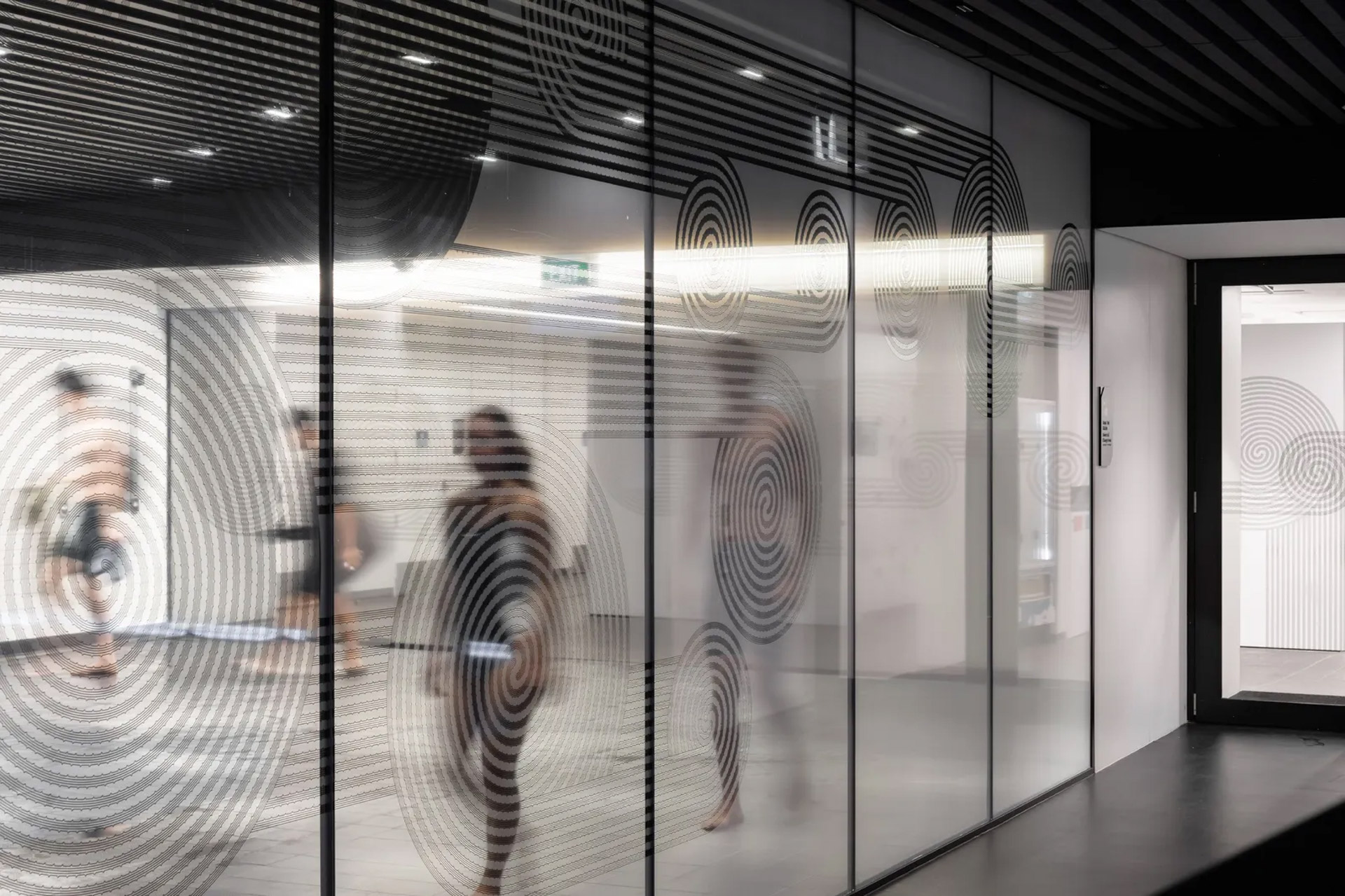
- Graphic patterns inspired by traditional tukutuku, reimagined for pathways and programmatic zones.
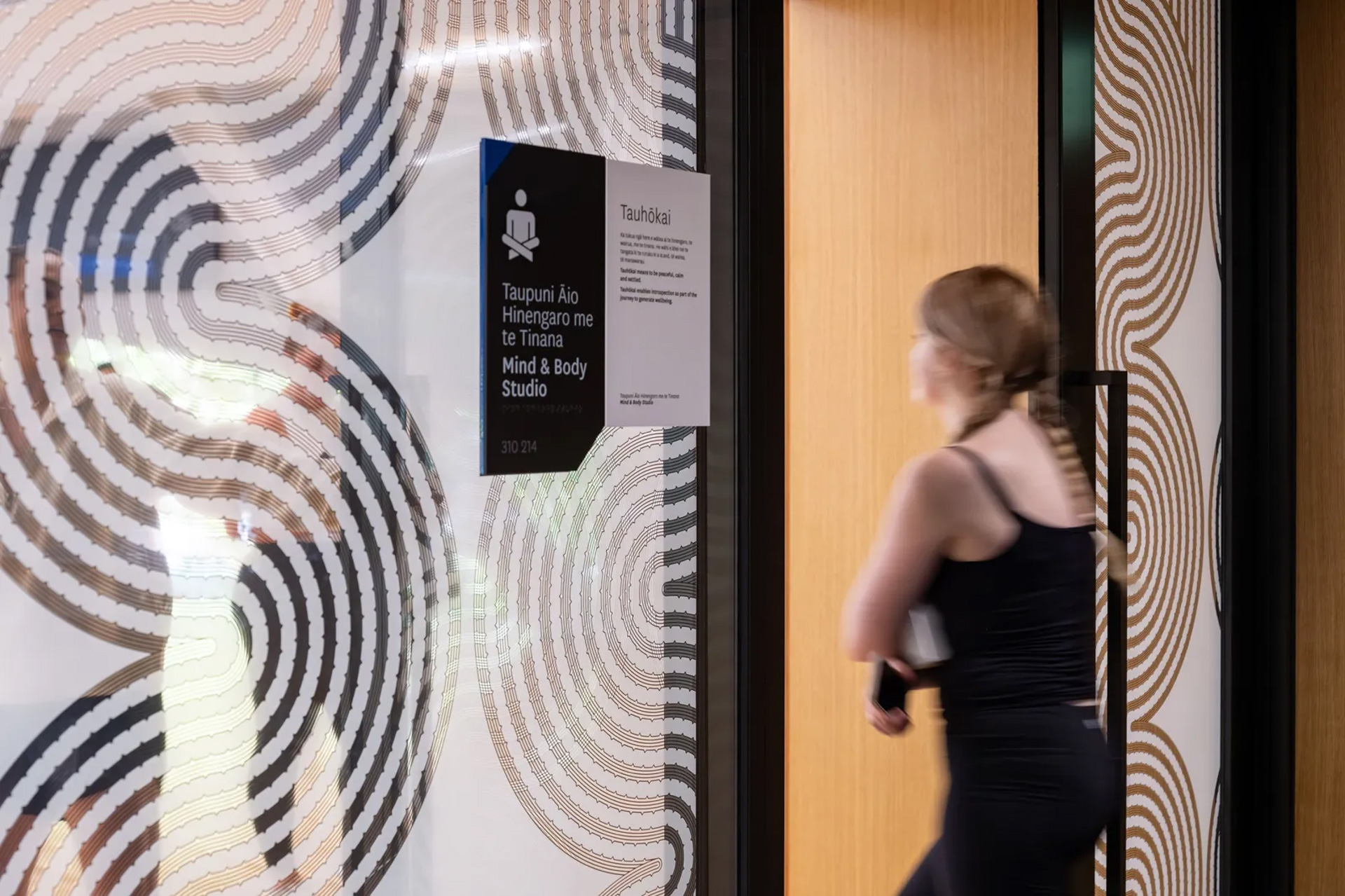
- Interpretive graphics that explain the meaning behind each pattern, enhancing the project’s cultural transparency.
- Poetic narratives accompanying each area, reinforcing the connection between body, movement, and land.
In this way, the space is not just traversed—it is read, interpreted, and experienced culturally.

A pattern-led wayfinding system, not traditional signage
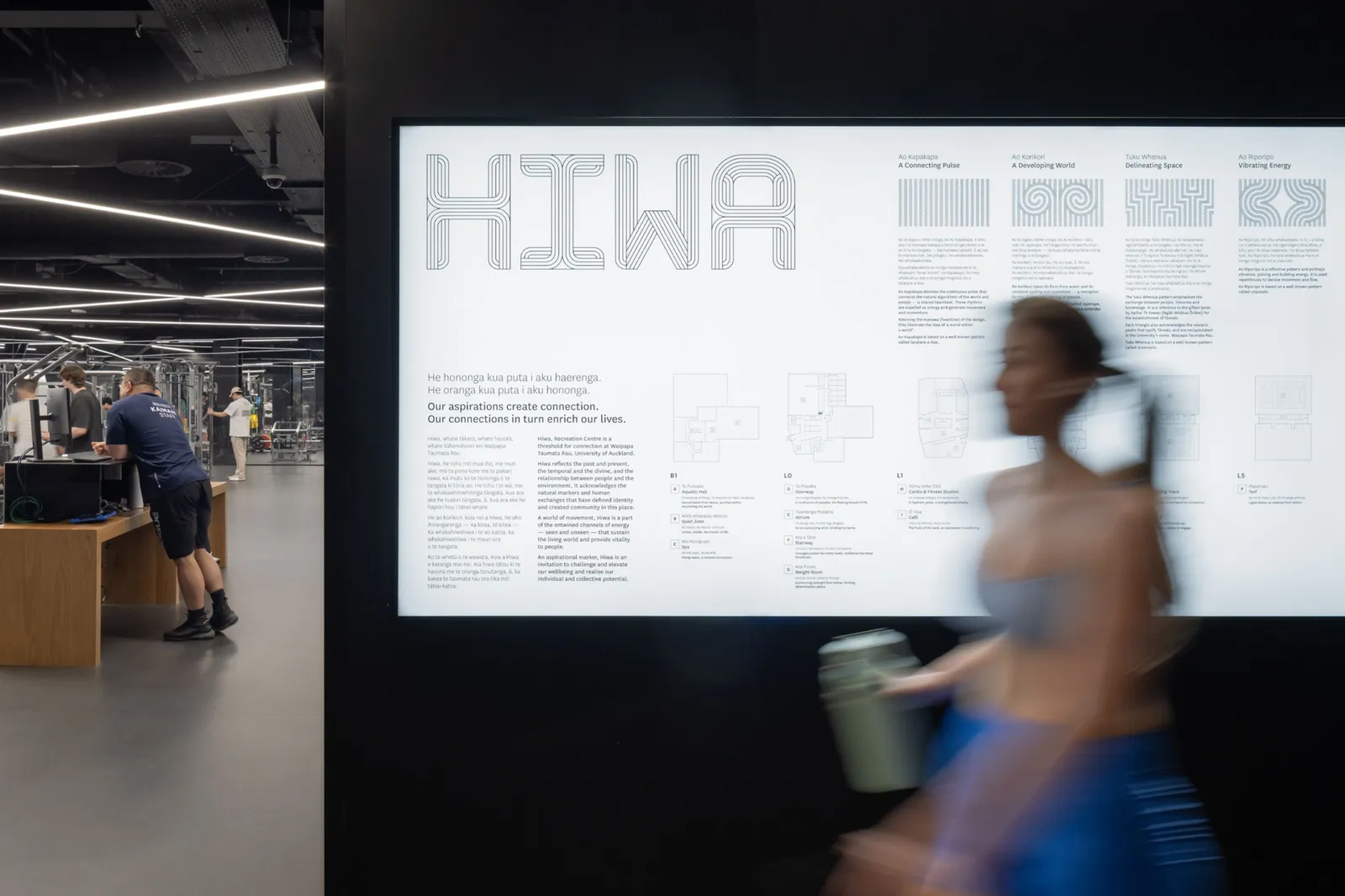
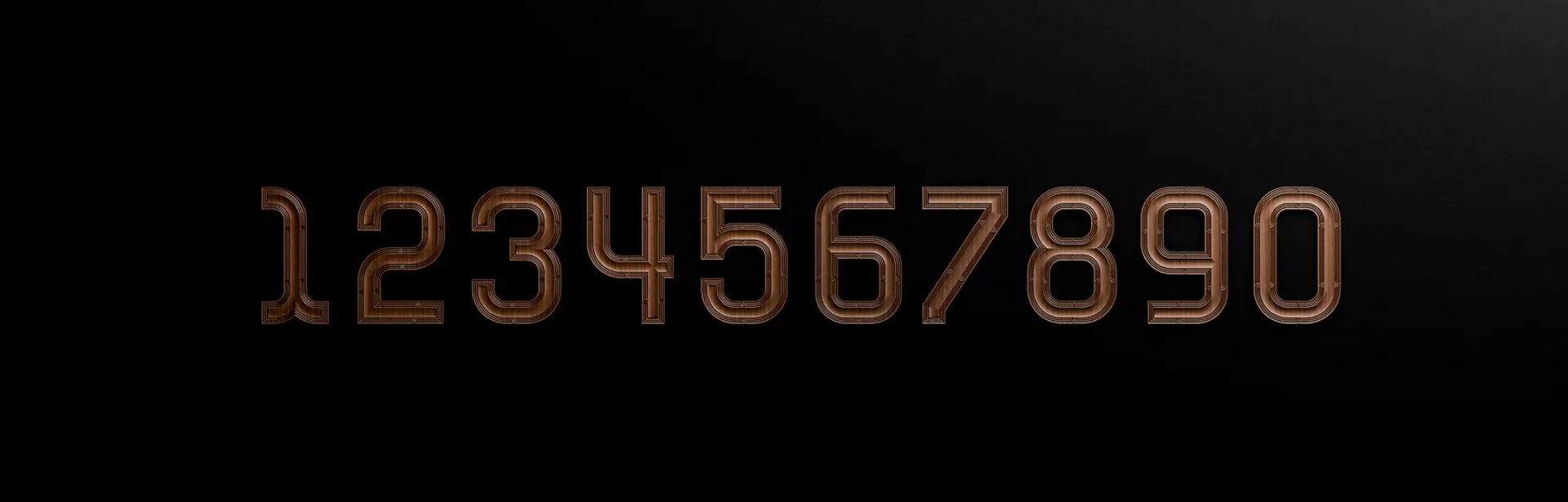
One of the project’s most notable achievements is the development of a pattern-driven wayfinding system. Unlike conventional signage, Hiwa guides users through visual logic, geometry, and contrast.
This system is structured around four Māori concepts that define the building’s atmospheres and flows:
- Ao Kapakapa — pulse, energy, activity.
- Ao Korikori — movement, resilience, circulation.
- Tuku Whenua — connection to the land, rootedness, belonging.
- Ao Riporipo — sensory awareness, calm, perception.
These themes create an emotional map of the space: active and passive zones, rhythms, thresholds, accessible routes, and symbolic boundaries. Graphic design here becomes large-scale information architecture.

Contemporary fabrication that honors ancestral materials
Hiwa also stands out for its seamless integration of tradition and technology. The use of CNC routing enables the precise reproduction and scaling of cultural patterns, ensuring visual consistency throughout the centre.
Materiality adds both emotional and ecological depth to the project:
- The reception desk is crafted from swamp kauri, an ancient wood of great symbolic value.
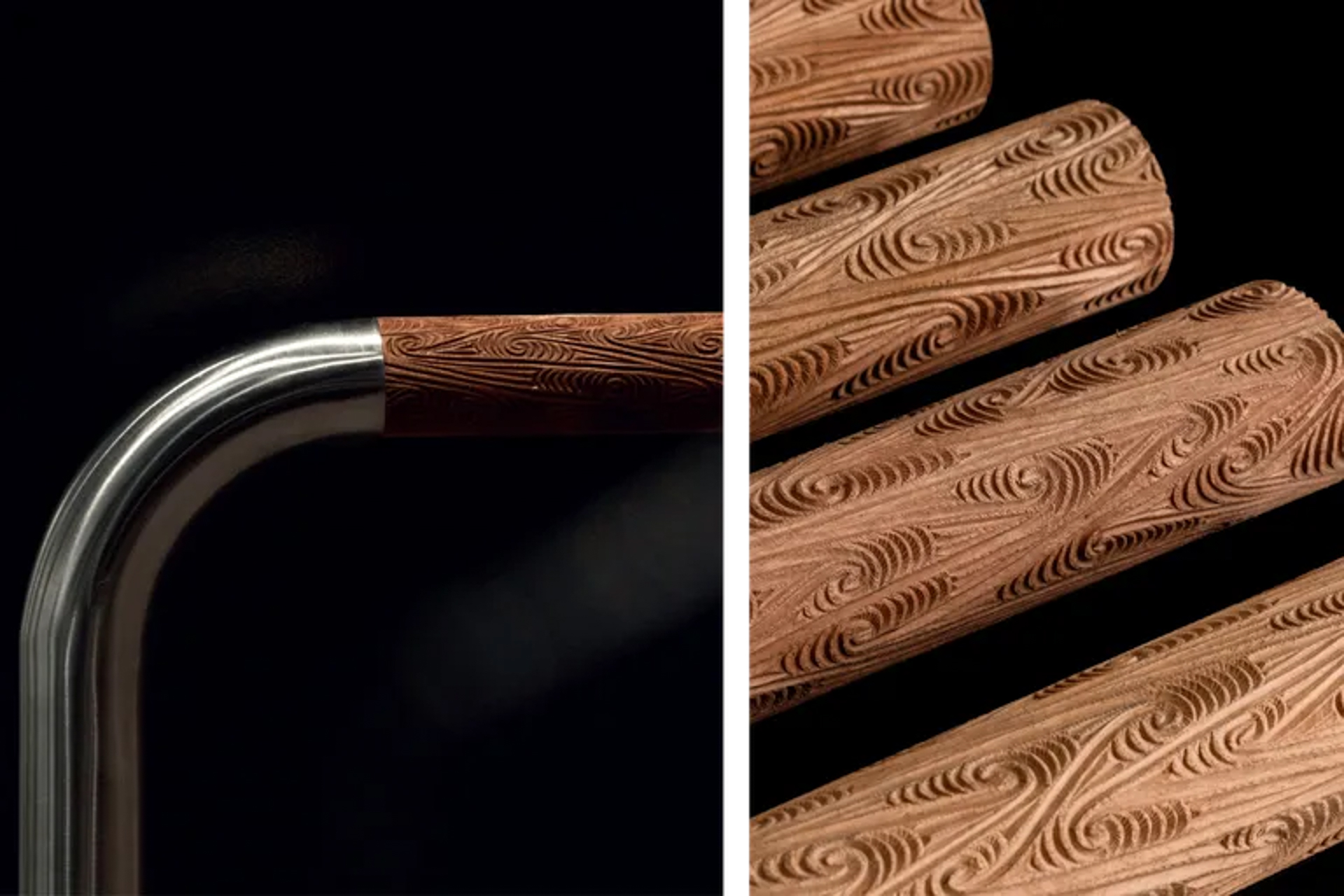
- The handrail cuffs are carved from pōhutukawa that originally grew on site.
These are not mere aesthetic details—they serve as physical reminders of the site’s history, connecting users with a story that spans generations.
Whakairo: tactile and spiritual design
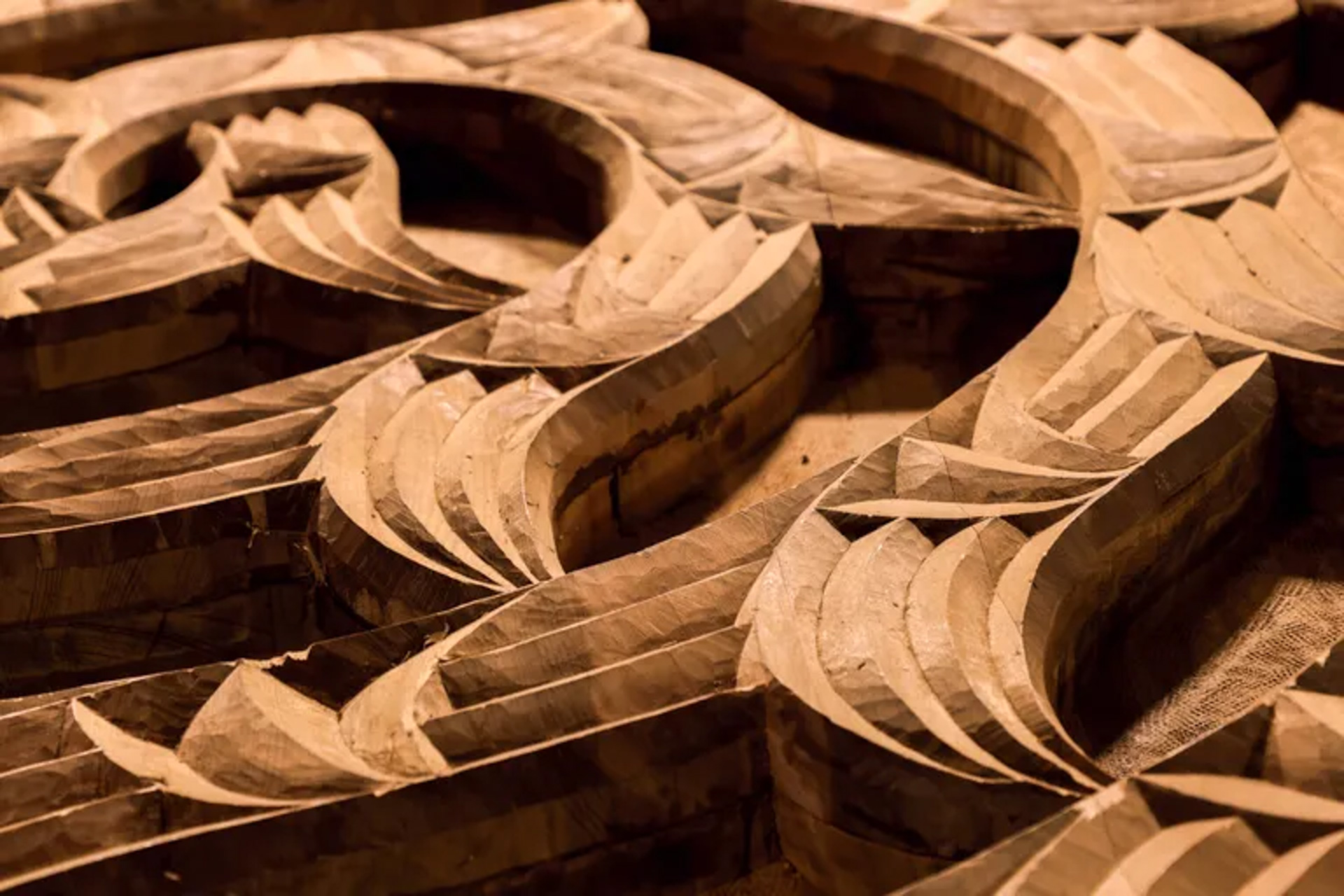
A particularly meaningful aspect of the project is the whakairo (Māori sculptural carving). Hand-carved pieces feature tactile markings on the handrail, designed to “slow the hand” and make users mindful of their spatial transition.
The symbolism runs deep: these pieces connect Hiwa-i-te-rangi (the star of aspiration and future wishes) with Pōhutukawa (the tree of remembrance for loved ones who have passed). Crossing the space becomes, metaphorically, a journey between aspiration and memory.
From a graphic design perspective, this gesture shows that identity is not only visual—it can be haptic, spatial, and emotional.

Educational graphics that build community
The project avoids reducing culture to mere ornament. Instead, graphics are used to convey knowledge, context, and narrative. Every pattern tells a story; every wayfinding element explains a tradition, a concept, a rhythm.
This approach strengthens cultural inclusion on campus, positioning Hiwa as a symbol of welcome and openness for students and visitors alike.
Hiwa as an international benchmark for graphic design and architecture
From the perspective of our graphic design and branding studio in Barcelona, Hiwa offers essential lessons:
- Graphic design can be a natural extension of architecture.
- Cultural identities can be integrated with rigor, respect, and contemporary relevance.
- Wayfinding can become an emotional experience, not just a functional one.
- Design can contribute to social wellbeing, not just environmental aesthetics.
Hiwa demonstrates how a recreation centre can function as a cultural ecosystem, where every visual element carries meaning.
Awards and recognition
The project has received international acclaim for its conceptual and visual innovation:
- D&AD Awards 2025 – Wood Pencil
- Category: Graphic Design
- Countries: Canada & New Zealand
Project credits
- Entrant Company: MJMA Architecture & Design
- Haumi
- Warren and Mahoney Architects
- Client: University of Auckland (Waipapa Taumata Rau)
Conclusion: a model of exemplary contemporary graphic design
Hiwa Recreation Centre is a project that transcends its role as a sports facility. Through a deeply cultural graphic strategy, a pattern-based wayfinding system, and a contemporary interpretation of whakairo, the project achieves what few spatial identities do: turning every movement into a symbolic act.
For those of us working in graphic design, visual communication, and web design in Barcelona, Hiwa is a reminder that the future of design is not about imposing an aesthetic, but about creating experiences that honor memory, culture, and place. An identity that is not only seen, but also felt and experienced.
Ultimately, Hiwa is a brilliant demonstration of graphic design’s power to create worlds within worlds.