Design that turns the problem into the solution: transforming crisis into hope
When design meets empathy and technology, it can change behaviors, save lives, and reshape cultural narratives. 855-HOW-TO-QUIT is a testament to this. Created by Serviceplan Group and Plan.Net Germany for Anzen Health, the campaign transformed the symbol of addiction—the opioid pill—into a direct path to recovery. The project, honored with the iF Gold Award 2025 and multiple D&AD Pencils, shows how a simple idea can have real impact when executed with intelligence, sensitivity, and strategic design.
A crisis that demands a new kind of communication
In the United States, over 6.1 million people struggle with opioid-related disorders. Every six minutes, someone dies from an overdose. Decades of public awareness campaigns have not stemmed the crisis. Why? Most public health initiatives focus on statistics or warnings, but few reach people at the critical moment—when they still have a choice, pill in hand.
Serviceplan’s designers and strategists realized that communication needed to intervene at that precise, tangible point of addiction. They set out to turn the very object of the problem into a tool for help.
The idea: using pill codes as a key to recovery
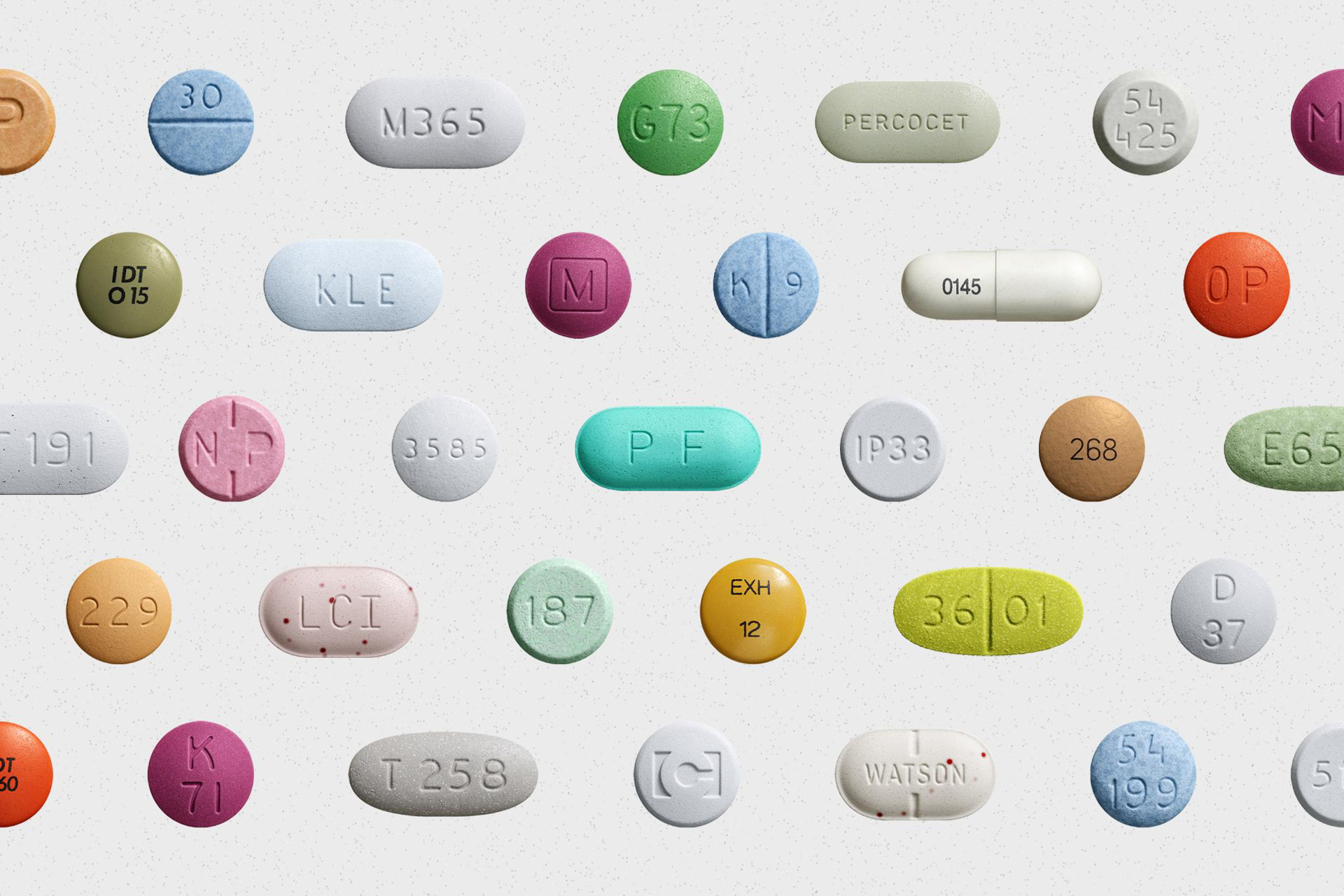
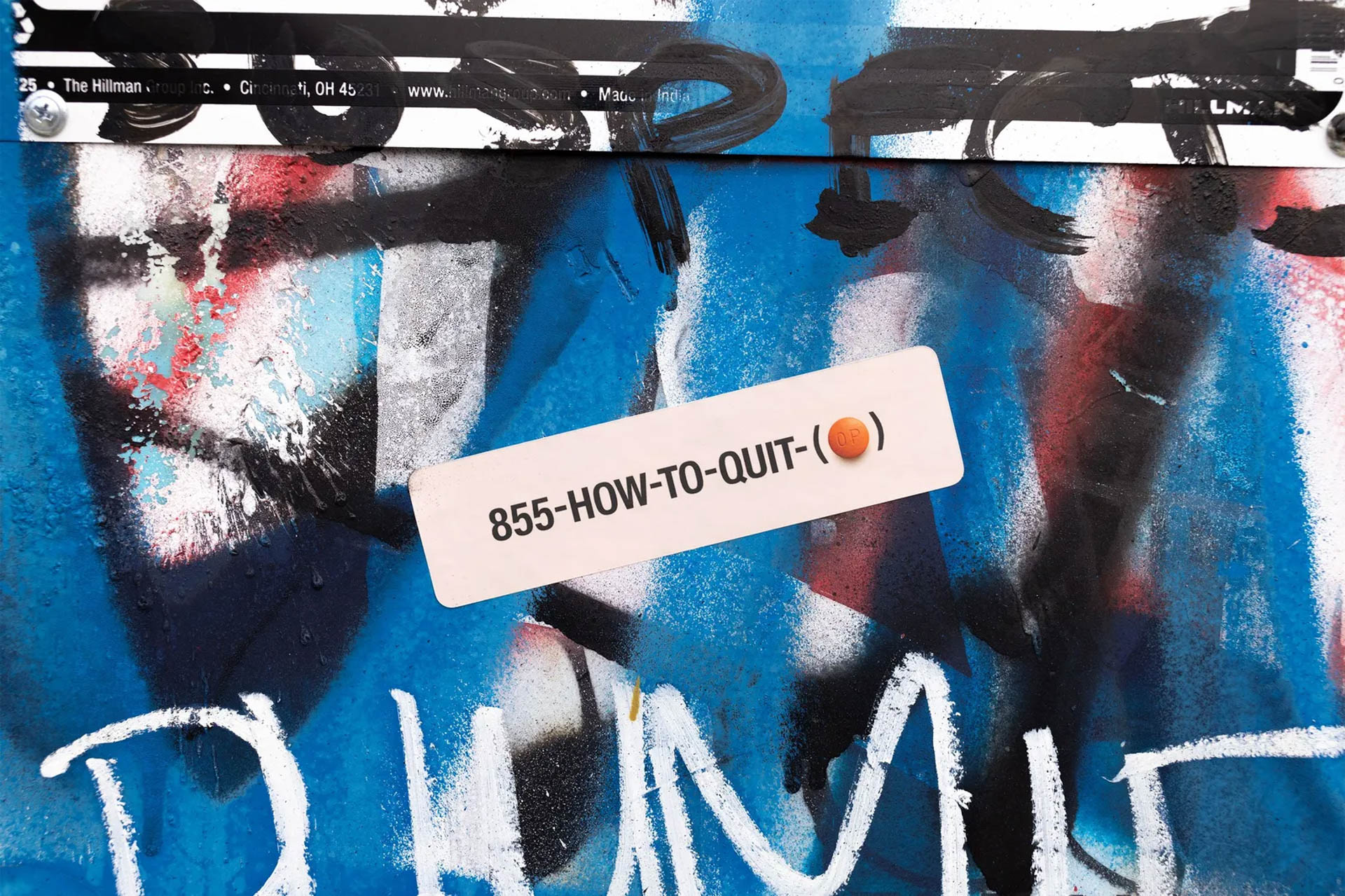
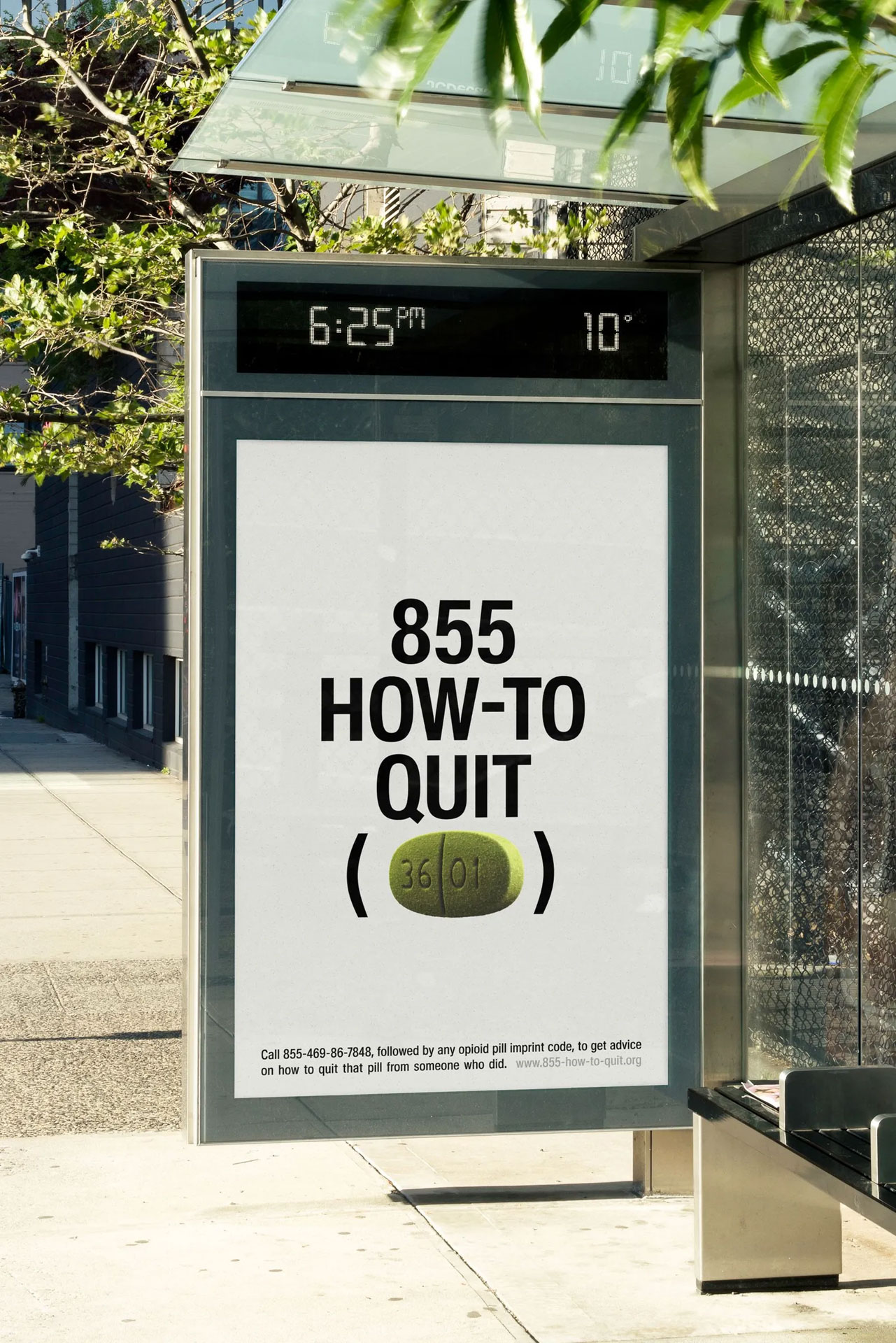
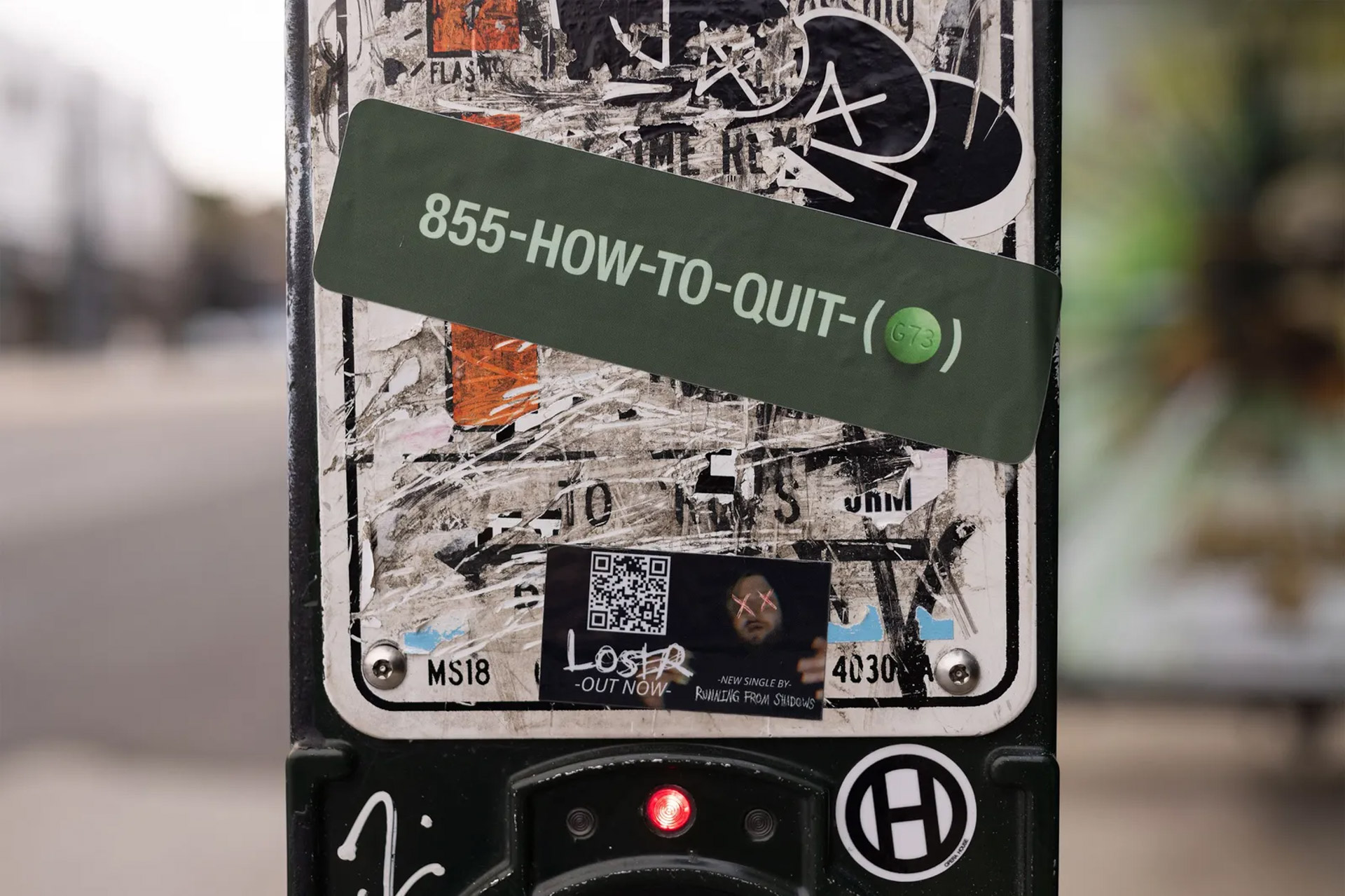
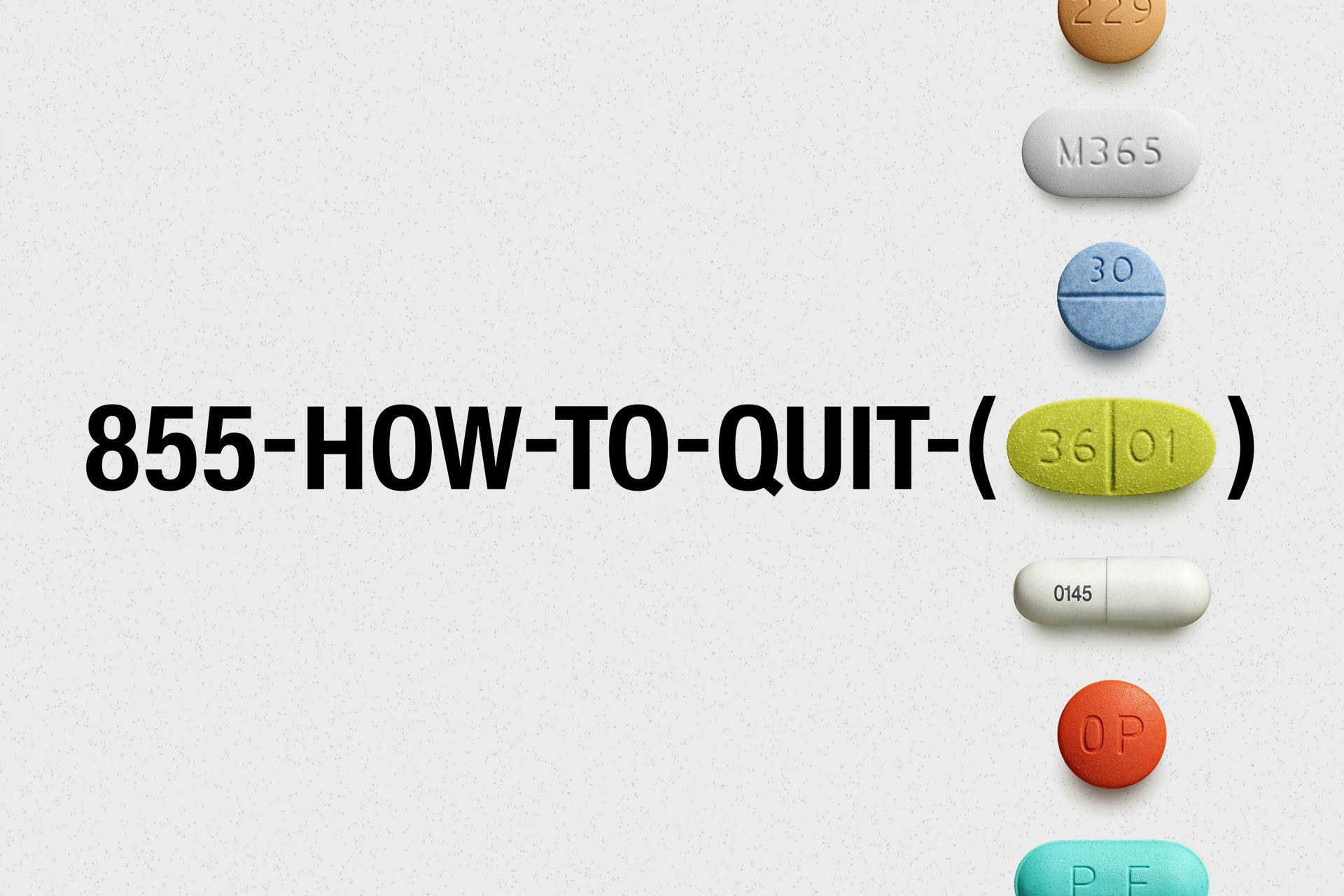
Every opioid pill is stamped with a mandatory identification code (such as OP, IP33, or K9). Originally intended for pharmaceutical control, these codes are also used as street slang in the illicit market. The 855-HOW-TO-QUIT campaign reimagined these codes as phone extensions. By dialing the national 855-HOW-TO-QUIT number and entering the pill code, users are connected to someone who has successfully quit that very opioid. They hear their story, receive guidance, and can be referred to nearby treatment services.
The gesture is as simple as it is powerful. Dialing a number is almost automatic, a mechanical action. The campaign leverages this habit to create a new emotional association: from the urge to use, to the impulse to seek help. It’s a standout example of behavioral design, where the interface isn’t on a screen, but in the physical act itself.

Visual tone: clinical precision meets humanity
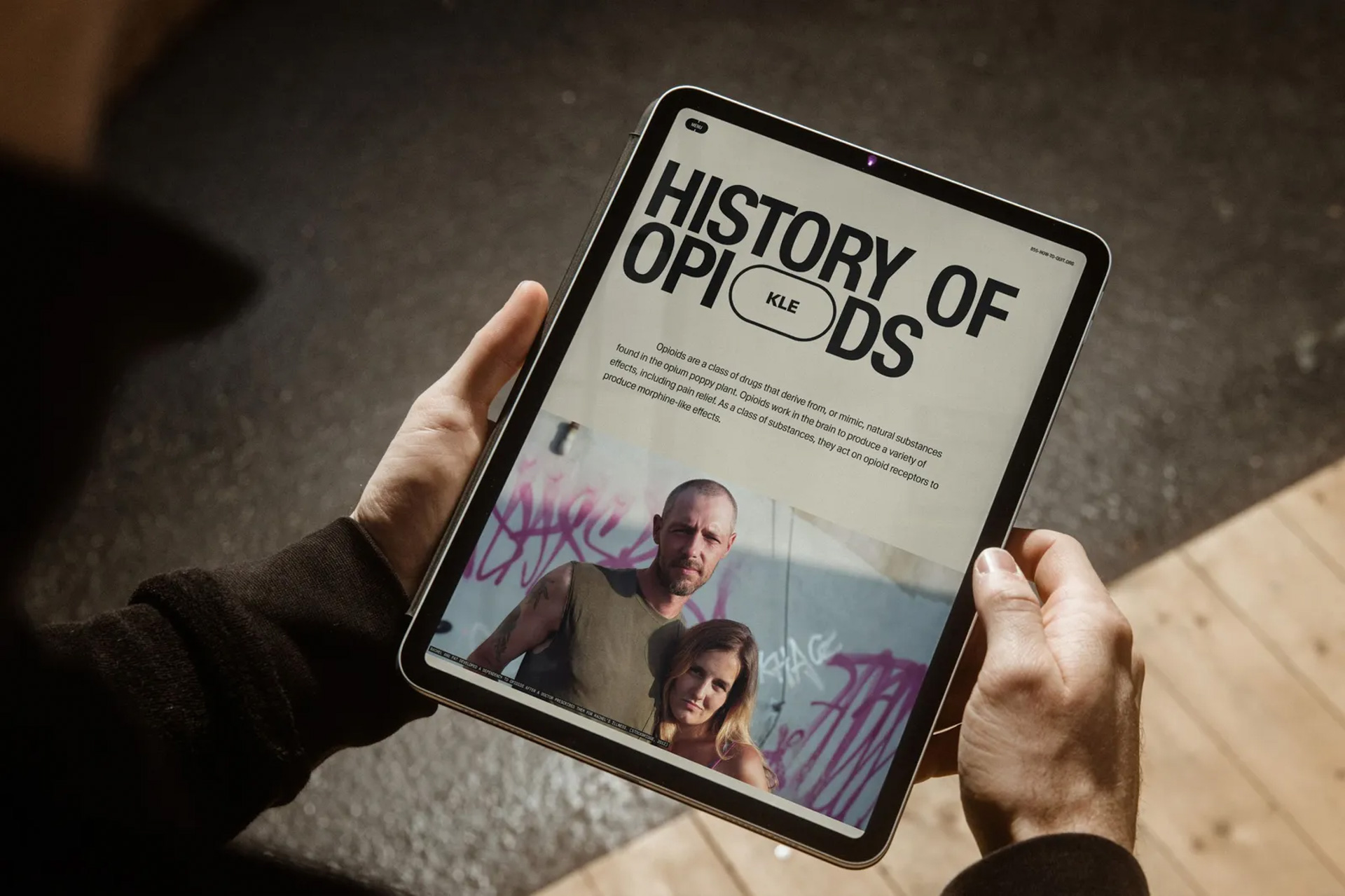
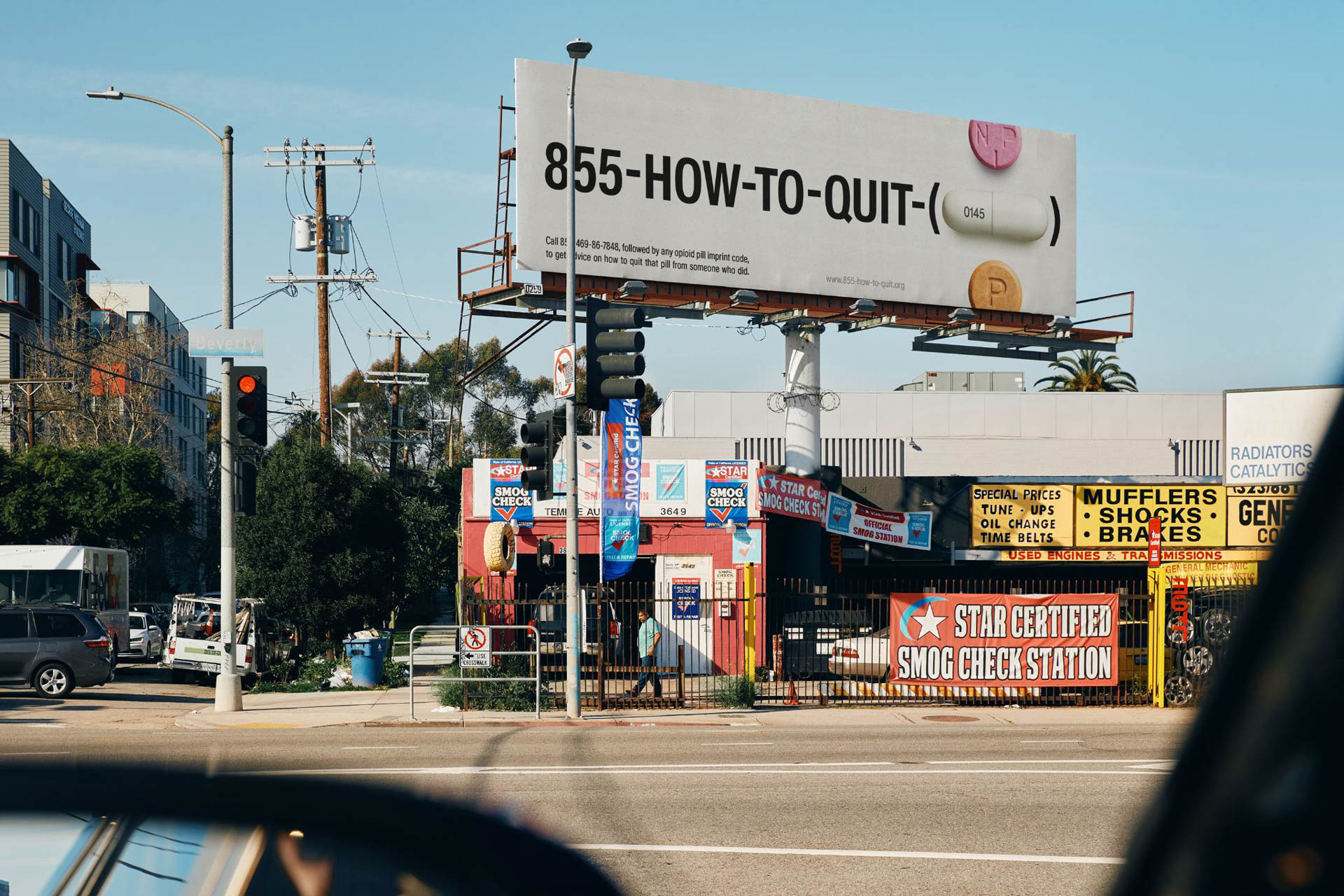
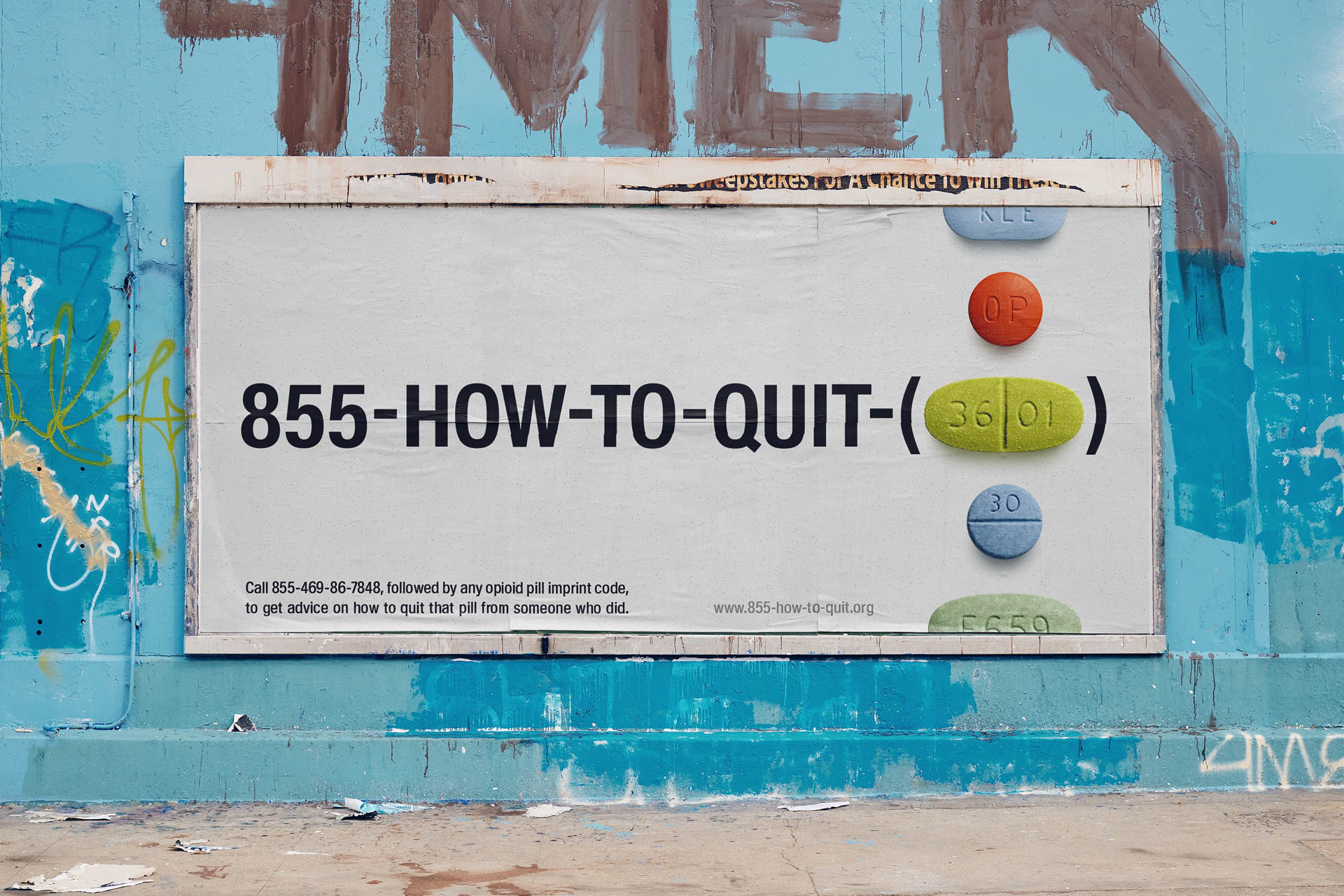
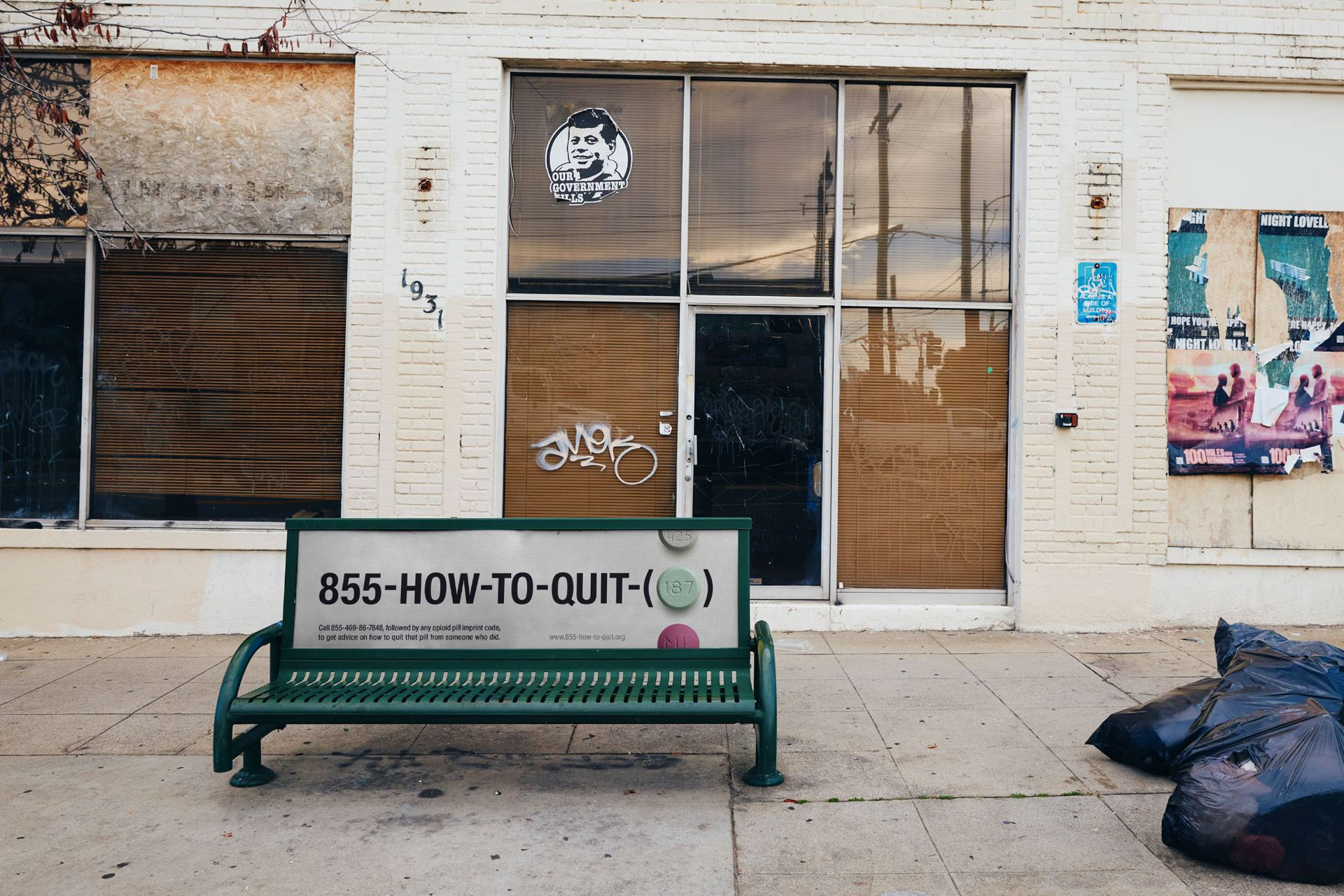
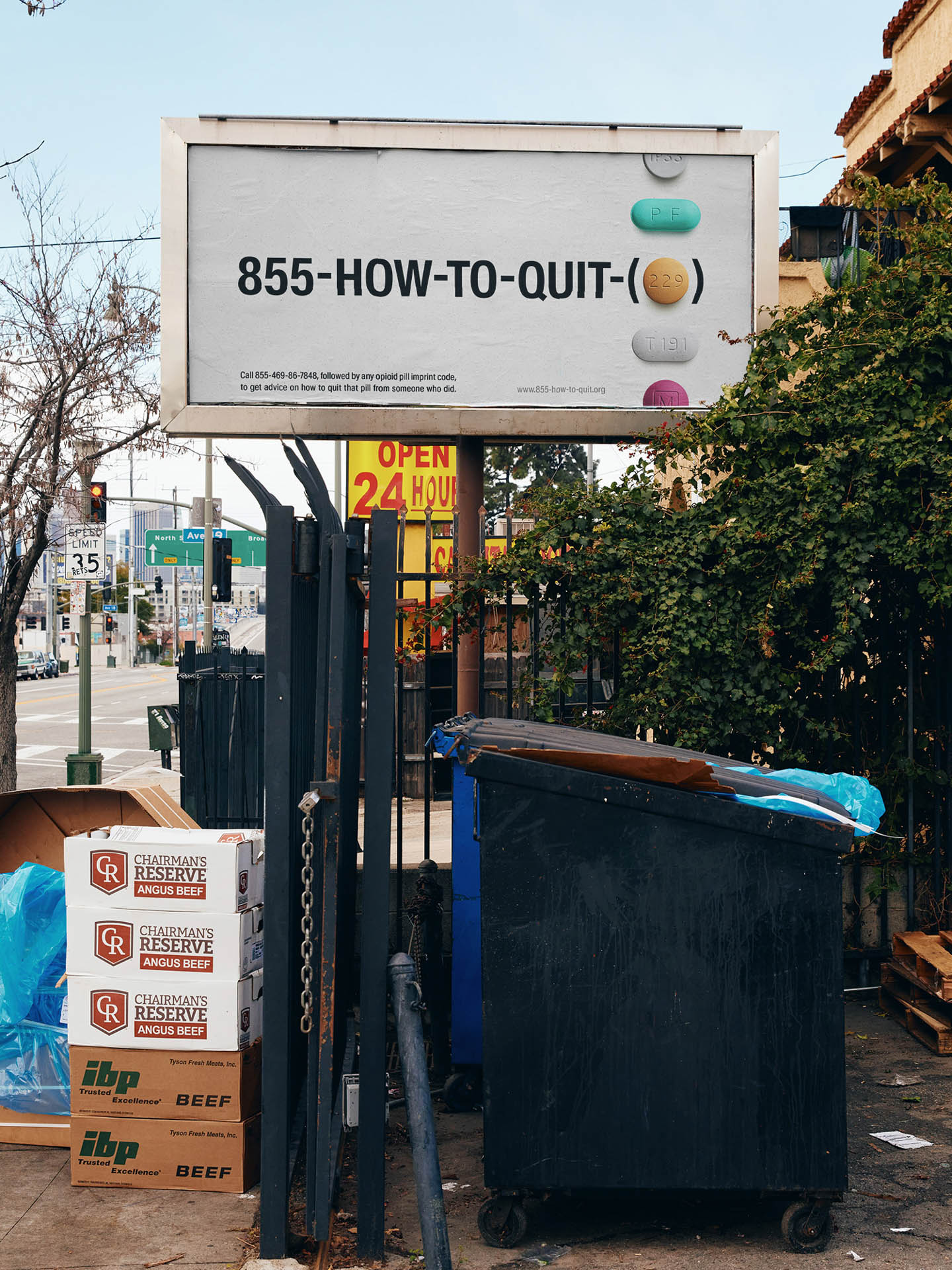
The art direction avoids the clichés of drama and fear. Instead of harsh imagery or dark tones, the look is clean, restrained, and professional. White backgrounds, sans-serif typography, and horizontal and vertical lines evoke order. Pills, arranged in columns, become graphic elements. Beside them, the 855-HOW-TO-QUIT number dominates the layout with typographic strength, prompting action without rhetoric.
The result is a piece that communicates trust and approachability, not blame. Every visual element—space, proportion, alignment—reinforces the message’s clarity: there is a way out, and it’s within reach.
An integrated communications ecosystem
The campaign went far beyond a single channel. It was a 360° ecosystem with consistent narrative and visual identity:
- Contextual OOH: Posters in pharmacies, hospitals, and high-risk areas, featuring real pills alongside the helpline number.
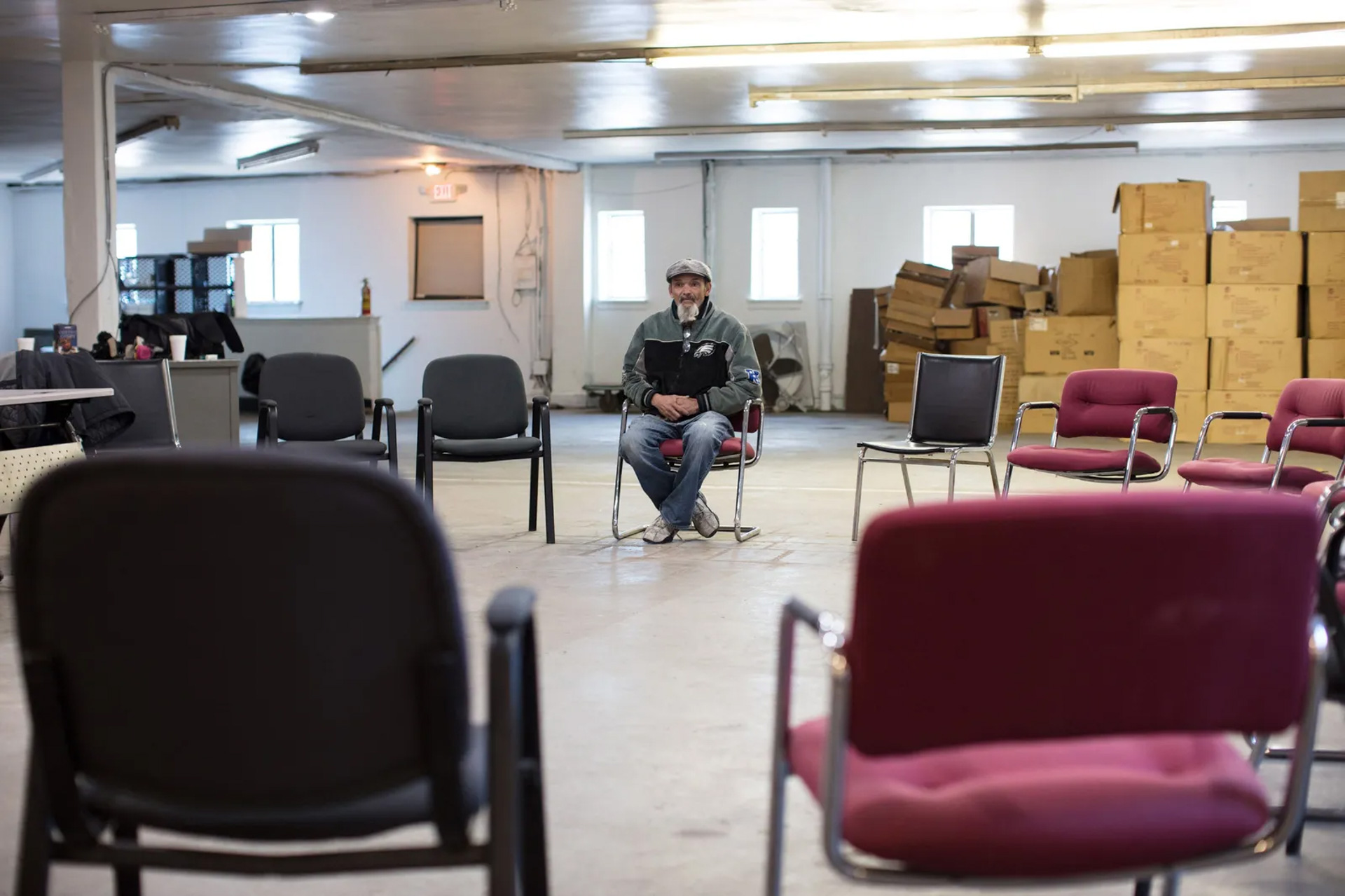
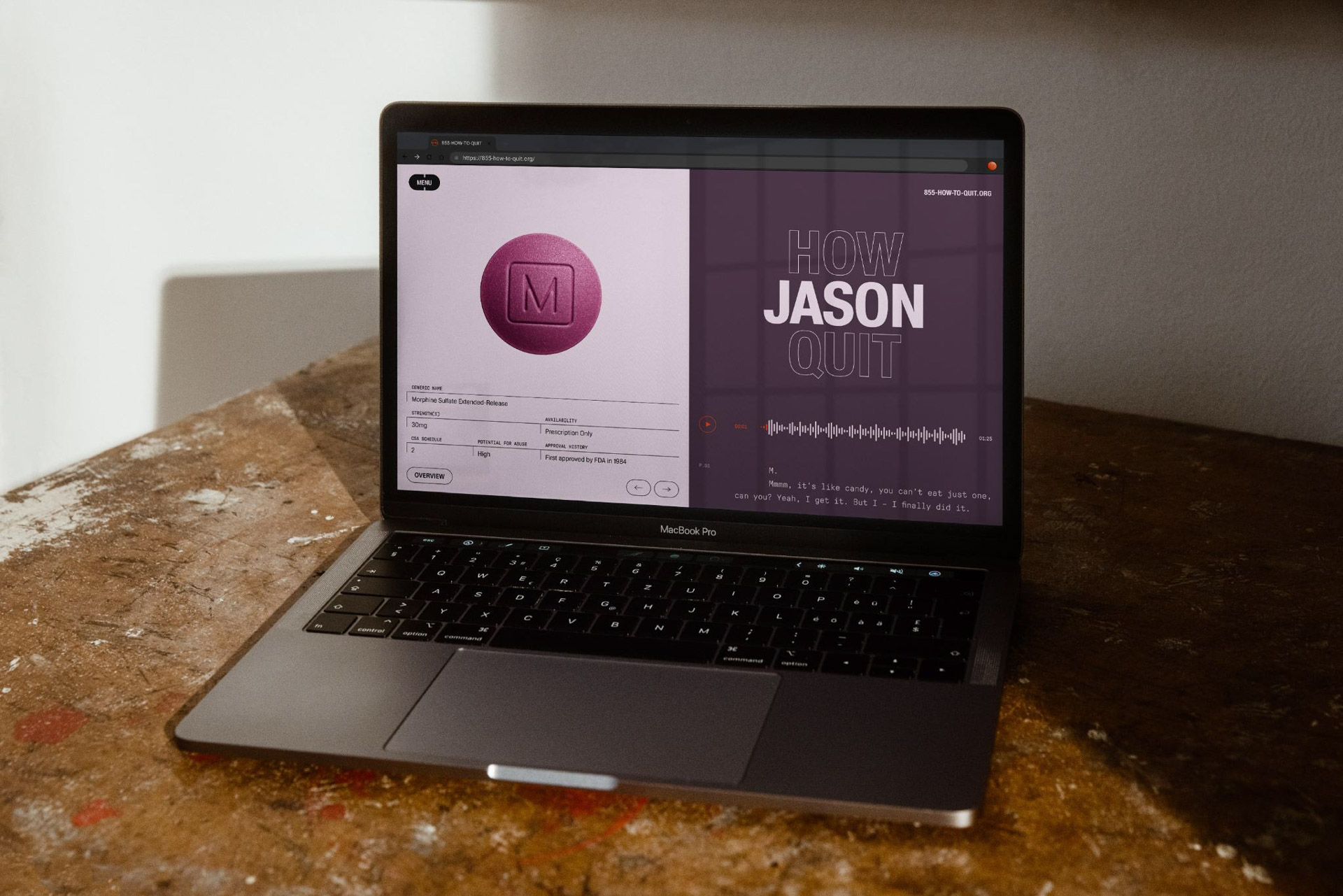
- Film and video content: Produced by JOJX, featuring real stories from people who overcame addiction. No effects, no dramatization—just authentic testimonies.
- Social media: Influencers and survivors shared personal messages, sparking conversations in vulnerable communities.
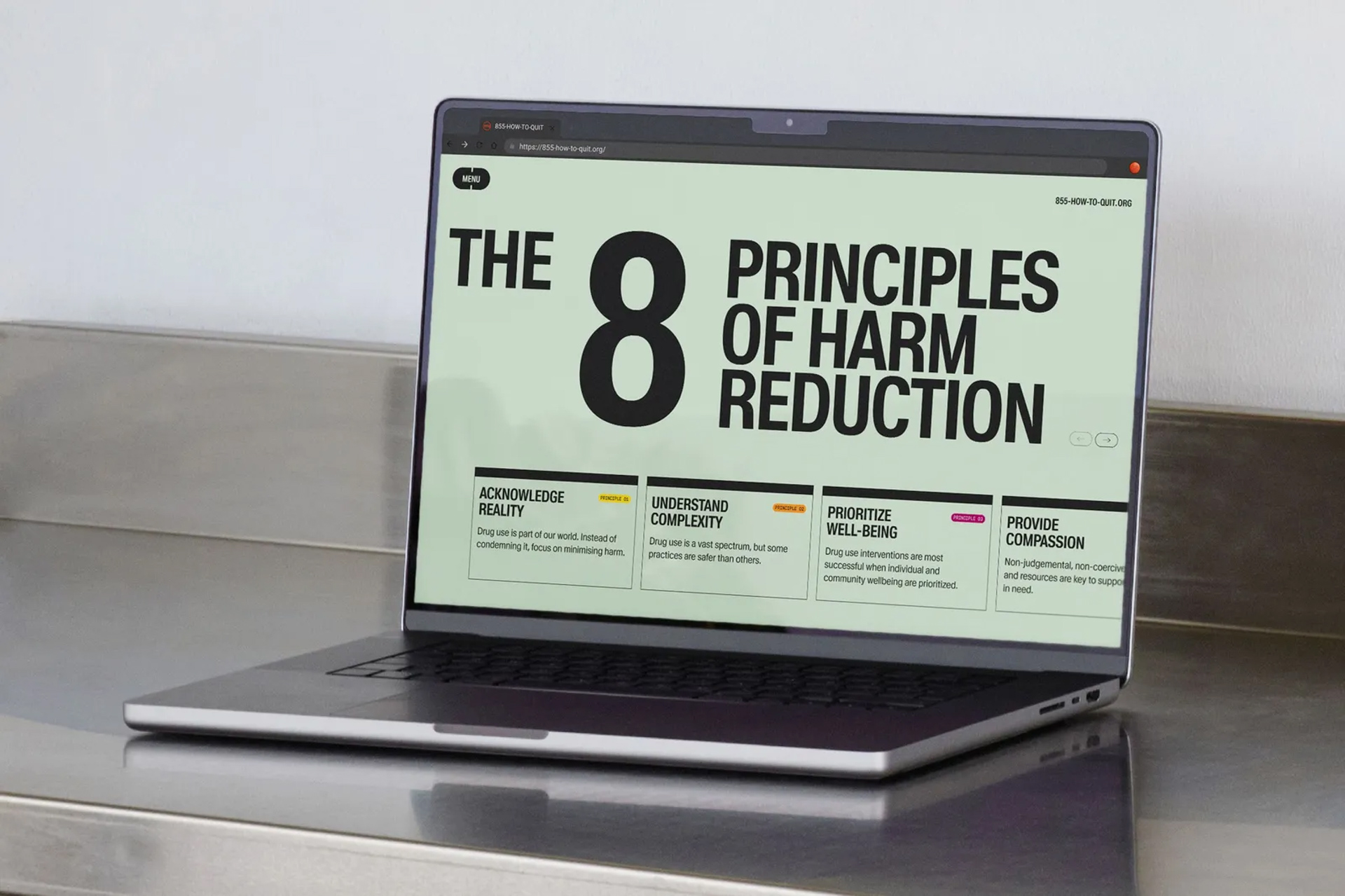
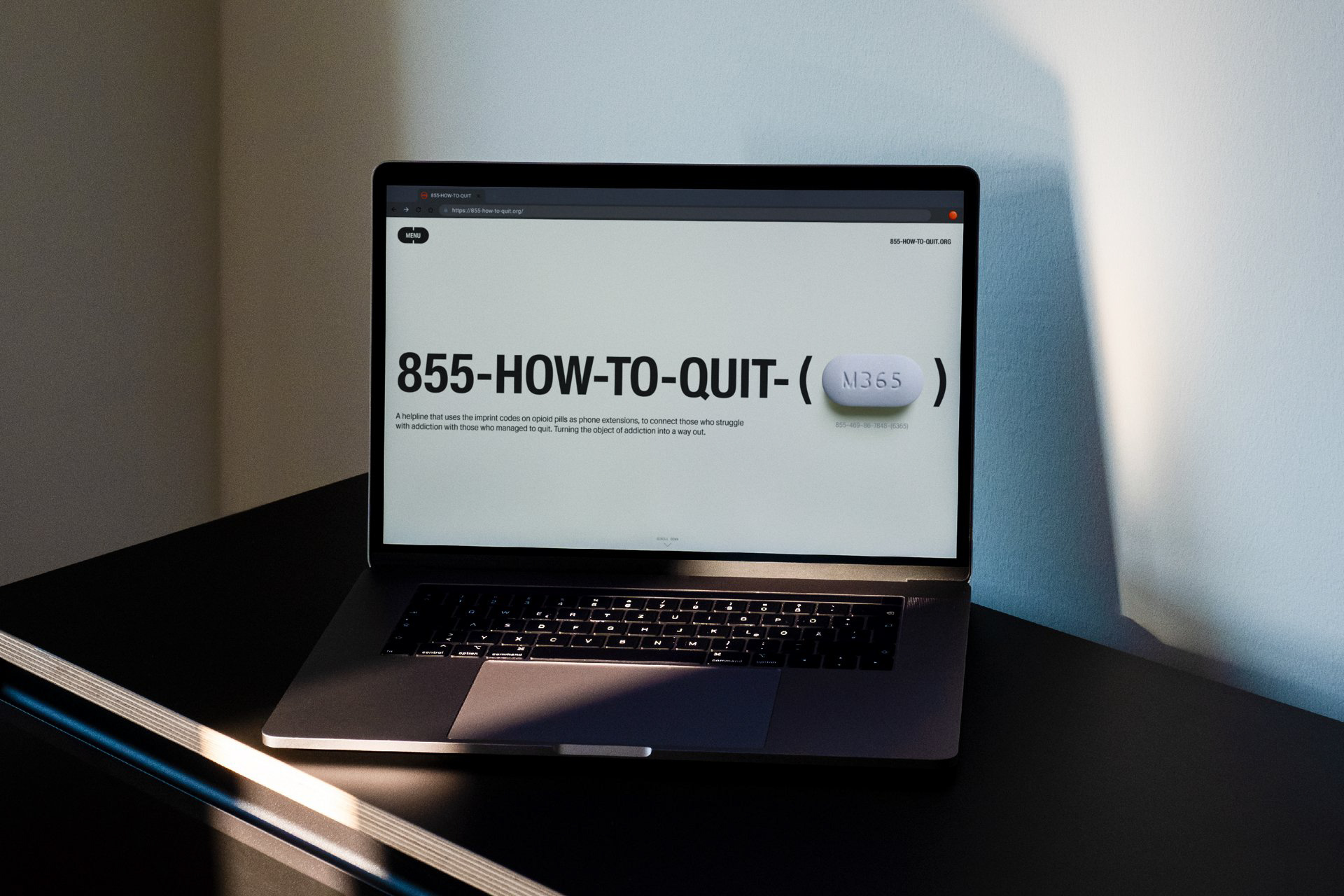
- Web platform: Clear information, support resources, and direct links to certified treatment centers.
The entire system was designed with one premise: to be present at the exact time and place help is needed. Every channel amplifies the message without breaking visual or emotional consistency.
Experience design: empathetic UX
The user experience—both digital and over the phone—was crafted to minimize cognitive friction. Every step is clearly guided: what to do, why it matters, and what happens next. If volunteers are available, the call is live; if not, a recording ensures support continues. The UX design is built on clarity, accessibility, and emotional support. Anything superfluous is stripped away, making the interaction immediate, human, and effective.
The website follows visual accessibility best practices: high contrast, clear typographic hierarchy, and a linear structure. The interface isn’t designed to impress, but to support.

Real impact and success metrics
The project exceeded expectations across all key indicators:
- 182 million contacts generated.
- 42,000 calls received in the first months.
- 22 times more effective than traditional helplines.
- New NGOs, clinics, and public agencies joined after launch.
Beyond the numbers, the greatest achievement was symbolic: changing the perception of asking for help. Instead of a sign of weakness, it became an act of courage. The campaign turned a pharmaceutical code into a language of hope.
International collaboration and creative process
The project spanned 24 months and brought together teams from Germany, the US, and the UK. Alongside Serviceplan Group and Plan.Net, Raw Materials contributed graphic design and JOJX handled video production. The methodology combined behavioral research, patient workshops, and ongoing message validation to ensure cultural sensitivity and emotional accuracy.
Success was not just about technical execution, but about interdisciplinary synergy. Strategists, designers, psychologists, and communicators worked toward a single goal: to create a tool for real change, not just another ad campaign.

International recognition
In addition to the iF Gold Award 2025, the campaign was recognized at the D&AD Awards in categories that highlight its holistic approach:
- Graphic Design / Integrated
- Graphic Design / Websites & Apps
- Media / Interaction
- Art Direction / Direct
- Experiential / Community Activations
- Direct / Press & Outdoor
The D&AD jury called it “a brilliant creative idea that takes the problem and turns it into the solution.” The iF jury praised its “concise design and precise typography that bring hope exactly where it’s needed most.”
Design lessons: the essentials are invisible
855-HOW-TO-QUIT offers several takeaways for anyone in design or communications:
- Design as a real-world interface: Everyday objects can become platforms for change when reimagined with empathy.
- Purposeful minimalism: Strip away visual noise to amplify the intent of the message.
- Behavioral design: Guide positive actions through simple, intuitive gestures.
- Narrative consistency: Every channel, format, or medium should speak with the same voice and purpose.
- Humanizing technology: Innovation isn’t just in the code, but in how it connects emotionally.
Conclusion: communication that heals
855-HOW-TO-QUIT is more than an award-winning campaign—it’s a model for how design can drive real social impact. It takes the symbol of an epidemic and turns it into a tool for redemption. It doesn’t shout, blame, or judge. It speaks the language people understand: simple action and immediate help.
In an era flooded with empty messages, this initiative proves that the true power of design lies in its ability to move people to act. And it reminds us of something essential: good design doesn’t just inform or decorate—it can save lives.