If you’re even remotely connected to today’s world, you probably know what WordPress is. If not—if you’re living in a post-apocalyptic survival bunker—you likely don’t have access to this content anyway, and your only concern is your daily food ration and emptying the waste tank.
As most people know, WordPress is one of the most widely used CMS platforms for building websites.
But, as with anything mainstream, there are plenty of myths and misconceptions swirling around this content management system.
Let’s take a look at some of the most common misconceptions about WordPress.
7 misconceptions about WordPress
WordPress is limited
The most widespread myth is that WordPress comes with major limitations in terms of design and web development.
Nothing could be further from the truth.
This misconception usually comes from hobbyists looking for a free solution, or from certain web design and development agencies that sell overpriced templates.
Their technical know-how often doesn’t go beyond installing a WordPress template and tweaking a few settings—or maybe installing a plugin, as long as it works out of the box. If something goes wrong, they’re lost.
When that happens, WordPress gets the blame. It’s easier to criticize the platform than to admit your own limitations.
In the hands of an expert, WordPress is an incredibly powerful tool that can be customized without limits.

WordPress isn’t suitable for e-commerce
Here’s another common misconception, closely related to the previous one.
Picture that same beginner who got stuck installing a plugin.
Now imagine them trying to set up an e-commerce site with WordPress—the result is likely to be even more disastrous.
Like anything in life, nothing is hard if you know how to do it.
If you don’t, it’s not the software’s fault. More often than not, it’s down to your own lack of knowledge.
The real problem isn’t not knowing—it’s not realizing that you don’t know… classic.

WordPress isn’t secure
This is one of the myths I hear most often. For some reason, there’s a persistent belief that WordPress isn’t secure. Seriously?
Because it’s open source, it must be super easy to hack, right? Hilarious.
Go ahead and try.
WordPress isn’t just a name—behind the open source project are thousands of people constantly working to keep it secure.
They invest countless hours keeping it up to date.
In fact, this ongoing maintenance is what makes the software so robust. All you need to do is keep your installation updated.
And if you ever run into a problem, you’re not alone—it’s shared by the entire WordPress community.

WordPress is just for blogs
Here’s another outdated myth: WordPress is only for bloggers.
This idea comes from WordPress’s early days, when everyone wanted to try building a website for free.
Back then, WordPress was indeed created for bloggers, but a lot has changed since.
WordPress has evolved into a comprehensive platform, offering everything you need to design and develop a high-quality website.

WordPress is expensive
Some of the most uninformed people also believe that WordPress is expensive.
They’ll tell you that if you want a quality WordPress site with quality plugins, it’ll cost you a fortune—and that it’s far from the open source ideal.
Sure, there are plenty of premium plugins, but it’s all about knowing how to find the right ones.
A smart buyer doesn’t just buy expensive—they buy smart.
If you know what you’re doing, WordPress has all the plugins you need, often at no cost.
A tip: look for free plugins with lots of updates and downloads. Those are the ones most people use. There’s a reason for that, don’t you think?

WordPress isn’t made for large projects
Here’s another classic misconception that follows WordPress everywhere.
People often think WordPress is perfect for small and medium-sized businesses.
But what happens when your company grows into a giant?
The first thing that comes to mind is that WordPress can’t keep up—wrong.
Sure, a multinational will have bigger meeting rooms, bigger trucks, and so on.
But the truth is, as a small or medium business, you probably weren’t using WordPress to its full potential.
As your company grows, you can scale WordPress to deliver even greater performance. It’s that simple.

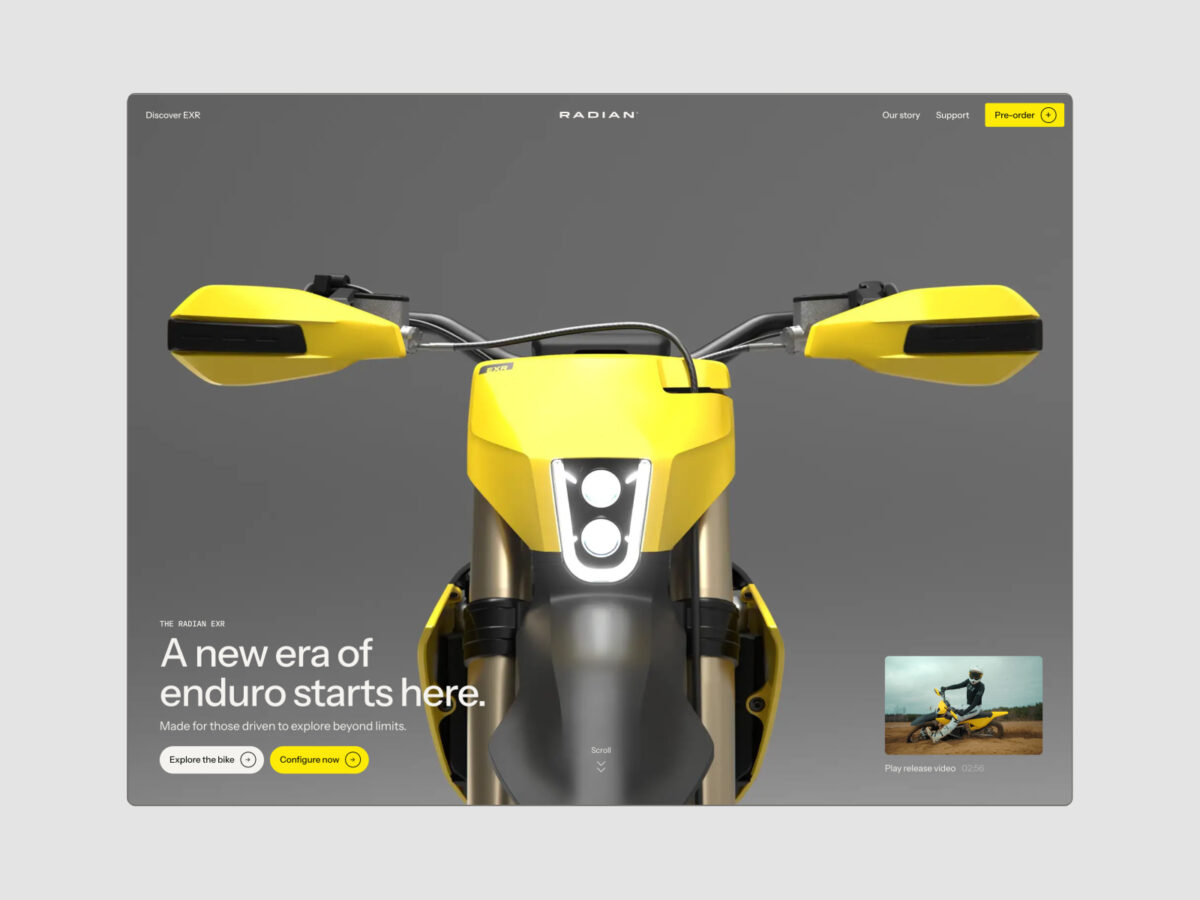
All WordPress sites look the same
And finally, the mother of all myths: all WordPress sites look the same, right?
This is really just the result of all the previous points combined.
If you don’t know what you’re doing, if you can’t install plugins properly, if your skills are limited to buying a template and playing with the interface…
Of course all your WordPress sites will look the same. What did you expect?
As I mentioned earlier, WordPress is a powerful tool capable of delivering results far beyond basic templates and themes, which—naturally—tend to look similar.

Conclusion:
I hope this article helps you win your next holiday dinner debate and put your know-it-all brother-in-law in his place—just the way you like.
WordPress is a powerful platform that, in the hands of a professional, delivers professional results.
In the hands of a beginner, the results will be basic.
As my father says: “A bad dancer always blames the floor.”